Quick-reference calendar of Japan's major festival dates, from Sapporo Snow Festival to Gion Matsuri. Plan your trip by season.
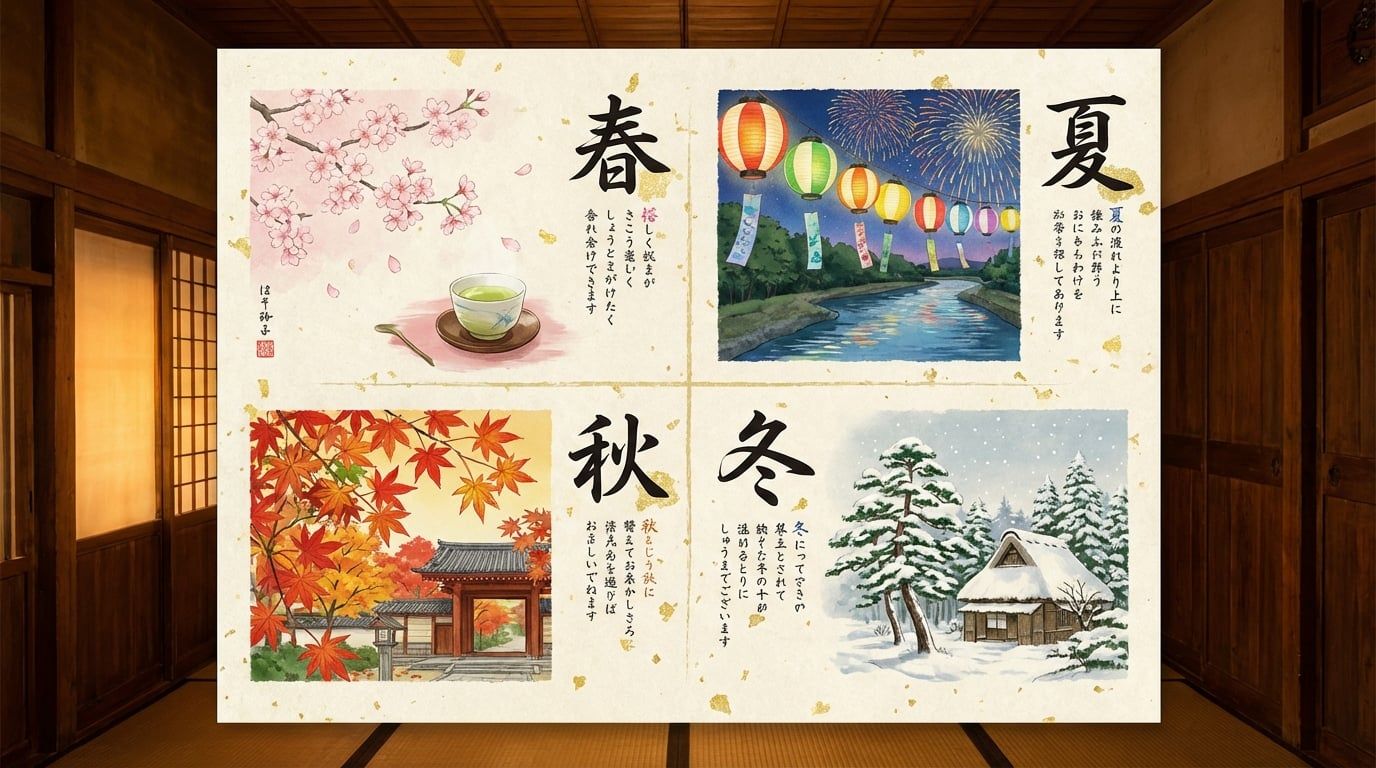 Image for illustrative purposes only.
Japan Festival Calendar: Dates & Schedule for Every Major Matsuri
Japan hosts hundreds of festivals — called matsuri — throughout the year. Whether you are chasing summer fireworks or winter snow sculptures, this calendar gives you a quick-reference guide to every major festival date so you can plan your trip with confidence.
For deeper background on what makes these celebrations special, see our complete guide to Japanese festivals. If you need exact dates for this year, check Japan Festivals 2026.
Quick Reference: Major Japan Festival Dates
| Festival | Location | Dates | Season | Highlight |
|---|---|---|---|---|
| Sapporo Snow Festival | Sapporo, Hokkaido | Early Feb | Winter | Massive ice and snow sculptures |
| Yokote Kamakura Festival | Yokote, Akita | Feb 15-16 | Winter | Snow igloos lit by candlelight |
| Omizutori (Shuni-e) | Nara | Mar 1-14 | Spring | Sacred fire ceremony at Todai-ji |
| Takayama Spring Festival | Takayama, Gifu | Apr 14-15 | Spring | Ornate floats paraded through old town |
| Kanamara Matsuri | Kawasaki | Early Apr | Spring | Quirky fertility festival |
| Sanja Matsuri | Tokyo (Asakusa) | Mid-May | Spring | One of Tokyo's biggest portable-shrine processions |
| Kanda Matsuri | Tokyo (Kanda) | Mid-May (odd years) | Spring | Elaborate parade through central Tokyo |
| Sanno Matsuri | Tokyo (Akasaka) | Mid-Jun (even years) | Summer | Grand procession near the Imperial Palace |
| Gion Matsuri | Kyoto | Jul 1-31 (parades Jul 17 & 24) | Summer | Japan's most famous festival with towering floats |
| Tenjin Matsuri | Osaka | Jul 24-25 | Summer | River procession and fireworks in Osaka |
| Nebuta Matsuri | Aomori | Aug 2-7 | Summer | Giant illuminated paper floats |
| Kanto Matsuri | Akita | Aug 3-6 | Summer | Balancing tall bamboo poles with lanterns |
| Awa Odori | Tokushima | Aug 12-15 | Summer | Largest dance festival in Japan |
| Daimonji Gozan Okuribi | Kyoto | Aug 16 | Summer | Giant bonfires on five mountains |
| Kishiwada Danjiri | Osaka (Kishiwada) | Mid-Sep | Autumn | High-speed wooden float racing |
| Jidai Matsuri | Kyoto | Oct 22 | Autumn | Historical costume parade spanning centuries |
| Nagasaki Kunchi | Nagasaki | Oct 7-9 | Autumn | Dragon dances with Chinese-Dutch influences |
| Chichibu Night Festival | Chichibu, Saitama | Dec 2-3 | Winter | Fireworks and illuminated floats on a winter night |
| Namahage Festival | Oga, Akita | Dec 31 | Winter | Demon-masked figures visit homes |
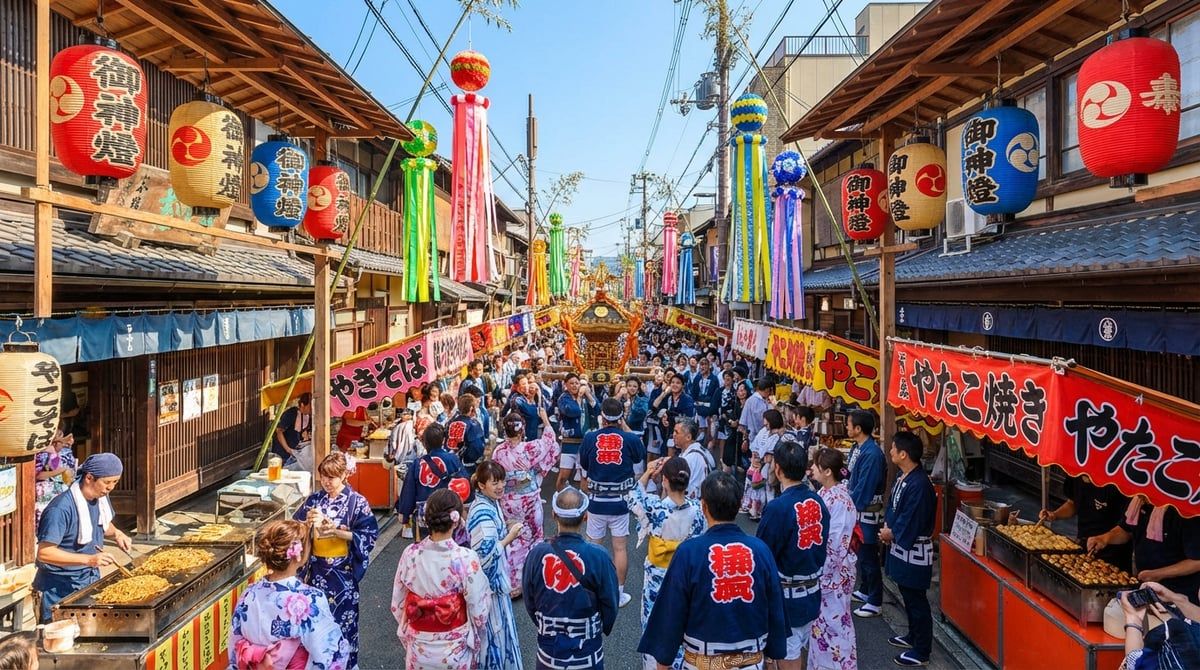 Image for illustrative purposes only.
Spring Festivals (March - May)
Spring is when Japan comes alive with cherry blossoms and renewed energy. Festivals in this season often celebrate the start of the agricultural cycle or the beauty of the season itself.
- Omizutori (Nara, Mar 1-14) — Monks carry enormous torches across the balcony of Todai-ji's Nigatsu-do hall. The sparks are believed to purify spectators. A powerful, atmospheric event.
- Takayama Spring Festival (Apr 14-15) — Elaborately carved floats (yatai) are wheeled through the preserved Edo-era streets of Takayama. Evening illuminations are especially stunning.
- Kanamara Matsuri (Kawasaki, early Apr) — A fertility festival that draws international attention for its bold imagery. Light-hearted and surprisingly family-friendly.
- Sanja Matsuri (Tokyo, mid-May) — Over a hundred portable shrines (mikoshi) flood the streets of Asakusa. Easily the rowdiest festival in Tokyo with around two million visitors.
- Kanda Matsuri (Tokyo, mid-May, odd years) — One of Tokyo's three great festivals, featuring floats and shrine processions through the Akihabara and Kanda districts.
For a full seasonal breakdown, visit our Spring Festivals in Japan guide.
Summer Festivals (June - August)
Summer is peak festival season. Nearly every city and town holds its own bon odori dance, fireworks display, or shrine celebration. The biggest events draw millions of visitors and define the Japanese summer experience.
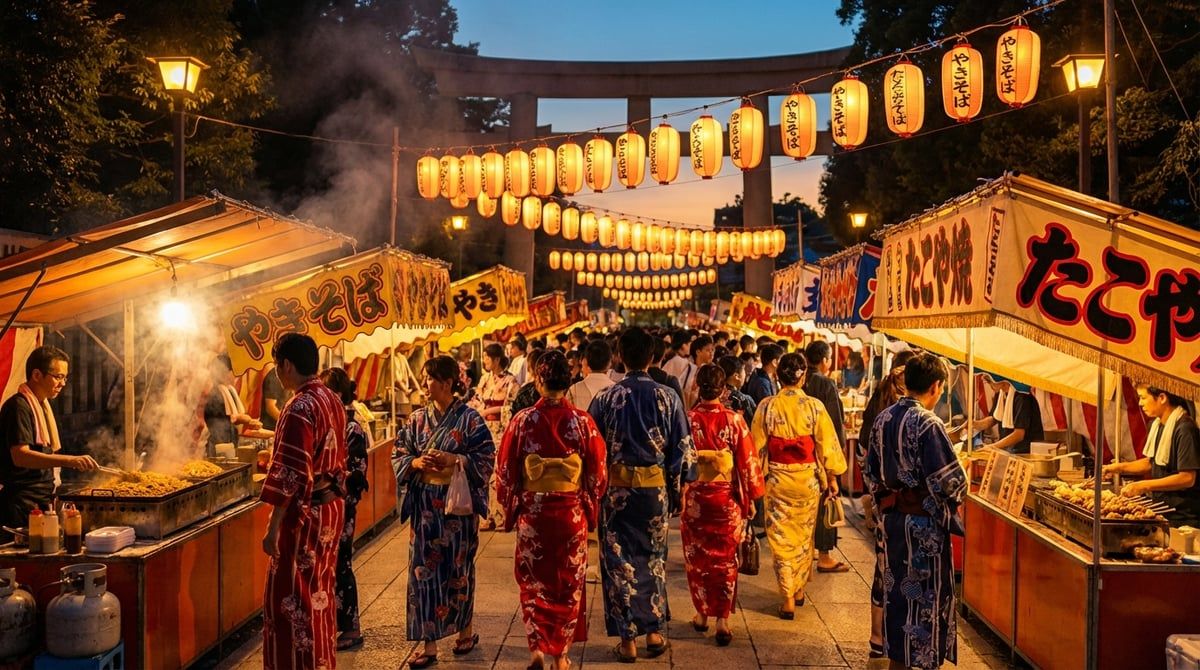 Image for illustrative purposes only.
- Gion Matsuri (Kyoto, all July) — The grand parade on July 17 features 23 towering yamahoko floats. Read our Gion Matsuri guide for tips on viewing spots.
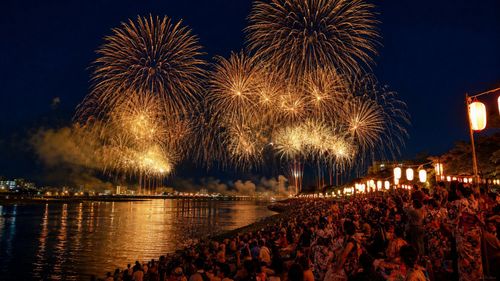
- Tenjin Matsuri (Osaka, Jul 24-25) — A river procession of illuminated boats followed by a fireworks finale over the Okawa River. One of Japan's top three festivals.
- Nebuta Matsuri (Aomori, Aug 2-7) — Enormous illuminated floats depicting warriors and mythical figures are paraded through the streets at night. See our Nebuta guide for details.
- Kanto Matsuri (Akita, Aug 3-6) — Performers balance 12-meter bamboo poles strung with dozens of lanterns. A feat of skill and tradition.
- Awa Odori (Tokushima, Aug 12-15) — Groups of dancers move through the city in coordinated formations. The saying goes: "It's a fool who dances and a fool who watches — so you might as well dance."
- Daimonji Gozan Okuribi (Kyoto, Aug 16) — Five giant bonfires are lit on the mountains surrounding Kyoto to send off the spirits of ancestors at the close of Obon.
Explore our complete Summer Festivals in Japan guide for more events including major fireworks displays.
Autumn Festivals (September - November)
As the heat fades and the leaves begin to turn, autumn festivals tend to celebrate harvests, history, and the arts. Crowds are smaller than summer, making these events a great option for travelers who prefer a calmer pace.
- Kishiwada Danjiri (Osaka, mid-Sep) — Teams of hundreds sprint through narrow streets pulling massive wooden floats at dangerous speeds. The sharp corner turns are the highlight.
- Jidai Matsuri (Kyoto, Oct 22) — A parade of two thousand participants dressed in costumes spanning over a thousand years of Japanese history, from the Heian period to the Meiji era.
- Nagasaki Kunchi (Oct 7-9) — A festival reflecting Nagasaki's multicultural heritage, featuring Chinese dragon dances and Dutch-influenced performances.
See our Autumn Festivals in Japan guide for additional events and autumn foliage pairings.
Winter Festivals (December - February)
Winter festivals in Japan transform cold nights into something magical. Snow and ice become artistic canvases in the north, while fire rituals mark the close and opening of the year elsewhere.
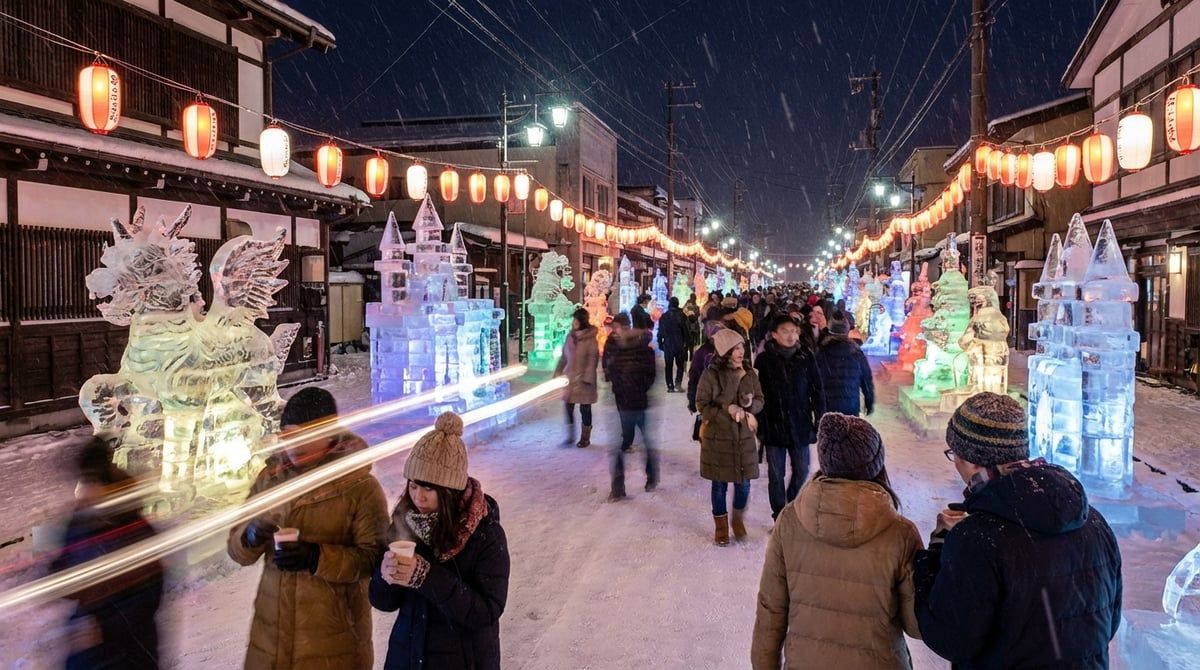 Image for illustrative purposes only.
- Chichibu Night Festival (Saitama, Dec 2-3) — One of Japan's top three float festivals. Fireworks explode against the winter sky while illuminated floats are hauled up a steep slope.
- Namahage (Akita, Dec 31) — Men wearing fearsome demon masks and straw capes go door-to-door in a ritual meant to ward off laziness and bad behavior. A UNESCO Intangible Cultural Heritage event.
- Sapporo Snow Festival (early Feb) — Around two hundred snow and ice sculptures, some the size of buildings, line Odori Park and the Susukino entertainment district.
- Yokote Kamakura Festival (Feb 15-16) — Hundreds of snow domes (kamakura) are built throughout the city and lit from inside with candles, creating a gentle, photogenic glow.
Our Winter Festivals in Japan guide covers these and other cold-season events in detail.
How to Plan Around Festival Dates
Book early. Major festivals like Gion Matsuri and Nebuta fill up hotels weeks or months in advance. For peak events in July and August, booking three to six months ahead is not overkill.
Expect crowds. The biggest festivals attract one to three million visitors over just a few days. Arrive early to secure a good viewing spot, and plan your transport in advance — trains near festival venues can be packed.
Check for date shifts. Some festivals follow the lunar calendar or fall on specific days of the week, so exact dates change each year. Our Japan Festivals 2026 page tracks confirmed dates for the current year.
Combine with sightseeing. Many festival cities — Kyoto, Osaka, Aomori, Takayama — are major destinations in their own right. Build a few extra days into your itinerary to explore beyond the festival itself.
Pack for the weather. Summer festivals mean heat and humidity; bring water and a towel. Winter festivals in Hokkaido and Tohoku mean sub-zero temperatures; dress in layers.
For more practical advice on attending Japanese festivals, check our Japan Festival Tips guide.
Frequently Asked Questions
What is a matsuri in Japan?
Matsuri are traditional Japanese festivals, with hundreds held throughout the year across the country. These celebrations range from ancient religious ceremonies to vibrant modern parades.
When is the best time to experience festivals in Japan?
Summer is peak festival season with many major events, but Japan hosts hundreds of matsuri throughout the year, offering unique experiences in every season from spring cherry blossoms to winter snow sculptures. Each season offers distinct types of celebrations.
What are some of Japan's most famous festivals?
Some of Japan's most famous festivals include Kyoto's Gion Matsuri, Osaka's Tenjin Matsuri, Aomori's Nebuta Matsuri, and the Sapporo Snow Festival. Tokyo also hosts major events like Sanja Matsuri and Kanda Matsuri.
What kind of festivals can I find in winter?
Winter festivals often feature impressive snow and ice sculptures, like the Sapporo Snow Festival, or unique fire rituals and illuminated events. Examples include the Yokote Kamakura Festival with its snow igloos and the Chichibu Night Festival with fireworks.
Where can I find the exact dates for Japanese festivals this year?
For the exact dates of festivals for the current year, you should refer to a dedicated guide like "Japan Festivals 2026" mentioned in the article. This article provides a general calendar by season.
What is the Gion Matsuri known for?
The Gion Matsuri in Kyoto is Japan's most famous festival, renowned for its grand parade on July 17th featuring 23 towering yamahoko floats. The festival takes place throughout the entire month of July.
Explore More Festival Guides
Continue your Japan festival journey with these related guides: