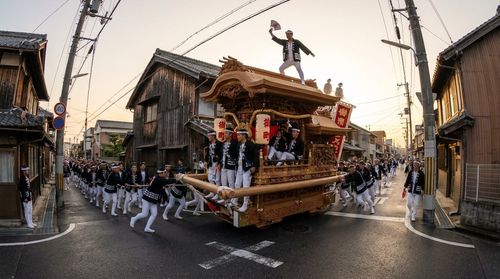
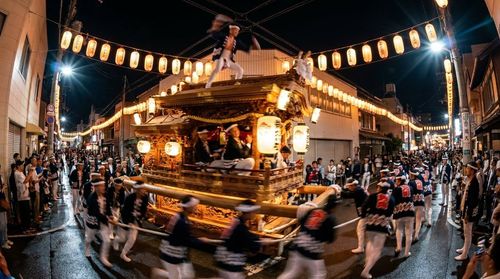
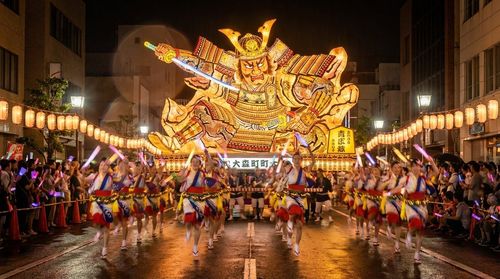
Japan's winters glow with festivals — Sapporo's snow sculptures, fire rituals, kamakura snow huts, and millions of illumination lights.
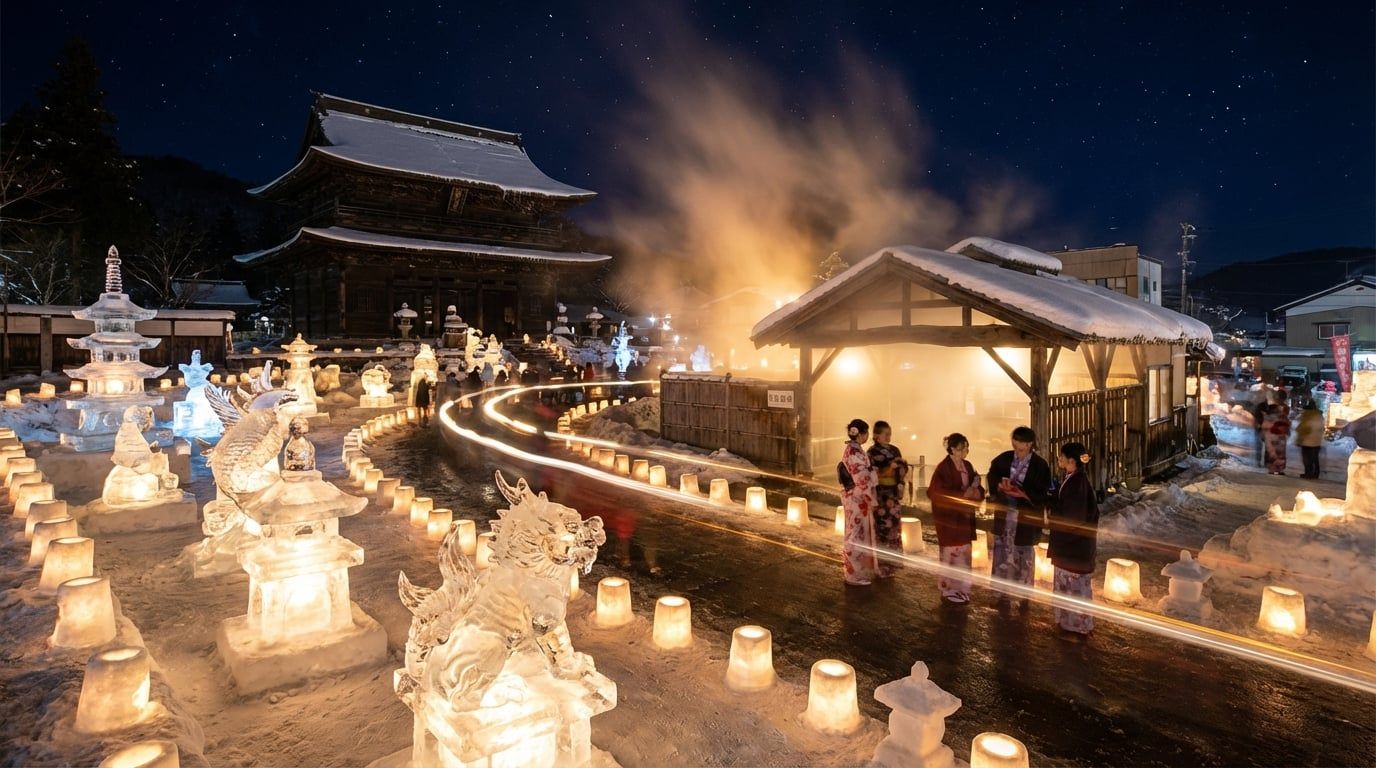 Image for illustrative purposes only.
Winter transforms Japan into a world of snow, fire, and light. While many visitors assume the cold months are a quiet time, Japan's winter festival season is packed with events that rank among the country's most spectacular. Enormous snow sculptures tower over visitors in Sapporo, blazing torches are hurled through the night sky in mountain villages, and millions of illumination lights turn cities into glittering wonderlands. If you can handle the cold, winter may be the most visually dramatic season to experience Japanese festivals.
Here is your guide to the best winter festivals across Japan — from December's fire festivals to February's snow celebrations.
December: Fire and Year-End Traditions
Chichibu Night Festival — December 2-3, Saitama
The winter festival season opens with one of Japan's most powerful events. Chichibu Night Festival sends six massive floats — the largest weighing 20 tons — through the city streets before hauling them up a steep hill by rope and sheer human effort. The spectacle unfolds beneath a two-hour fireworks display, one of the few major hanabi shows held in winter. Taiko drums pound, festival chants echo off the cold night air, and the combination of fire, fireworks, and physical intensity makes this a visceral experience. It is about two hours from Tokyo's Ikebukuro station on the Seibu line, making it a realistic day trip even in December.
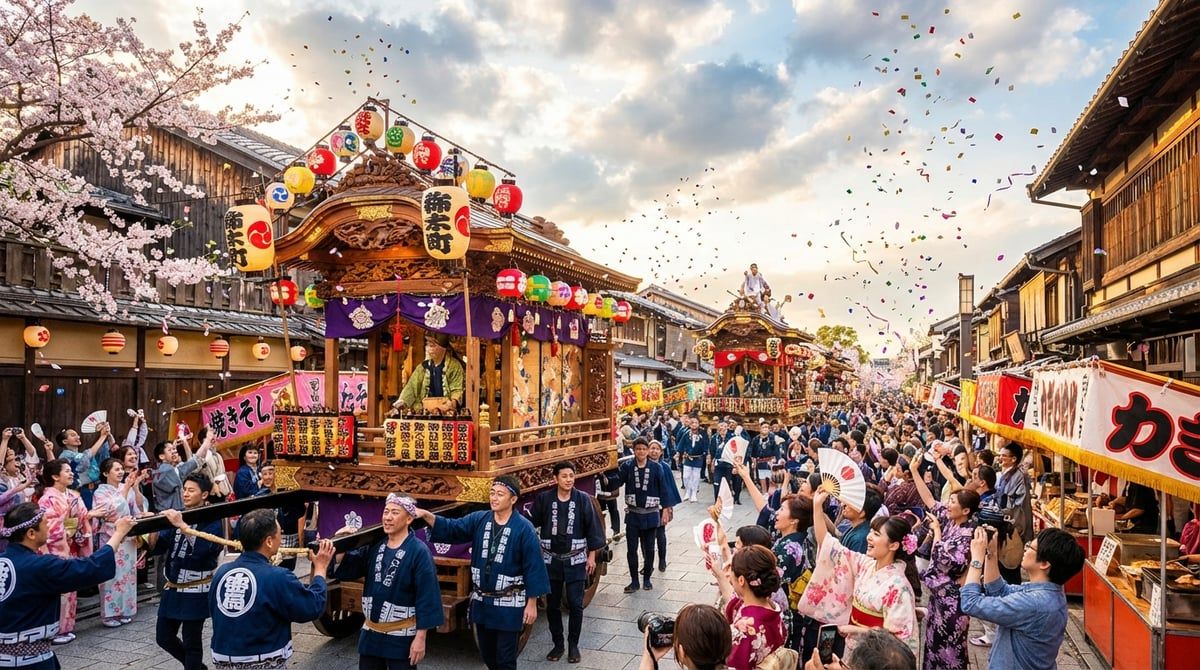 Image for illustrative purposes only.
Winter Illuminations — December to February, Nationwide
Japan takes winter illuminations seriously. Millions of LED lights transform parks, shopping streets, and botanical gardens across the country. Some of the most famous include:
- Nabana no Sato (Mie Prefecture) — One of Japan's largest illumination events, featuring a massive tunnel of lights and annually changing themed displays. Running from October through May, it peaks during winter.
- Kobe Luminarie (Hyogo) — Originally created to commemorate the 1995 earthquake, this December event features stunning Italian-designed archways of light along Kobe's central streets.
- Shibuya and Marunouchi (Tokyo) — Central Tokyo districts compete with elegant streetside illuminations through the holiday season.
These are not traditional matsuri, but they have become an essential part of Japan's winter cultural calendar and draw enormous crowds.
January: New Year and Ancient Flames
Hatsumode — January 1-3, Nationwide
The new year begins with hatsumode — the first shrine or temple visit of the year. Millions of Japanese people bundle up and head to their local shrine (or a famous one) to pray for good fortune, buy new omamori (protective charms), and drink amazake (sweet rice drink) at stalls near the entrance. Major shrines like Meiji Jingu in Tokyo, Fushimi Inari in Kyoto, and Sumiyoshi Taisha in Osaka see millions of visitors in just three days. The atmosphere is festive and hopeful — a wonderful way to start the year alongside locals.
Toka Ebisu — January 9-11, Osaka
Osaka's Imamiya Ebisu Shrine hosts one of the liveliest winter festivals in western Japan. Toka Ebisu celebrates Ebisu, the god of business prosperity, and draws over a million visitors — mostly local business owners and workers — who come to buy fuku-zasa (lucky bamboo branches) decorated with good-fortune charms. The shrine approach is lined with food stalls, and the energy is surprisingly lively for a cold January night. Miko (shrine maidens) attach lucky ornaments to your bamboo branch as you pass through. This is a deeply Osaka experience — commercial, cheerful, and communal.
Nozawa Onsen Fire Festival (Dosojin Matsuri) — January 15, Nagano
In the snow-covered hot spring village of Nozawa Onsen, one of Japan's most primal festivals takes place each January 15. Village men aged 25 and 42 (considered unlucky ages in Japanese tradition) defend a massive wooden shrine structure while other villagers attempt to set it ablaze with torches. The result is a chaotic, beautiful battle of fire and snow that has been performed for hundreds of years. The heat from the blaze is intense enough to feel from a distance, and the contrast of flames against deep snow is extraordinary. After the festival, the village's free outdoor onsen are the perfect place to warm up.
February: Snow, Ice, and Light
Sapporo Snow Festival (Yuki Matsuri) — Early February, Hokkaido
Sapporo Snow Festival is Japan's most famous winter event and one of the world's great snow festivals. Over 200 snow and ice sculptures line Odori Park in central Sapporo, ranging from intricate small carvings to building-sized creations that take military teams weeks to construct. The Susukino ice sculpture site features transparent ice works illuminated from within, while the Tsudome site offers snow slides and family activities. The festival draws over two million visitors in just one week, so book Hokkaido accommodation well in advance.
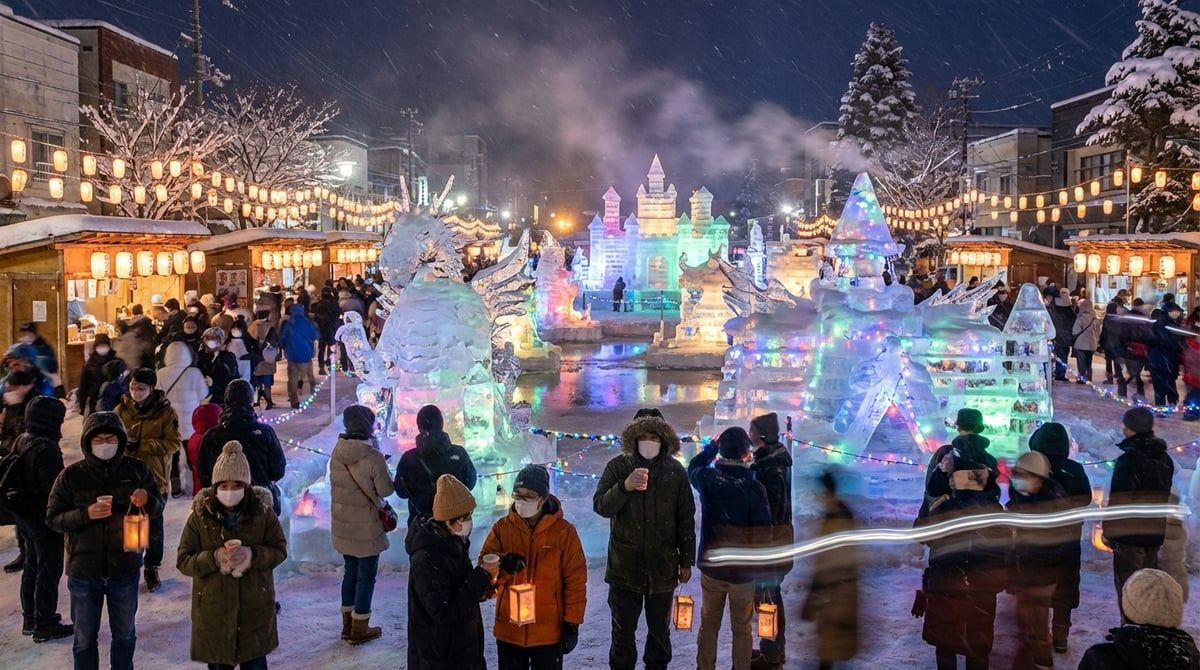 Image for illustrative purposes only.
Tip: Visit at night when the sculptures are illuminated — the lighting transforms them completely.
Otaru Snow Light Path — Mid-February, Hokkaido
Just 40 minutes from Sapporo by train, Otaru offers a gentler, more romantic counterpart to the Snow Festival. Hundreds of snow lanterns and candles line the banks of the Otaru Canal and the old railway path, casting a warm glow across the snow. The scale is smaller than Sapporo, but the atmosphere is intimate and beautiful. Many visitors combine the two festivals in a single Hokkaido trip — Sapporo for spectacle, Otaru for quiet magic.
Yokote Kamakura Festival — February 15-16, Akita
In the heavy-snow region of Yokote, hundreds of kamakura (dome-shaped snow huts about two meters tall) are built throughout the city. Inside each one, a small altar is set up to honor the water deity, and children invite passersby to come inside for amazake and mochi. Sitting inside a glowing kamakura while snow falls softly outside is one of winter Japan's most charming experiences. The riverside mini-kamakura display — dozens of tiny snow huts lit by candles along the water — is especially photogenic.
Practical Tips for Winter Festivals
Staying warm: Layers are essential. Thermal underwear, hand warmers (kairo, sold at every convenience store), and waterproof boots will make outdoor festivals far more enjoyable. Night events like Chichibu and Sapporo can be bitterly cold — dress for standing still in freezing temperatures.
Getting around: Trains run reliably even in heavy snow, though delays are possible in Hokkaido and Tohoku during storms. Sapporo's subway connects the Snow Festival sites efficiently. For Nozawa Onsen, take the shinkansen to Iiyama and a bus from there.
Accommodation: Sapporo hotels sell out months before the Snow Festival. Consider staying in nearby Otaru or booking as early as possible. For Nozawa Onsen, traditional ryokan with onsen are the way to go.
Festival food: Winter stalls serve warming specialties — oden (simmered fish cakes and daikon), ramen, nikuman (steamed pork buns), and grilled mochi. In Sapporo, do not miss the soup curry and fresh seafood.
Photography: Cold weather drains batteries fast. Carry spares in an inside pocket close to your body. Snow festivals photograph best at twilight, when natural and artificial light balance beautifully.
Plan Your Winter Festival Trip
Winter in Japan rewards those who embrace the cold. The festival calendar runs from December through February with barely a pause, and you can combine snow festivals in Hokkaido with illuminations in Tokyo or fire festivals in the Japanese Alps. Check our Japan festival calendar for exact dates and the 2026 festival schedule for this year's confirmed events. Bundle up, bring your camera, and discover a side of Japan that most visitors never see.
 Image for illustrative purposes only.
Frequently Asked Questions
What types of festivals are held in Japan during winter?
Japan's winter festival season features a diverse range of events, including massive snow and ice sculpture displays, ancient fire rituals, dazzling city-wide illuminations, and traditional New Year celebrations. These events transform the country into a visually dramatic experience.
When do Japan's main winter festivals take place?
The winter festival season generally runs from December through February. December features fire festivals and year-end traditions, January includes New Year events and ancient flames, and February is dominated by snow and ice celebrations.
What are some of the most famous winter festivals in Japan?
Among Japan's most famous winter festivals are the Sapporo Snow Festival in Hokkaido, the Chichibu Night Festival in Saitama, and the Nozawa Onsen Fire Festival in Nagano. Major cities also host impressive winter illumination events.
How should I prepare for the cold weather at winter festivals?
Layers are essential for staying warm, including thermal underwear, hand warmers (kairo), and waterproof boots. For night events like Chichibu and Sapporo, dress for standing still in freezing temperatures.
Can I visit the Sapporo Snow Festival and other nearby events?
Yes, many visitors combine the Sapporo Snow Festival with the Otaru Snow Light Path, which is just 40 minutes away by train. Otaru offers a gentler, more romantic atmosphere with snow lanterns and candles.
Explore More Festival Guides
Continue your Japan festival journey with these related guides: