The ultimate 10-day Japan festival itinerary for summer 2026 — Tokyo to Osaka to Tohoku, hitting Gion Matsuri, Tenjin Matsuri, and Nebuta. Dates, budget, and booking tips.
Quick Overview
| Day | Date | City | Festival / Highlight |
|---|---|---|---|
| 1 | Jul 14 (Tue) | Kyoto | Gion Matsuri Yoiyama (eve festival) |
| 2 | Jul 15 (Wed) | Kyoto | Gion Matsuri Yoiyama + Kyoto temples |
| 3 | Jul 16 (Thu) | Kyoto | Gion Matsuri Yoiyama (peak eve) |
| 4 | Jul 17 (Fri) | Kyoto | Yamaboko Junko float parade |
| 5 | Jul 18 (Sat) | Osaka | Travel day + Osaka street food |
| 6 | Jul 24 (Thu) | Osaka | Tenjin Matsuri land procession |
| 7 | Jul 25 (Fri) | Osaka | Tenjin Matsuri boat parade + fireworks |
| 8 | Aug 2 (Sat) | Aomori | Travel + Nebuta Matsuri eve |
| 9 | Aug 3 (Sun) | Aomori | Nebuta Matsuri (full night parade) |
| 10 | Aug 4 (Mon) | Aomori/Tokyo | Nebuta finale + return |
Total budget estimate: $2,500-3,500 per person (flights not included)
Planning a trip to Japan in summer 2026? You have picked the best possible season. July and August are when Japan's legendary matsuri explode across the country -- massive floats, thundering drums, river fireworks, and entire cities dancing in the streets.
This 10-day itinerary chains together three of Japan's greatest festivals into one unforgettable trip. You will see Kyoto's ancient Gion Matsuri, Osaka's spectacular Tenjin Matsuri, and Aomori's jaw-dropping Nebuta -- with free days in between to explore each city at your own pace.
Before You Go: What to Book Now
Summer festival season is peak tourism in Japan. Book these as soon as possible:
- JR Pass (14-day): Covers all shinkansen between cities. Buy online before departure. About $380.
- Kyoto accommodation (Jul 13-18): Hotels near Shijo-Karasuma sell out months early for Gion Matsuri. Book a guesthouse in Higashiyama if central hotels are full.
- Osaka accommodation (Jul 18-27): Stay in Tennoji for a local neighborhood feel with easy train access everywhere. Budget option: Airbnb in the Tennoji area.
- Aomori accommodation (Aug 1-4): Limited hotels -- consider nearby Hirosaki or Hachinohe if Aomori city is sold out.
- Pocket WiFi or eSIM: Essential for navigation. Our connectivity guide has the best options.
Days 1-4: Kyoto — Gion Matsuri
Day 1 (Jul 14): Arrival + Yoiyama Eve Festival
Fly into Kansai International Airport (KIX) or take the shinkansen from Tokyo. Head straight to Kyoto and check in.
Evening: Walk to the Shijo-Karasuma area for Yoiyama -- the three-night eve festival leading up to the main parade. The streets close to traffic and massive yamaboko floats are displayed along Shijo-dori and side streets, draped in centuries-old tapestries and lit by paper lanterns. Street food stalls line every block.
- What to eat: Chimaki (sweet rice dumplings wrapped in bamboo), yakitori, and kakigori (shaved ice)
- When: Stalls open around 6 PM, best atmosphere 7-10 PM
- Tip: Some floats offer paid climbs ($3-5) -- Naginata Boko and Tsuki Boko are the most popular
Day 2 (Jul 15): Temples by Day, Yoiyama by Night
Morning: Beat the crowds at Fushimi Inari Shrine (go before 8 AM for empty torii gates). Or visit Kinkaku-ji (Golden Pavilion) in the morning light.
Afternoon: Rest at your hotel -- you will need energy for tonight.
Evening: Yoiyama continues. Tonight, explore the southern floats (Shin-machi area) which are less crowded than the main Shijo strip.
Day 3 (Jul 16): Peak Yoiyama + Gion District
Daytime: Explore the Gion district -- geisha spotting on Hanamikoji Street, Yasaka Shrine, and the stone-paved lanes of Ninenzaka.
Evening: Final and most atmospheric Yoiyama night. The crowd energy peaks tonight as Kyoto anticipates tomorrow's grand parade. Live music echoes from floats, families in yukata fill every street, and the city feels electric.
Day 4 (Jul 17): The Grand Parade — Yamaboko Junko
Early morning (7-8 AM): Secure your viewing spot along Shijo-dori or Oike-dori. Free standing areas fill by 7:30 AM. Paid seating is available ($30-50) and worth it for guaranteed views.
9:00 AM: The Yamaboko Junko begins. 23 massive floats -- some over 25 meters tall and weighing 12 tons -- are pulled through the streets by teams of men in traditional happi coats. The highlight is the tsujimawashi: floats are rotated 90 degrees at intersections on bamboo rails -- a feat of engineering and teamwork that makes the crowd gasp every time.
Afternoon: The parade ends around noon. Rest, then explore Nishiki Market for lunch.
- Budget: Free parade viewing / $30-50 for reserved seats
- Access: Shijo Station or Karasuma-Oike Station
- More details: Complete Gion Matsuri guide
Day 5 (Jul 18): Kyoto to Osaka
Morning: Shinkansen or JR Special Rapid from Kyoto to Osaka (30-50 min, covered by JR Pass).
Check into your Osaka accommodation. We recommend Tennoji -- a historic neighborhood with incredible street food, the ancient Shitennoji Temple, and direct train access to everywhere in the Kansai region.
Afternoon: Explore Shinsekai and grab kushikatsu (fried skewers -- the local specialty). Walk through the neon-lit streets and soak up Osaka's energy.
Evening: Head to Dotonbori for takoyaki, okonomiyaki, and the famous Glico Running Man sign.
Free Days (Jul 19-23): Explore Osaka
You have five free days before Tenjin Matsuri. Use them to:
- Day trip to Nara (45 min) -- friendly deer and the massive Todai-ji Buddha
- Explore Osaka's food scene -- from ramen to street food
- Visit Osaka Castle and the surrounding park
- Take a day trip to Kobe (20 min by train) for harbor views and Kobe beef
- Rest and recharge for the next festival
Days 6-7: Osaka — Tenjin Matsuri
Day 6 (Jul 24): Land Procession
Morning: Visit Osaka Tenmangu Shrine where the festival originates. The shrine grounds are packed with food stalls and the atmosphere is building.
Afternoon (3:30 PM): The Rikutogyo (land procession) begins. 3,000 participants in period costumes march from Tenmangu Shrine through the streets of Kita, accompanied by oxcarts, mikoshi, and musicians. Follow the procession toward the river.
- Viewing: Line up along Tenjinbashi-suji (Japan's longest shopping street) for front-row views
- Access: Minami-morimachi Station or Osaka-Tenmangu Station
Day 7 (Jul 25): Boat Parade + Fireworks
This is the main event and one of Japan's top three festival days.
Evening (6 PM): The Funatogyo (boat procession) launches on the Okawa River. Over 100 illuminated boats carry shrine priests, musicians, and performers upriver. The reflections on the water are stunning.
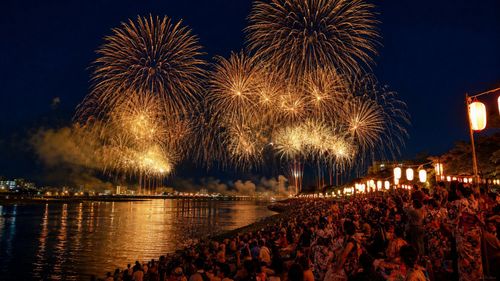
Night (7:30-8:30 PM): The fireworks begin. Around 5,000 fireworks explode over the river while the boats pass below -- the combination of fire on water is what makes Tenjin Matsuri unique in all of Japan.
- Best viewing: Tenmabashi Bridge area (free, arrive by 5 PM) or paid riverside seats
- Budget: Free / $20-40 for reserved riverside spots
- More details: Complete Tenjin Matsuri guide
Free Days (Jul 26 - Aug 1): Osaka Adventures
Another free stretch before heading north. Ideas:
- Explore Tennoji's late-night food scene
- Day trip to Mount Koya (2 hours) -- stay overnight in a Buddhist temple
- Visit the Expo 2025 legacy site in Konohana
- Shop in Shinsaibashi and Amerikamura
Days 8-10: Aomori — Nebuta Matsuri
Getting There
Aug 1 or early Aug 2: Take the Tohoku Shinkansen from Osaka/Tokyo to Shin-Aomori (Tokyo to Shin-Aomori: 3 hours, covered by JR Pass). Then a local train to Aomori Station (6 min).
This is a major journey (Osaka to Aomori: ~6 hours via Tokyo), so plan a full travel day or break the trip with a night in Tokyo.
Day 8 (Aug 2): Nebuta Matsuri Begins
Evening (7:10 PM): The festival opens. Enormous illuminated floats depicting fierce samurai warriors and mythical creatures -- some the size of a house -- are wheeled through the streets. Haneto dancers in colorful costumes leap and chant "Rassera! Rassera!" around each float.
- Join the dance: Anyone can participate as a haneto dancer. Rent a costume ($25-30) from shops near the station and jump into the procession. No experience needed.
- Route: The parade loops through central Aomori (about 3 km)
Day 9 (Aug 3): Full Nebuta Experience
Daytime: Visit the Nebuta Museum (Wa Rasse) to see retired floats up close and learn how they are built -- each takes a team of craftspeople months to create.
Evening: Tonight's parade is the largest. Arrive by 6 PM for a good spot along Shinmachi-dori. The energy is incredible -- drums thundering, floats glowing, thousands of haneto leaping in unison.
- More details: Complete Nebuta guide
Day 10 (Aug 4): Finale + Departure
Morning: The final Nebuta parade happens during the day (a rare daytime procession). The winning float is selected and paraded through the city.
Afternoon: If extending your trip, the floats are loaded onto boats for a harbor parade at dusk -- a magical farewell. Otherwise, catch the shinkansen back to Tokyo for your flight home.
Budget Breakdown
| Category | Estimated Cost |
|---|---|
| JR Pass (14-day) | $380 |
| Accommodation (10 nights) | $800-1,500 |
| Food | $400-600 |
| Festival extras (costumes, seats, souvenirs) | $100-200 |
| Local transport (subway, bus) | $50-80 |
| Activities & admission | $100-150 |
| Total (per person, excl. flights) | $1,830-2,910 |
Money-saving tips:
- How to pay in Japan: bring cash for festival stalls, IC cards for trains
- Konbini (convenience stores) have excellent cheap meals -- our konbini guide covers the best options
- Overnight buses between cities save on both hotel nights and transport costs
Packing for Festival Season
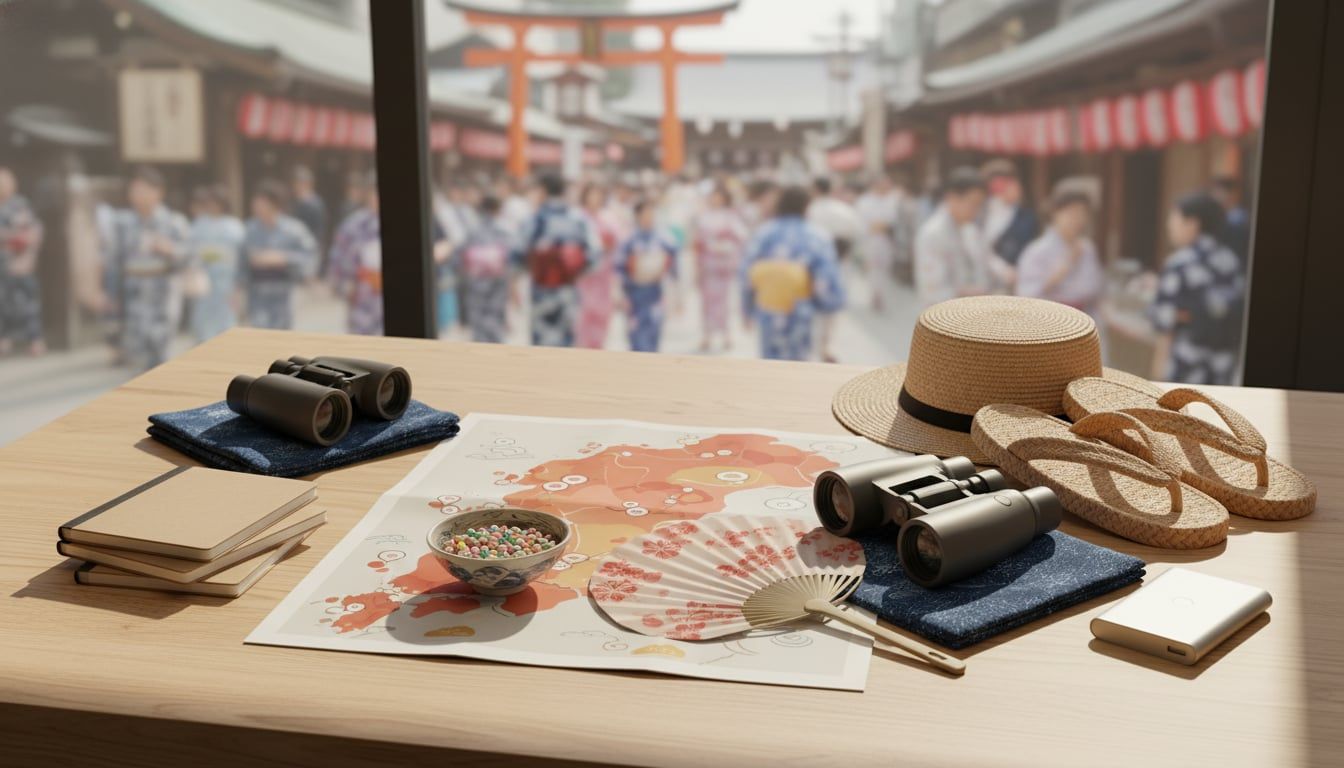
Japan in July-August is hot and humid (30-35°C / 86-95°F). Pack:
- Light, breathable clothing
- A small towel (Japanese style -- you will see locals carrying them everywhere)
- Sunscreen and a hat
- Portable fan or cooling towel
- Cash in small bills for food stalls
- A small backpack -- you will be on your feet for hours
For detailed summer survival tips, see our Japan Summer Survival Guide.
Frequently Asked Questions
Can I see multiple festivals in one trip?
Yes -- that is exactly what this itinerary does. Gion Matsuri (Jul 14-17), Tenjin Matsuri (Jul 24-25), and Nebuta Matsuri (Aug 2-7) are spaced perfectly for a 3-week trip. Even a 10-day trip can catch all three.
Do I need to speak Japanese at festivals?
Not at all. Festivals are visual, physical experiences. Locals are welcoming and will often help you with gestures. Learning a few basic phrases will make the experience even richer.
Is it safe to travel alone to Japanese festivals?
Japan is one of the safest countries in the world for solo travelers. Festival crowds are dense but orderly, and the atmosphere is family-friendly even late at night.
What if it rains?
Festivals generally happen rain or shine. Bring a small umbrella or rain poncho. Some events (mainly fireworks) may be postponed for typhoons -- check local announcements the day of.