Tenjin Matsuri 2026: Dates, Fireworks, Boat Parade & Complete Osaka Festival Guide
July 15, 2026
Complete Tenjin Matsuri 2026 guide — July 24-25 dates, 5,000 fireworks schedule, best viewing spots for the boat procession, and insider tips.
Image for illustrative purposes only.
A Thousand Lanterns on the Water
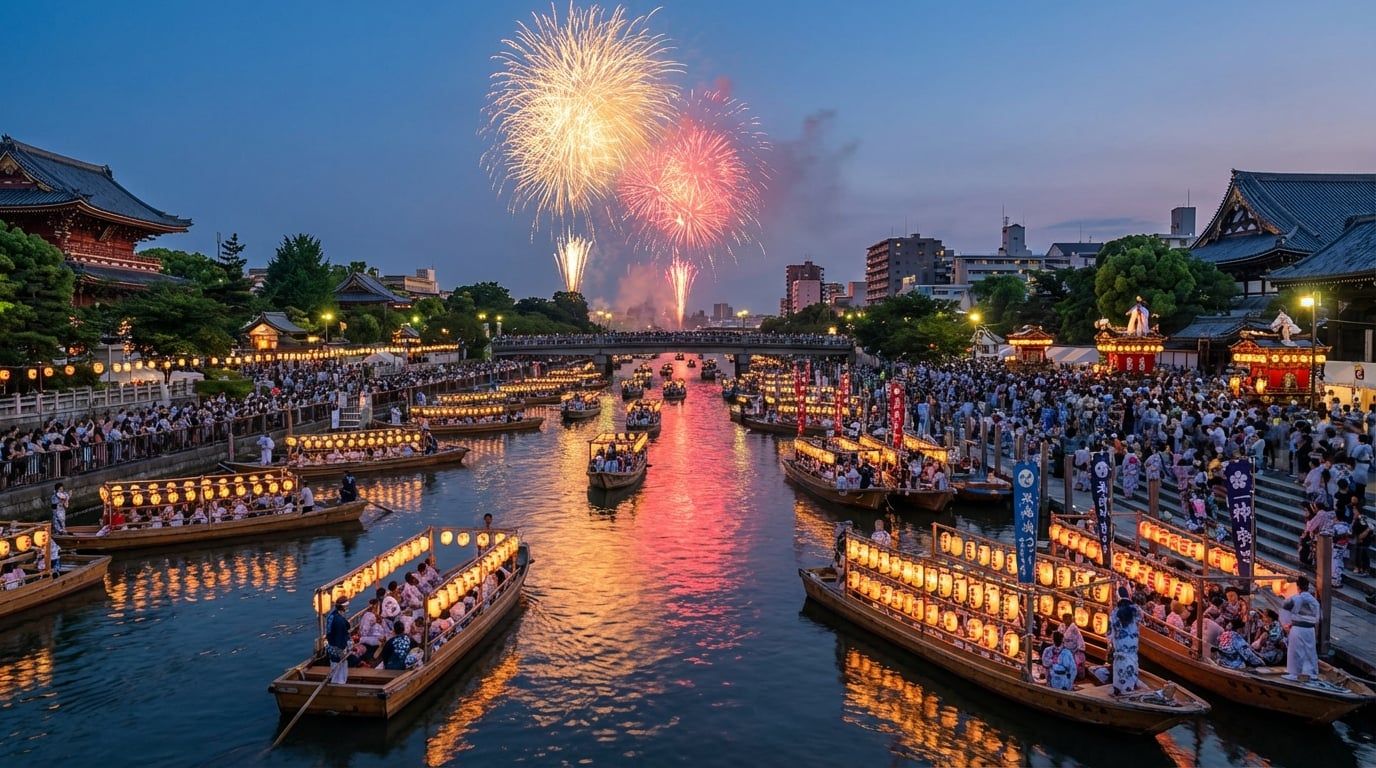
The sun sinks behind Osaka's skyline and the Okawa River transforms. More than 100 boats — draped in lanterns, carrying shrine priests, musicians, and dancers — glide downstream in slow procession while taiko drums echo off the water. Then the sky erupts. Five thousand fireworks bloom overhead, their reflections doubling on the river's surface, and 1.3 million spectators lining both banks gasp in unison. This is Tenjin Matsuri, one of Japan's three greatest festivals and the beating heart of Osaka's summer.
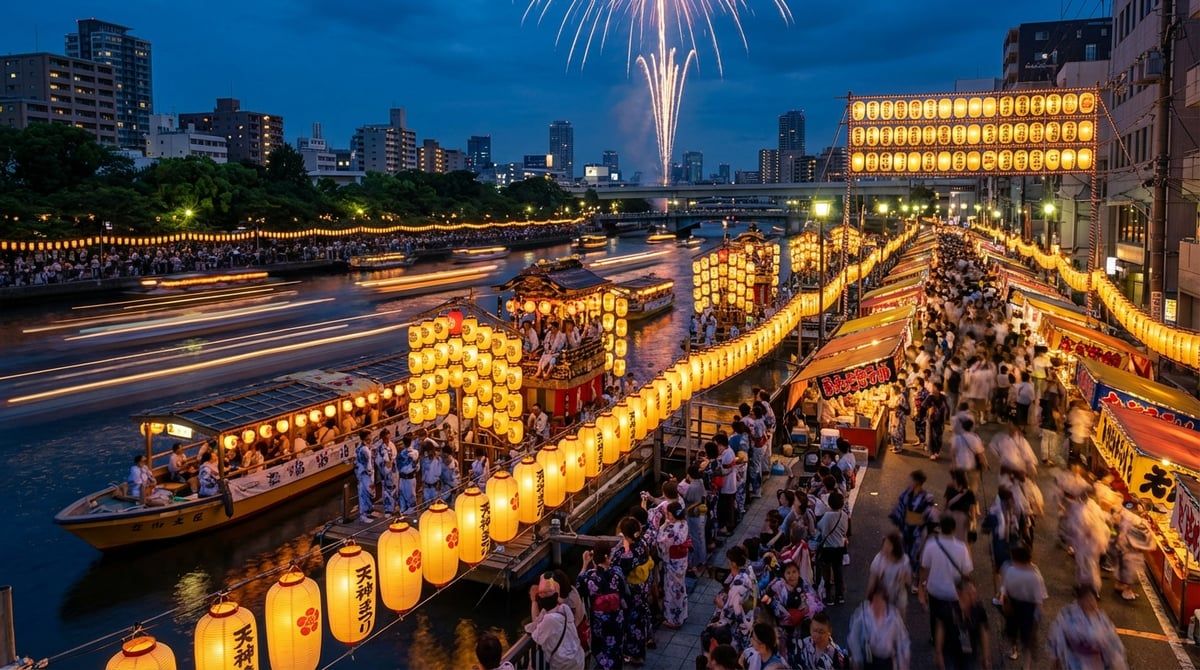 Image for illustrative purposes only.
Held every year on July 24-25, Tenjin Matsuri has been honoring the patron deity of Osaka Tenmangu Shrine for over a thousand years. It is loud, crowded, sweltering, and absolutely magnificent. If you're anywhere near Osaka in late July 2026, clear your schedule.
A Festival Born in 951 AD
Tenjin Matsuri honors Sugawara no Michizane (845-903), a brilliant scholar and politician who was exiled from Kyoto through court intrigue and died in despair. After his death, a series of plagues and disasters struck the capital, and the terrified court enshrined him as Tenjin — the god of learning and literature — to appease his spirit. Osaka Tenmangu Shrine was founded in 949, and just two years later the first Tenjin Matsuri took place when a sacred halberd was floated down the river and a ceremony was held wherever it came to rest.
Over the centuries, the festival grew from a humble purification rite into Osaka's grandest civic celebration. Wealthy merchants competed to build more elaborate boats. Procession costumes became more dazzling. The fireworks grew bigger. Today, Tenjin Matsuri stands alongside Kyoto's Gion Matsuri and Tokyo's Kanda Matsuri as one of Japan's top three festivals — and many Osakans will tell you theirs is the best.
Day 1: Yomiya (July 24) — The Calm Before the Storm
The first day is known as Yomiya, the eve of the main event. Don't skip it — this is when you experience the sacred side of Tenjin Matsuri without the crushing crowds of Day 2.
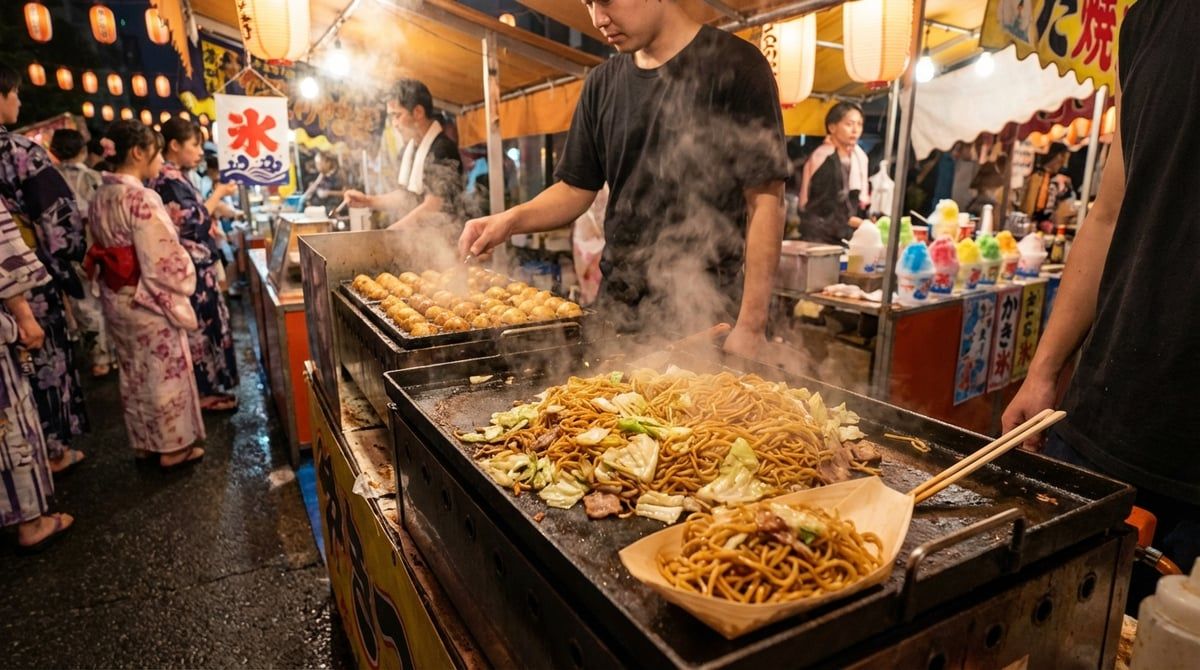 Image for illustrative purposes only.
Head to Osaka Tenmangu Shrine in the morning, where priests perform rituals to purify the mikoshi (portable shrines) and prepare them for the next day's journey. The atmosphere inside the shrine grounds is reverent and focused, a striking contrast to the festival chaos about to unfold.
As afternoon turns to evening, the streets around the shrine begin to fill with yatai food stalls. Yakitori smoke drifts through the summer air, kakigori (shaved ice) vendors do brisk business, and the sound of festival drums starts to build. The Moyoshi Daiko (催太鼓) performance — massive drums mounted on a wooden platform and carried through the streets — is the highlight of the evening, announcing to the city that the great festival has begun.
Use Yomiya to scout your viewing position for the next day. Walk the riverbanks, study the bridges, and note where the stalls are clustered. You'll thank yourself when Day 2 arrives.
Day 2: Honmiya (July 25) — The Main Event
This is the day that draws 1.3 million people. It unfolds in three distinct acts, each building on the last.
Morning: Osaka Tenmangu Shrine
Arrive early at the shrine for a moment of relative peace. By mid-morning, the grounds are packed with worshippers praying for success in studies and exams — Tenjin is, after all, the god of learning. Students rub the bronze ox statue near the entrance for good luck. The air smells of incense and grilled mochi.
Afternoon: Rikutogyo — The Land Procession
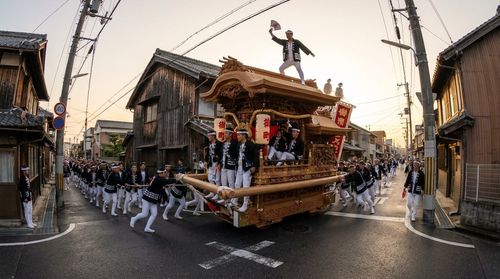
Starting around 3:30 PM, the Rikutogyo (陸渡御) launches from Tenmangu Shrine and winds through the streets of Kitaku toward the river. This is a moving museum of Osaka's history: over 3,000 participants dressed in Heian-period court costumes, Edo-era samurai armor, and shrine priest robes march in formal procession. Mikoshi sway on the shoulders of chanting bearers. Umbrella-topped floats called dashi roll past, accompanied by flute and drum musicians playing melodies unchanged for centuries.
The procession stretches for over a kilometer, and the sheer variety of costumes and performances keeps your eyes moving constantly. Find a spot along Tenjinbashi-suji (Japan's longest shopping street) for a front-row view as the procession passes.
Evening: Funatogyo — The Boat Procession
As the land procession reaches the Okawa River around 6:00 PM, the festival takes to the water. The Funatogyo (船渡御) is the iconic image of Tenjin Matsuri — over 100 boats lit with lanterns and paper decorations gliding upstream and downstream in ritualized formation. The lead boats carry the sacred mikoshi, while others hold musicians playing gagaku (ancient court music), dancers performing kagura, and guests in traditional dress.
The river becomes a corridor of light and sound. Drums roll across the water, voices rise in festival chants, and the warm evening air carries the smell of the river mixed with festival food from the stalls lining both banks. Thousands of people pack the riverside paths, many in colorful yukata, creating a scene that has barely changed in spirit since the Edo period.
Night: Honohanabi — The Sacred Fireworks
The climax arrives around 7:30 PM when the Honohanabi (奉納花火) — sacred fireworks offered to Tenjin — begin exploding over the Okawa River. Approximately 5,000 fireworks light up the sky over roughly 90 minutes, their colors reflecting off the water and the lantern-lit boats still moving below. The combination of the boat procession and fireworks happening simultaneously is what makes Tenjin Matsuri's finale unlike any other summer festival in Japan.
The noise is immense — taiko drums, fireworks detonations, and the roar of the crowd all competing. The heat is thick. Your feet hurt. And you won't want to be anywhere else.
Best Viewing Spots
Competition for riverbank space is fierce. Arrive early or pay for comfort.
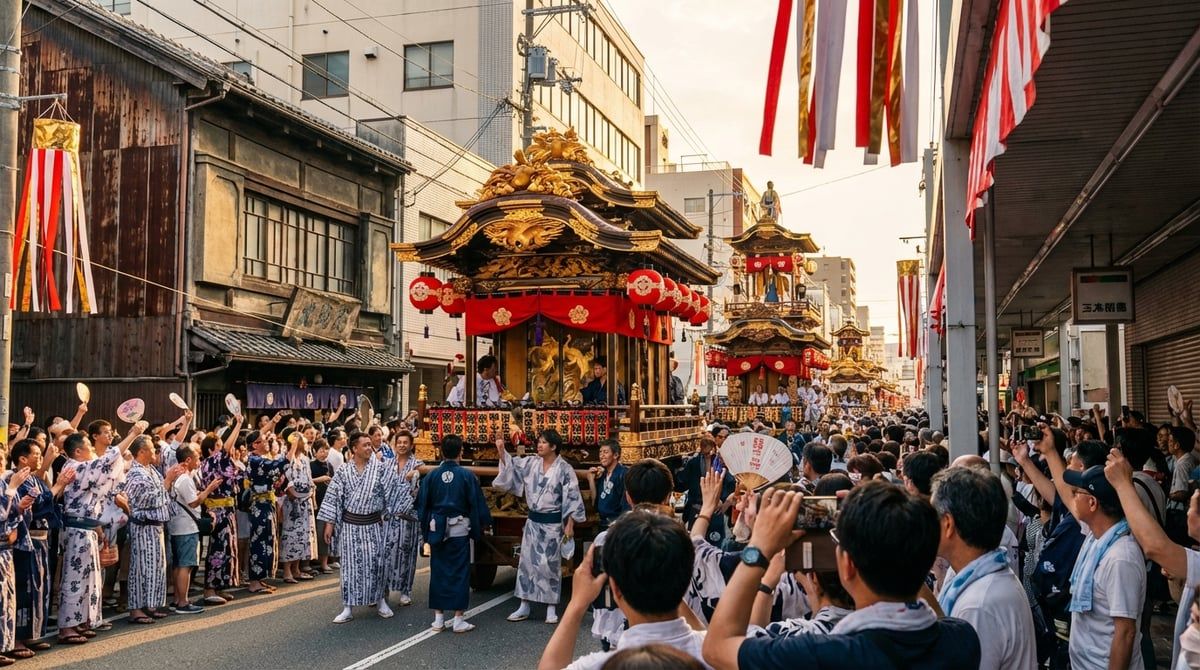 Image for illustrative purposes only.
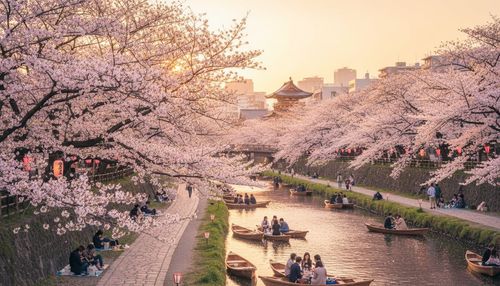
Sakuranomiya Park (east bank) — The most popular free viewing area. Offers wide-open sightlines to both the boat procession and fireworks. Arrive by 4:00 PM at the latest; by 5:00 PM you'll struggle to find a spot. Bring a sheet to claim your ground.
Tenmabashi Bridge — Standing room only but a dramatic vantage point directly over the river. You'll see boats passing beneath you. Gets extremely crowded; go early and be prepared to stand for hours.
OAP Tower area (north bank) — Slightly less crowded than Sakuranomiya, with good views of the fireworks. The wide promenade along the river here allows some breathing room.
Paid riverbank seating — Several sections along the Okawa offer ticketed seating areas (prices vary, typically announced in June). Check the official Tenjin Matsuri website for details. Worth considering if you want guaranteed seats.
Boat tickets — For the ultimate experience, you can board one of the spectator boats (from around 6,000 yen). Tickets sell out fast and are usually available through travel agencies and the shrine's official channels starting in early summer.
Food and Drink Along the River
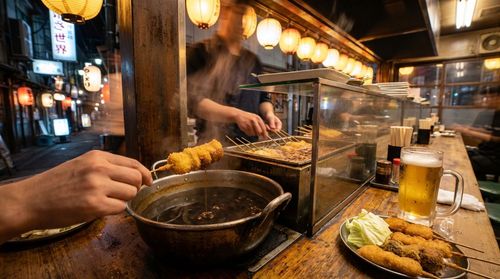
Tenjin Matsuri is an Osaka festival, which means the food game is strong. Hundreds of yatai stalls line the streets around Tenmangu Shrine and both riverbanks. Look for takoyaki (Osaka's signature octopus balls), ikayaki (grilled squid), okonomiyaki on a stick, yakisoba, and karaage (fried chicken). Beat the heat with kakigori or ramune soda.
Beer flows freely — Asahi Super Dry is the local choice, and you'll find stalls selling draft cups everywhere. For something more festive, look for stalls pouring umeshu (plum wine) on ice.
Eat before the fireworks start. Once the sky lights up, you won't want to leave your spot, and navigating the crowds to find food becomes a real challenge.
Getting There and Practical Tips
Nearest Stations:
- Temmabashi Station (Keihan Line / Tanimachi Metro Line) — closest to the shrine and river
- Minami-Morimachi Station (Sakaisuji Line / Tanimachi Line) — good alternative, slightly less crowded
Cost: The festival itself is free. Boat tickets start around 6,000 yen. Some riverbank areas offer paid seating.
What to bring: A hand towel (it's July in Osaka — expect 33-35 degrees C and brutal humidity), a portable fan, water, cash for food stalls (most yatai are cash only), and patience. Wear comfortable shoes; you'll be on your feet for hours.
What to wear: If you have a yukata, wear it — you'll fit right in and it's cooler than you'd think. Otherwise, light, breathable clothing.
Crowd strategy: The festival draws 1.3 million visitors over two days. Trains are packed from late afternoon onward. Consider arriving early and leaving late, or wait 30-60 minutes after the fireworks end before heading to the station. Check the July festivals calendar to plan around other events happening the same week.
For broader trip planning around Osaka's festival season, our Osaka festivals guide and 2026 festival schedule cover what else is happening throughout the year. You can also explore the full Japan festival calendar to build an itinerary around multiple celebrations.
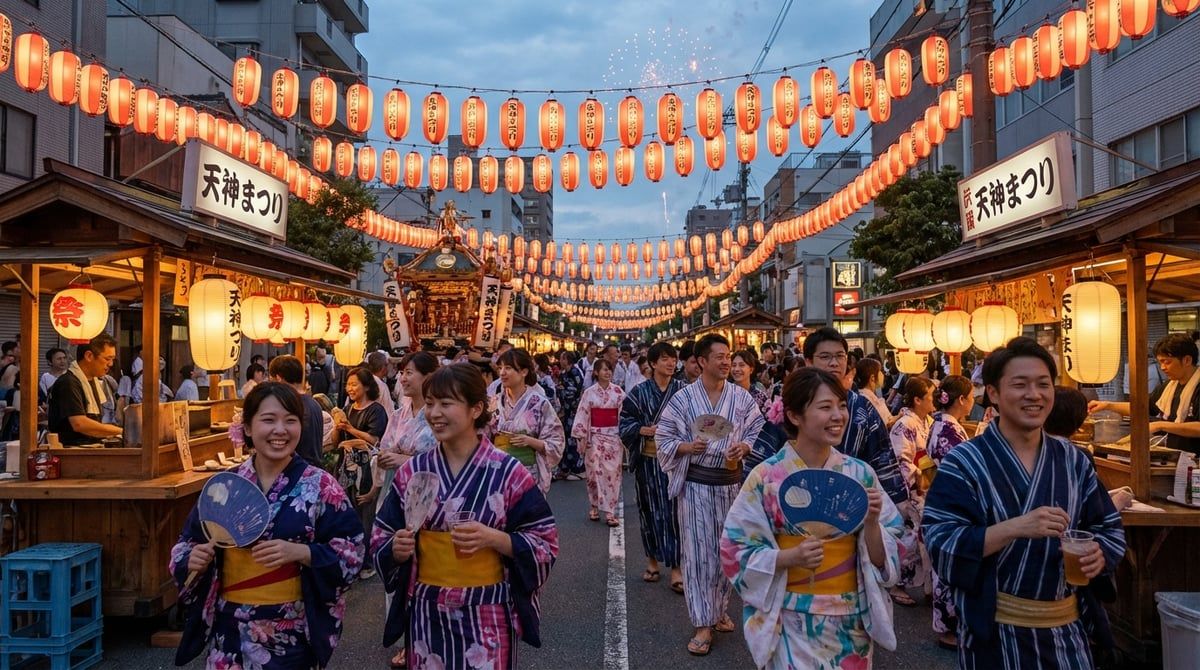 Image for illustrative purposes only.
Where to Stay
Tenjin Matsuri takes place in Osaka's Kita (north) district, and the surrounding hotels book up fast for the July 24-25 weekend. One smart strategy: base yourself in Tennoji, Osaka's southern hub. From Tennoji Station, it's a straight 15-minute ride on the Tanimachi Line directly to Temmabashi — no transfers needed. After the festival, you ride the same line back to a quieter neighborhood while everyone else fights for taxis in Umeda. Tennoji also puts you within walking distance of Shitennoji Temple, Shinsekai, and Abeno Harukas, giving you plenty to explore on non-festival days.
Don't Just Watch — Feel It
Tenjin Matsuri isn't a performance you observe from a distance. It's a living tradition that pulls you in — the drum vibrations in your chest, the lantern glow on the water, the collective intake of breath when the first firework splits the sky. Sugawara no Michizane's spirit has been honored on this river for over a thousand years, and when you stand on those banks in the July heat surrounded by a million other people all looking up at the same sky, you understand why this festival has never stopped.
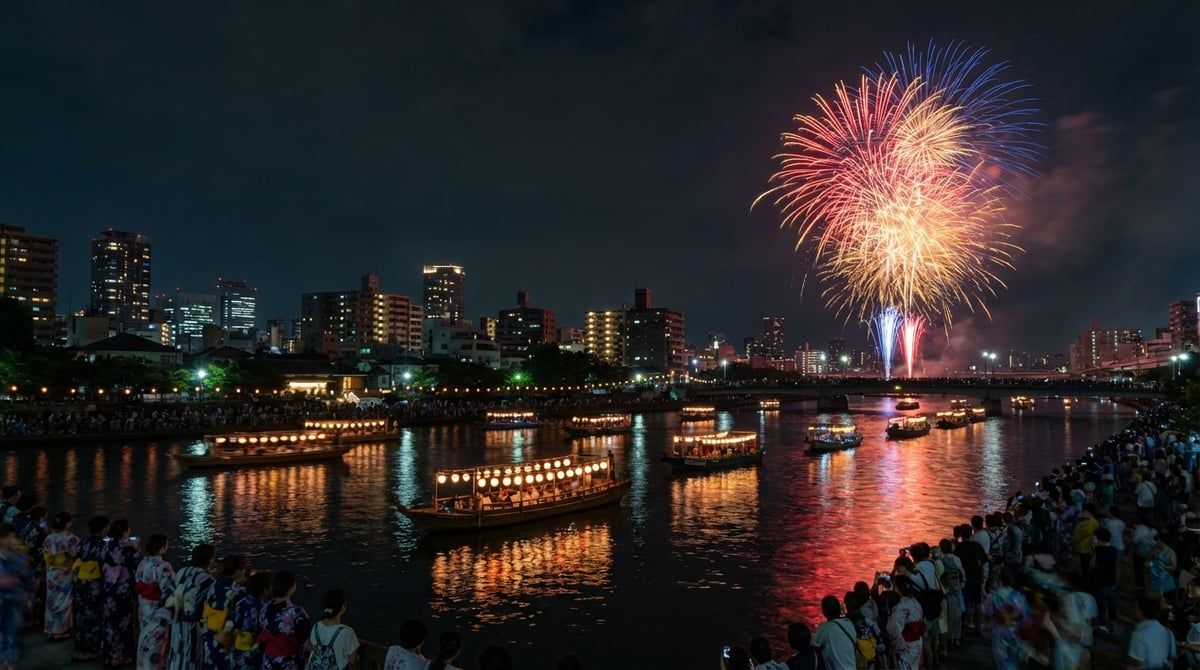 Image for illustrative purposes only.
Mark July 24-25 on your calendar. Get to Osaka. Stand by the river. The rest takes care of itself.
Getting There and Practical Info
From Tokyo
Tokaido Shinkansen to Shin-Osaka (2h30min), then Midosuji Line to Minami-morimachi Station (15 min). Total: about 3 hours.
From Kyoto
JR Special Rapid to Osaka Station (29 min), then walk or subway to Minami-morimachi (10 min). Or Keihan Line to Tenmabashi Station (50 min) -- closest to the riverfront.
Budget Quick Guide
| Item | Cost |
|---|---|
| Shinkansen Tokyo-Osaka (one way) | $125 / free with JR Pass |
| Hotel per night (Jul 24-25) | $60-120 |
| Riverside reserved seating | $20-40 |
| Street food at the festival | $15-25 |
| Yukata rental | $25-40 |
What to Book in Advance
- Accommodation: Book 2-3 months ahead. Tennoji is an excellent base with direct Midosuji Line access.
- Riverside seats: Limited paid seating along the Okawa River. Free viewing available at Tenmabashi Bridge area.
What Real Travelers Say
Visitors praise the peaceful and serene atmosphere at Osaka Tenmangu Shrine and related Tenmangu locations, appreciating the cultural and historical significance of these sacred spaces. The shrine experiences moderate visitation with generally positive reviews, though some note it is not among the primary Tenmangu shrines in Japan.
Visitor Tips:
- Visit during off-peak hours to experience the serene and peaceful atmosphere the shrine is known for
- Combine your visit with a walking tour of nearby neighborhoods to experience local Osaka culture
- Explore the adjacent Tenjimbashisuji Shopping Street for dining and shopping options before or after your shrine visit
- Consider visiting as part of a larger Osaka historical walking tour to learn more about the shrine's cultural significance
Best Moments According to Visitors:
- The peaceful and serene vibes at Osaka Tenmangu Shrine offering a cultural escape in the city
- Experiencing the historical and spiritual significance of the Tenmangu shrine dedicated to the deity Tenjin
Crowd Level: The shrine maintains a peaceful atmosphere with moderate visitor traffic, making it accessible without overwhelming crowds.
Frequently Asked Questions
What is Tenjin Matsuri?
Tenjin Matsuri is one of Japan's three greatest festivals and the beating heart of Osaka's summer, honoring Sugawara no Michizane, the patron deity of Osaka Tenmangu Shrine. It features a spectacular boat procession, a land parade, and 5,000 fireworks over the Ok
Explore More Festival Guides
Continue your Japan festival journey with these related guides:
- Japan Festival Itinerary 2026: 10-Day Summer Trip Planner
- Japan Festivals Guide: 10 Must-See Matsuri That Will Take Your Breath Away
- Osaka Festivals Guide: Every Matsuri Worth Seeing in Japan's Kitchen
- Osaka Festivals 2026: Tenjin Matsuri, Danjiri and the Complete Calendar
- Gion Matsuri Complete Guide: Kyoto's 1,150-Year Festival You Can't Miss
- Osaka Fireworks 2026: Tenjin Matsuri Hono Hanabi & Yodogawa Guide
- Japan Fireworks 2026: The Definitive Hanabi Taikai Calendar
Staying in Tennoji?
If you're planning to explore Tennoji, these neighborhood stays let you experience the area like a local.
Explore the Tennoji Area Guide
Discover more things to do, local food spots, and insider tips for Tennoji.