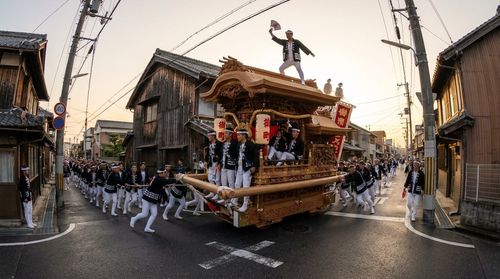
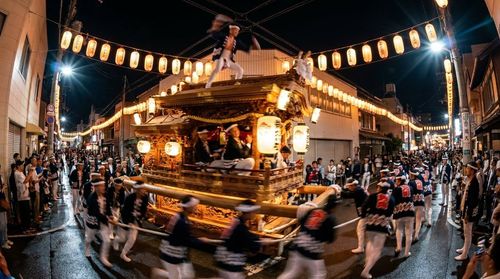
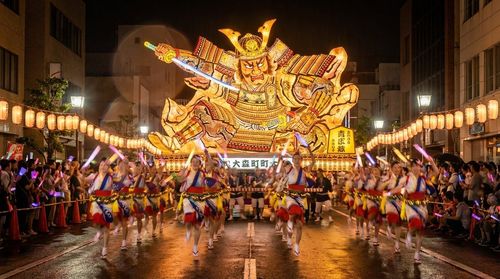
Everything you need for Nebuta Matsuri 2026 — giant illuminated floats, Haneto dancing, and the spectacular final night on Aomori Bay.
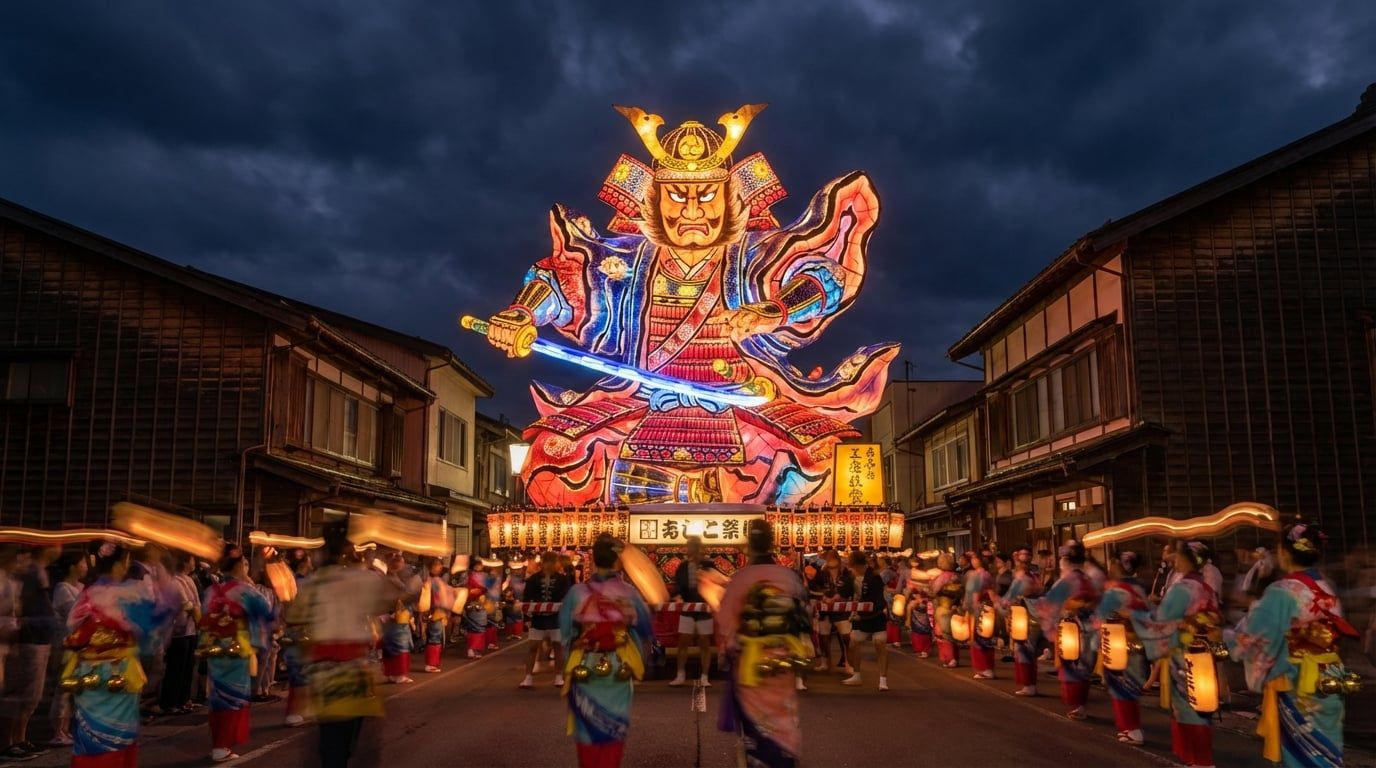 Image for illustrative purposes only.
The summer night air hangs thick and warm over Aomori City. Then, from somewhere deep in the crowd, a voice rises — "Rassera! Rassera!" — and suddenly thousands join in, their shouts bouncing off buildings and rattling through your chest. Around the corner, a towering illuminated warrior appears, glowing from within like a living painting pulled straight out of myth. Dancers in bright costumes leap and spin around the float, bells jingling at their waists, and before you know it, you're shouting too. This is Nebuta Matsuri, one of the most electrifying festivals in all of Japan, and nothing can truly prepare you for the moment it sweeps you up.
A Festival Born from Light and Water
The roots of Nebuta stretch back over 300 years, intertwined with Tanabata traditions brought north along ancient trade routes. During the seventh month of the old lunar calendar, communities across Tohoku would light paper lanterns and set them adrift on rivers and the sea — a ritual to wash away sleepiness and purify the spirit before the autumn harvest. In Aomori, those modest lanterns grew. They became larger, more elaborate, and eventually evolved into the massive illuminated floats that define the festival today.
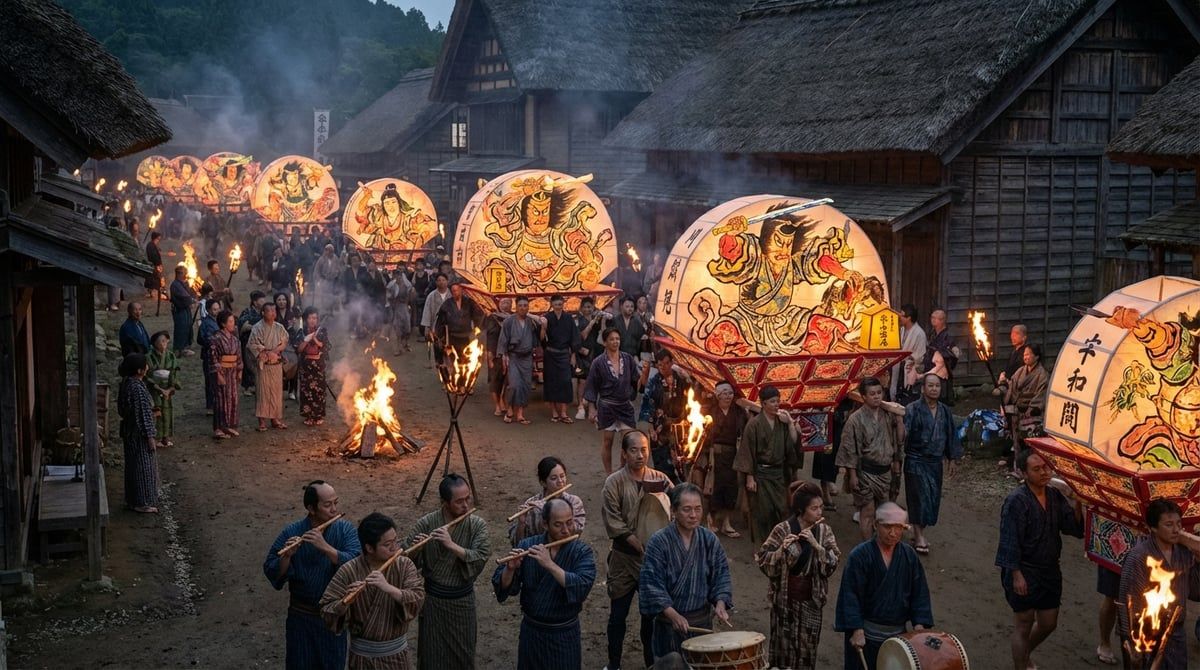 Image for illustrative purposes only.
By the Edo period, Nebuta had taken on a life of its own. Neighborhoods competed to build the most impressive figures, drawing on warriors, kabuki scenes, and mythological creatures for inspiration. The tradition survived wars, fires, and modernization, and in 1980, Nebuta earned designation as an Important Intangible Folk Cultural Property of Japan. Today it draws over three million visitors across six days every August, making it one of the largest summer festivals in Japan.
Day-by-Day Guide: August 2-7, 2026
Nebuta is not a single-night event. Each day has its own character, building toward a grand finale that will stay with you for years. Here is what to expect across the full run of the 2026 festival.
August 2-3: The Opening Nights
The festival begins with children's nebuta — smaller, charming floats crafted by youth groups and local schools. These opening nights carry a gentler energy. The crowds are thinner, the pace more relaxed, and you can get close to the floats without jostling for position. It is an ideal time for families or anyone who wants to ease into the experience before the main events arrive.
August 4-6: The Grand Parades
This is what you came for. Starting in the early evening, the full-sized nebuta floats roll through the streets of central Aomori. Each float stands up to five meters tall and nine meters wide, illuminated by hundreds of lights that make the painted washi paper glow with startling intensity. Warriors snarl, gods rage, and dragons coil — all rendered in vivid color and frozen mid-action. Around each float, Haneto dancers surge forward in coordinated chaos, their chant of "Rassera!" setting the rhythm for the entire procession.
On the evening of August 6, judges announce awards for the best nebuta of the year. Competition among the float-building teams is fierce, and the winning float earns deep civic pride. If you can only attend one night, make it August 5 or 6 — the energy peaks here.
August 7: The Spectacular Finale
The final day flips the script entirely. A daytime parade sends the floats through sunlit streets, giving you a chance to see every brushstroke and structural detail that the nighttime glow conceals. Then, as dusk settles over Aomori Bay, the award-winning floats are loaded onto boats and set adrift on the water. Their reflections shimmer across the dark harbor, and overhead, a massive fireworks display fills the sky. It is one of the most beautiful scenes in the entire Japanese festival calendar, and it marks the emotional crescendo of the whole week.
Inside a Nebuta Float: Art on a Monumental Scale
Building a single nebuta takes months. Master craftsmen — called nebuta-shi — begin with sketches, translating mythological scenes into three-dimensional designs. A skeleton of wire and wood gives the float its shape. Layers of washi paper are stretched over the frame and pasted in place, then painted by hand with bold lines and rich color. Finally, hundreds of light bulbs or LEDs are installed inside, and the entire structure is mounted on a wheeled platform.
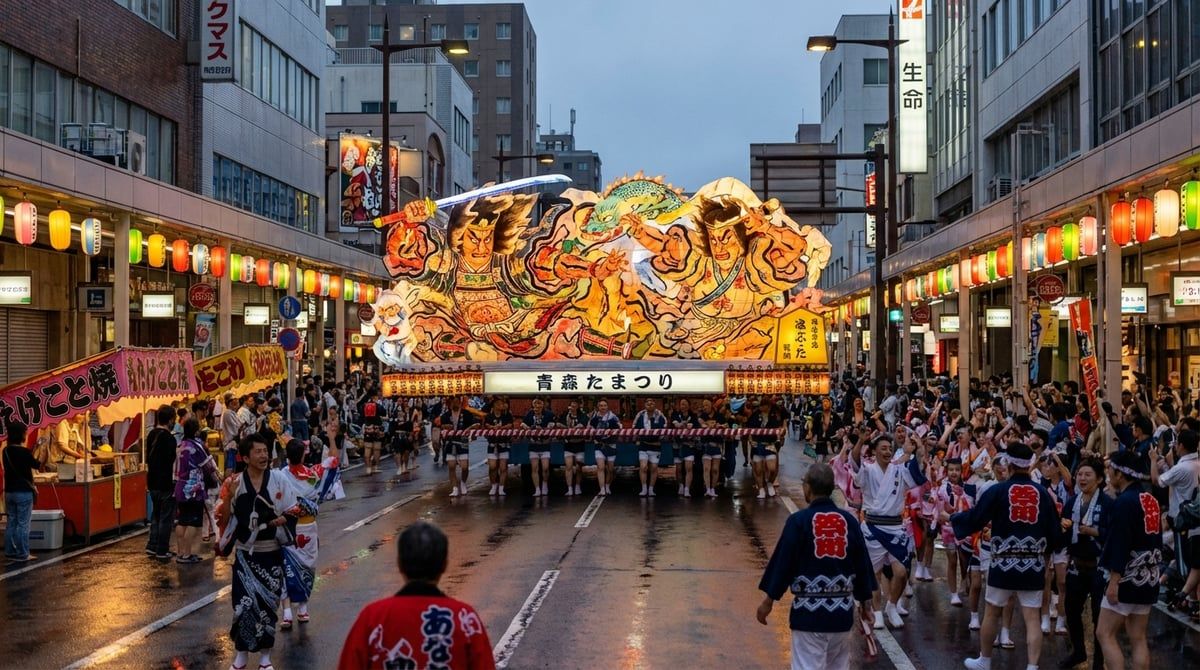 Image for illustrative purposes only.
The best nebuta-shi are local celebrities. Their workshops, called nebuta-goya, open to visitors in the weeks before the festival, offering a rare chance to watch these colossal artworks take shape. If you arrive in Aomori a day or two early, a workshop visit is well worth your time. Outside festival season, the Nebuta Museum Wa Rasse near Aomori Station displays retired floats year-round, so you can appreciate the craftsmanship up close even if you visit off-season.
How to Join as a Haneto Dancer
Here is a secret that surprises many first-time visitors: you do not need an invitation to dance in Nebuta. Anyone wearing the proper Haneto costume can join the procession. Rental shops around Aomori Station offer full costume sets — colorful yukata-style robes, a flower-covered hat called a hanagasa, and the all-important bells tied at the waist — for around 4,000 yen. Some hotels also offer rental packages for guests.
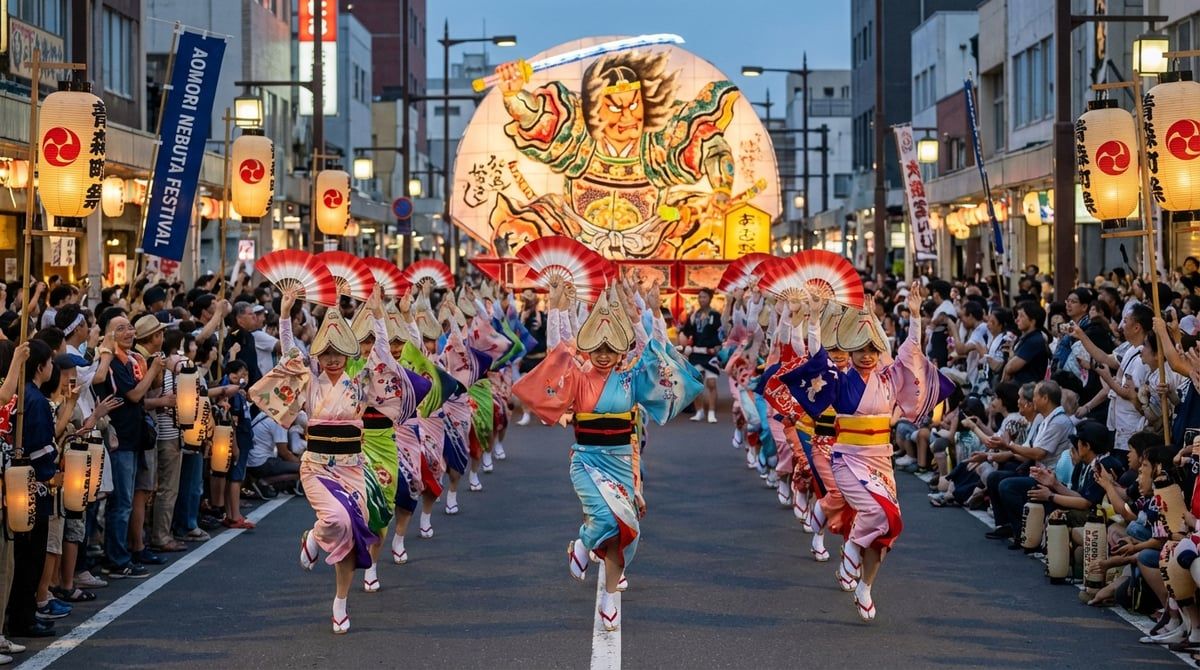 Image for illustrative purposes only.
The rules are simple. Wear the full costume. Stay with your group or find an open group accepting walk-ins. Move forward with the float, and dance — jump, spin, wave your arms, and shout "Rassera!" with everything you have. There is no choreography to memorize; the joy is improvised and infectious. It is one of the few major Japanese festivals where foreign visitors can participate so directly, and dancers often describe it as the single best experience of their trip. For more advice on joining in, check our festival tips guide.
Practical Information
Getting There
Aomori City sits at the northern tip of Honshu in the Tohoku region. The JR Tohoku Shinkansen runs from Tokyo Station to Shin-Aomori Station in roughly three and a half hours; from Shin-Aomori, a short local train ride brings you to Aomori Station, which is walking distance from the parade route. Alternatively, flights from Tokyo (Haneda) to Aomori Airport take about 80 minutes, with airport buses connecting to the city center in around 35 minutes.
Viewing and Seats
The parade route loops through central streets near Aomori Station. Standing along the route is completely free, and arriving an hour or two before the evening start time (usually around 19:00) will secure you a decent spot. For guaranteed comfort, reserved seated areas are available starting at around 3,000 yen — tickets go on sale in early summer and sell out quickly for the peak nights of August 5-7.
Where to Stay
Accommodation in Aomori fills up months in advance. Book as early as possible — ideally by May. Hotels near Aomori Station command the highest prices during festival week. Budget travelers often stay in Hirosaki or Hachinohe and take the train in for the evening parades. Another option is to check nearby cities along the Aomori festival circuit, combining Nebuta with other Tohoku summer celebrations.
What to Eat
Aomori is apple country — Japan's top producer — so apple-based everything is on offer, from fresh juice to apple pie to cider. But the real festival fuel is seafood. Aomori Bay delivers exceptional scallops, squid, and tuna. Street stalls along the parade route serve yakisoba, grilled seafood skewers, and regional specialties like senbeijiru (a hearty cracker soup). Do not leave without trying Aomori's signature dish: ichigoni, a delicate sea urchin and abalone soup.
Budget Overview
Watching the parade from the street costs nothing. If you want the full experience with a reserved seat and Haneto costume rental, budget around 7,000 to 8,000 yen. Train fare from Tokyo runs approximately 17,000 yen one way by shinkansen, though rail passes and early-bird discounts can bring this down significantly.
A Festival That Demands to Be Felt
Nebuta is loud, bright, and gloriously overwhelming. Photographs capture the glow of the floats, but they cannot replicate the rumble of drums through the pavement, the heat of the crowd pressing forward, or the wild collective joy of three million people shouting into the summer night. It belongs on every traveler's list — not just as a thing to see, but as something to feel, full-body, from the soles of your feet to the top of your lungs. Plan ahead, show up ready, and let Aomori sweep you off your feet.
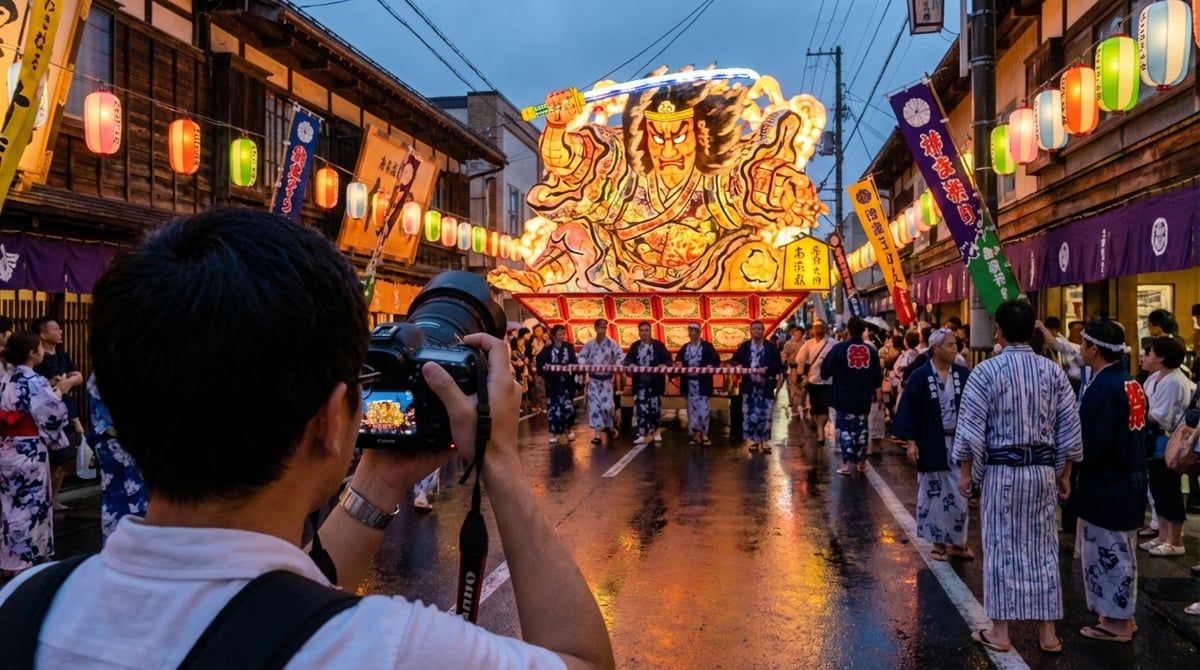 Image for illustrative purposes only.
For a broader look at what August has in store across the country, or to start building your full festival itinerary, explore our complete Japan festivals guide.
Getting There and Practical Info
From Tokyo
Tohoku Shinkansen (Hayabusa) to Shin-Aomori (3h10min), then JR Ou Line to Aomori Station (6 min). All covered by JR Pass.
From Osaka
Shinkansen to Tokyo (2h30min), transfer to Tohoku Shinkansen to Shin-Aomori (3h10min). Total: about 6 hours. Consider an overnight stop in Tokyo.
Budget Quick Guide
| Item | Cost |
|---|---|
| Shinkansen Tokyo-Aomori (one way) | $150 / free with JR Pass |
| Hotel per night (Aug 2-7) | $80-150 |
| Haneto dancer costume rental | $25-30 |
| Reserved parade seating | $25-35 |
| Street food per night | $10-20 |
What to Book in Advance
- Accommodation: Book 3+ months ahead. Hotels in Aomori city sell out fast -- consider Hirosaki (30 min by train) as a backup.
- Haneto costume: Rental shops near Aomori Station. No advance booking needed, but arrive early (before 5 PM) on your first night.
- JR Pass: Essential if combining with other festivals in Tokyo/Osaka.
What Real Travelers Say
The Nebuta Museum Wa Rasse offers visitors an excellent introduction to Aomori's famous Nebuta Festival, showcasing the history and artistry behind this early August celebration. While detailed festival reviews are limited in the provided data, the museum itself receives solid ratings and serves as a gateway to understanding this important Japanese cultural event.
Visitor Tips:
- Visit during early August to experience the actual Nebuta Festival in person rather than just the museum
- Plan to spend time at Nebuta Museum Wa Rasse to understand the festival's history and craftsmanship before attending
- Arrive early to secure good viewing positions if attending the festival procession
- Bring comfortable walking shoes as the festival involves extensive walking and standing
Best Moments According to Visitors:
- Witnessing the elaborate illuminated Nebuta floats parading through the streets
- Learning about the traditional artistry and craftsmanship behind the float designs at the museum
- Experiencing the vibrant energy and local culture of Aomori during the festival
Heads Up:
- Expect significant crowds during the early August festival period
- Popular accommodations and restaurants may be fully booked well in advance
Crowd Level: The festival draws substantial crowds during early August, though specific crowd density details are not extensively documented in available reviews.
Frequently Asked Questions
What is the Nebuta Festival?
Nebuta Matsuri is one of Japan's most electrifying summer festivals, famous for its massive illuminated floats depicting warriors and mythological creatures. It is an Important Intangible Folk Cultural Property of Japan, drawing over three million visitors annually.
When does the Nebuta Festival usually take place?
The Nebuta Festival runs for six days every August, typically from August 2-7. For example, the 2026 festival is scheduled for these dates.
Where is the Nebuta Festival held?
The festival takes place in Aomori City, located at the northern tip of Honshu in the Tohoku region of Japan. The main parade route loops through central streets near Aomori Station.
Can foreign visitors participate in the Nebuta Festival?
Yes, anyone can join the procession as a Haneto dancer by wearing the proper costume. Rental shops near Aomori Station offer full costume sets, including robes, a hanagasa hat, and bells.
How can I see the Nebuta floats if I visit outside of festival season?
The Nebuta Museum Wa Rasse near Aomori Station displays retired floats year-round, allowing visitors to appreciate the craftsmanship up close. You can also visit nebuta-goya (workshops) in the weeks leading up to the festival.
What is the best way to get to Aomori City for the festival?
From Tokyo, you can take the JR Tohoku Shinkansen to Shin-Aomori Station, then a short local train to Aomori Station. Alternatively, flights from Tokyo (Haneda) to Aomori Airport are available, with airport buses connecting to the city center.
Explore More Festival Guides
Continue your Japan festival journey with these related guides:
- Japan Festival Itinerary 2026: 10-Day Summer Trip Planner
- Japan Festivals Guide: 10 Must-See Matsuri That Will Take Your Breath Away
- Aomori & Tohoku Festivals: Nebuta, Neputa, and the Northern Summer
- Japan Festivals in August 2026: Nebuta, Tanabata, Awa Odori and More
- Summer Festivals in Japan: The Ultimate Guide to Natsu Matsuri