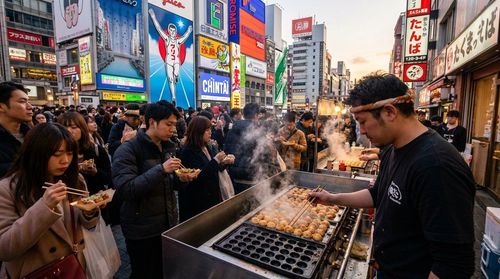
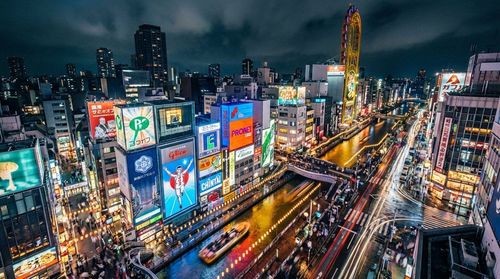
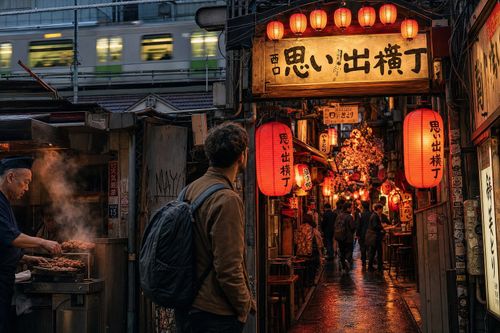
Ten minutes from Dotonbori, zero tourists. Ura-Namba is Osaka's backstreet district where standing bars and hidden izakayas serve the city's real nightlife.
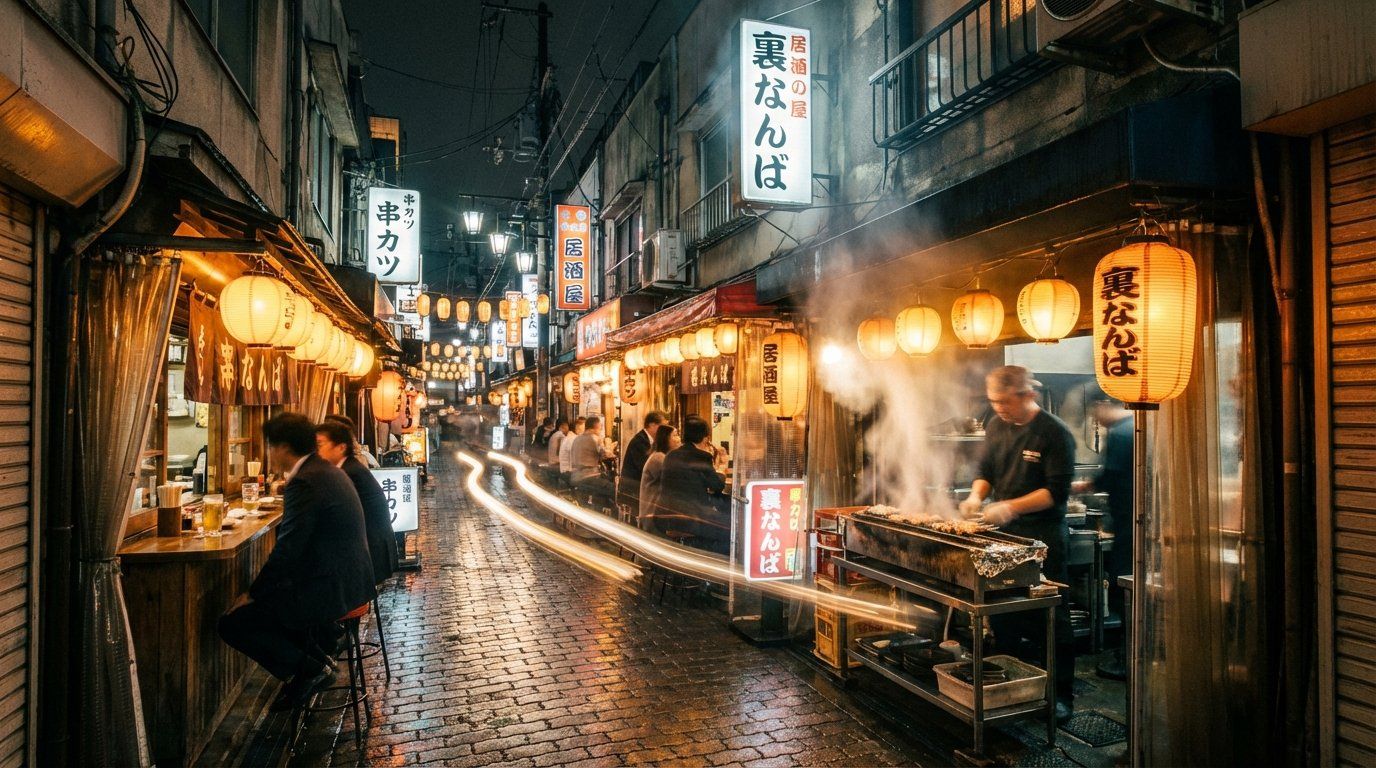 Image for illustrative purposes only.
Everyone knows Dotonbori — the giant crab, the Glico running man, the canal drowning in neon. It's where every tourist in Osaka eats dinner.
Now walk ten minutes east. The neon fades. The streets narrow. The signs switch from multilingual menus to hand-scrawled Japanese on cardboard. You've entered Ura-Namba (裏なんば) — literally "behind Namba" — and you've just found where Osaka actually drinks. This backstreet food-and-bar district in the heart of Minami is one of the city's best-kept secrets for bar hopping and late-night eating.
Ura-Namba is a maze of over 100 small restaurants, standing bars, and izakayas crammed into the backstreets between Namba Station and Kuromon Market. It started as a drinking zone for middle-aged salarymen. Around 2010, young chefs and bar owners started opening here, drawn by cheap rent and a lack of tourist pressure. The result is one of Japan's most exciting food-and-drink neighborhoods — a place where a ¥300 highball at a standing counter can lead to the best meal of your trip.
The Tachinomi Culture: Drinking While Standing
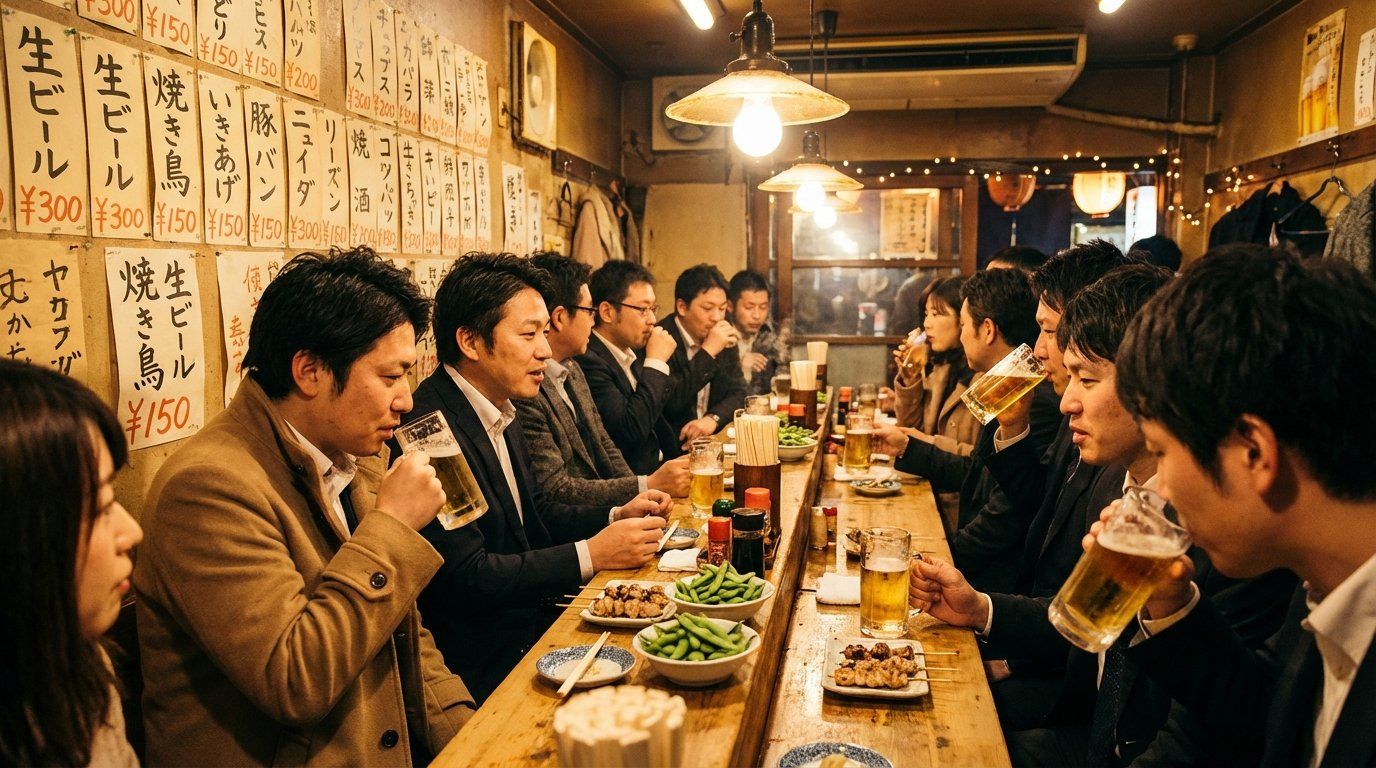 Image for illustrative purposes only.
Before we talk about where to eat, let's talk about how Osaka drinks.
A tachinomi (立ち飲み) is a standing bar. No seats. You walk in, order at the counter, and stand there with your drink and a small plate of something delicious. The beer is cold, the conversation is warm, and nobody stays longer than 30-45 minutes because the whole point is to move on to the next place.
This is the foundation of Ura-Namba culture: hashigo-zake (はしご酒) — literally "ladder drinking," the art of bar-hopping from one tiny establishment to the next. Each stop is one or two drinks and a small dish. By the end of the evening, you've visited four or five places, tried a dozen different foods, and spent less than you would on a single restaurant dinner in Dotonbori.
Tachinomi etiquette:
- Order promptly when you arrive — don't browse for ten minutes
- Keep your space compact — these bars are tiny
- One to two drinks per stop is the norm
- Pay as you go at most tachinomi (have cash ready)
- Say gochisousama deshita (ごちそうさまでした, "thank you for the meal") when you leave
Niku-Zushi: The Meat Sushi Phenomenon
One food has become synonymous with Ura-Namba: niku-zushi (肉寿司) — sushi made with meat instead of fish.
Slices of seared wagyu beef, horse meat, duck, and pork are draped over vinegared rice and torched tableside until the fat glistens and caramelizes. The first bite is a collision of textures — the cool, slightly tangy rice against the warm, buttery meat — and the aroma of charred beef fat hangs in the air long after the torch clicks off. That combination immediately explains why people queue for this.
Several niku-zushi restaurants cluster in Ura-Namba's central lanes, and the competition keeps quality high and prices reasonable. Expect to pay ¥300-500 per piece, with a satisfying set of 5-6 pieces running about ¥1,500-2,500.
Hormone and Robata: The Deep Cuts
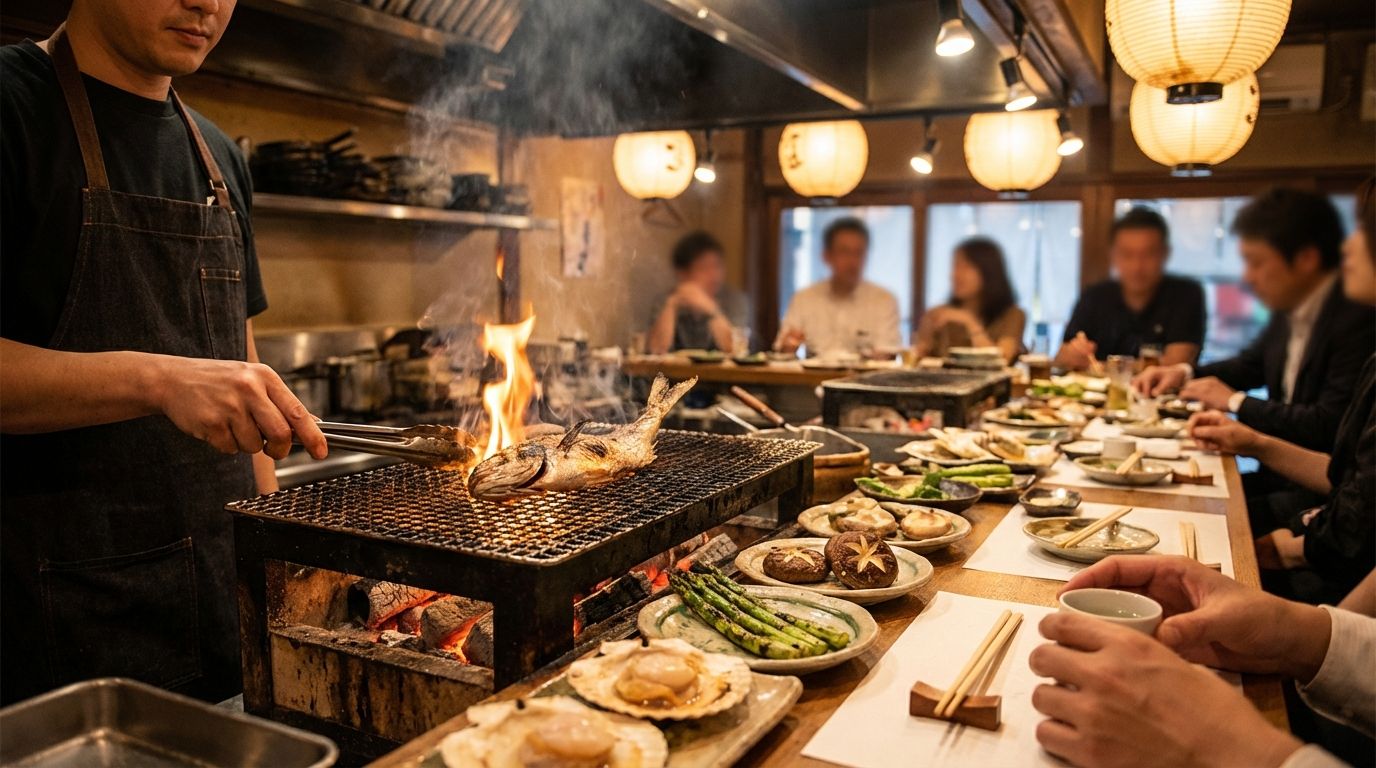 Image for illustrative purposes only.
Ura-Namba's roots are working-class, and the food reflects it.
Hormone (ホルモン): Grilled offal — intestines, heart, liver, stomach — served sizzling on iron plates. Ankeraso (アンケラソ) is the legendary spot, with queues that form before opening. The hormone is meticulously cleaned and grilled until crispy on the outside and chewy within, served with cold beer and the kind of smoky, primal satisfaction that no fine-dining restaurant can replicate. Budget ¥1,000-1,500 for a generous serving with drinks.
Robatayaki (ろばた焼き): Fresh fish and vegetables grilled over charcoal at a counter where you watch the chef work. The smoke curls, the fat drips and sizzles, and each piece arrives at the exact moment it reaches perfection. Several robatayaki spots in Ura-Namba source directly from Osaka's markets, keeping prices well below the tourist-zone equivalents.
Izakaya classics: Beyond the specialties, Ura-Namba is packed with izakayas serving the full Osaka repertoire — yakitori (grilled chicken skewers), oden (simmered hotpot), dashimaki tamago (rolled omelette), and enough small plates to fill a table without emptying your wallet. If you're exploring more of Osaka's street food traditions, these izakayas are a great starting point.
A 4-Stop Ura-Namba Bar-Hopping Route
Here's a suggested hashigo-zake route for an evening in Ura-Namba:
18:00 — Stop 1: Tachinomi Warm-Up Start at any standing bar near the Sennichimae entrance. Order a draft beer (¥300-400) and a plate of edamame or potato salad. Get your bearings. Watch how the regulars order. Absorb the rhythm.
18:45 — Stop 2: Niku-Zushi Walk to one of the meat sushi spots on the central lanes. Order 4-5 pieces and a glass of wine or sake. Watch the torch work. Take your time — this is the feature stop.
19:30 — Stop 3: Hormone or Robata Choose your adventure: smoky grilled offal at a hormone shop, or fresh seafood at a robatayaki counter. Either way, pair it with a highball (¥300-400) and let the smoke fill your senses.
20:15 — Stop 4: Izakaya Nightcap Find a small izakaya that catches your eye — maybe the one with the handwritten sign you can't read, or the one where laughter spills out the door. Order a final drink and whatever the house specialty is. This is where the evening settles into something memorable.
Total budget: ¥4,000-6,000 per person for four stops, including drinks.
What Most Tourists Don't Know
Where exactly is Ura-Namba? The area runs roughly from Sennichimae (千日前) to the north, Nansan-dori (なんさん通り) to the south, Kuromon Market to the east, and Takashimaya department store to the west. It's not a single street — it's a grid of narrow alleys. Getting slightly lost is part of the experience.
When should you go? The best time is 18:00-22:00. Many spots don't open until 17:00, and the atmosphere peaks in the early evening when the after-work crowd arrives. By midnight, many tachinomi have closed.
Do you need cash? Yes. The smaller the bar, the less likely it takes cards. Bring ¥5,000-10,000 in cash for a serious hashigo session. 7-Eleven ATMs are nearby and accept international cards.
What about the language barrier? Nobody speaks English, and that's fine. Point at the menu, point at what someone else is eating, or just say osusume (おすすめ, "your recommendation"). The language barrier dissolves after the first drink.
Can you combine it with Dotonbori? Absolutely. Start with the spectacle of Dotonbori for photos, then walk east into Ura-Namba for the actual eating. See our Dotonbori guide for that side of the experience.
Practical Information
Access
| From | Route | Time |
|---|---|---|
| Namba Station | Walk east from exit 11/14 | 5-10 min |
| Dotonbori | Walk east along Sennichimae-dori | 10 min |
| Nipponbashi Station | Walk west | 5 min |
| Tennoji | Midosuji Line to Namba (5 min) + walk | 15 min |
Budget Guide
| Item | Price Range |
|---|---|
| Tachinomi drink | ¥300-500 |
| Tachinomi small plate | ¥200-500 |
| Niku-zushi (per piece) | ¥300-500 |
| Hormone set | ¥800-1,500 |
| Robatayaki dish | ¥500-1,000 |
| Full hashigo evening (4 stops) | ¥4,000-6,000 |
Tips
| Tip | Details |
|---|---|
| Payment | Cash only at most small bars |
| Reservations | Not needed for tachinomi; helpful for popular izakayas |
| Dress code | Casual — this is not a dress-up neighborhood |
| Solo friendly | Extremely — tachinomi and counter seats are designed for solo drinkers |
Wrapping Up
Dotonbori is the Osaka that everyone photographs. Ura-Namba is the Osaka that everyone remembers.
There's something about standing shoulder-to-shoulder at a tiny counter, eating food prepared by someone who clearly loves their craft, drinking cheap-and-excellent highballs, and stumbling into the next place when the mood strikes — it's the purest expression of Osaka's food culture, and it happens every night in these backstreets.
Ten minutes from the tourist trail. A lifetime from the tourist experience.
The Namba-Tennoji corridor is one of the most convenient bases for exploring Osaka's food scene. Tennoji is just one Midosuji Line stop from Namba — close enough for a late-night Ura-Namba session, with Dotonbori's neon spectacle and the wider Minami district all within easy reach.
Continue your Minami exploration with our Dotonbori guide or discover the wider Minami district. For a different side of Osaka's food culture, try the Tennoji local food walk.
Frequently Asked Questions
What is Ura-Namba?
Ura-Namba (裏なんば), meaning "behind Namba," is Osaka's hidden backstreet food and drinking district, a maze of over 100 small restaurants, standing bars, and izakayas. It's known for its vibrant local atmosphere, cheap eats, and bar-hopping culture.
Where is Ura-Namba located in Osaka?
Ura-Namba is situated between Namba Station and Kuromon Market, roughly bordered by Sennichimae to the north, Nansan-dori to the south, Kuromon Market to the east, and Takashimaya department store to the west. It's a short 10-minute walk east from Dotonbori.
What kind of food and drink specialties can I find in Ura-Namba?
Ura-Namba is famous for niku-zushi (meat sushi), hormone (grilled offal), and robatayaki (charcoal-grilled seafood and vegetables). You'll also find numerous izakayas serving classic Osaka dishes and cheap highballs.
What is tachinomi and hashigo-zake?
Tachinomi are standing bars where you enjoy drinks and small dishes without seats, fostering quick visits and warm conversation. Hashigo-zake is the art of "ladder drinking" or bar-hopping, moving between several tachinomi for one or two drinks and a small dish at each stop.
Do I need cash in Ura-Namba, and what about the language barrier?
Yes, it's highly recommended to bring ¥5,000-¥10,000 in cash, as many smaller bars do not accept cards. While few people speak English, pointing at menus or saying osusume ("your recommendation") is usually sufficient for ordering.
When is the best time to visit Ura-Namba?
The best time to visit Ura-Namba is between 18:00 and 22:00
Explore the Minami (Namba) Area Guide
Discover more things to do, local food spots, and insider tips for Minami (Namba).
Spots in This Article
MAZE CAFE SHINSEKAI
5.0Maze Cafe Shinsekai stands out as a destination-worthy breakfast spot in Tennoji that consistently impresses with thoughtfully prepared coffee and elevated cafe cuisine—think perfectly executed avocado toast and latte art that photographs beautifully. The space cultivates a genuinely welcoming atmosphere with staff who are knowledgeable about their craft and attentive without being intrusive, making it equally appealing for solo travelers seeking a calm refuge or families wanting quality time. This is the rare cafe that justifies visiting multiple times during a Osaka trip rather than being a one-off stop.
ラーメン 醤すけ心斎橋店 Ramen SHOSUKE Shinsaibashi
5.0This Shinsaibashi ramen shop delivers authentic, handcrafted bowls that consistently exceed expectations—many visitors report it rivals or surpasses Osaka's more hyped establishments. The standout draw is the silky, meticulously prepared broth paired with fresh noodles, with both shoyu and shio variations earning praise. Staff hospitality is genuinely warm and accommodating to non-Japanese speakers, making it an accessible introduction to serious ramen culture for first-time visitors.
Bar Nocosarejima
4.9Bar Nocosarejima is a solo-run craft cocktail bar tucked near Tsutenkaku Tower where the owner personally curates both the drinks and atmosphere. This is the kind of place that elevates Osaka's nightlife scene—expect carefully crafted, innovative cocktails (including Japanese craft spirits and unexpected flavor combinations) in a intimate, dimly-lit setting filled with thoughtful art. The owner's exceptional English and genuine hospitality make it accessible and welcoming for foreign visitors, whether you're ending a night out or seeking a peaceful escape from the city's energy.
Osaka Halal Ramen Wagyutei
4.9This newly opened halal ramen specialist in Tennoji stands out as one of Osaka's rare dedicated halal ramen destinations, offering authentic broth-based ramen without compromise on quality. The owner and staff actively engage with international visitors and speak English, making it exceptionally accessible for foreign tourists unfamiliar with Japanese dining customs. Generous portions at reasonable prices, combined with an genuinely welcoming atmosphere where staff adapt the dining experience (like adjusting air conditioning), create an experience that feels personal rather than transactional.
ヤキソバベイベー/オコノミヤキベイベ/道頓堀本店 yakisoba baby okonomiyaki baby
4.9This is an energetic standing-room okonomiyaki bar where the chef's infectious personality is as much part of the experience as the crispy, well-executed food. The owner actively engages with guests—from tourists to families—creating an unexpectedly social atmosphere despite the no-seating format. It's the kind of authentic Osaka spot where you'll leave smelling like grill smoke but with genuine memories, especially if you catch the hip hop soundtrack and occasional live entertainment.