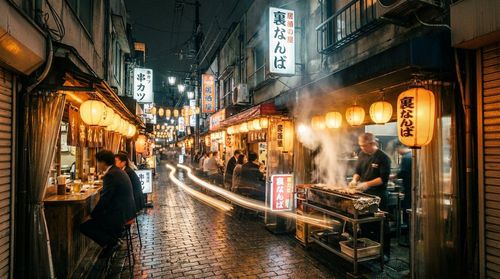
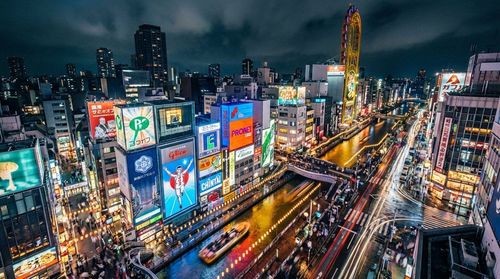
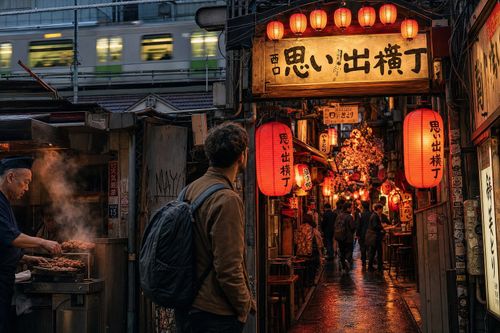
Discover Osaka's legendary street food scene from takoyaki to kushikatsu. A dish-by-dish guide to eating like a local in the city that lives to eat.
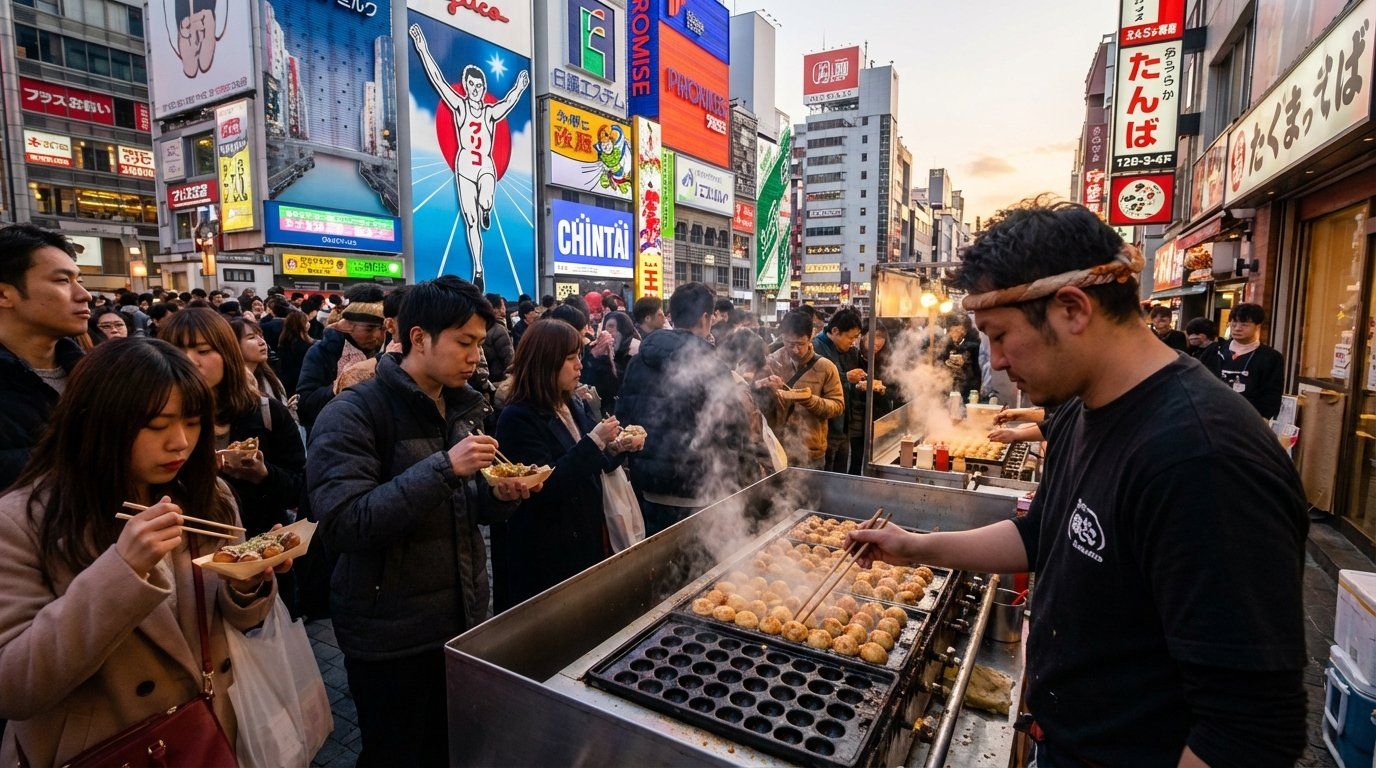 Image for illustrative purposes only.
There's a saying in Japan: "Kyoto kidaore, Osaka kuidaore" — Kyoto people ruin themselves buying fine clothes, while Osaka people ruin themselves eating delicious food. This isn't just a proverb. It's a philosophy woven into every sizzling griddle, every street-corner stall, and every late-night bite in this city.
The word "kuidaore" (食い倒れ) literally means "eat until you drop." But don't mistake it for gluttony. For Osakans, it's an article of faith: life is short, so eat well. The city's merchant roots shaped this attitude — hardworking traders needed bold, hearty food, and they were happy to spend their money on it. That spirit hasn't changed. Walk down any food street in Osaka's Minami district today and you'll hear the same crackling oil, smell the same sweet-savory sauces caramelizing on hot iron, and feel the same electric pull toward the next stall.
This guide walks you through every iconic Osaka street food dish — where to find the best versions, what to order, and the local secrets that separate a good experience from an unforgettable one. Whether you're plotting a food crawl through Dotonbori or hunting for hidden gems in the backstreets of Ura-Namba, consider this your eat sheet.
Takoyaki: Osaka's Signature Octopus Balls
No visit to Osaka is complete without takoyaki. These golden spheres — crispy on the outside, molten and creamy on the inside, with a tender piece of octopus at the center — are the city's most iconic street food for a reason.
Watching takoyaki being made is half the experience. Skilled vendors pour batter into specially designed cast iron molds, add chunks of octopus, tempura scraps (tenkasu), pickled ginger, and green onion, then use metal picks to rotate each ball until perfectly spherical and bronzed. Experienced chefs flip dozens in rapid succession — their hands moving with a rhythm that looks almost meditative. When the finished balls land in your paper tray, the katsuobushi (bonito flakes) on top begin to dance from the rising heat, and the first bite releases a rush of savory, umami-rich filling that practically melts across your tongue.
Standard toppings: takoyaki sauce (a sweeter Worcestershire-style sauce), Japanese mayonnaise, aonori (green seaweed flakes), and katsuobushi.
Where to Try the Best
- Wanaka (わなか) — Dotonbori and multiple locations. Open 10:00–23:00. ¥500–700 for 8 pieces. Consistently ranked among Osaka's top shops. Perfect crispy exterior, gloriously gooey interior. Try the "negitako" version with extra green onions.
- Aizuya (会津屋) — Namba and Umeda. Open 11:00–21:00. ¥500 for 12 pieces. The originator of takoyaki (since 1935). Served without sauce — just a light dashi-infused batter that lets you taste the pure, original flavor.
- Takoyaki Juhachiban (たこ焼き十八番) — Near Shinsaibashi Station. Open 11:00–22:00. ¥450–600 for 8 pieces. Local favorite with generous octopus pieces and a more savory batter.
Okonomiyaki: The Savory Pancake You'll Dream About
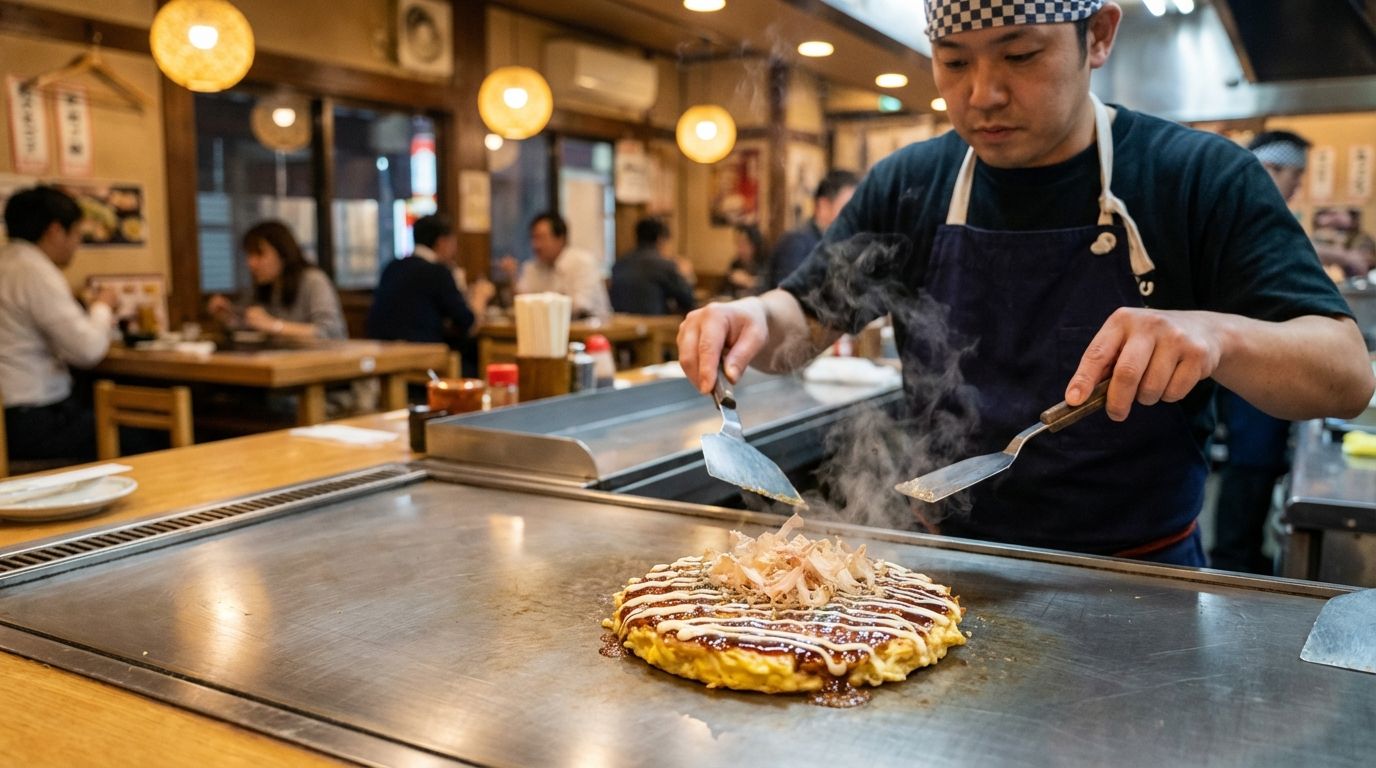 Image for illustrative purposes only.
If takoyaki is Osaka's street food ambassador, okonomiyaki is its soul food. The name translates to "grilled as you like it" — a thick, savory pancake made from cabbage, batter, and your choice of fillings, cooked on a searing teppan griddle. Osaka-style mixes everything together before cooking, creating a fluffy, cohesive pancake (as opposed to Hiroshima-style, which layers the ingredients separately with noodles).
Many okonomiyaki restaurants have teppan built right into the tables. The sizzle of batter hitting hot metal, the aroma of cabbage and pork belly caramelizing together, the anticipation as the chef flips your pancake and paints it with thick, glossy sauce — it engages every sense before you even take a bite.
Top Picks
- Mizuno (美津の) — 1-4-15 Dotonbori. Open 11:00–22:00. ¥1,200–2,000. Established 1945. Their signature "yamaimo-yaki" uses mountain yam for an impossibly fluffy texture. Expect a wait — staff cook your order to perfection at your table.
- Kiji (きじ) — Shin-Umeda Shokudogai, underground near Umeda Station. Open 11:30–21:30 (closed Sundays). ¥900–1,500. Hidden in Umeda's labyrinthine underground food alley. The "suji-kon" version with beef tendon and konjac is legendary.
- Fukutaro (福太郎) — Multiple locations including Dotonbori. Open 11:00–23:00. ¥800–1,400. Excellent quality at reasonable prices. The pork-and-cheese version is a crowd-pleaser.
Kushikatsu: The Deep-Fried Skewers of Shinsekai
In Shinsekai, Osaka's wonderfully retro entertainment district, kushikatsu reigns supreme. These deep-fried skewered treats — meat, seafood, vegetables, even cheese — come coated in fine panko breadcrumbs and fried to golden, shatteringly crispy perfection.
The Golden Rule: Every kushikatsu restaurant displays the same warning: NO DOUBLE DIPPING. Each table has a communal pot of thin, savory dipping sauce. You dip your skewer once before eating — never after you've bitten into it. This rule is taken dead seriously. If you need more sauce, use the provided cabbage leaves to scoop it onto your food.
Walking through Shinsekai feels like stepping into a different era. The iconic Tsutenkaku Tower looms above, vintage signs and game-center marquees compete for your attention, and the air is thick with the scent of hot frying oil and sweet sauce. This is where kushikatsu culture was born, and dozens of restaurants still jostle for dominance along every block.
Best Kushikatsu Spots
- Daruma (だるま) — Multiple locations in Shinsekai and Dotonbori. Open 11:00–22:30. ¥100–300 per skewer. The most famous name in kushikatsu, recognizable by the angry-faced Daruma mascot. Consistent quality, fair prices, extensive menu.
- Yaekatsu (八重勝) — Shinsekai. Open 10:30–20:30. ¥100–250 per skewer. A standing-only local institution since 1947. Order the "doteyaki" (stewed beef tendon) on the side — it's spectacular.
- Kushikatsu Tanaka (串カツ田中) — Throughout Osaka. Prices ¥100–300 per skewer. Offers English menus and a welcoming atmosphere for tourists, though less historic.
Beyond the Big Three: Hidden Gems
Ikayaki — The Underrated Squid Snack
While takoyaki gets the spotlight, ikayaki is one of Osaka's most satisfying street foods — chewy squid pressed into a thin batter between hot irons until golden and slightly crispy. Head to the legendary Hanshin Department Store B1F in Umeda (open 10:00–20:00, ¥150–200). The line often stretches 20+ people deep, but it moves fast. At just ¥150, this might be the best food deal in Osaka. If you're spending time around Umeda's underground food scene, this is an unmissable detour.
Negiyaki — Okonomiyaki's Lighter Cousin
If okonomiyaki feels too heavy, try negiyaki — a thinner, crispier, green onion-focused version. Negiyaki Yamamoto (ねぎ焼やまもと) in Umeda (open 11:30–22:00, ¥900–1,300) invented the dish. Their "suji negiyaki" with beef tendon is the must-order.
551 Horai Butaman — The Pork Bun Everyone Talks About
You'll smell a 551 Horai shop before you see one. These thick-skinned steamed pork buns are an Osaka institution — the filling is juicy, savory, and slightly sweet, with a fragrance that trails behind every commuter carrying a takeaway box. Branches are everywhere (Namba, Shin-Osaka, Osaka Station). ¥190 each or ¥380 for a pair.
Taiyaki — The Sweet Finish
Fish-shaped cakes filled with sweet red bean paste (anko), freshly baked until the thin shell cracks with every bite. Try Naruto Taiyaki Honpo in Shinsaibashi (open 10:00–21:00, ¥150–200). Custard and seasonal fillings also available.
What Most Tourists Don't Know
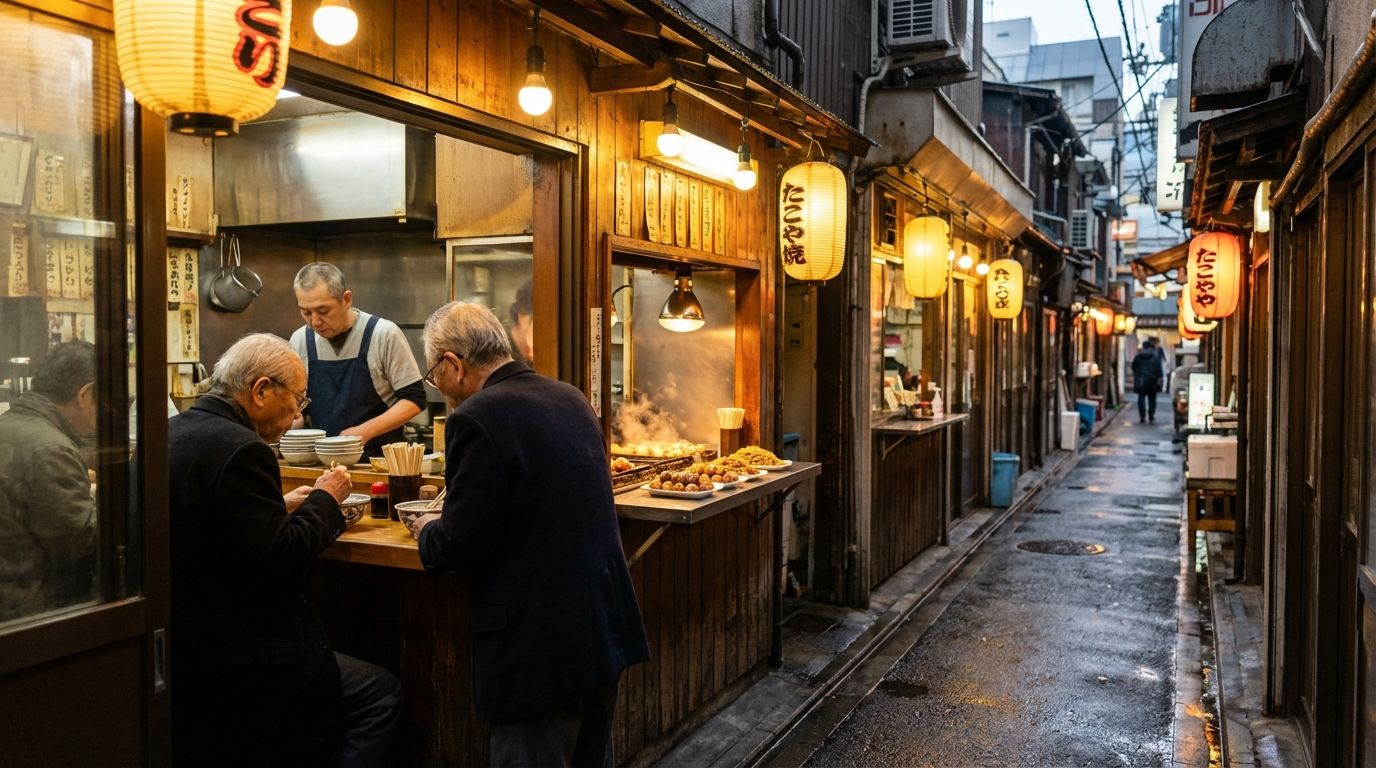 Image for illustrative purposes only.
Osaka's street food scene is deeper than the neon-lit main strips suggest. Here's what the standard guidebooks leave out:
Most famous shops are best at off-peak hours. Wanaka at 11:00 AM on a Tuesday serves the same takoyaki as Wanaka at 7:00 PM on Saturday — but with zero wait time. The food quality doesn't change with crowd size, so plan your timing strategically.
The real food streets are off Dotonbori, not on it. Dotonbori's main drag is iconic but hectic. Walk two blocks south into Ura-Namba and you'll find standing bars, tiny ramen counters, and locals-only yakitori joints with prices 20–30% lower and no tourist queues. The Dotonbori to Nipponbashi corridor is another goldmine for serious eaters.
Cash is still king at street stalls. While sit-down restaurants increasingly accept cards and mobile payments, most street vendors — including legendary spots like Aizuya — are cash only. Hit a convenience store ATM before you start your food crawl. Japanese ATMs in 7-Eleven and Lawson accept most international cards with no drama.
"Don't walk and eat" is real, but context-dependent. The rule against tabearuki (eating while walking) is genuine Japanese etiquette, but enforcement varies by area. In Dotonbori and market streets like Kuromon, eating while standing near the stall is perfectly fine — just don't wander through crowded shopping arcades with a dripping skewer. When in doubt, eat where you bought it.
Order "素焼き" (suyaki) at takoyaki shops for the connoisseur experience. Most tourists default to the sauce-mayo-everything combo. But ordering suyaki (plain, no toppings) at places like Aizuya lets you taste the actual dashi flavor of the batter — dashi is a savory Japanese stock made from kelp and bonito, and it gives the takoyaki a clean, umami depth that sauce would otherwise mask. It's a completely different, more refined experience.
Building Your Street Food Route
Dotonbori & Minami: The Main Event
The Dotonbori area is Osaka's most famous food street and the heart of the Minami district. The canal-side strip comes alive after dark — neon signs blazing, vendors calling out, mechanical crabs waving their claws overhead. Yes, it's touristy. But the best vendors here genuinely deliver. For a deeper dive into exploring the wider Minami district, the area extends well beyond the canal strip.
Suggested route:
- Start at Wanaka for takoyaki (west end of Dotonbori)
- Walk the canal — obligatory photo with the Glico Running Man sign
- Dinner at Mizuno for okonomiyaki
- Detour south into Ura-Namba for a standing-bar nightcap
Kuromon Market: The Kitchen of Osaka
Kuromon Market isn't technically street food, but the eat-as-you-walk market experience is essential. Fresh sashimi bowls (¥1,000–2,000), grilled scallops and crab legs (¥500–1,500), wagyu skewers (¥500–1,000), and seasonal fruits are all available for immediate consumption. Open 9:00–17:00, but many stalls close by 16:00 — arrive before noon for the best selection.
Shinsekai: Retro Soul Food
Head to Shinsekai for kushikatsu and a glimpse of old Osaka. Tsutenkaku Tower overhead, game centers buzzing, and the smell of deep-frying batter drifting from every doorway. Combine this with a walk into the Tennoji area food scene for a full afternoon of eating across south Osaka.
How Much Does a Street Food Crawl Cost?
A satisfying Osaka street food crawl typically costs ¥2,000–4,000 per person, depending on how adventurous you are. Here's a sample budget breakdown:
| Item | Price Range |
|---|---|
| Takoyaki (8 pcs) | ¥450–700 |
| Okonomiyaki | ¥800–2,000 |
| Kushikatsu (5–8 skewers) | ¥500–2,400 |
| Ikayaki | ¥150–200 |
| 551 Horai butaman | ¥190–380 |
| Taiyaki | ¥150–200 |
| Total (moderate crawl) | ¥2,500–3,500 |
Practical Information
| Detail | Info |
|---|---|
| Best areas | Dotonbori, Ura-Namba, Shinsekai, Kuromon Market, Umeda |
| Budget | ¥2,000–4,000 for a satisfying food crawl |
| Payment | Cash for street stalls; cards at sit-down restaurants |
| Best timing | Lunch (11:00–14:00) for short waits; evening (17:00–21:00) for atmosphere |
| Access | Namba Station (Midosuji/Nankai lines) for Dotonbori; Dobutsuen-mae Station for Shinsekai |
| Etiquette | Don't walk and eat in crowded areas; never double-dip kushikatsu sauce; queue patiently |
| Dietary notes | Vegetarian options limited (try taiyaki, some negiyaki); seafood/wheat/egg ubiquitous; halal certification rare |
| Allergies | Chain restaurants can often show ingredient lists in English — ask for the "arerugi hyou" (アレルギー表) |
| Useful phrases | "Kore kudasai" (これください = "This one, please"); "Oishii!" (おいしい = "Delicious!"); "Ikura desu ka?" (いくらですか = "How much?") |
Wrapping Up
Osaka doesn't just serve street food — it lives through it. Every takoyaki stall, every kushikatsu counter, every standing bar tucked into a narrow backstreet is part of a culinary tradition that values generosity, boldness, and honest flavor over pretense. When an Osaka vendor asks "have you eaten yet?" it's not small talk. It's an invitation.
So embrace the kuidaore spirit. Try everything. Eat until you're full, rest for a bit, then eat more. Your regular diet can wait — you're in Japan's kitchen now, and the feast is just beginning.
The food streets of Minami are well connected to Osaka's south side, and the nearby Tennoji area — just one subway stop from Dobutsuen-mae — offers a quieter, more residential base for travelers who want to be close to the action without staying in the thick of it. It's an especially convenient spot if your food crawl extends into Shinsekai, which sits right on the boundary between the two neighborhoods.
Frequently Asked Questions
What does "kuidaore" mean in Osaka?
"Kuidaore" literally means "eat until you drop" and reflects Osaka's philosophy of enjoying delicious food. This attitude is deeply rooted in the city's history as a hub for hardworking merchants who valued hearty, satisfying meals.
Where can I find the best takoyaki in Osaka?
For top-rated takoyaki, try Wanaka for its crispy exterior and gooey interior, Aizuya for the original sauce-less version, or Takoyaki Juhachiban for generous octopus pieces. Many of these shops have multiple locations, including Dotonbori.
What is the difference between Osaka-style and Hiroshima-style okonomiyaki?
Osaka-style okonomiyaki mixes all ingredients, such as cabbage, batter, and fillings, together before cooking on a teppan griddle, resulting in a fluffy, cohesive pancake. Hiroshima-style, in contrast, layers ingredients separately, often including noodles.
What is the "no double dipping" rule for kushikatsu?
When eating kushikatsu, you must never double dip your skewer into the communal sauce pot after taking a bite. If you need more sauce, use the provided cabbage leaves to scoop it onto your food.
What are some must-try street foods in Osaka beyond takoyaki and okonomiyaki?
Don't miss kushikatsu (deep-fried skewers) in Shinsekai, ikayaki (pressed squid) at Hanshin Department Store, or a savory 551 Horai Butaman (steamed pork bun) found throughout the city. Negiyaki, a lighter green onion pancake, is also a local favorite.
Explore the Minami (Namba) Area Guide
Discover more things to do, local food spots, and insider tips for Minami (Namba).
Spots in This Article
MAZE CAFE SHINSEKAI
5.0Maze Cafe Shinsekai stands out as a destination-worthy breakfast spot in Tennoji that consistently impresses with thoughtfully prepared coffee and elevated cafe cuisine—think perfectly executed avocado toast and latte art that photographs beautifully. The space cultivates a genuinely welcoming atmosphere with staff who are knowledgeable about their craft and attentive without being intrusive, making it equally appealing for solo travelers seeking a calm refuge or families wanting quality time. This is the rare cafe that justifies visiting multiple times during a Osaka trip rather than being a one-off stop.
ラーメン 醤すけ心斎橋店 Ramen SHOSUKE Shinsaibashi
5.0This Shinsaibashi ramen shop delivers authentic, handcrafted bowls that consistently exceed expectations—many visitors report it rivals or surpasses Osaka's more hyped establishments. The standout draw is the silky, meticulously prepared broth paired with fresh noodles, with both shoyu and shio variations earning praise. Staff hospitality is genuinely warm and accommodating to non-Japanese speakers, making it an accessible introduction to serious ramen culture for first-time visitors.
ホルモン居酒屋 やまつ 新世界 shinsekai
4.9This newly-opened horseradish offal izakaya near Tsutenkaku delivers premium-quality grilled offal at remarkably affordable prices—a rare combination that explains its near-universal acclaim. The signature dish, kiku-abura (organ meat), showcases pristine sourcing and careful preparation that far exceeds typical izakaya standards. The no-frills Shinsekai atmosphere and personable ownership create an authentic eating experience where casual drop-ins and repeat visitors feel equally welcome.
Osaka Halal Ramen Wagyutei
4.9This newly opened halal ramen specialist in Tennoji stands out as one of Osaka's rare dedicated halal ramen destinations, offering authentic broth-based ramen without compromise on quality. The owner and staff actively engage with international visitors and speak English, making it exceptionally accessible for foreign tourists unfamiliar with Japanese dining customs. Generous portions at reasonable prices, combined with an genuinely welcoming atmosphere where staff adapt the dining experience (like adjusting air conditioning), create an experience that feels personal rather than transactional.