Studio Ghibli Fan Guide Japan 2026: Museums, Real-Life Locations & Ghibli Park
August 26, 2026
Visit the real-world locations that inspired Spirited Away, My Neighbor Totoro, and more — plus Ghibli Museum, Ghibli Park, and where to find Ghibli merchandise.
There is a particular kind of magic that happens when you round a corner in Japan and recognize a place you have only ever seen in a film. The way the steam rises from a narrow lane. The shape of a wooden building perched on a hillside. The smell of warm rain on old stone. Studio Ghibli's animators have always worked this way — drawing from the real world with such fidelity that standing in certain places in Japan feels, unexpectedly, like stepping into a memory.
This guide is for those who want to find those places. We cover Ghibli Museum, Ghibli Park, the real-world locations that inspired the films, and where to find Ghibli merchandise across Japan. Whether you have one afternoon in Tokyo or a dedicated pilgrimage itinerary across several prefectures, there is something here for you.
Ghibli Museum, Mitaka
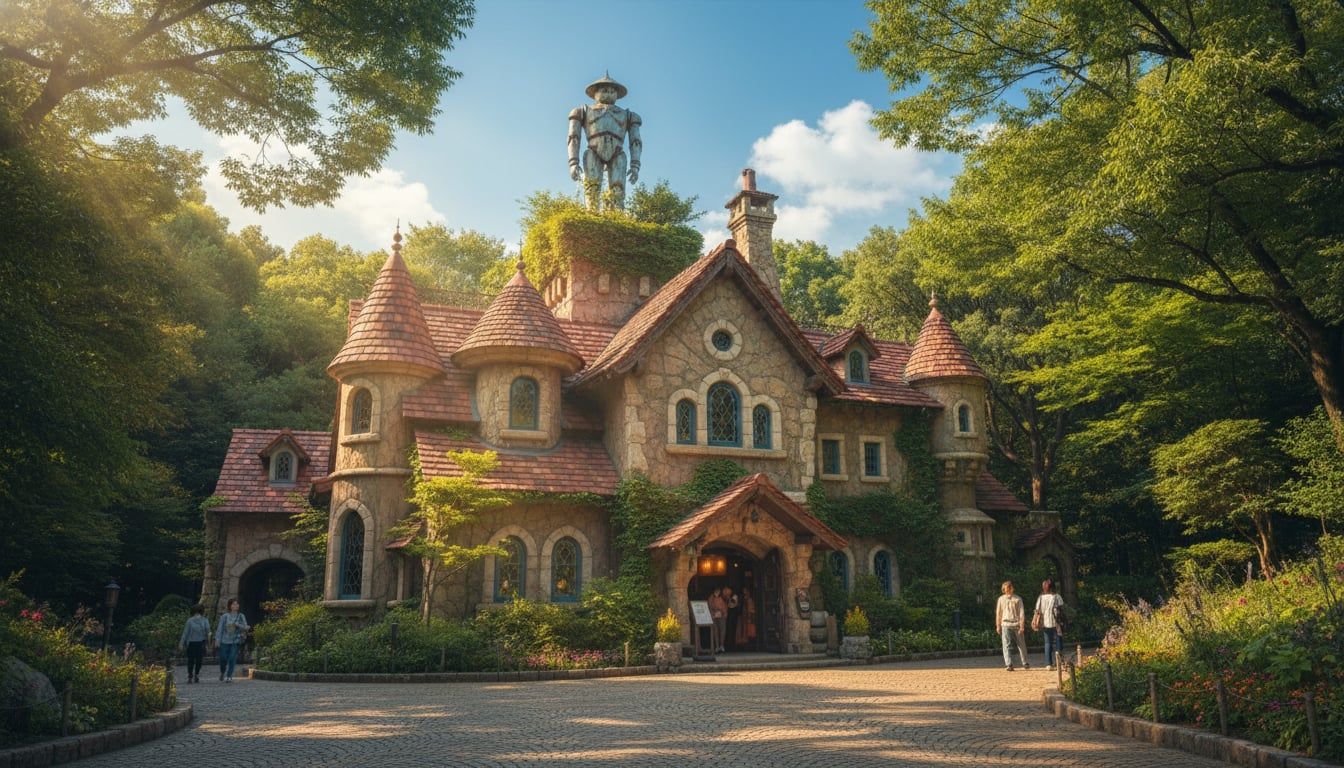
The Ghibli Museum in Mitaka — tucked inside Inokashira Park on the western edge of Tokyo — remains the single most essential Ghibli destination in Japan. Opened in 2001 and designed by Hayao Miyazaki himself, it is less a conventional museum and more a built argument that imagination should be allowed to run wherever it wants.
The building has no logical floor plan. Spiral staircases appear mid-corridor. Stained-glass panels cast coloured light across landings without warning. Narrow passages connect to unexpected rooms. Miyazaki designed it this way deliberately — visitors are meant to wander, get turned around, and find things twice.
What you'll find inside:
- Permanent exhibits on the craft of hand-drawn animation — how pencil lines become movement, how sound and light are layered to create mood
- A recreation of an animator's working studio, its desk buried under reference books, sketches, and half-finished thumbnails
- A small rooftop garden with a robot soldier from Castle in the Sky standing sentinel among the greenery
- An exclusive cinema screening short original films — never available anywhere else — included with every ticket
- A reading room stocked with illustrated books and picture volumes for quiet browsing
Tickets: Adults ¥1,000 / Students (13–18) ¥700 / Children (7–12) ¥400 / Ages 4–6 ¥100 / Under 4 free. Advance reservation is mandatory — walk-ins are not possible. Overseas visitors can book through the official portal at ghibli-museum.jp; tickets release on the 10th of each month for the following month. They sell out within hours for weekends.
Getting there: From Shinjuku, take the JR Chuo Line to Mitaka Station (25 min, ¥240), then the direct shuttle bus from the South Exit (5 min, ¥210). Alternatively, walk 15 minutes through Inokashira Park from Kichijoji Station — easily the more atmospheric approach, particularly on a clear morning when the light filters through the park's old trees.
Photography note: The permanent exhibit areas are no-photo zones. Outdoor areas, the rooftop, and the café terrace are generally fine. Respect this — the restriction exists to protect an experience that is genuinely difficult to convey in photographs anyway.
Ghibli Park, Aichi
Ghibli Park opened in late 2022 within the former Expo 2005 site in Nagakute, Aichi Prefecture. It is not a theme park in the conventional sense — there are no rides, no queues for rollercoasters, no parade routes. Instead, it is a series of carefully constructed environments that allow you to inhabit particular feelings from the films.
The park currently has five areas, each distinct in character:
Ghibli's Grand Warehouse is the largest indoor space — a repurposed exhibition hall containing permanent installations, a vintage indoor street, hands-on exhibits, a small cinema, and the park's main retail and café areas. This is the most accessible area for all ages and weather conditions.
Hill of Youth centers on the ornate Elevator Building from The Cat Returns and the European clock tower from Whisper of the Heart. The architecture is the attraction here — wrought-iron details, aged stone facades, and the uncanny sensation of being in a Central European town that has somehow relocated to a Japanese hillside.
Dondoko Forest is a wooded area built around a lovingly reproduced version of the rustic country house from My Neighbor Totoro. Children are encouraged to climb and explore the surrounding forest freely. The wooden construction is extraordinarily detailed — the kind of craftsmanship that rewards slow, close attention.
Mononoke Village (opened 2023) recreates a Tatara ironworking settlement from Princess Mononoke — thatched structures, earthen paths through cedar forest, the smell of bark and damp soil. It's quieter than the other areas and more meditative in atmosphere.
Valley of Witches (opened 2024) is the newest area, built around a cobblestoned Western European village aesthetic with clear references to Kiki's Delivery Service. A working bakery, a clock tower, and several craft-focused shops make this popular with adult visitors.
Tickets: The Grand Warehouse requires a timed reservation (approx. ¥2,500–3,000 for adults, ¥1,250–1,500 for children depending on day of week). Mononoke Village and Valley of Witches also require separate timed tickets (approx. ¥1,500–2,000 for adults). Hill of Youth and Dondoko Forest are accessible with general park entry. All advance tickets go on sale on the 10th of each month via the official Ghibli Park ticketing site or Boo-Woo Ticket.
Getting there from Nagoya: Take the Higashiyama Subway Line to Fujigaoka Station (25 min), then transfer to the Linimo maglev line to Ai-Expo Town Station (15 min). The park entrance is a short walk from the station.
From Tokyo: Tokaido Shinkansen to Nagoya (approx. 1 hr 40 min on the Nozomi), then as above.
From Osaka/Kyoto: Tokaido Shinkansen to Nagoya (35–50 min).
Real-Life Locations That Inspired the Films
This is where things get deeply rewarding for dedicated Ghibli fans. Studio Ghibli's animators referenced real places extensively — sometimes directly, sometimes as a collage of impressions. Visiting these locations doesn't require you to believe in a one-to-one correspondence between a film frame and a real street corner. It's more that you begin to understand why certain places got chosen, and that understanding changes how you see both the film and the place.
Spirited Away: The Onsen Town Feeling
Spirited Away draws on multiple sources. The bathhouse aesthetic comes partly from Miyazaki's own experiences with Japanese hot spring towns — the layered wooden architecture, the outdoor walkways, the sense that the building was added to incrementally over many decades. Two locations in particular capture this atmosphere:
Ginzan Onsen, Yamagata Prefecture — This historic hot spring village in Yamagata Prefecture is arguably the most visually evocative of the Spirited Away feeling available in Japan. Lantern-lit wooden ryokan line a narrow river on both sides. On winter evenings, when snow falls and the lanterns glow orange against the dark, the resemblance to the film's spirit world is striking enough that photographs regularly circulate online as "proof" of the inspiration. Miyazaki has not confirmed a direct connection, but the atmosphere is undeniable. Getting there requires a bullet train to Oishida Station followed by a local bus.
Dogo Onsen, Ehime Prefecture — Located in Matsuyama on Shikoku island, Dogo Onsen is one of Japan's oldest hot spring facilities and one of the visual touchstones most frequently cited in discussions of Spirited Away's architecture. The main building (Honkan), a three-story wooden structure built in 1894, has the same tiered-roof silhouette and compressed grandeur as the bathhouse in the film. It is still operational. Admission starts at ¥460 for the main bath. Matsuyama is accessible by Shinkansen connection to Okayama, then a limited express train.
Jiufen, Taiwan — Worth noting for completeness: the hillside town of Jiufen in Taiwan — with its stone stairways, red lanterns, and tea houses — is often cited as a Spirited Away inspiration, and it genuinely looks like it. Miyazaki has distanced himself from this claim specifically, saying the resemblance is coincidental. Still, if Taiwan is part of your itinerary, Jiufen is worth visiting on its own terms.
My Neighbor Totoro: Sayama Hills and the Satoyama Landscape
The rural Saitama and Tokyo countryside landscape in My Neighbor Totoro is based on the Sayama Hills (Sayama Kyuryo) — the low forested hills straddling Saitama and Tokyo prefectures. This area, sometimes called the "Totoro Forest," was actively studied by Ghibli animators before production and has since become the focus of a preservation effort.
The Totoro no Furusato National Trust has been working since the 1990s to purchase and protect parcels of the Sayama Hills forest — inspired in part by Totoro's popularity. You can support them and visit. The area is served by the Seibu Ikebukuro Line from Tokyo; several trailheads start from Higashi-Hanno and Metsa Village, the latter of which is a Nordic-themed complex near the hills. The forest itself is quiet, layered with old trees, and genuinely beautiful — a rare piece of working rural landscape within commuting distance of Tokyo.
The farmhouse interior in Totoro was based on research into traditional Japanese farmhouses of the 1950s Kanto region. The Japan Open Air Folk House Museum (Nihon Minkaen) in Kawasaki has a collection of transplanted historic farmhouses that give a strong sense of the architecture and domestic atmosphere the film recreates.
Kiki's Delivery Service: European Impressions in Japanese Cities
Kiki's Delivery Service is set in a fictional European city, and Miyazaki drew inspiration from multiple sources during a visit to Scandinavia and Central Europe before production. Within Japan, several cities carry visual echoes:
Kobe's Kitano District — The hillside Ijinkan (foreign settlement) area of Kobe, with its Western-style buildings, cobbled lanes, and harbour views, shares the same layered city-on-a-slope feeling that Koriko has in the film. The neighbourhood developed in the Meiji era when foreign traders lived here, and the mix of Victorian, Art Nouveau, and early Modern architecture is unusual in Japan.
Yokohama's Yamate District — Another former foreign settlement, the Yamate bluff district in Yokohama offers similar Western building types perched above the harbour. The Harbour View Park in particular gives the broom-flying aerial perspective that makes a Kiki fan stop and look up.
Princess Mononoke: Yakushima and the Ancient Forest
Princess Mononoke's forest imagery — the moss-covered ground, the massive cedar roots, the sense of a world that preceded human habitation by millennia — was directly inspired by Yakushima, a small island south of Kagoshima Prefecture.
Shiratani Unsuikyo, a ravine trail on the island, is where the Ghibli team conducted research and photography before production. Walking here is a genuinely otherworldly experience: the forest floor is completely carpeted in moss, the air smells of cedar and wet stone, and ancient Yakusugi cedar trees — some thousands of years old — tower above you. The trail is well-maintained but requires physical effort. Allow at least four hours for the full route; wear proper walking shoes and bring rain gear regardless of the forecast.
Getting to Yakushima requires a flight or ferry from Kagoshima. The island has accommodation ranging from simple guesthouses to ryokan. It is remote enough that a dedicated one- or two-night visit is strongly recommended rather than attempting a day trip.
What Most Visitors Don't Know
Ghibli Museum tickets cannot be transferred or refunded. The ticket is linked to your name and passport number. If you buy overseas tickets and your plans change, you cannot sell them or give them to someone else. Build flexible dates into your booking if possible.
Ghibli Park is not in Nagoya — it's 30 minutes outside. This sounds obvious, but many first-time visitors underestimate the logistics. Plan to spend a full day and avoid rushing between multiple Ghibli Park areas and Nagoya sightseeing on the same day. The park covers substantial ground.
The short films at both Ghibli Museum and Ghibli Park's Grand Warehouse change periodically. If you have visited before, there may be entirely new short films showing. Check the official sites before your trip — the films are a genuine highlight and not available anywhere else.
Ginzan Onsen in winter requires a weather check. The access road can close due to snow. Plan for potential delays and consider booking accommodation in the village itself rather than commuting in from Yamagata city. Staying overnight is the better experience regardless.
Dogo Onsen's main Honkan building has undergone restoration works. Parts of the building have been closed for renovation since 2019, with completion expected by 2027. Some bathing facilities are available in temporary facilities, and the exterior scaffolding changes the experience. Check current access status before planning your visit around it specifically.
Ghibli Merchandise: Where to Shop
Donguri Kyowakoku
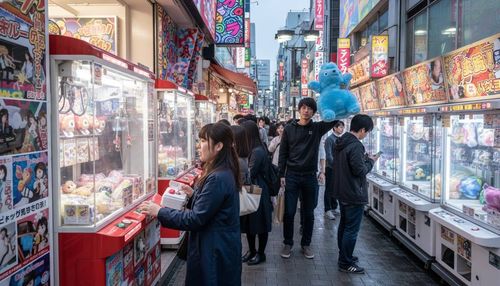
The official Studio Ghibli merchandise chain, Donguri Kyowakoku (どんぐり共和国), has branches across Japan in major shopping complexes. The range is extensive — plush toys, stationery, tableware, apparel, art prints, and character goods covering almost every Ghibli film. Prices are reasonable by Japanese character merchandise standards.
Key locations:
- Tokyo: Shinjuku (Takashimaya Times Square), Shibuya (Hikarie), Ikebukuro (Sunshine City), Harajuku (Tokyu Plaza Omotesando)
- Osaka: EXPOCITY (near Universal Studios), Umeda (HEP Five)
- Kyoto: The Cube underground mall at Kyoto Station
- Nagoya: Multiple locations near the Ghibli Park area, making a post-park stop easy to arrange
The online store ships internationally, but many items are Japan-only. The physical stores carry seasonal and regional exclusives that the online shop does not.
Museum and Park Exclusive Merchandise
Both Ghibli Museum and Ghibli Park sell items unavailable elsewhere. The Museum's shop, Mamma Aiuto!, carries items referencing specific museum exhibits and the exclusive short films. These cannot be purchased online. Park merchandise includes area-specific goods tied to each of the five zones — Mononoke Village goods, Valley of Witches items, and so on.
If visiting both venues, budget time for the shops. Lines can form during busy periods, particularly at the Museum.
Character Street, Tokyo Station
The underground character merchandise arcade beneath Tokyo Station includes a Ghibli corner that's convenient to visit if you're passing through. It's smaller than a full Donguri Kyowakoku but well-stocked and easy to reach without a dedicated detour.
Planning Your Ghibli Trip
A practical note on sequencing: most visitors to Japan spend their time in the Tokyo–Kyoto–Osaka corridor, which makes the following a workable framework.
Tokyo-based trip: Ghibli Museum in Mitaka (half day), paired with Kichijoji neighbourhood (afternoon). Day trip option: Sayama Hills via Seibu Ikebukuro Line.
Adding Nagoya: A night in Nagoya slots in well between Tokyo and Kyoto. Ghibli Park as a full day, with Nagoya Castle or the Nishiki market area on the evening you arrive.
Deeper Ghibli itinerary: Extend to include Ginzan Onsen (Yamagata), Dogo Onsen (Matsuyama/Shikoku), or Yakushima. These are meaningful additions but require two to three extra days each and are best suited to travellers specifically oriented around Ghibli.
Practical Information
| Ghibli Museum | Ghibli Park (Grand Warehouse) | |
|---|---|---|
| Location | Mitaka, Tokyo | Nagakute, Aichi |
| Open | 10:00–18:00 (closed Tue) | 10:00–17:00 (Wed–Mon) |
| Admission | ¥1,000 (adult) | ¥2,500–3,000 (adult) |
| Booking | ghibli-museum.jp | ghibli-park.jp / Boo-Woo Ticket |
| Tickets open | 10th of month prior | 10th of month prior |
| Walk-ins | Not available | Not available |
| Photography | No inside exhibits | Allowed in most areas |
| English support | Audio guide + brochure | English signage throughout |
Frequently Asked Questions
How do I get tickets for the Ghibli Museum in Mitaka?
Advance reservation is mandatory, as walk-ins are not possible. Overseas visitors can book through the official portal at ghibli-museum.jp, with tickets releasing on the 10th of each month for the following month and often selling out within hours for weekends.
Is Ghibli Park a traditional theme park with rides?
No, Ghibli Park is not a theme park in the conventional sense; it does not have rides, rollercoasters, or parade routes. Instead, it offers a series of carefully constructed environments designed to let visitors inhabit particular feelings from the films.
How do I purchase tickets for Ghibli Park?
Tickets for Ghibli Park, including timed reservations for specific areas like the Grand Warehouse, Mononoke Village, and Valley of Witches, go on sale on the 10th of each month. They can be purchased via the official Ghibli Park ticketing site or Boo-Woo Ticket.
Are there real-life locations in Japan that inspired Studio Ghibli films?
Yes, Studio Ghibli's animators referenced real places extensively, sometimes directly and sometimes
Related Guides
Exploring anime and pop culture across Japan? These articles go deeper: