Your complete guide to Akihabara in 2026 — best shops, arcades, maid cafes, and practical tips for exploring Tokyo's iconic Electric Town.
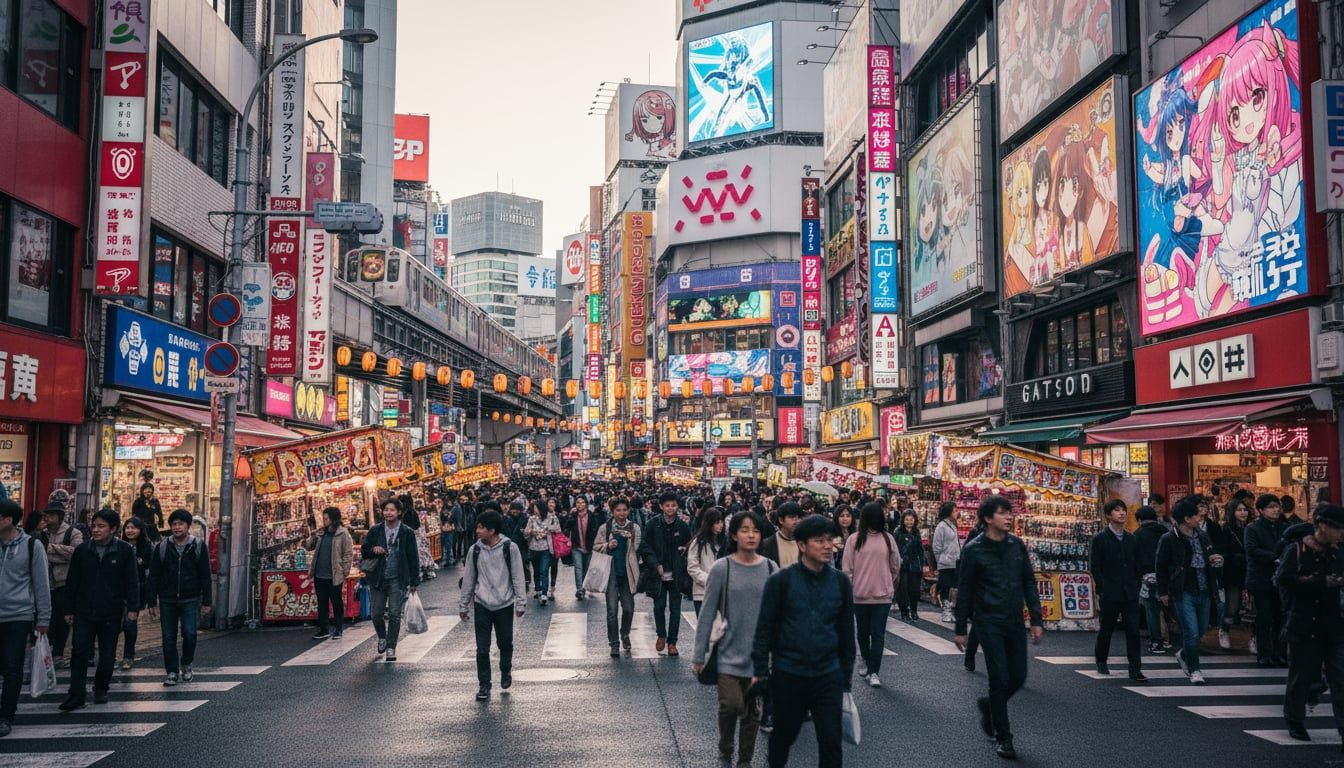
If you've ever wondered what it looks like when an entire neighborhood dedicates itself to electronics, anime, games, and pop culture, Akihabara is your answer. This dense, neon-lit district in central Tokyo is unlike anywhere else in the world — and once you step off the train, you'll understand immediately why people plan entire trips around it.
Whether you're a lifelong fan of Japanese pop culture or simply curious to see what the fuss is about, let's explore Akihabara together.
What Is Akihabara?
Akihabara — officially called Akihabara Electric Town — started as a postwar black market for electrical components. By the 1980s it had evolved into Tokyo's go-to destination for electronics, and by the 1990s and 2000s, it transformed again into the global capital of anime, manga, and gaming culture.
Today the district sits at that fascinating intersection: you can buy a vintage circuit board on the same block where a maid hands you a flyer for a themed café. Walk two minutes from a multi-floor electronics warehouse and you'll find claw machines packed with collectible figures, and arcade cabinets glowing in the dark.
The main drag is Chuo-dori, a wide avenue that closes to traffic on Sunday afternoons, becoming a pedestrian paradise. Most of the action radiates from here and from the tightly packed side streets and back alleys.
Getting to Akihabara
By Train: The easiest way is the JR Yamanote or Keihin-Tohoku Line to Akihabara Station. From Tokyo Station it's just two stops (about 4 minutes). Use the "Electric Town Exit" — you'll emerge directly onto the main street.
By Subway: The Tokyo Metro Hibiya Line stops at Akihabara Station as well, connecting directly from Ginza and Roppongi.
From Narita Airport: Take the Narita Express to Tokyo Station, then a short JR ride to Akihabara. Total journey under 90 minutes.
The Electric Town Exit drops you right into the middle of everything. You can't miss the clusters of shop signs and giant LED displays as soon as you surface.
Best Times to Visit
Weekday afternoons are the most comfortable for browsing — crowds are manageable and staff have more time for questions. Shops typically open around 10:00–11:00 AM.
Sunday afternoons (12:00–18:00) are special: Chuo-dori closes to vehicles, and the street fills with pedestrians. It has a festival atmosphere, though expect larger crowds.
Evenings are visually spectacular — the neon signs and LED displays truly come alive after dark. Good for the experience, but some smaller specialty shops close earlier (around 8:00 PM).
Avoid national holidays if you're sensitive to crowds. Golden Week in late April and early May sees the district packed to capacity.
Must-Visit Shops
Yodobashi Akiba
The enormous building you see right outside the station is Yodobashi Akiba, one of the largest electronics and media retail complexes in Japan. Eight floors cover everything from the latest laptops and cameras to gaming peripherals, DVDs, hobby supplies, and toys. If you need a universal adapter, a new SD card, or just want to browse Japan's latest tech releases, this is your first stop. Tax-free shopping is available for tourists with your passport.
Akihabara Radio Kaikan
This multi-story building has been a landmark since 1950. Today it houses dozens of specialty retailers — figure shops, model kit dealers, trading card vendors, and retro game stalls — all stacked on top of each other. It's a vertical maze worth exploring floor by floor. Prices vary widely between vendors, so it rewards comparison shopping. The building sits right at the main Akihabara intersection and is hard to miss.
Mandarake (Akihabara Complex)
Mandarake is the name in secondhand anime and manga goods. The Akihabara branch — called Complex — spans eight floors and carries an extraordinary volume of used merchandise: vintage magazines, out-of-print figures, old game software, doujinshi, and collector items that simply don't exist in regular retail. Prices are often genuinely reasonable for rare items. If you're hunting for something specific from older series, this is the place to look first. The basement and upper floors are especially well-stocked.
Super Potato
For retro gaming enthusiasts, Super Potato is a pilgrimage site. Spread across several floors, it stocks used games and hardware from the Famicom era all the way through PS2, Dreamcast, and beyond. The atmosphere is deliberately nostalgic — old consoles are displayed like museum pieces, and some are set up for customers to play. The top floor sometimes has a small retro gaming area. Prices for common titles are fair; rare items command a premium, but the selection is unrivalled.
Kotobukiya
Kotobukiya manufactures and retails high-quality plastic model kits and figures. Their Akihabara flagship showcases their full lineup across multiple floors, including exclusive colorways and limited editions only available at this location. The store is well-lit, organized, and genuinely fun to browse even if you don't plan to buy anything.
Don Quijote Akihabara
The Akihabara branch of this beloved discount chain leans heavily into pop culture merchandise — costumes, accessories, novelty items, and licensed goods fill the aisles alongside everyday products. It's open late (some locations until 5:00 AM), making it useful after other shops have closed. Prices are competitive and the sheer randomness of what you'll find is part of the appeal.
Arcades
Akihabara's arcades are a distinct experience from Western gaming centres. Multiple floors, different game genres per floor, and a culture built around mastery and collection.
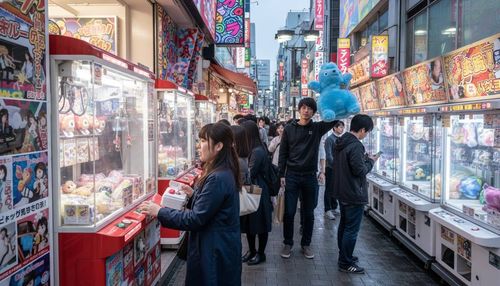
Sega Akihabara (GiGO): The former Sega buildings along Chuo-dori now operate under the GiGO brand. Multiple floors cover crane games (UFO catchers) loaded with current prize figures, rhythm games, fighting games, and competitive titles. The prize games here are competitive and freshly stocked.
Club Sega / Taito Station: Other arcade chains in the area follow the same format. Rhythm game fans will find dedicated floors to titles like maimai and Chunithm, where regulars play with extraordinary skill. Watching is free and genuinely impressive.
Bring 100-yen coins. Most machines run on ¥100–¥200 per play. Crane game prizes are legitimately winnable, unlike some tourist-trap versions abroad.
Maid Cafes
Maid cafes are a distinctly Akihabara institution. Staff dressed in maid costumes serve food and drinks while interacting with guests in a theatrically cheerful manner — think games, songs, and a lot of "welcome home, master."
The experience is participatory and slightly absurd in the best possible way. Don't go expecting gourmet food; go for the novelty and the oddly wholesome atmosphere.
@home café is one of the longest-running and most foreigner-friendly options, with multilingual staff and a clearly explained system for first-timers. Entry involves a table charge (around ¥700–¥800) plus the cost of food and drinks. Photography has rules — follow staff guidance.
Dozens of other maid cafes operate in the area, many with themes and variations. Some are tiny, intimate spaces; others are larger and more commercial. Walking the side streets you'll encounter staff handing out flyers — this is normal and not pushy.
Budget Tips
- Set a cash budget before you go. It is extremely easy to overspend in Akihabara. ATMs are available at convenience stores (7-Eleven, Lawson) and inside Yodobashi.
- Tax-free shopping applies to purchases over ¥5,000 at registered retailers. Bring your passport.
- Secondhand shops (Mandarake, Book Off, various independents) offer significant savings over new retail for many items.
- Eat in the surrounding streets, not inside the tourist-facing cafes if budget is a concern. Akihabara has plenty of ramen shops, gyudon chains, and lunch specials within a short walk.
- Crane games can drain money quickly. Set a limit per machine.
Practical Notes
- Most major shops accept credit cards, but smaller stalls and some arcades are cash-only.
- English signage is widespread in major shops; staff English ability varies but gesturing and translation apps work well.
- Luggage lockers are available at Akihabara Station if you're carrying bags from elsewhere.
- The district is compact enough to cover on foot. Wear comfortable shoes — a full day of browsing involves a lot of staircase climbing between multi-floor buildings.
FAQ
Do I need to be an anime fan to enjoy Akihabara? Not at all. The electronics history alone is worth the visit, and the energy of the district is fascinating even from a purely observational standpoint. That said, even casual curiosity about gaming or pop culture will give you more to engage with.
Is Akihabara safe? Yes. Like most of Tokyo, it's very safe. Petty crime is rare. The area is well-lit and busy, and staff in shops are accustomed to tourists. Use common sense with your belongings in crowded spaces.
How much time should I budget for Akihabara? A first visit typically runs 3–5 hours if you're actively browsing. A full day is not unusual for enthusiasts. The district is dense enough that slowing down and going deep into a few buildings is more rewarding than rushing across all of them.
Can I ship purchases home? Yes. Several shipping services operate near the station. Yodobashi and larger retailers can often arrange international shipping directly. Alternatively, Japan Post accepts packages at the nearby post office, and services like Yamato International are widely available.
Frequently Asked Questions
What is Akihabara known for?
Akihabara, also known as Akihabara Electric Town, is Tokyo's ultimate otaku district, globally recognized as the capital of anime, manga, and gaming culture, alongside its historical roots in electronics. It's famous for its dense, neon-lit streets filled with specialty shops, arcades, and maid cafes.
How do I get to Akihabara Station?
The easiest way is via the JR Yamanote or Keihin-Tohoku Line to Akihabara Station, exiting at the "Electric Town Exit." The Tokyo Metro Hibiya Line also provides direct access to Akihabara Station.
When is the best time to visit Akihabara?
Weekday afternoons offer manageable crowds for browsing, while Sunday afternoons (12:00–18:00) provide a unique festival atmosphere as Chuo-dori closes to vehicles. Evenings are visually spectacular due to the neon signs, but some smaller shops close earlier.
What are some must-visit shops in Akihabara?
Key destinations include Yodobashi Akiba for electronics, Akihabara Radio Kaikan for specialty retailers, Mandarake for secondhand anime and manga, and Super Potato for retro gaming. Kotobukiya and Don Quijote Akihabara are also popular for figures and pop culture merchandise.
What is a maid cafe experience like?
Maid cafes are a unique Akihabara institution where staff in maid costumes serve food and drinks, interacting with guests in a cheerful, theatrical manner. @home café is a well-known, foreigner-friendly option that offers a participatory and novel experience.
Explore More
If Akihabara sparked your interest in Japan's gaming and pop culture scene, these guides go deeper into specific experiences across the country:
- Japan Gaming Arcades Guide: Everything You Need to Know
- Japan Manga Cafe Guide: How to Spend a Night in a Manga Kissa
- Nipponbashi: Osaka's Answer to Akihabara
- Japan Themed Cafes Guide: From Cats to Owls to Full Cosplay
- Japan Maid Cafe Guide: What to Expect, Where to Go & How to Enjoy — your complete first-timer's guide to Akihabara's most theatrical experience
- Japan Figure Collector Guide: Where to Buy Anime Figures & Nendoroids — the best figure shops in Akihabara and beyond
- Japan Arcade Prize Games Guide: UFO Catchers & How to Actually Win — strategies and tips for Akihabara's crane game floors
- VTuber Culture in Japan: What Visitors Should Know About Virtual YouTubers — where to find merch, attend live events, and experience virtual idol culture in Akihabara and beyond