Discover seichi junrei — visiting real anime and manga filming locations across Japan, from Tokyo shrines to Osaka's Den Den Town.
There is something deeply moving about standing in a place you have only ever seen drawn on a screen. The same light falling across the same steps. The same view stretching out exactly as a animator once captured it. This is the heart of seichi junrei — anime pilgrimage — and it has become one of the most personal and rewarding ways to travel Japan.
Seichi junrei (聖地巡礼) literally means "sacred place pilgrimage," and while the term has roots in religious travel, anime fans have adopted it to describe the practice of visiting real-world locations that inspired, or were faithfully recreated in, anime and manga. These spots range from famous Tokyo shrines to quiet countryside train crossings, from old Kyoto backstreets to the neon-lit arcades of Osaka. Japan is extraordinarily dense with them.
What Makes a Location a Seichi
Most anime is set in fictional places, but production studios frequently base their backgrounds on real locations. Teams travel with cameras, sketch the angles, measure the light. The resulting scenes can be eerily accurate — the same railing, the same bend in the road, the same way afternoon sun hits a tiled roof. When fans recognize these spots and visit them, a kind of quiet community forms around shared experience.
Some series are explicit about their real-world settings. Others keep it ambiguous, though devoted fans have mapped nearly every frame. Finding a location that took serious research feels genuinely rewarding, which is part of why pilgrimage has become its own subculture within fandom.
Iconic Pilgrimage Spots Across Japan
Your Name — Suga Shrine, Tokyo
Makoto Shinkai's 2016 film "Your Name" (Kimi no Na wa) is arguably responsible for introducing seichi junrei to a global audience. The Suga Shrine staircase in Shinjuku is perhaps the single most recognizable anime pilgrimage destination in Japan. Fans climb the steps and photograph the view that appears repeatedly throughout the film. The surrounding Yotsuya neighborhood also contains several other recognizable scenes. Getting there is easy — a short walk from Yotsuya Station on the JR Chuo Line.
Slam Dunk — Kamakura Crossing
The opening sequence of the basketball manga and anime Slam Dunk, which ran through the 1990s and returned as a theatrical film in 2022, features a railway crossing near Kamakura. The Koshigoe level crossing on the Enoshima Electric Railway has become one of the most photographed spots in the Shonan coastal area. Fans line up patiently to recreate the shot. It requires consideration for local residents and other train passengers, but the setting itself — sea glimpses, a rattling coastal train, pine-lined roads — is genuinely charming regardless of fandom.
Spirited Away — Jiufen, Taiwan and Japanese Inspirations
The Ghibli film "Spirited Away" was inspired partly by the hillside town of Jiufen in Taiwan, but the bathhouse aesthetic, the winding stone steps, and the lantern-lit atmosphere are drawn from multiple Japanese sources as well. Edo-era hot spring towns, particularly in Yamagata and Gunma prefectures, carry visual echoes of the film. The Ghibli Museum in Mitaka (Tokyo) offers a closer official encounter with Miyazaki's worlds — though tickets must be booked well in advance through a lottery system.
Demon Slayer — Asakusa and Beyond
"Demon Slayer" (Kimetsu no Yaiba) opens in the Asakusa area of Tokyo, which makes the neighborhood a natural starting point for pilgrimage. The Senso-ji temple grounds and the traditional shopping street of Nakamise appear in spirit if not always in exact detail. Various shrines in the Kyushu region, particularly in Fukuoka and Kumamoto prefectures, have also been connected to scenes and aesthetics in the series. Several of these shrines now welcome anime visitors openly, selling themed goods and occasionally setting up photo spots.
Jujutsu Kaisen — Tokyo's Everyday Backdrops
"Jujutsu Kaisen" uses Tokyo as its primary canvas. The Tokyo Metropolitan Curse Technical College in the story is loosely based on the Tokyo Metropolitan College of Technology in Shinagawa. Shibuya plays a crucial role in later arcs, and the ward's scramble crossing and underground areas carry weight for fans of the series. The show also features Sendai, giving that northern city its own pilgrimage draw.
Osaka and Kansai Anime Spots
Detective Conan — Osaka Connections
The long-running detective series "Detective Conan" (Case Closed) has deep ties to Osaka. Several story arcs take place in the city, and fans trace locations through Namba, Shinsaibashi, and the older Dotonbori area. The city's energy — louder, more self-deprecating than Tokyo — suits the series' Osaka detective Heiji Hattori perfectly. Themed merchandise appears regularly in local shops.
Gintama's Edo — Finding the Spirit in Osaka
"Gintama" is set in a fictional version of Edo-era Tokyo, but its irreverent humor and working-class merchant district atmosphere translate naturally to Osaka's Shinsekai and Tsuruhashi neighborhoods. These aren't official filming locations, but longtime Gintama fans often find the crammed shotengai (shopping arcades) and old public bath signs evoke the series' visual texture in a way that polished tourist districts simply don't.
Den Den Town (Nipponbashi) — Osaka's Anime District
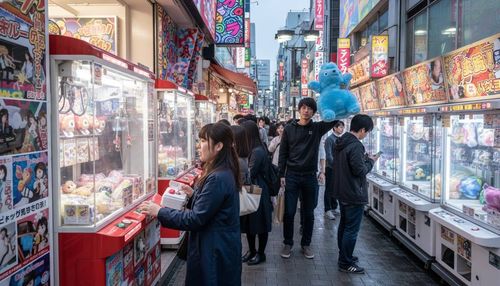
If Akihabara is Tokyo's anime heartland, then Den Den Town in Osaka's Nipponbashi district is its Kansai counterpart. Stretching roughly between Namba and Ebisucho stations on the Sakaisuji subway line, Den Den Town is dense with electronics shops, doujinshi (fan comic) stores, figure retailers, cosplay costume suppliers, and retro game dealers.
The atmosphere is slightly less commercialized than Akihabara and has a reputation for better prices on vintage items and second-hand merchandise. Cosplay culture is visible on weekends, and the area hosts its own events throughout the year. For anyone spending time in Osaka, an afternoon in Den Den Town is a comfortable complement to the food-focused Dotonbori experience nearby.
Akihabara — Tokyo's Anime and Manga Hub
Akihabara in central Tokyo remains the symbolic center of anime culture. The main shopping street is lined with multi-floor stores selling figures, manga volumes, artbooks, games, and licensed goods covering virtually every series from the past five decades. Animate, Yodobashi Camera's media section, and countless specialist shops compete for floor space.
Beyond shopping, Akihabara contains maid cafes — themed dining experiences with a long history in otaku culture — as well as game centers, doujinshi markets, and event spaces. New series releases, voice actor appearances, and limited product drops frequently happen here. It is worth visiting even for casual fans as a kind of living museum of the industry.
How to Find Pilgrimage Locations
Apps and Fan Sites
The most reliable pilgrimage tool is a combination of dedicated apps and community-maintained fan sites. The Japanese app "Anime Spot" aggregates verified location data for hundreds of series. "Pilgrimage.jp" and various fan wikis maintain photo-matched location databases, often including GPS coordinates and suggested camera angles.
For series without formal databases, fan communities on X (formerly Twitter), Reddit, and Japanese platforms like 5chan maintain active threads where location hunters share findings. Searching the series title alongside the word "seichi" in Japanese often surfaces the most complete resources.
Google Street View is a surprisingly effective research tool — cross-referencing background art with street-level imagery has become a standard method for location hunters working independently.
Manga Kissa (Manga Cafes)
A manga kissa (manga cafe, sometimes called a net cafe) is a practical and culturally interesting part of any anime pilgrimage trip. These establishments offer private booths stocked with thousands of manga volumes, internet access, soft drinks, and often shower facilities. They serve as overnight accommodation for budget travelers and as quiet reading rooms for those who want to catch up on a series before visiting its locations.
Pricing is typically by the hour, with all-night flat rates that make them genuinely economical for short stays. Chains like Manga King, Manboo, and Com's Cafe operate across major cities. English menus are becoming more common, though some basic Japanese navigation is helpful.
Etiquette at Pilgrimage Sites
Seichi junrei is not without tension. Some popular locations are residential areas where residents have grown frustrated with fans photographing private homes, blocking traffic, leaving trash, or gathering in large groups at early morning or late night hours.
A few guidelines apply to all pilgrimage visits. Keep your voice low, particularly in quiet neighborhoods. Never photograph through private property fences or windows. If a location has posted requests — many now do, in multiple languages — follow them without exception. Do not block roads, intersections, or railway crossings for photographs. Take all rubbish with you.
Several communities have had to restrict access entirely due to inconsiderate visitors. Treating a pilgrimage site with the same respect you would give any home neighborhood ensures these places remain accessible for future visitors and maintains goodwill between fan communities and local residents.
Anime Museums and Official Experiences
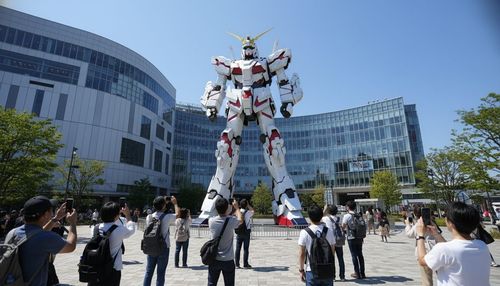
The Ghibli Museum in Mitaka, on the western edge of Tokyo, is the benchmark for anime museum experiences in Japan. It is small, deliberately unconventional, and does not display exhibits in any particular order — a design choice that reflects Miyazaki's own aesthetics. Advance ticket booking through the official lottery system is essential; walk-in admission is not available.
The Kyoto Animation Museum in Uji, Kyoto prefecture, opened as a tribute to the animation studio and its works following the 2019 tragedy that struck the company. It offers detailed exhibitions on the production process and the studio's distinctive visual approach. Kyoto Animation's films and series — including "A Silent Voice," "Violet Evergarden," and "The Melancholy of Haruhi Suzumiya" — have their own dedicated pilgrimage sites throughout the Uji and Lake Biwa region.
Seasonal Anime Events
Japan's anime event calendar is year-round. Comiket (Comic Market), held twice annually at Tokyo Big Sight in summer and winter, is the world's largest fan-made comics convention and draws hundreds of thousands of visitors over multiple days. Tickets require advance registration and the crowds are formidable, but the scale of creative work on display is unlike anything else.
AnimeJapan, held in spring at Tokyo Big Sight, is the major industry trade event, with studio presentations, new series announcements, and licensed merchandise exclusive to the event.
Kyoto International Manga Anime Fair (Kyomaf) runs in autumn and focuses on Kansai-based productions, giving the region its own major event. Osaka's Nipponbashi Street Festa, held in spring, transforms Den Den Town into an open-air cosplay festival that draws participants from across the country.
Getting the Most from Your Pilgrimage
The most satisfying seichi junrei trips tend to combine a small number of researched priority locations with time for spontaneous discovery. Japan's cities are layered with visual references that go unnoticed without context, and part of the pleasure of pilgrimage is developing an eye for them over the course of a trip.
Traveling with a printed or downloaded location list, a flexible itinerary, and genuine curiosity about the neighborhoods surrounding each spot tends to produce better experiences than rushing between locations on a tight schedule. The places that inspired artists were worth visiting before any series was made. They remain worth visiting on their own terms.
Seichi junrei, at its best, is not about recreating a screenshot. It is about understanding why an artist chose this particular staircase, this light, this angle — and finding something real and lasting in that choice.
Frequently Asked Questions
What is seichi junrei?
Seichi junrei (聖地巡礼) literally means "sacred place pilgrimage" and refers to the practice of visiting real-world locations that inspired or were faithfully recreated in anime and manga. It has become one of the most personal and rewarding ways to travel Japan for anime fans.
What are some popular anime pilgrimage locations in Japan?
Iconic spots include the Suga Shrine staircase in Tokyo from "Your Name" and the Kamakura Crossing from "Slam Dunk." Other popular areas are Asakusa for "Demon Slayer," and various Tokyo and Osaka locations for "Jujutsu Kaisen" and "Detective Conan."
How can I find specific anime pilgrimage locations?
The most reliable tools are dedicated apps like "Anime Spot" and community-maintained fan sites such as "Pilgrimage.jp," which often include GPS coordinates. Google Street View is also an effective research tool for cross-referencing background art with street-level imagery.
Where are the best places to shop for anime merchandise in Japan?
Akihabara in central Tokyo is the symbolic center, offering multi-floor stores for figures, manga, and games, along with maid cafes. In Osaka, Den Den Town (Nipponbashi) is its Kansai counterpart, known for electronics, doujinshi, and vintage items.
Are there anime pilgrimage spots outside of Tokyo?
Yes, many series feature locations across Japan, such as the Kamakura Crossing near Kamakura for "Slam Dunk" and various shrines in Kyushu for "Demon Slayer." Osaka is also a key pilgrimage destination for series like "Detective Conan" and offers its own unique anime atmosphere.
Related Guides
- Studio Ghibli Fan Guide: Museums, Real-Life Locations & Ghibli Park — Ghibli Museum, Ghibli Park, and the real-world places that inspired Spirited Away and Totoro
- Japan Anime Museums Guide: From Ghibli to Gundam and Beyond — practical guide to every major anime museum in Japan
- Akihabara Otaku Guide: Tokyo's Ultimate Otaku District — the essential district for any anime fan visiting Tokyo
- Tokusatsu in Japan: Where to Visit Ultraman, Kamen Rider & Super Sentai Spots — museums, studios, and themed experiences dedicated to Japan's live-action special effects heroes