Your complete guide to Japan's best anime and manga museums — tickets, access, and what to expect at each.
Japan isn't just where anime is made — it's where you can step inside it. From forest-wrapped studios that inspired the Totoro universe to full-scale Gundam robots that tower over city plazas, the country offers a remarkable range of anime and manga museums. Whether you're traveling with kids, on a solo pilgrimage, or just casually curious, this guide covers the most worthwhile destinations, what each one actually feels like to visit, and everything you need to plan your trip.
Studio Ghibli Museum, Mitaka (Tokyo)
The Ghibli Museum in the western Tokyo suburb of Mitaka remains one of Japan's most beloved cultural attractions. Nestled in Inokashira Park, the building itself feels like a living installation — spiral staircases wind past stained glass windows, a rooftop garden overlooks the park, and a full-size Cat Bus sits waiting for children to climb inside.
Tickets must be purchased in advance through Lawson convenience stores or the official lottery system — you cannot buy them at the door. Monthly slots open on the 10th of the previous month, and popular dates sell out fast. The museum is intentionally small, with no clear routing, encouraging you to wander and discover at your own pace.
Access: 15 minutes from Shinjuku via the Chuo Line to Mitaka Station, then a 15-minute walk or shuttle bus through the park.
For a deeper breakdown of both the museum and Ghibli Park in Aichi, see our full Studio Ghibli Museum & Park guide.
Ghibli Park, Nagakute (Aichi)
Opened in 2022 within the Expo 2005 Aichi Commemorative Park, Ghibli Park is an altogether different kind of experience from the Mitaka museum. Rather than a traditional exhibition hall, it's a series of themed areas spread across a forested park — you walk between them, encountering Howl's Moving Castle mechanisms, the Hill of Youth building, and the lush Dondoko Forest where a giant Totoro statue waits at the end of a wooded path.
Tickets are timed and area-specific, sold via lottery on the official Ghibli Park website. The park rewards slow exploration — bring comfortable shoes and plan for at least half a day.
Access: 25 minutes from Nagoya Station on the Linimo monorail to Ai-chikyuhaku-kinen-koen Station.
Life-Size Gundam Statues: Fukuoka and Odaiba
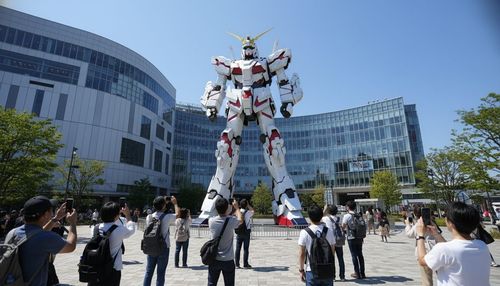
The original 1:1 scale Gundam statue in Odaiba (Tokyo) launched a nationwide phenomenon, and while the Yokohama Gundam Factory outdoor experience has ended, two major sites remain active.
Fukuoka — RX-93ff Hi-Nu Gundam: The most advanced of all the life-size statues, this 24-meter mobile suit outside Fukuoka's LaLaport mall performs timed movement sequences throughout the day, with its head turning, shoulders shifting, and lights activating. Free to view from outside; access to the mall and surrounding plaza is open without charge. The sheer scale is genuinely staggering in person.
Odaiba — RX-0 Unicorn Gundam: The Unicorn Gundam outside DiverCity Tokyo Plaza transforms between its standard white form and Destroy Mode on a timed schedule (roughly every two hours). This transformation — accompanied by music and light effects — is one of the most memorable free spectacles in Tokyo. The mall also houses a small Gundam Base retail floor with models and merchandise.
Access (Fukuoka): 15 minutes from Hakata Station by subway to Kashiihama, then a short walk to LaLaport Fukuoka. Access (Odaiba): Yurikamome Line to Daiba Station, 5-minute walk to DiverCity.
Osamu Tezuka Manga Museum, Takarazuka (Hyogo)
Takarazuka — famous for its all-female theater troupe — is also the childhood home of Osamu Tezuka, the creator of Astro Boy, Black Jack, and Kimba the White Lion. The museum dedicated to his life and work is compact but thoughtfully curated, tracing his development from childhood sketches to the foundational visual language he gave to the entire manga industry.
The reading library (free-access) contains thousands of Tezuka volumes that visitors can browse at their leisure. A small theater screens short animated films, and rotating exhibitions dig into specific periods or themes from his career. It's a genuinely moving experience for anyone who grew up with his work — or wants to understand where modern manga came from.
Access: 10 minutes from Osaka's Umeda area via the Hankyu Takarazuka Line to Takarazuka Station. Museum is a 10-minute walk from the station.
Tickets: ¥700 adults, ¥300 children (7–15). No advance booking required.
Fujiko F. Fujio Museum, Kawasaki
Dedicated to the co-creator of Doraemon, this museum in Kawasaki is one of the most charming anime experiences in the greater Tokyo area. Original manuscripts are displayed under glass, showing Fujiko's precise linework and editorial notes. There's a replica of his studio, a short exclusive animated film screened only here, and an outdoor terrace with a photo-worthy Doraemon sculpture.
The in-house café serves themed food and drinks — Doraemon's beloved dorayaki pancakes appear in several forms on the menu.
Tickets: Must be purchased in advance through Lawson (same system as the Ghibli Museum). A maximum of four tickets per purchase. Access: 15 minutes from Shinjuku to Noborito Station (Odakyu Line), then the museum's dedicated shuttle bus (¥210 each way).
Family note: Strongly recommended for families with young children. The atmosphere is unhurried and the staff are genuinely welcoming.
Kyoto International Manga Museum
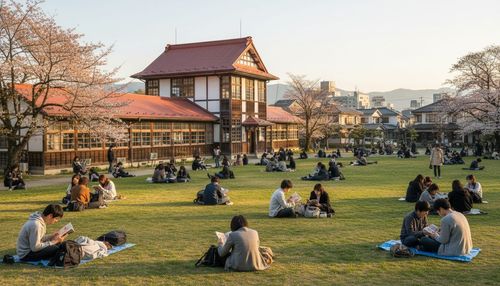
Set inside a renovated elementary school building in central Kyoto, this museum takes a more academic approach than most on this list — and it's better for it. Over 300,000 manga volumes line floor-to-ceiling shelves in former classrooms, and visitors can pull any title and read it on the spot. No need to stick to what you know; browsing is half the point.
Rotating exhibitions cover manga history, original artwork, and international comics traditions. The courtyard lawn is popular with locals who bring volumes outside to read in the sun.
Access: 5 minutes on foot from Karasuma-Oike Station (Karasuma and Tozai subway lines). Tickets: ¥900 adults, ¥400 children. Open Wednesday to Monday; closed Tuesday.
Sanrio Puroland, Tama (Tokyo)
Sanrio Puroland is an entirely indoor theme park in Tama, about an hour from central Tokyo, dedicated to Hello Kitty, My Melody, Cinnamoroll, and the wider Sanrio universe. Unlike outdoor parks, it operates rain or shine, making it a reliable choice on uncertain weather days.
The parades and live shows run throughout the day on a set schedule — the morning parade is quieter and easier to photograph. Character meet-and-greet times are posted at the entrance each morning.
Access: Keio Line from Shinjuku to Tama-Center Station, then 5 minutes on foot. Tickets: ¥4,900 adults (weekday), higher on weekends — book online in advance for small discounts. Family note: Best for children aged 4–10, though the production quality of the shows appeals to adults too.
Anpanman Museums (Multiple Locations)
The Anpanman character — a superhero whose head is made of sweet bean bread — is among the most recognizable characters for Japanese children under age six. Museums dedicated to Anpanman operate in Yokohama, Fukuoka, Kobe, Nagoya, Sendai, and Sapporo, each with a broadly similar format: themed play areas, character encounters, a dedicated shopping mall, and food stalls serving Anpanman-shaped goods.
The Yokohama location is the largest and most accessible from Tokyo (20 minutes from Yokohama Station by taxi or bus). Each museum charges a separate entry fee from the surrounding shopping complex; check the individual museum website for current pricing.
Who it's for: Almost exclusively families with children under 8. Older visitors can enjoy the nostalgic merchandise, but the queues and scale are calibrated for small humans.
Suginami Animation Museum, Tokyo (Free)
Suginami Ward in Tokyo is home to dozens of animation production studios, and this small, free museum celebrates that heritage. Interactive exhibits walk through the history of Japanese animation, including hands-on stations where visitors can try drawing frames, checking animation timing, and understanding the production pipeline.
It doesn't have the spectacle of the larger paid museums, but as a genuine education in how anime gets made, it's excellent — and the price is unbeatable.
Access: 5 minutes from Ogikubo Station (JR Chuo Line or Tokyo Metro Marunouchi Line). Open Tuesday to Sunday, 10:00–18:00. Admission: Free.
Planning Your Anime Museum Trip
Booking ahead is essential. The Ghibli Museum, Fujiko F. Fujio Museum, and Ghibli Park all require advance ticket purchase — often weeks out. Check official sites as soon as your travel dates are confirmed.
Clustering by city saves time. Pair the Ghibli Museum with the Suginami Animation Museum in Tokyo; combine the Tezuka Museum with a Hankyu day trip from Osaka; visit the Odaiba Gundam as part of a broader Odaiba afternoon.
Allow more time than you think. Most visitors underestimate how long they spend in reading libraries, merchandise shops, and café queues.
FAQ
Do I need to speak Japanese to enjoy these museums? Most major museums offer English-language audio guides or bilingual signage at the key exhibitions. The Ghibli Museum and Fujiko Museum have limited English materials, but the visual experience carries most of the meaning regardless of language.
Which museum is best for non-anime fans traveling with anime fans? The Kyoto International Manga Museum works well for mixed groups — the building and browsing atmosphere are enjoyable independent of anime knowledge, and the academic framing appeals to cultural tourists. Suginami Animation Museum is also a low-commitment, genuinely interesting choice.
Are these museums suitable for very young children (under 5)? Anpanman Museums are purpose-built for that age group. Sanrio Puroland works well for ages 3 and up. The Ghibli Museum has a dedicated Cat Bus room for young children, though the overall pace is better suited to ages 5+.
Can I visit multiple anime museums in one trip? Easily, with some planning. A Tokyo-based itinerary can comfortably cover the Ghibli Museum, Fujiko F. Fujio Museum, Suginami Animation Museum, and the Odaiba Gundam statue across three days. Adding Kyoto Manga Museum requires an overnight or a day trip from Osaka.
Frequently Asked Questions
How do I get tickets for the Studio Ghibli Museum in Mitaka?
Tickets for the Ghibli Museum must be purchased in advance through Lawson convenience stores or the official lottery system, as they are not sold at the door. Monthly slots open on the 10th of the previous month
Explore More
If this guide sparked your interest, these related articles go deeper on specific experiences:
- Studio Ghibli Museum & Ghibli Park: The Complete Guide — Tickets, logistics, and what to expect at both locations
- Studio Ghibli Fan Guide: Museums, Real-Life Locations & Ghibli Park — Real-world filming locations, merchandise shops, and a full trip-planning guide
- Japan Anime Pilgrimage Guide — Filming locations and real-world settings from your favorite series
- Akihabara: Tokyo's Otaku Culture District — Shopping, arcades, maid cafés, and the full Electric Town experience
- Tokusatsu in Japan: Where to Visit Ultraman, Kamen Rider & Super Sentai Spots — museums and studios dedicated to Japan's live-action special effects heroes