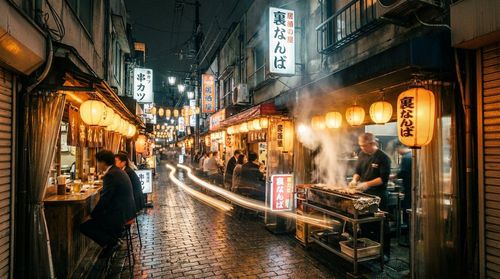
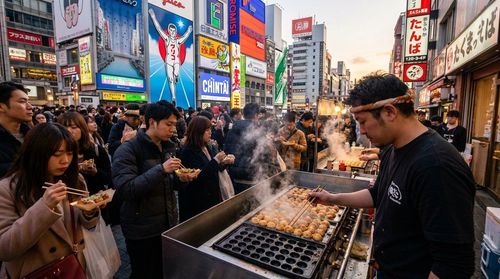
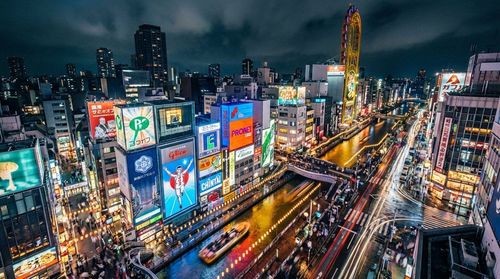
Osaka's answer to Akihabara — but less crowded and more fun. From retro games at Super Potato to maid cafes on Otaroad, this is your guide to Den Den Town.
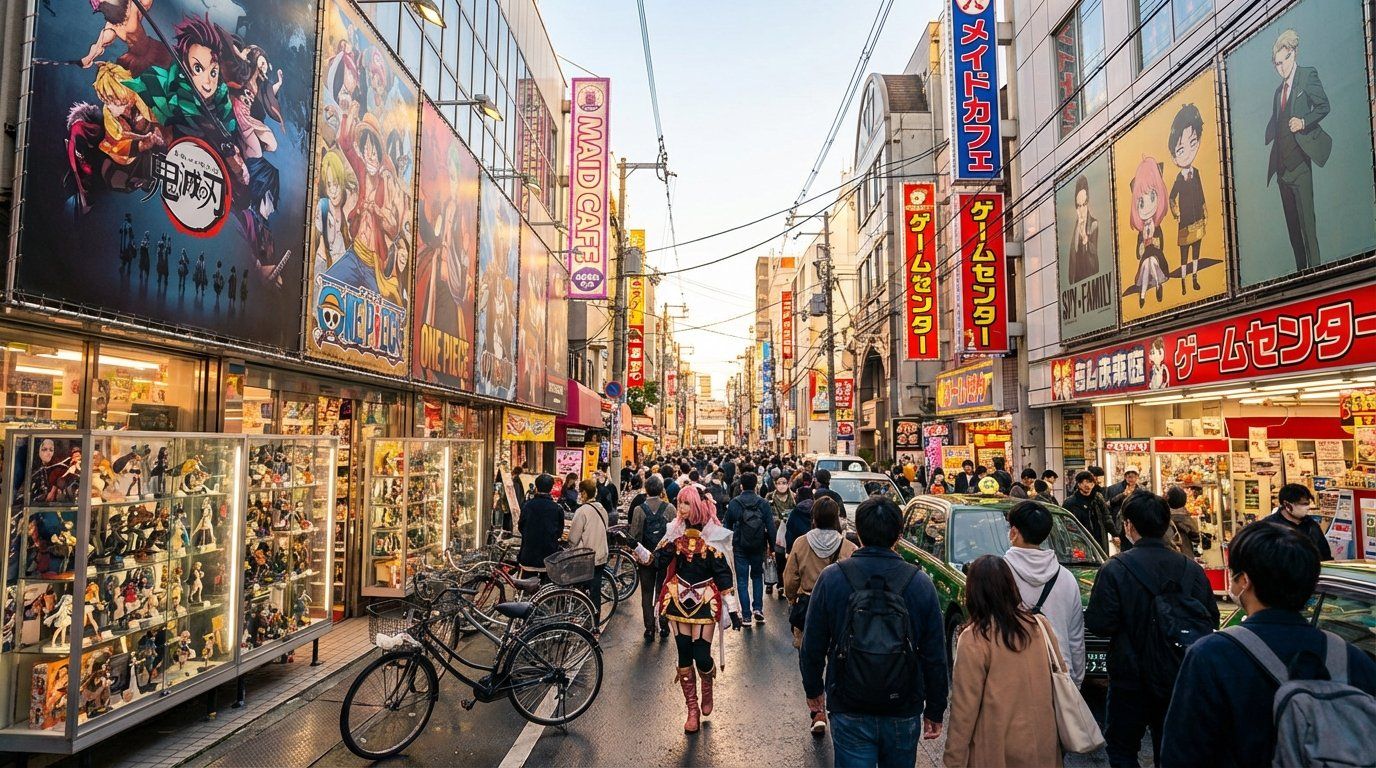 Image for illustrative purposes only.
You came to Osaka and someone told you to skip Akihabara. They were right — Nipponbashi is better, cheaper, and less crowded. Here's how to do it properly.
Quick Reference
- Nearest station: Nipponbashi Station (Exit 10, direct access) or Namba Station (5-min walk south from Exit 5)
- Best hours: 11:00–20:00 daily; most shops open around 11am
- Budget: ¥3,000–10,000+ depending on shopping; maid cafe sessions from ¥2,000
- How long: 2–3 hours for serious browsing; 1 hour for a quick visit
- Area: Between Namba and Shin-Imamiya, Osaka Minami district
What You'll Find in This Guide
- The difference between Den Den Town and Otaroad — and which to visit first
- The must-visit shops: Super Potato, Mandarake, Animate, and trading card stores
- How maid cafes actually work (pricing, etiquette, what to expect)
- The annual Nipponbashi Street Festa cosplay parade
- Insider tips on prices vs. Akihabara and how to combine with nearby Namba
- Full access table, budget breakdown, and related guides
Everyone knows Akihabara. It's Tokyo's famous electric town, the global symbol of Japanese otaku culture, and a must-visit on every guidebook list.
But ask an Osaka otaku where they actually shop, and they'll point you somewhere else entirely: Nipponbashi (日本橋), home to Den Den Town (でんでんタウン) and its wilder, more chaotic sibling, Otaroad (オタロード).
You'll find the same offerings — anime, manga, retro games, figures, trading cards, cosplay, maid cafes — but with an Osaka twist. The shops are less polished, the prices are often lower, the staff are friendlier, and you can actually breathe on a Saturday afternoon. If Akihabara is the corporate headquarters of otaku culture, Nipponbashi is its scrappy, authentic neighborhood branch.
Den Den Town vs. Otaroad: Understanding the Layout
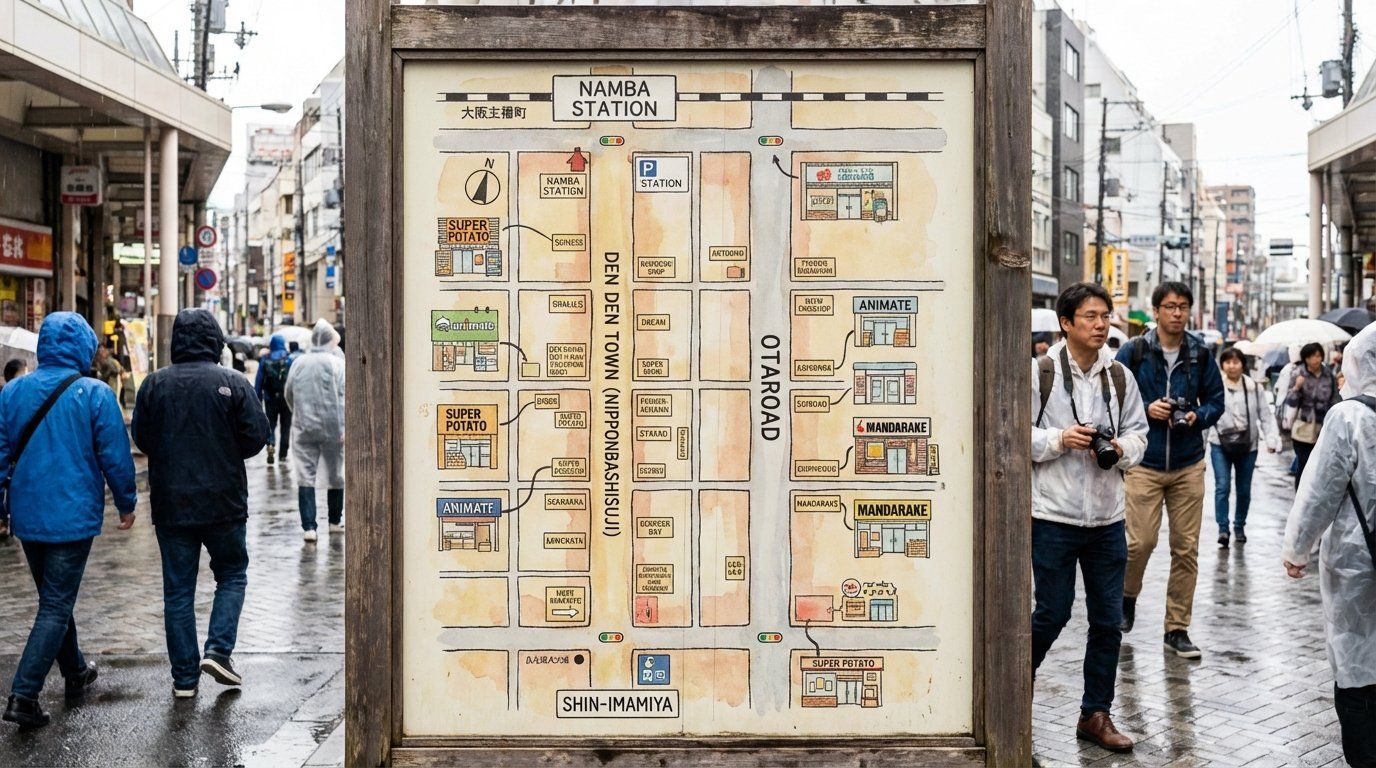 Image for illustrative purposes only.
The area sits in the heart of Osaka's Minami district, running along two parallel streets, roughly 600 meters long, south of Namba Station.
Nipponbashisuji: The Original Den Den Town
Nipponbashisuji Shopping Street (日本橋筋商店街) runs along Sakaisuji (堺筋) avenue. This is the original Den Den Town — denki no machi (電気の街, "Electric Town"). It started as an electronics district in the postwar era, selling radios, TVs, and components. While electronics shops remain, the street has increasingly shifted toward anime, gaming, and hobby shops.
Otaroad: Full Otaku Immersion
Otaroad (オタロード) runs parallel, one block west. This is where the otaku transformation is complete. Where Den Den Town still has the occasional vacuum cleaner shop, Otaroad is entirely dedicated to figure stores, manga shops, trading card boutiques, and maid cafes. It's the newer, brasher, more specialized of the two streets.
Walking strategy: Start at Namba Station (south exit), walk south along Otaroad to get the full otaku immersion, then loop back north through Den Den Town's Nipponbashisuji for the electronics and hobby stores. The whole loop takes 2-3 hours if you're browsing seriously.
The Must-Visit Shops
Super Potato: Retro Gaming Heaven
The crown jewel of Nipponbashi's gaming scene. Super Potato specializes in retro video games — Famicom, Super Famicom, Nintendo 64, Sega Saturn, PlayStation 1 and 2, Game Boy, and systems you forgot existed. The shelves are stacked floor to ceiling with cartridges, controllers, and consoles. The smell of aged plastic and dust carries a peculiar nostalgia even if you've never held a Famicom controller before.
Prices are fair and clearly marked. A classic Super Mario Bros. cartridge might run ¥500-1,000. Rarer titles and limited editions command significantly more. The upper floor often has playable retro consoles where you can test before buying.
Mandarake: The Everything Store
Mandarake is Japan's largest chain of secondhand otaku goods, and the Nipponbashi location is massive. Multiple floors of used manga, rare figures, vintage toys, cosplay equipment, doujinshi (fan-made comics), and collectibles of every imaginable franchise.
The figure section is particularly impressive — glass cases filled with meticulously organized characters from every era of anime, priced from ¥300 for common items to hundreds of thousands of yen for ultra-rare collectibles. Even if you're not buying, browsing Mandarake is a museum-quality experience.
Animate: New Releases and Mainstream
Animate is Japan's largest anime goods chain, and this location stocks everything current — the latest manga volumes, character goods, soundtracks, keychains, posters, and seasonal merchandise. If it's trending on Japanese social media this week, Animate has it.
Trading Card Shops
Nipponbashi has a dense cluster of trading card specialty shops — Pokemon, Yu-Gi-Oh, One Piece Card Game, and the newer Japanese card games that haven't yet reached global markets. Some shops have play spaces where you can watch (or join) card battles.
Maid Cafes: A First-Timer's Guide
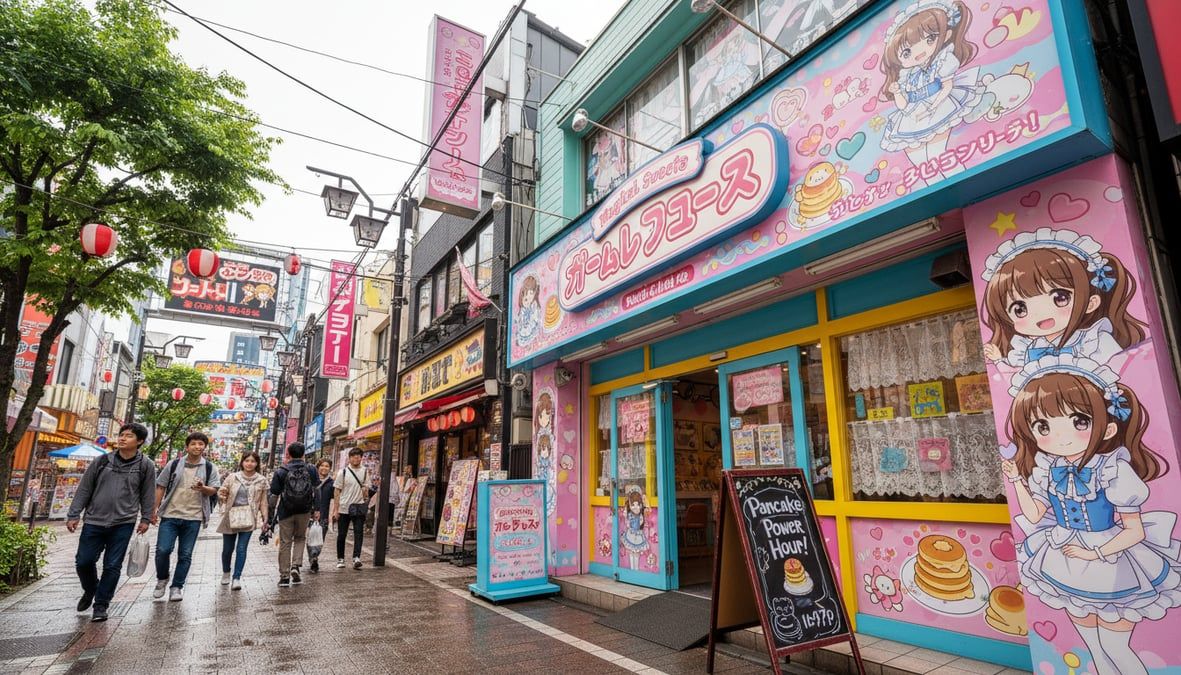 Image for illustrative purposes only.
Maid cafes are a uniquely Japanese dining experience where waitresses dressed as maids serve food and drinks with elaborate performances — casting "spells" on your omurice (omelette rice), performing songs, playing games, and generally creating an atmosphere of cheerful absurdity.
How it works:
- Choose a cafe — Otaroad has several. Look at the menu and pricing displayed outside
- You'll usually pay a table charge (¥500-800) per 30-60 minute session
- Order food and drinks (¥800-1,500 per item on average)
- The maid will perform a ritual over your food (the "moe moe kyun" charm)
- Photo rules vary — some allow photos with maids for an additional fee
- Leave when your time slot ends or extend if you're having fun
Budget: Expect ¥2,000-3,500 for a basic session with one food item and one drink.
Etiquette: Don't touch the maids. Don't take unauthorized photos. Do participate enthusiastically in the performances — the more you lean into it, the more fun everyone has.
Nipponbashi Street Festa
Every March, Nipponbashi transforms for the Nipponbashi Street Festa (日本橋ストリートフェスタ) — a massive cosplay parade and street festival that draws tens of thousands of visitors. Cosplayers from across Japan (and increasingly, internationally) fill the streets in elaborate costumes, voice actors give talks, and the entire neighborhood becomes a celebration of pop culture.
If your Osaka trip coincides with early March, this event alone is worth rearranging your schedule for. Check the official dates — they're typically announced a few months in advance.
What Most Tourists Don't Know
Nipponbashi is less crowded than Akihabara. Tokyo's otaku district gets overwhelming, especially on weekends. Nipponbashi has the same quality shops in a more relaxed atmosphere. Saturday afternoons are busy but manageable.
Prices are often lower. Secondhand figures, retro games, and manga tend to be 10-20% cheaper than equivalent items in Akihabara. The rent is lower, and the savings pass through.
The area connects to everything. Nipponbashi sits between Namba (5 minutes north) and Shin-Imamiya/Shinsekai (10 minutes south). You can combine an otaku shopping morning with Dotonbori for lunch and Shinsekai for dinner.
Gashapon machines are everywhere. The capsule toy machines lining the streets cost ¥200-500 per play and offer miniature figures, keychains, and novelty items. They make excellent, lightweight souvenirs.
Night markets happen periodically. The Nipponbashi Night Market features street food, craft vendors, and special events. Check local listings for dates during your visit.
Practical Information
Access
| From | Route | Time | Cost |
|---|---|---|---|
| Namba Station | Walk south from exit 5 | 5 min | Free |
| Nipponbashi Station | Exit 10 (direct access) | 1 min | — |
| Ebisucho Station | Walk north | 3 min | — |
| Tennoji | Midosuji Line to Namba + walk | 15 min | ¥190 |
| Umeda | Midosuji Line to Namba + walk | 20 min | ¥280 |
Shopping Budget Guide
| Category | Budget Range | Notes |
|---|---|---|
| Retro games | ¥500-5,000+ | Common titles cheap; rare items expensive |
| Figures (used) | ¥300-30,000+ | Mandarake has widest range |
| Figures (new) | ¥2,000-20,000+ | Animate, specialty shops |
| Manga volumes | ¥100-500 (used) | Japanese language only |
| Trading cards | ¥100-50,000+ | Huge price range by rarity |
| Gashapon | ¥200-500/play | Addictive; budget accordingly |
| Maid cafe session | ¥2,000-3,500 | Including table charge + food |
Wrapping Up
Nipponbashi doesn't try to be Akihabara. It doesn't need to. This is Osaka's own expression of otaku culture — a little rougher around the edges, a lot more affordable, and infused with the same unpretentious energy that makes Osaka's street food scene legendary.
Whether you're hunting for a specific rare figure, reliving your childhood through retro games at Super Potato, or experiencing the delightful weirdness of a maid cafe for the first time, Nipponbashi delivers the full otaku experience without the Tokyo crowds. And when you're done shopping, Ura-Namba's backstreet bars are just a ten-minute walk north — because in Osaka, even the otaku neighborhoods know the best evening ends with good food and a cold drink.
If you're looking for a place to stay while exploring the Namba and Nipponbashi area, the corridor between Tennoji and Namba gives you quick access to both districts. Tennoji is just 15 minutes away on the Midosuji Line, and from there you can walk to Dotonbori's neon spectacle, Ura-Namba's hidden food scene, and Nipponbashi's otaku shops within minutes.
Continue exploring Minami with our Ura-Namba Food Walk or Dotonbori guide, or head south to discover Osaka's Minami district.
Frequently Asked Questions
Why should I visit Nipponbashi instead of Akihabara?
Nipponbashi is often better, cheaper, and less crowded than Akihabara, offering a more authentic otaku experience with typically lower prices for secondhand goods, retro games, and manga. You can also breathe easier on a Saturday afternoon.
How do I get to Nipponbashi's otaku district?
The nearest station is Nipponbashi Station (Exit 10, direct access), or you can walk 5 minutes south from Namba Station (Exit 5). The area runs along two parallel streets south of Namba Station.
What is the difference between Den Den Town and Otaroad?
Den Den Town (Nipponbashisuji) is the original "Electric Town" that still has some electronics shops, while Otaroad, one block west, is entirely dedicated to figure stores, manga shops, trading card boutiques, and maid cafes, offering full otaku immersion.
What are the essential shops to visit in Nipponbashi?
Key shops include Super Potato for retro video games, Mandarake for a vast selection of secondhand otaku goods, Animate for new releases and mainstream merchandise, and various specialty trading card shops.
How do maid cafes work and what should I expect to pay?
Maid cafes typically charge a table fee per 30-60 minute session, plus the cost of food and drinks, with maids performing rituals and songs. Expect to budget ¥2,000-3,500 for a basic session.
Is there a special event in Nipponbashi for otaku culture?
Yes, the Nipponbashi Street Festa is a massive annual cosplay parade and street festival held every March, transforming the neighborhood into a celebration of pop culture.
Related Guides
More Osaka Otaku Culture
- Japan Maid Cafe Guide: What to Expect, Where to Go & How to Enjoy — full breakdown on maid cafes, including Nipponbashi's scene
- Japan Figure Collector Guide: Where to Buy Anime Figures & Nendoroids — shops like Jungle and Animate in detail
- Japan Arcade Prize Games Guide: UFO Catchers & How to Actually Win — Den Den Town's prize arcades and winning techniques
- Japan Gacha & Capsule Toy Guide — the capsule machines lining Otaroad, explained
- Japan Retro Gaming Guide — Super Potato and beyond
Compare with Tokyo's Otaku Districts
- Akihabara Otaku Guide — how Nipponbashi stacks up against the original
- Nakano Broadway Guide — Tokyo's secondhand figure paradise
Nearby in Osaka
- Dotonbori: Osaka's Neon-Lit Food Paradise — 10 min north of Nipponbashi
- Shinsekai Deep Walk — 10 min south, old-school Osaka atmosphere
- Osaka Minami District Guide — the full area overview
Explore the Minami (Namba) Area Guide
Discover more things to do, local food spots, and insider tips for Minami (Namba).
Spots in This Article
MAZE CAFE SHINSEKAI
5.0Maze Cafe Shinsekai stands out as a destination-worthy breakfast spot in Tennoji that consistently impresses with thoughtfully prepared coffee and elevated cafe cuisine—think perfectly executed avocado toast and latte art that photographs beautifully. The space cultivates a genuinely welcoming atmosphere with staff who are knowledgeable about their craft and attentive without being intrusive, making it equally appealing for solo travelers seeking a calm refuge or families wanting quality time. This is the rare cafe that justifies visiting multiple times during a Osaka trip rather than being a one-off stop.
ホルモン居酒屋 やまつ 新世界 shinsekai
4.9This newly-opened horseradish offal izakaya near Tsutenkaku delivers premium-quality grilled offal at remarkably affordable prices—a rare combination that explains its near-universal acclaim. The signature dish, kiku-abura (organ meat), showcases pristine sourcing and careful preparation that far exceeds typical izakaya standards. The no-frills Shinsekai atmosphere and personable ownership create an authentic eating experience where casual drop-ins and repeat visitors feel equally welcome.
C.S.B in Tennouji Hookah Cafe Bar
4.8This hookah lounge in Tennoji is your best bet in Osaka for a relaxed shisha experience with genuinely welcoming staff who speak English and go out of their way to help visitors. The combination of quality flavors (including hard-to-find options like guava and raspberry), affordable pricing, and accommodating service makes it equally suitable for late-night jet lag relief or casual evening hangouts. The AC-cooled interior and chill vibe mean you can comfortably spend 2-3 hours here without feeling rushed or uncomfortable.
Kichiri Tennoji
4.7Kichiri Tennoji excels as an all-you-can-drink izakaya that rewards groups and special occasions with generous all-inclusive dining packages and personalized service touches like complimentary birthday plates. The restaurant's standout strength is its staff's attentiveness—particularly when accommodating international guests with translation tools and genuine hospitality. It's ideally positioned near Tennoji Station for celebratory dinners, company gatherings, or anyone seeking Instagram-worthy plating in a refined-yet-relaxed setting.