Gacha & Capsule Toys in Japan: The Addictive Collectibles You Can't Resist
June 26, 2026
Discover Japan's beloved gacha machines — from quirky miniatures to premium figures. Your complete guide to finding, collecting, and loving capsule toys.
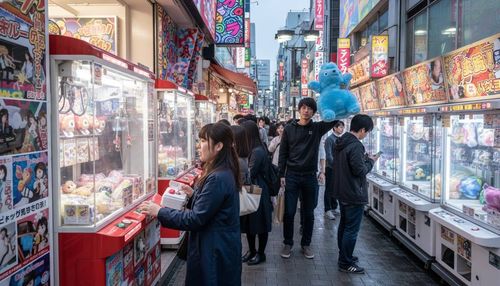
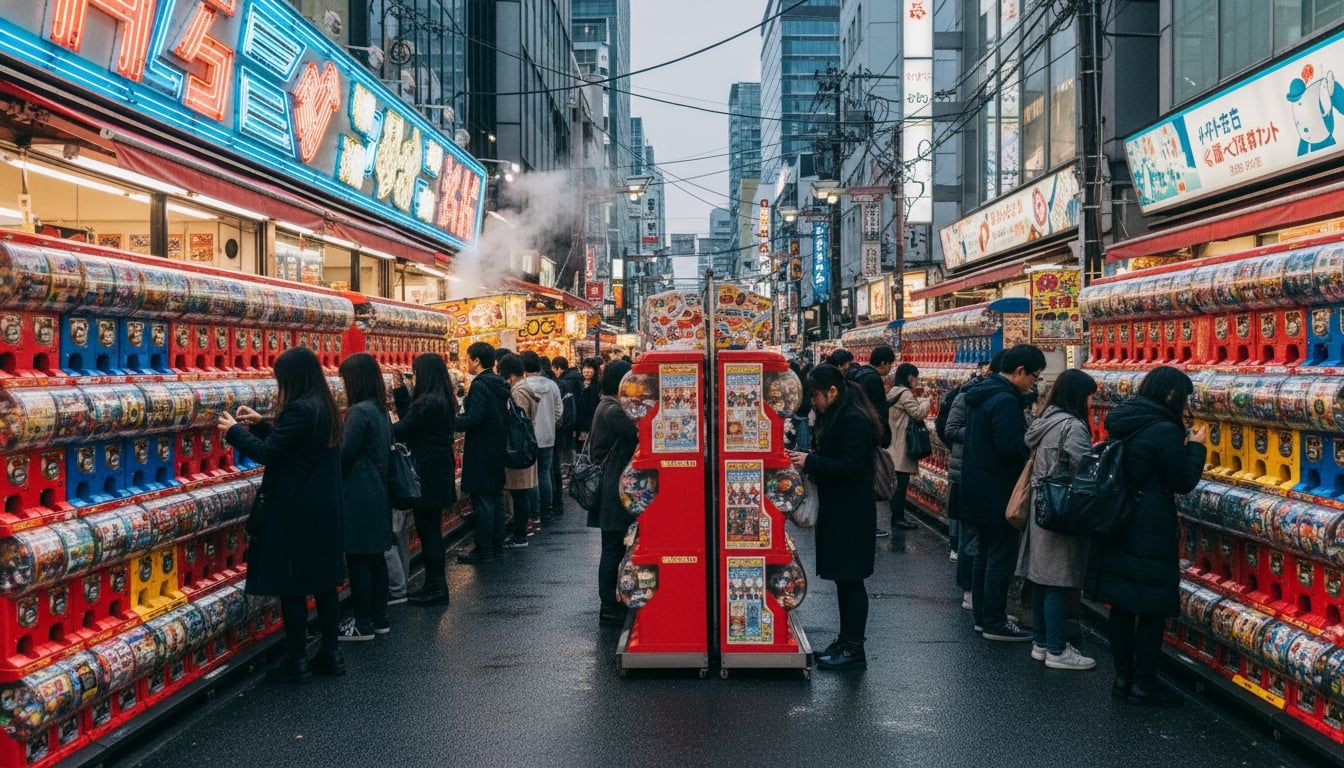
There's a moment that happens to almost every visitor in Japan. You're walking through a shopping mall, a train station, or an electronics store when a wall of colorful vending machines catches your eye. Each one promises a tiny mystery inside a plastic capsule. You tell yourself you'll just do one. Then another. Then suddenly you're digging through your coin purse hoping you have enough ¥500 coins left for just one more spin.
Welcome to the world of gashapon — Japan's irresistibly addictive capsule toy culture. It's one of the most uniquely Japanese experiences you can have, and it costs less than a cup of coffee.
What Exactly Is Gacha?
The word "gacha" (ガチャ) comes from the sound the machine makes: gacha when you turn the handle, and pon when the capsule drops. You'll hear both "gashapon" and "gacha" used interchangeably — they mean the same thing.
The concept is beautifully simple. You insert coins, turn a large plastic dial, and out rolls a sealed capsule containing a random collectible. You don't know exactly which item you'll get until you crack it open. That element of surprise is the entire point — and the entire danger for your wallet.
These aren't cheap trinkets, either. Japanese gacha toys are famous worldwide for their extraordinary quality. We're talking hyper-detailed miniatures, articulated figures, and meticulously crafted tiny objects that routinely stun people who've never encountered them before. The craftsmanship packed into something that fits in your palm is genuinely remarkable.
A Quick History
Capsule toy machines first appeared in Japan in the 1960s, inspired by American gumball vending machines. But Japanese manufacturers took the concept in a very different direction — away from candy and toward collectibles. By the 1970s and 80s, gashapon had become a fixture of Japanese childhood, found outside every convenience store and toy shop.
Today the industry is enormous. Hundreds of millions of capsules are sold every year. What started as a children's pastime has become a serious hobby for adults too, with premium lines priced at ¥400–500 that wouldn't look out of place in an art gallery. Major toy companies invest heavily in design and manufacturing quality, which is why Japanese gacha toys have developed a global following among collectors.
The Incredible Variety of Capsule Toys
Walk up to any gacha machine and you'll find a universe of themes. Here's what you can expect to encounter:
Miniature Food and Objects Some of the most beloved gashapon recreate everyday items in impossibly tiny, accurate form. Miniature ramen bowls with tiny noodles you can actually move around. Perfectly scaled household appliances. Tiny furniture sets. These "real miniature" lines are strangely satisfying — there's something deeply pleasing about holding a perfect tiny version of an ordinary thing.
Animal Figures Highly realistic animal figures are perennial bestsellers. We're talking museum-quality sculpts of insects, marine life, birds, and mammals, often so detailed they're used as educational tools. A single capsule might contain a figure that looks like it belongs in a natural history exhibit.
Weird and Wonderful Novelties Japan's capsule toy designers have a gift for the absurd. You'll find machines dispensing tiny rubber hands on strings, miniature cats in bread loaves, shrimp-shaped hair clips, sushi magnets that look disturbingly real, and finger puppet versions of historical figures. The weirder, the better — these "strange gacha" lines are incredibly popular and make fantastic conversation pieces.
Figures and Characters Articulated figures and stylized character designs make up a huge portion of the market. Many feature original characters created specifically for gacha lines, not tied to any existing franchise. The quality of painting and detail on even budget lines is impressive.
Keychains and Accessories Practical gashapon that you can actually use every day — phone charms, bag accessories, enamel pins, and keychains. These make great small gifts because they're genuinely useful rather than just display pieces.
Regional Exclusives Many areas of Japan produce gacha toys themed around local culture, food, or landmarks. Finding a capsule toy that can only be bought in one specific city is part of the thrill of traveling.
The Big Players: Who Makes Gacha Toys?
Two companies dominate the industry:
Bandai is the undisputed king of gashapon. Their machines are the ones with the distinctive yellow coin slots and the word "ガシャポン" (Gashapon) in bold lettering. Bandai takes quality incredibly seriously — their design and engineering teams work to exacting standards, and their miniature lines in particular are regarded as among the finest in the world.
Takara Tomy Arts (the arts and collectibles division of Takara Tomy) produces the competing "Gacha Gacha" brand. Their machines have a slightly different look and they often push into more experimental territory — unusual subjects, artistic collaborations, and high-concept series that blur the line between toy and art object.
Both companies release new series constantly, so even frequent visitors to Japan will find machines they've never seen before.
Where to Find Gacha Machines
Gashapon are genuinely everywhere in Japan — but some spots are unmissable.
Akihabara, Tokyo
This is ground zero for serious gacha hunting. The electronics and anime district has entire floors of department stores converted into gacha zones. Multi-Gacha, a dedicated capsule toy retailer, has multiple locations here. Department stores like Yodobashi Camera have enormous gashapon sections. Some buildings have 200+ machines lined up wall to wall. Budget both time and money.
Gashapon Department Store (Ikebukuro, Tokyo)
This is the holy grail for gacha enthusiasts. Located in the Sunshine City complex in Ikebukuro, the Gashapon Department Store has reportedly over 3,000 machines under one roof — one of the largest concentrations of capsule toy machines anywhere on earth. It's organized by theme and manufacturer, and the sheer variety is overwhelming in the best possible way. Set aside at least an hour and go with plenty of coins.
Odaiba, Tokyo
The shopping malls on this artificial island in Tokyo Bay are a reliable spot for premium gacha lines in a slightly calmer environment than Akihabara. Great if you want to browse without the crowds.
Airports
Both Narita and Haneda international airports have gacha machines positioned near departures — a perfect last-minute souvenir option. The selection skews toward Japan-exclusive and regional specialty items, and you can use up leftover change before your flight.
Osaka: Den Den Town and Shopping Malls
Osaka's otaku district, Nipponbashi (Den Den Town), has a gacha scene comparable to Akihabara. You'll find dedicated capsule toy shops alongside the manga and electronics stores. Large shopping malls throughout Osaka — particularly around Shinsaibashi and Umeda — have reliable gacha sections too.
Train Stations and Convenience Stores
Single machines or small clusters show up in the most unexpected places — outside convenience stores, in train station concourses, in the lobbies of family restaurants. Part of the joy of gacha in Japan is stumbling across a machine you weren't expecting.
How to Use a Gacha Machine
It's very straightforward, but here's what to know:
- Check the price — displayed on the machine, usually ¥100, ¥200, ¥300, or ¥500
- Insert coins — gashapon machines take coins only, not bills. ¥100 and ¥500 coins are your friends
- Turn the dial — one firm turn clockwise
- Collect your capsule — it drops into the lower compartment
- Open it up — twist the two halves of the capsule apart and discover your prize
Some machines have a change return slot if you overpay, but many don't give change at all, so bring exact coin denominations.
Practical Tips for Gacha Collectors
Always carry coins. This sounds obvious until you're standing in front of the most incredible gacha machine you've ever seen with nothing but ¥1,000 notes. Get coins from any convenience store — buy a small drink or snack and ask for change.
Check the display panel. Machines show you all possible items in the series and often indicate which ones are still available. Some machines will be marked as sold out for specific items.
Know the cost of completion. Each gacha series typically has 5–8 different items. If you want the full set, you need to account for duplicates — you might need to spin 10–15 times to get all 5 items thanks to random distribution. Budget accordingly.
Bring a small bag. Capsules and their contents pile up fast. A tote bag or drawstring bag keeps everything organized.
Look for trading communities. In areas with heavy gacha culture, it's not unusual to see people trading duplicates right outside the machines. Don't be shy.
Check the expiration of series. Popular series sell out quickly and are replaced with new ones every month or two. If you find something you love, don't assume it'll be there next time you visit.
Cost Guide
| Price Point | What to Expect |
|---|---|
| ¥100 | Simple figures, small accessories, basic keychains |
| ¥200 | Improved detail, multi-piece figures, better materials |
| ¥300 | High-quality miniatures, articulated figures, premium accessories |
| ¥500 | Museum-quality sculpts, multi-component sets, premium packaging |
Most machines fall in the ¥200–¥300 range, which hits a sweet spot of quality versus price. The ¥500 machines are worth trying at least once — the quality difference is genuinely noticeable.
Are Gacha Toys Good Souvenirs?
Absolutely yes, for several reasons. They're lightweight and small, so they don't take up luggage space. They're genuinely Japan-exclusive — you can't easily buy the same items at home. They're affordable enough to grab multiples without guilt. And the element of randomness makes them fun to share — you never quite know what you're giving someone, which makes them a great talking point.
The only challenge is avoiding the temptation to keep everything for yourself.
FAQ
How much money should I budget for gacha? That entirely depends on your self-control. A realistic budget for someone who wants to experience a few different machines without going overboard is ¥2,000–¥5,000. If you're a serious collector or visiting a large gacha facility like the Gashapon Department Store, budget more — it's very easy to spend ¥10,000+ without noticing.
Can I buy specific items rather than spinning randomly? Not from the machines themselves — the randomness is the whole point. However, you can often find individual items for sale on Japanese online platforms like Mercari, where people sell duplicates. Some second-hand shops in Akihabara and Den Den Town also sell single gashapon items from broken capsules.
Are gacha toys allowed in carry-on luggage? Generally yes — they're small plastic items with no batteries or liquids. The packaging (open capsules) can look a little odd in x-ray but poses no problems. If you've bought many, consider a small rigid container to protect delicate items.
What should I do with the empty capsules? Many gacha locations have dedicated bins for used capsules — look for a collection box near the machines. Please use them rather than leaving capsules on the floor. Some collectors keep the capsules for storage, and crafty types repurpose them for tiny storage containers or DIY projects.
Frequently Asked Questions
What is gacha or gashapon?
Gacha (or gashapon) refers to Japan's addictive capsule toy vending machines. You insert coins, turn a dial, and receive a random, high-quality collectible inside a plastic capsule. The name comes from the sound the machine makes: gacha when turning the handle, and pon when the capsule drops.
What types of gacha toys can I find in Japan?
Japanese gacha machines offer a vast array of high-quality collectibles, including miniature food and everyday objects, realistic animal figures, unique novelty items, character figures, keychains, and regional exclusives. These toys are renowned for their extraordinary detail and craftsmanship.
Where are the best places to find gacha machines in Japan?
Gacha machines are ubiquitous in Japan, but major hubs include Akihabara and the Gashapon Department Store in Ikebukuro, Tokyo. You can also find them in shopping malls in Odaiba and Osaka's Den Den Town, as well as at airports, train stations, and convenience stores.
How much do gacha toys typically cost?
Most gacha toys cost between ¥100 and ¥500 per capsule. Premium lines, often aimed at adult collectors, are usually priced at ¥400-¥500.
How do I use a gacha machine?
To use a gacha machine, first check the price and insert the correct amount of coins, typically ¥100 or ¥500. Then, turn the large plastic dial clockwise, collect your capsule from the lower compartment, and twist it open to discover your prize.
Explore More
Gacha culture is just one thread in Japan's incredible pop culture tapestry. If you're drawn to the collector and otaku scene, these guides will take you deeper:
- Akihabara: Tokyo's Ultimate Otaku District — the full guide to navigating Electric Town, from retro game shops to multi-floor anime stores
- Japan's Gaming Arcades: A Complete Guide — game centers are another uniquely Japanese experience worth dedicating time to
- Nipponbashi: Osaka's Otaku Culture Hub — Osaka's answer to Akihabara, with its own distinctive character and hidden gems
- Japan Figure Collector Guide: Where to Buy Anime Figures & Nendoroids — for when gacha has you wanting premium-grade figures
- Japan Arcade Prize Games Guide: UFO Catchers & How to Actually Win — win figures and plushies from crane machines rather than leaving it to chance