From Kyoto's grand Gion Matsuri to Aomori's glowing Nebuta floats, discover Japan's most spectacular festivals and how to experience them.
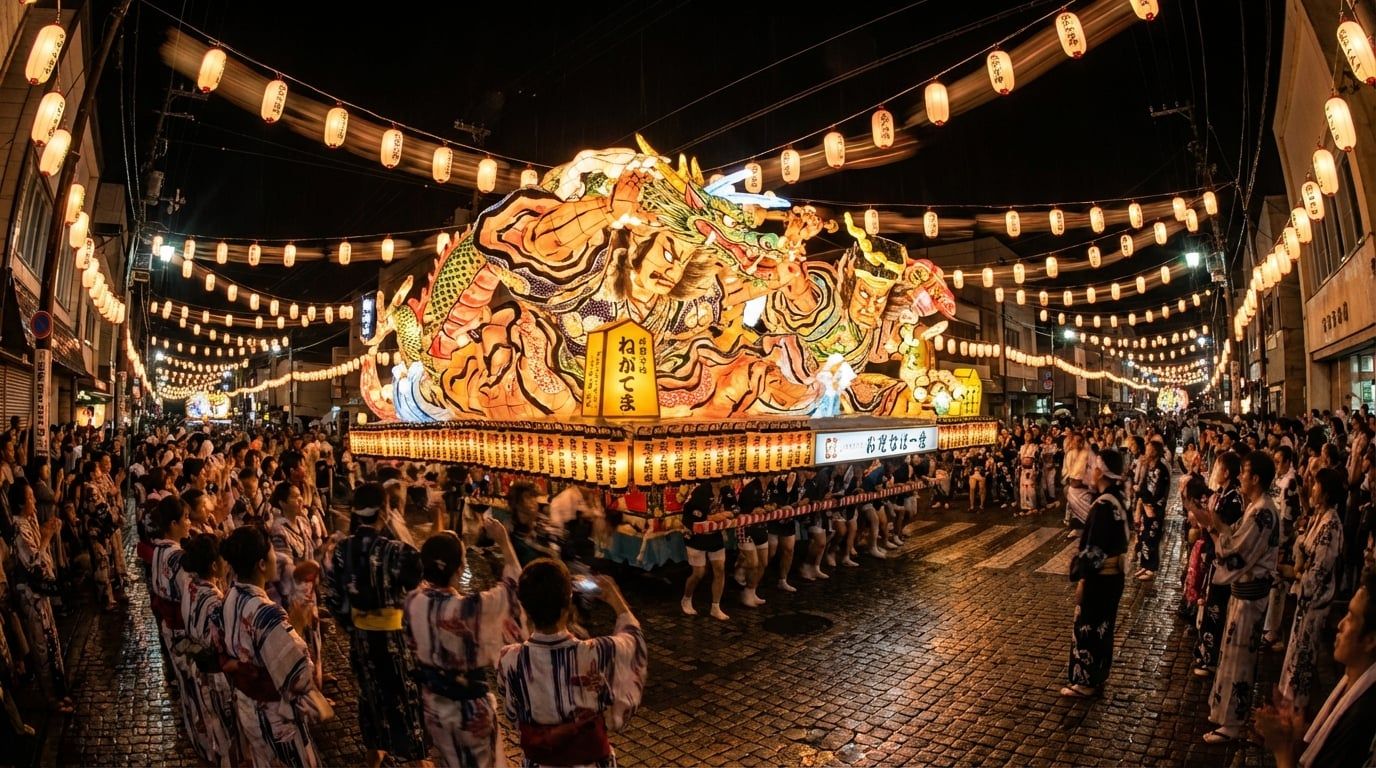 Image for illustrative purposes only.
Why Japan's Festivals Are Unlike Anything Else
Imagine a million lanterns floating above a river at dusk. Enormous illuminated floats thundering through narrow streets. An entire city dancing in unison until the early hours. In Japan, festivals aren't just events on a calendar — they're living traditions that have been perfected over centuries, and they welcome everyone.
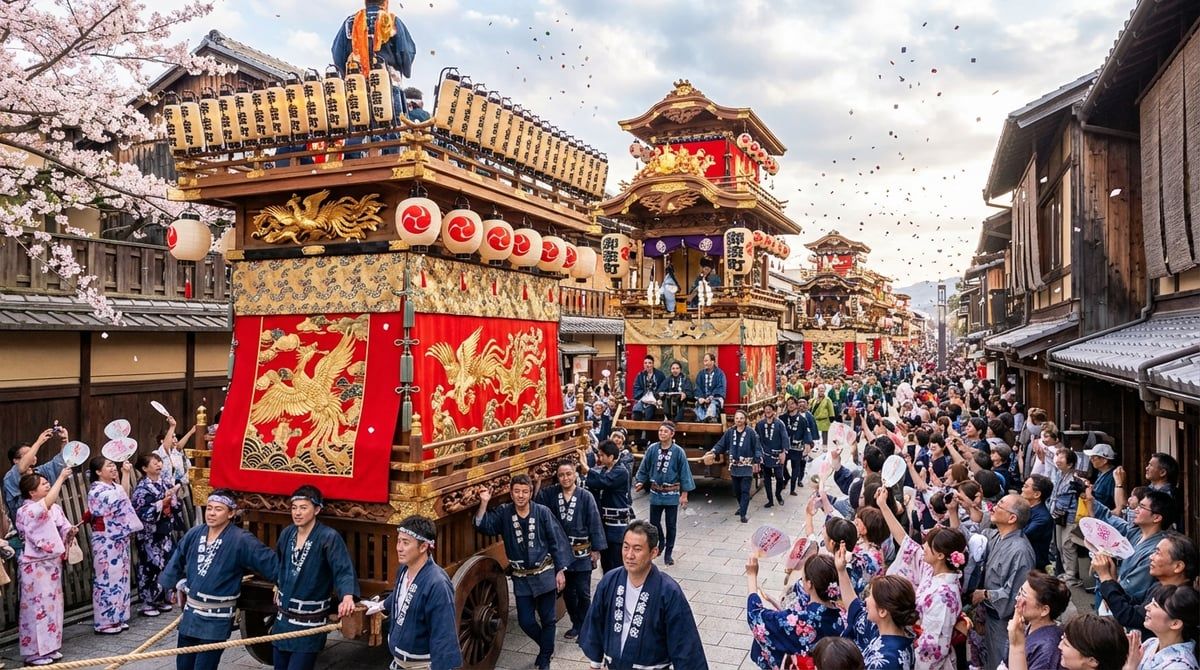 Image for illustrative purposes only.
Japan hosts over 300,000 festivals each year, from tiny neighborhood celebrations to massive spectacles that draw millions. Whether you time your trip around one or simply stumble into a local matsuri by chance, these moments often become the most unforgettable part of any visit to Japan.
What Is a Matsuri?
The word matsuri literally means "festival" or "worship," and most matsuri have roots in Shinto or Buddhist traditions. At their core, they're celebrations meant to honor deities, give thanks for harvests, ward off evil spirits, or pray for prosperity. But over the centuries, matsuri have evolved into joyful community gatherings where sacred rituals blend seamlessly with street food, music, and pure fun.
You'll notice common elements across many festivals: mikoshi (portable shrines carried on shoulders), yatai (food stalls selling everything from yakisoba to candied strawberries), taiko drums setting the rhythm, and yukata (light cotton kimono) worn by locals and visitors alike. Each festival has its own personality, though — and that's what makes exploring them so rewarding.
Top 10 Must-See Festivals in Japan
1. Gion Matsuri — Kyoto (July)
Japan's most famous festival spans the entire month of July, with the grand procession of towering yamaboko floats on July 17 being the highlight. Some floats are over 25 meters tall and weigh 12 tons, decorated with tapestries from as far as Persia and Belgium — a testament to Kyoto's centuries of cultural exchange. The evenings of July 14-16 (yoiyama) transform the streets into a magical pedestrian paradise with lantern-lit floats and street food everywhere. Read our complete Gion Matsuri guide for detailed tips.
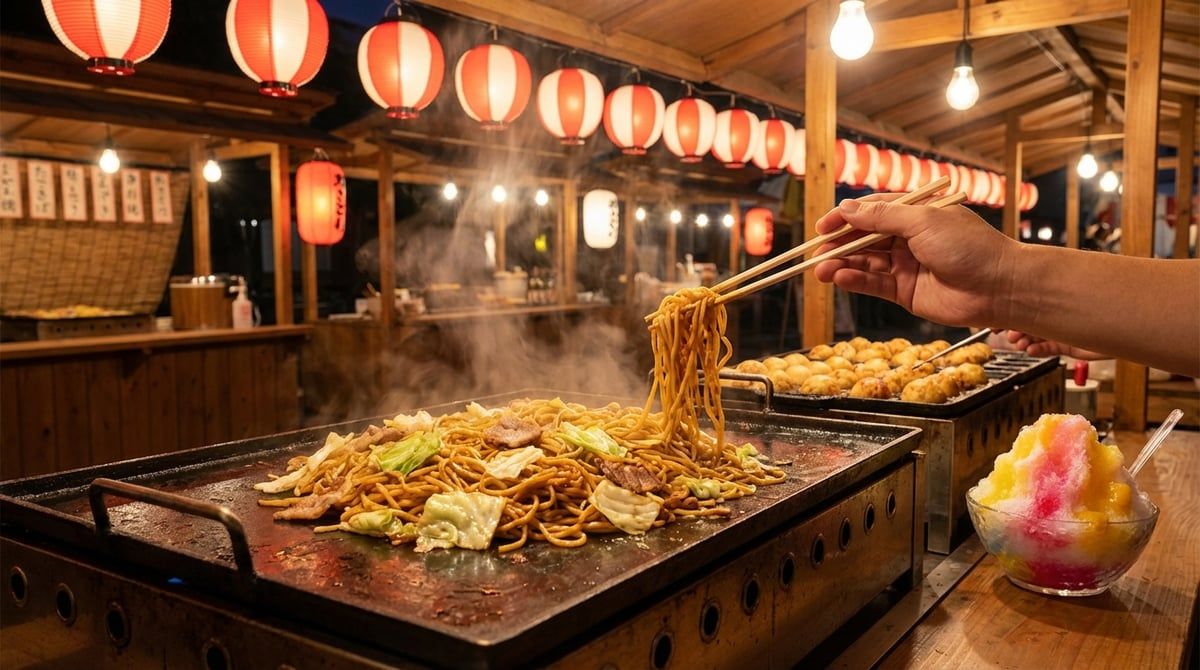 Image for illustrative purposes only.
When: All of July (main processions: July 17 & 24) | Where: Central Kyoto | Cost: Free
2. Nebuta Matsuri — Aomori (August)
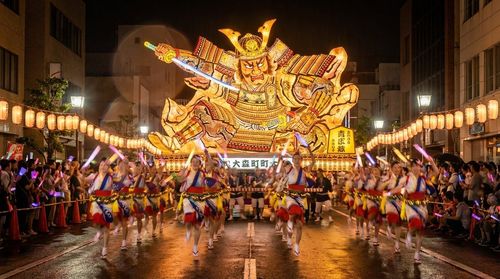
Nothing prepares you for the sight of enormous illuminated nebuta floats — some 9 meters wide and 5 meters tall — depicting fierce warriors, gods, and mythical creatures glowing from within. Dancers called haneto leap and chant around the floats, and visitors are welcome to join in (just rent a haneto costume for about 4,000 yen). The energy is absolutely electric. Explore our Nebuta Festival guide for the full experience.
When: August 2-7 | Where: Aomori City, Tohoku | Cost: Free (seated viewing: 3,500 yen)
3. Awa Odori — Tokushima (August)
"The dancing fools and the watching fools are both fools, so why not dance?" That famous saying captures the spirit of Awa Odori perfectly. Over 1.3 million people gather in Tokushima as groups of dancers called ren perform choreographed routines through the streets. The infectious shamisen and taiko rhythms make it nearly impossible to stand still. Plan your visit with our Awa Odori guide.
When: August 12-15 | Where: Tokushima City, Shikoku | Cost: Free (premium seats: 2,000-2,500 yen)
4. Tenjin Matsuri — Osaka (July)
One of Japan's top three festivals, Tenjin Matsuri features a spectacular river procession where over 100 illuminated boats glide along the Okawa River, culminating in a massive fireworks display. The festival honors Sugawara no Michizane, the deity of scholarship. If you're in Osaka in late July, this is unmissable. See our Tenjin Matsuri guide for viewing spots.
When: July 24-25 | Where: Osaka, around Tenmangu Shrine | Cost: Free
5. Sapporo Snow Festival (February)
Hokkaido's winter centerpiece features hundreds of snow and ice sculptures, some as large as buildings, illuminated beautifully at night. The main site at Odori Park stretches over 1.5 km, while the Susukino venue showcases intricate ice sculptures. With average temperatures around -4 degrees C, bundle up and pair your visit with Sapporo's legendary ramen and beer scene. Get the details in our Sapporo Snow Festival guide.
When: Early February (usually 7 days) | Where: Sapporo, Hokkaido | Cost: Free
6. Kanda Matsuri — Tokyo (May, Odd Years)
Held in full scale only in odd-numbered years, Kanda Matsuri is one of Tokyo's great Edo-period festivals. A massive procession of mikoshi, horseback riders in samurai attire, and musicians winds through the streets of Akihabara and Nihonbashi. It's a rare chance to see Tokyo's modern cityscape clash beautifully with ancient tradition. Read our Kanda Matsuri guide for the next grand edition.
When: Mid-May (weekend closest to May 15, grand: odd years) | Where: Kanda Myojin Shrine, Tokyo | Cost: Free
7. Sanja Matsuri — Tokyo (May)
Tokyo's wildest festival draws nearly two million visitors over three days. Around 100 mikoshi are paraded through the streets of Asakusa, with carriers chanting, swaying, and sometimes nearly toppling the heavy shrines in controlled chaos. The atmosphere around Senso-ji Temple is intense, loud, and absolutely thrilling.
When: Third weekend of May | Where: Asakusa, Tokyo | Cost: Free
8. Sendai Tanabata — Sendai (August)
Based on the legend of two star-crossed lovers who meet once a year across the Milky Way, Sendai's Tanabata celebration transforms the city's shopping arcades into cascading tunnels of colorful streamers and ornate paper decorations called fukinagashi. Each decoration is handmade by local businesses and can cost over 1 million yen. The evening before, a spectacular fireworks display kicks things off.
When: August 6-8 | Where: Sendai, Miyagi | Cost: Free
9. Kishiwada Danjiri — Osaka (September)
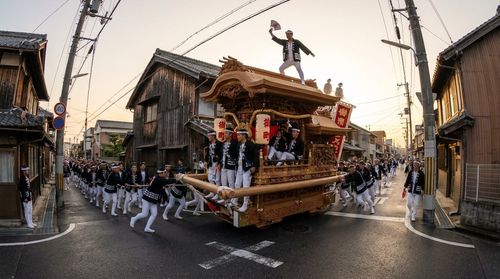
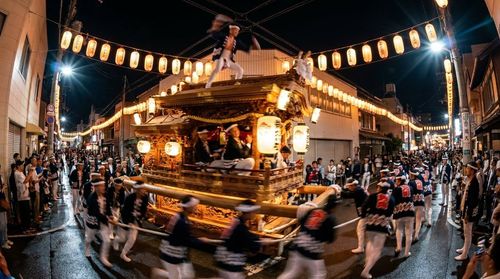
If you want pure adrenaline, Kishiwada Danjiri delivers. Teams of hundreds pull massive wooden floats called danjiri (weighing around 4 tons) at full speed through tight street corners in a controlled but heart-pounding maneuver called yarimawashi. A rider on top dances as the float careens around bends. It's intense, occasionally dangerous, and utterly captivating.
When: Mid-September (Respect for the Aged Day weekend) | Where: Kishiwada, south of Osaka | Cost: Free
10. Chichibu Night Festival — Saitama (December)
One of Japan's three great float festivals and a UNESCO Intangible Cultural Heritage event, Chichibu's winter celebration features massive floats with elaborate carvings and lanterns paraded up a steep hill, accompanied by fireworks exploding in the cold December sky. It's the perfect way to close out the festival year.
When: December 2-3 | Where: Chichibu, Saitama (90 min from Tokyo) | Cost: Free (seated: from 3,000 yen)
How to Choose Your Festival
By Season
- Winter (Dec-Feb): Chichibu Night Festival, Sapporo Snow Festival — crisp air and dramatic lighting
- Spring (Mar-May): Kanda Matsuri, Sanja Matsuri — cherry blossoms meet ancient pageantry
- Summer (Jun-Aug): Gion, Nebuta, Awa Odori, Tenjin, Tanabata — peak festival season with the biggest events. See our summer festivals roundup
- Autumn (Sep-Nov): Kishiwada Danjiri — fall colors and thrilling races
By Vibe
- Visual spectacle: Nebuta, Sapporo Snow Festival, Chichibu Night Festival
- Join the action: Awa Odori (dance!), Nebuta (become a haneto), Sanja Matsuri (feel the crowd energy)
- Cultural depth: Gion Matsuri, Kanda Matsuri, Tenjin Matsuri
- Off the beaten path: Chichibu, Kishiwada
For a month-by-month breakdown, check our Japan festival calendar and the 2026 festival schedule.
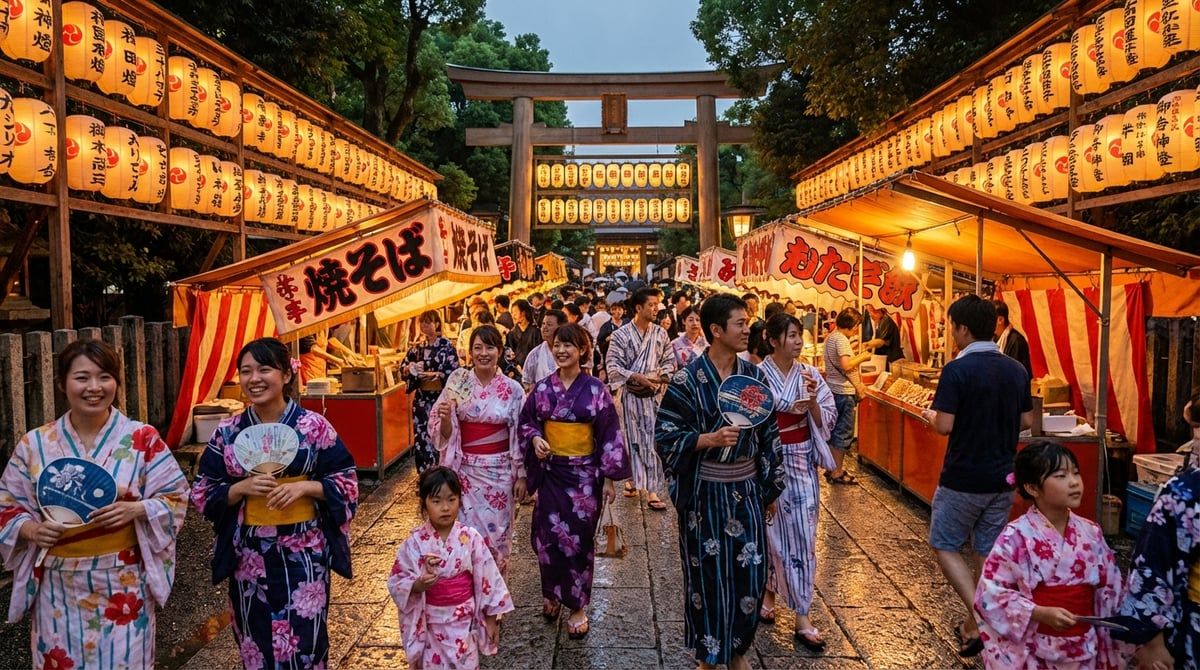 Image for illustrative purposes only.
Festival Etiquette and Tips
Japanese festivals are wonderfully welcoming, but a few things will help you get the most out of them:
- Wear a yukata if you can — rental shops near major festivals offer them from around 3,000-5,000 yen. You'll blend right in and locals love seeing visitors embrace the tradition.
- Bring cash. Most yatai (food stalls) are cash-only. Budget 2,000-3,000 yen for snacking your way through.
- Arrive early for popular festivals. Prime viewing spots fill up hours in advance, especially for processions and fireworks.
- Follow the flow. When crowds are dense, move with the current. Don't stop suddenly in narrow paths.
- Ask before photographing anyone up close, especially children and performers during rituals.
- Take your trash with you. Public bins are rare in Japan. Bring a small bag for your waste.
- Stay hydrated at summer festivals — temperatures in July and August often exceed 35 degrees C with high humidity.
For our complete guide to navigating Japanese festivals like a pro, visit Festival Tips and Tricks.
Plan Your 2026 Festival Trip
Planning a trip to Japan in 2026? Our Japan Festivals 2026 month-by-month guide has confirmed dates, access info, and insider tips for every major festival this year. It's the best place to start planning your itinerary.
The best festival experiences happen when you build your itinerary around them rather than treating them as an afterthought. Book accommodation early — hotels near major festivals sell out months in advance, particularly for Gion Matsuri and Nebuta. Consider staying slightly outside the festival zone and using Japan's superb train network to get there.
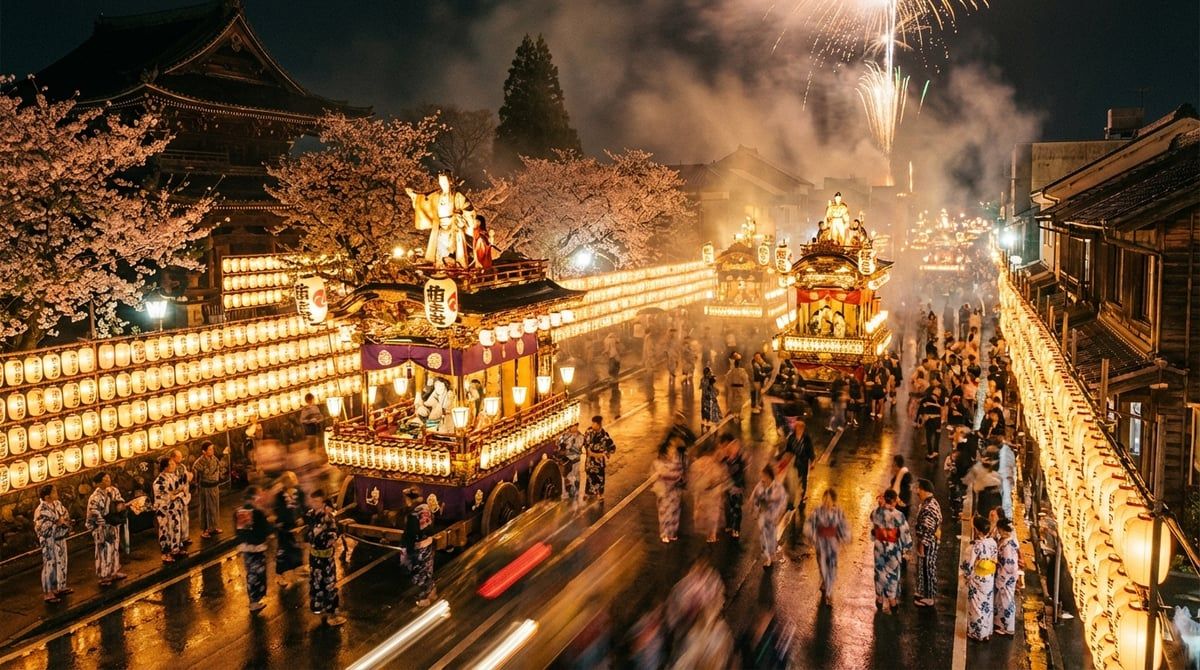 Image for illustrative purposes only.
Many of the festivals on this list are in the Kansai region (Kyoto, Osaka) or reachable as day trips from Tokyo, making it easy to combine several into one trip. A Japan Rail Pass is your best friend for festival-hopping.
Whatever you choose, know this: a Japanese matsuri isn't something you simply watch. It's something you feel — in the rumble of taiko drums through your chest, in the glow of paper lanterns against the night sky, and in the shared joy of thousands of strangers celebrating together. Welcome to the festival.
Frequently Asked Questions
What is a matsuri?
The word "matsuri" literally means "festival" or "worship," and most have roots in Shinto or Buddhist traditions. They are joyful community gatherings where sacred rituals blend seamlessly with street food, music, and pure fun.
How many festivals does Japan host each year?
Japan hosts over 300,000 festivals each year, ranging from tiny neighborhood celebrations to massive spectacles that draw millions of visitors.
What common elements can I expect to see at a Japanese festival?
You'll often notice common elements like mikoshi (portable shrines), yatai (food stalls selling various treats), taiko drums setting the rhythm, and yukata (light cotton kimono) worn by locals and visitors alike.
Can visitors participate in Japanese festivals?
Yes, visitors are often welcome to join in; for example, at the Nebuta Matsuri, you can rent a haneto costume and dance around the illuminated floats.
What are some of the most famous festivals in Japan?
Some of Japan's most famous festivals include Kyoto's Gion Matsuri, Aomori's Nebuta Matsuri, Osaka's Tenjin Matsuri, and the Sapporo Snow Festival. Tokyo also hosts major events like Kanda Matsuri and Sanja Matsuri.
Explore More Festival Guides
Continue your Japan festival journey with these related guides: