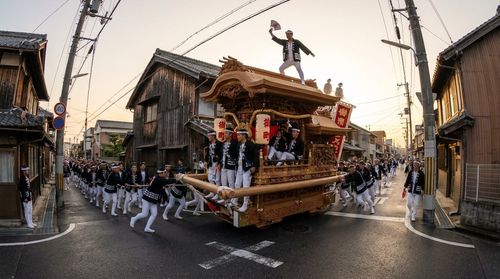
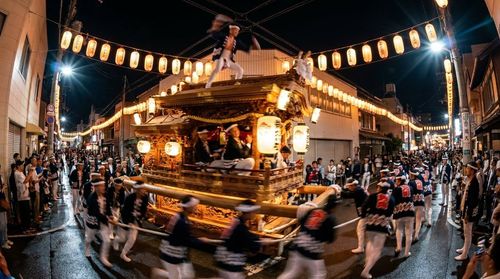
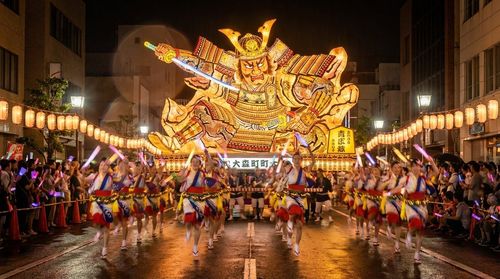
The dancing fool and the watching fool are both fools — so why not dance? Your complete guide to Awa Odori 2026 in Tokushima.
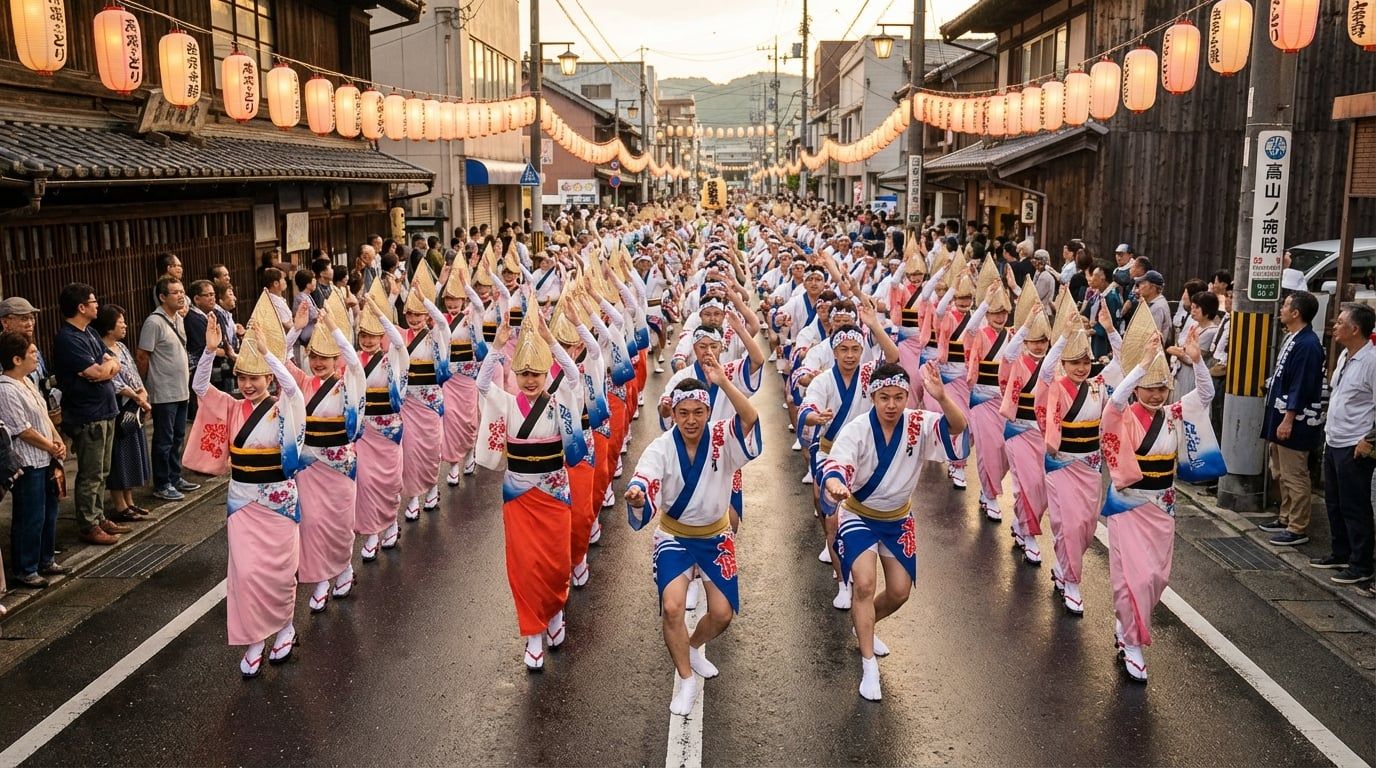 Image for illustrative purposes only.
"The dancing fool and the watching fool are both fools, so why not dance?" That saying has echoed through Tokushima for over 400 years, and every August it comes roaring to life. Over 1.3 million people flood this small city on Shikoku island for four nights of nonstop dancing, drumming, and joyful chaos. Awa Odori is not a festival you simply watch — the music pulls you in, the crowd sweeps you forward, and your feet start moving on their own.
400 Years of Dancing
Awa Odori traces its roots to the old Awa Province, the historical name for present-day Tokushima. Legend says it began in 1586 when the local lord celebrated Tokushima Castle's completion with free-flowing sake, and the drunken revelry became tradition. Others connect it to Bon Odori dances performed during Obon to honor ancestors. Either way, it grew into one of Japan's most iconic festivals, surviving bans and wartime disruptions across four centuries. Children here grow up learning the dance, and local groups called "ren" practice year-round for those electric August nights.
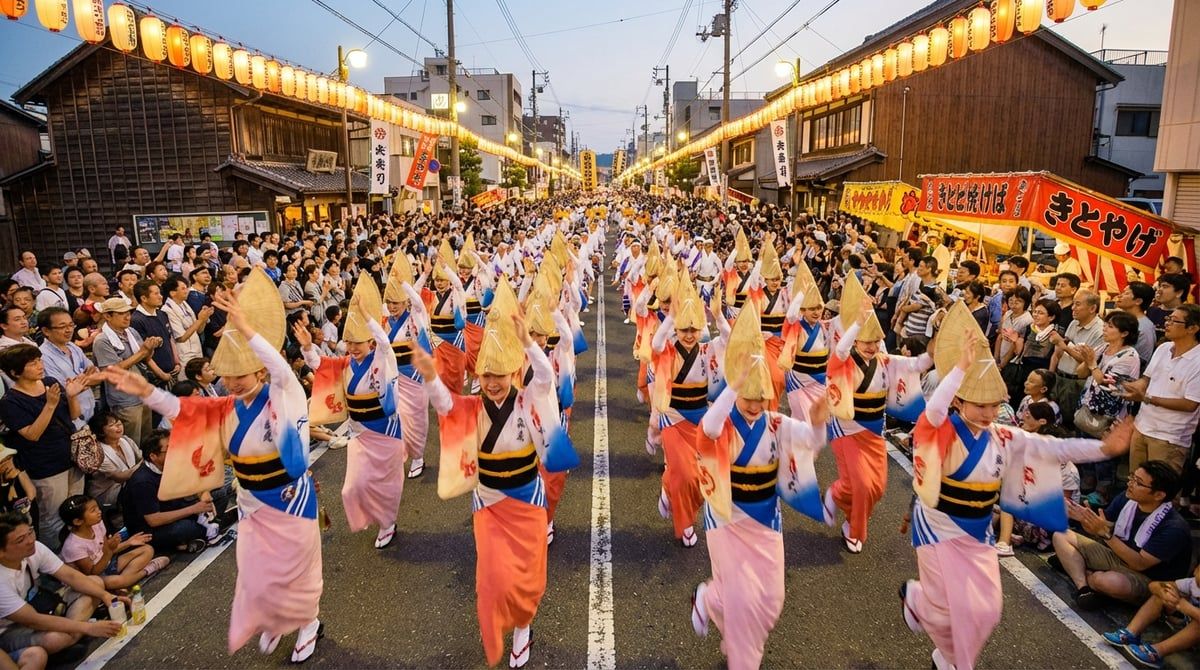 Image for illustrative purposes only.
The Dance: Stomping, Swaying, Pure Joy
What sets Awa Odori apart from other summer festivals is the dance itself. Performers move in groups through the streets, backed by live shamisen, taiko drums, shinobue flutes, and kane bells beating out an infectious two-beat rhythm.
Men take a low, powerful stance — bent knees, exaggerated stomping, arms raised high. Women are the opposite — upright and graceful in yukata and straw amigasa hats, arms flowing overhead in a distinctive wave. Both share the same forward-moving energy and joyful abandon. Hundreds of dancers moving under lantern light, drums echoing off buildings, flutes cutting through warm summer air — no video can capture it.
How to Join
Anyone can participate. The festival organizes "niwaka-ren" — impromptu groups tourists can join on the spot. Volunteers teach the basic steps: step forward right, then left, raising each foot with a slight kick while your arms wave alternately overhead. The rhythm is steady, so you pick it up fast. Do not worry about looking foolish — that is literally the point. See our guide on how to join a Japanese festival for more tips.
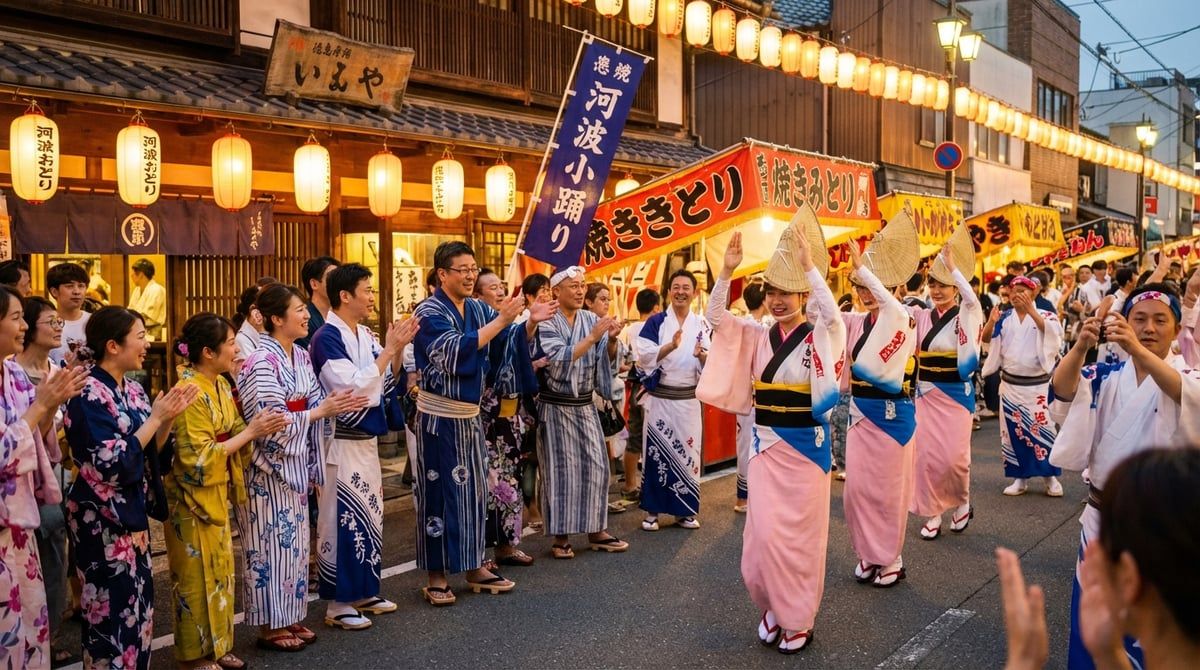 Image for illustrative purposes only.
Schedule: August 12-15, 2026
Main performances run each evening from 6:00 PM to 10:30 PM across multiple stages and streets in central Tokushima. August is peak festival season, and Awa Odori is the crown jewel. Different ren rotate through the stages, giving you a constantly changing parade from one spot. Daytime events run too, but the real magic happens after dark.
Best Viewing
The Minami-Shinmachi paid area offers reserved seating for 1,000-2,000 yen — book early, popular seats sell out. Free street viewing is equally exciting. Arrive early for the best spots along the main dance routes. The energy of thousands clapping along adds something seated viewing cannot match. For crowd strategies, check our festival tips guide.
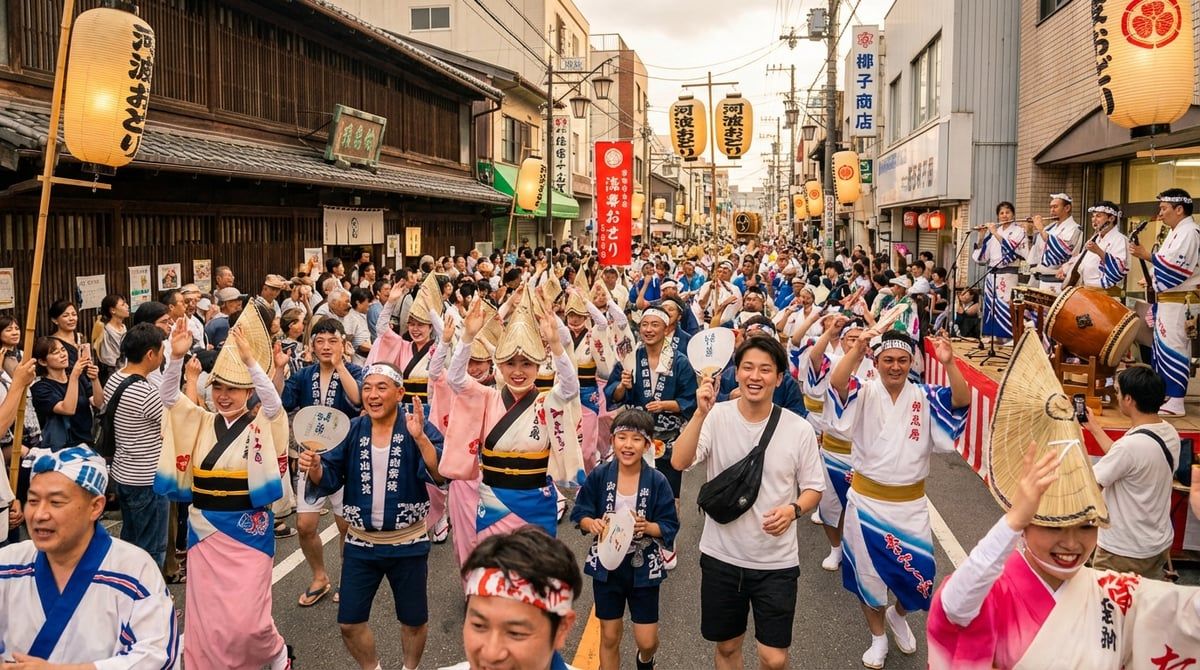 Image for illustrative purposes only.
Getting There and Practical Info
From Osaka: Highway bus takes about 2.5 hours (most popular option). JR rail via Okayama runs about 3.5 hours with a scenic Seto Inland Sea crossing. Book your return trip in advance.
Accommodation: Hotels fill months ahead. If Tokushima is sold out, try nearby Naruto or make it a day trip from Osaka — many veterans catch a late bus back.
Local food: Tokushima ramen features rich pork-bone broth with sweet soy sauce, often topped with raw egg. Sudachi, a tart green citrus unique to the region, gets squeezed over everything — fish, noodles, drinks, even ice cream.
Why Go in 2026
Among all festivals in Japan this year, Awa Odori stands apart because it actively wants you involved. The barrier to entry is a willingness to move your feet. As Tokushima has said for four centuries: the dancing fool and the watching fool are both fools. Choose wisely.
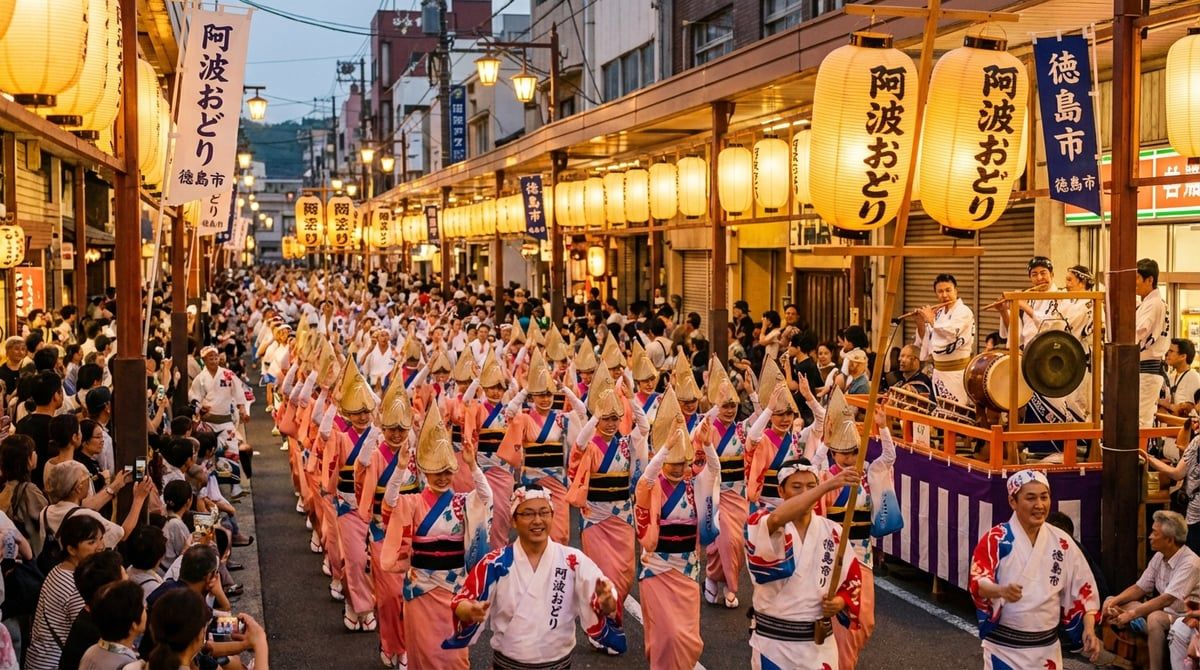 Image for illustrative purposes only.
What Real Travelers Say
Awa Odori captivates visitors with its vibrant energy and authentic celebration of Japanese dance and culture. Travelers praise the festival's lively atmosphere and impressive performances, making it a memorable highlight for those exploring Japan's regional festivals.
Visitor Tips:
- Arrive early to secure good viewing positions for the main parade routes
- Wear comfortable shoes as you may be standing or walking for extended periods
- Bring sunscreen and stay hydrated, especially if visiting during summer
- Consider booking accommodations well in advance during peak festival season
Best Moments According to Visitors:
- Watching the energetic traditional Awa Odori dance performances with colorful costumes
- Experiencing the electric crowd energy and community spirit of the festival
Heads Up:
- Festival can get extremely crowded during peak viewing times
Crowd Level: Expect significant crowds, particularly around main performance areas and popular viewing spots.
Frequently Asked Questions
What is Awa Odori?
Awa Odori is Japan's biggest dance festival, held in Tokushima city on Shikoku island. It's a four-night event of nonstop dancing, drumming, and joyful chaos, attracting over 1.3 million people.
When is the Awa Odori festival held?
The main Awa Odori performances run each evening from August 12-15, typically from 6:00 PM to 10:30 PM. August is considered peak festival season in Japan, and Awa Odori is a highlight.
Can tourists participate in Awa Odori?
Yes, anyone can participate in Awa Odori. The festival organizes "niwaka-ren," which are impromptu groups tourists can join on the spot, with volunteers teaching the basic dance steps.
How do I get to Tokushima for the festival?
From Osaka, the most popular option is a highway bus, which takes about 2.5 hours. Alternatively, JR rail via Okayama takes about 3.5 hours, offering a scenic Seto Inland Sea crossing.
What are the best ways to view the Awa Odori performances?
The Minami-Shinmachi paid area offers reserved seating, which should be booked early as popular seats sell out. Free street viewing is also available and equally exciting; arriving early for spots along the main dance routes is recommended.
Explore More Festival Guides
Continue your Japan festival journey with these related guides: