From Miyazaki's mythical forests to Lost in Translation's neon streets — visit the real places behind Japan's most iconic films.
The ancient forest from Princess Mononoke. The neon-soaked night district in Lost in Translation. The quiet harbor town behind Ponyo. These aren't sets — they're real places in Japan you can visit on any trip.
This guide maps 12 film locations that you can actually reach by public transport, with directions, best seasons, and what to expect when you arrive.
What You'll Find in This Guide
- The Yakushima cedar forest that Miyazaki sketched for Princess Mononoke
- Tomonoura fishing village — where Miyazaki lived while developing Ponyo
- Shinjuku Golden Gai and the Lost in Translation nightscape
- Kamakura's temples, used extensively in Kore-eda's Our Little Sister
- Arashiyama bamboo grove, Hiroshima Peace Park, Mount Fuji viewpoints, and more
- Practical directions, best seasons, and tips for each location
Top 5 Most Iconic Spots (Quick Reference)
| Location | Film(s) | From Tokyo |
|---|---|---|
| Yakushima Island | Princess Mononoke | Fly to Kagoshima + ferry (~3h) |
| Arashiyama Bamboo Grove | Multiple | Shinkansen to Kyoto (~2h 20m) |
| Shinjuku Golden Gai | Lost in Translation | 5-min walk from Shinjuku Station |
| Kamakura temples | Our Little Sister | ~1h by train |
| Tomonoura harbor | Ponyo | Shinkansen + bus (~4h) |
1. Yakushima Island — The Ancient Forest of Princess Mononoke
Deep in Kagoshima Prefecture, the island of Yakushima holds forests so old and dense they feel genuinely mythic. Hayao Miyazaki and his team traveled here to sketch the primeval landscape that became Irontown's surrounding wilderness in Princess Mononoke (1997). The moss-carpeted cedar groves — some trees over 1,000 years old — create an atmosphere that needs no cinematic enhancement.
How to visit: Fly or take a high-speed ferry from Kagoshima city. The Shiratani Unsuikyo Ravine trail is the most direct path into Mononoke-like terrain (about 4 km round trip). Wear waterproof boots — this island receives more rain than almost anywhere in Japan.
Best season: May and October offer the clearest skies, but the misty rainy season (June–July) makes the forest look exactly as it does on screen.
2. Tomonoura, Hiroshima Prefecture — The Harbor That Inspired Ponyo
Miyazaki reportedly stayed in the quiet fishing village of Tomonoura while developing Ponyo (2008), and the town's terraced hillside homes, stone seawalls, and calm Seto Inland Sea views translate almost directly into the film's setting. This is one of Japan's most beautifully preserved historic harbor towns.
How to visit: Take the JR San'yo Line to Fukuyama, then a local bus to Tomonoura (about 30 minutes). No car needed — the harbor is compact and perfect for walking. The hilltop Ioji Temple offers the best panoramic view of the port.
Best season: Late spring (April–May) when fishing boats are active and the sea is calm.
3. Onomichi, Hiroshima Prefecture — Japan's Most Filmed Hillside City
Few cities have appeared on Japanese screens as often as Onomichi. Yasujiro Ozu filmed here; so did Nobuhiro Suwa, Junji Sakamoto, and countless others. The city's steeply sloped lanes, temple-lined paths, and rooftop views over the Inland Sea have made it an unofficial pilgrimage site for cinema lovers.
How to visit: Direct shinkansen to Onomichi Station (or local train from Fukuyama). The Temple Walk — linking 25 temples across the hillside — passes through the most photogenic alleys. The ropeway to Senkoji Park delivers the panorama seen in so many establishing shots.
Best season: Spring (cherry blossoms on the temple path) or autumn foliage (October–November).
4. Naoshima, Kagawa Prefecture — The Art Island on Film
This small island in the Seto Inland Sea transformed itself into a world-class contemporary art destination, and its photogenic collisions of traditional fishing villages and monumental architecture by Tadao Ando have drawn documentary filmmakers and art-cinema directors alike. The Benesse House museum complex and the polka-dot pumpkin sculptures by Yayoi Kusama are among Japan's most-photographed outdoor art installations.
How to visit: Ferry from Uno Port (Okayama) or Takamatsu (Kagawa) — about 20 minutes. Rent a bicycle on arrival; the island is best explored slowly. Book accommodation well in advance, especially on weekends.
Best season: Spring and autumn, avoiding midsummer heat.
5. Shirakawa-go, Gifu Prefecture — Thatched Roofs in the Snow
The UNESCO-listed gassho-zukuri farmhouses of Shirakawa-go have provided visual backdrops for numerous period dramas and films requiring a sense of timeless rural Japan. The steep, snow-laden rooftops in winter are among the country's most dramatic landscapes.
How to visit: Bus from Takayama (50 minutes) or Kanazawa (75 minutes). The main Ogimachi village is compact and walkable. The Shiroyama Viewpoint gives the classic overhead panorama of the whole valley.
Best season: Winter (January–February) for snow illuminations; autumn (October–November) for golden foliage against white farmhouses.
6. Kamakura, Kanagawa Prefecture — Ancient Capital on Screen
Just an hour from Tokyo, Kamakura's Great Buddha, forested hiking trails, and ocean-view temples have served as backdrops in films ranging from contemporary dramas to samurai epics. Hirokazu Kore-eda's Our Little Sister (2015) was shot almost entirely here, using the city's unhurried seaside rhythms to powerful effect.
How to visit: Direct train from Shinjuku via the Shonan-Shinjuku Line, or from Tokyo Station via the Yokosuka Line (about 50–60 minutes). The Daibutsu Hiking Trail connects major temples through cedar forest. Arrive early on weekends — the town fills up fast.
Best season: June (hydrangea season near Meigetsu-in Temple), autumn, or winter for quiet crowds.
7. Arashiyama Bamboo Grove, Kyoto — The World's Most Filmed Forest Path
The narrow path through towering bamboo in Arashiyama has appeared in so many Japanese films, dramas, and music videos that it has become a shorthand for "Japan" in international cinema. The sound alone — stalks creaking and rustling in the wind — has an almost cinematic quality.
How to visit: Keifuku Electric Railway (Randen) from central Kyoto to Arashiyama Station, or JR San'in Line to Saga-Arashiyama. The grove is free to enter and takes about 10 minutes to walk through. Combine with the nearby Tenryu-ji Temple garden.
Best season: Early morning, any season. The crowds thin dramatically before 8 AM. Autumn and spring light is especially beautiful.
8. Osaka Castle and Surroundings — Samurai Drama Heartland
Osaka Castle has served as the backdrop for countless period films and jidaigeki dramas depicting the turbulent Sengoku era. The original structure was built by Toyotomi Hideyoshi in the 16th century, and while the current tower is a 1931 reconstruction, the massive stone walls, moats, and surrounding parkland retain genuine historical weight.
How to visit: Tanimachi 4-chome Station (Chuo/Tanimachi lines) or Osakajokoen Station (JR Loop Line). The park is free; the castle tower has an admission fee. The interior museum covers Osaka's history well.
Best season: Late March to early April (cherry blossoms in the park), or autumn.
9. Asakusa and Senso-ji, Tokyo — Old Tokyo Preserved on Screen
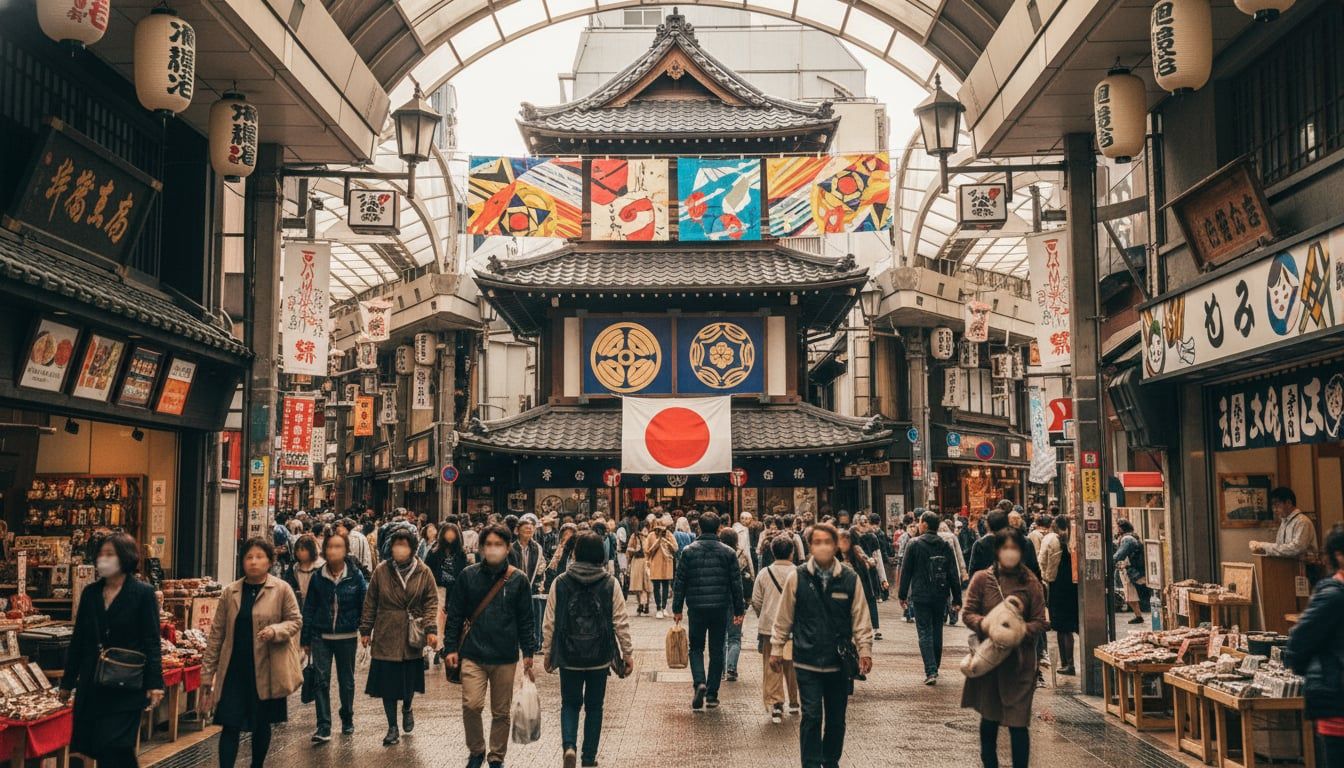
Asakusa is Tokyo's most cinematic neighborhood precisely because it survived the 20th century relatively intact. The Nakamise shopping lane, the Kaminarimon gate, the incense smoke rising from the main hall — directors reach for this neighborhood whenever they need to evoke old Tokyo. It appeared in Akira Kurosawa's early work and continues to feature in contemporary films seeking contrast with the city's modern face.
How to visit: Asakusa Station is served by the Ginza, Asakusa, and Tobu lines. Senso-ji is a five-minute walk from any exit. The temple grounds are free and open at all hours (though the main hall has set opening times).
Best season: Any season works. The Sanja Matsuri festival in May transforms the district into one of Tokyo's most spectacular scenes.
10. Shinjuku Golden Gai, Tokyo — Neon Labyrinth After Dark
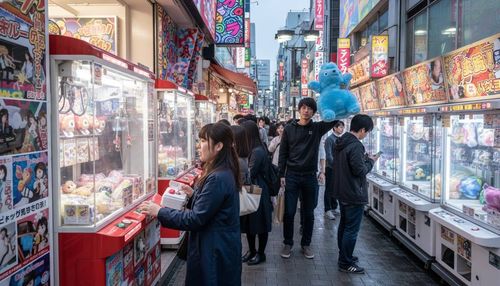
Six narrow alleyways holding nearly 200 tiny bars, most seating fewer than a dozen people — Golden Gai is the kind of place that only exists in films about Tokyo's soul. Wim Wenders used Shinjuku's nightscape in his work; Sofia Coppola's Lost in Translation (2003) drew on the sensory overload of this district to create its disoriented, beautiful portrait of Tokyo after midnight.
How to visit: Five-minute walk from Shinjuku Station's east exit. Golden Gai is in Kabukicho, just north of the main entertainment district. Most bars open around 8 PM and run until dawn. Pick a bar that displays its cover charge clearly at the entrance — most welcome tourists warmly.
Best season: Any evening year-round. The neon is identical in every season.
11. Hiroshima Peace Memorial Park
Alain Resnais and Marguerite Duras made Hiroshima Mon Amour (1959) partly here, and the haunting quality of the Peace Park — the A-Bomb Dome reflected in the Motoyasu River, the Children's Peace Monument, the formal stillness of memorialized space — has continued to draw filmmakers working with themes of memory and history.
How to visit: Streetcar from Hiroshima Station to Chuden-mae or Genbaku Dome-mae stops. The park and its monuments are free; the Peace Memorial Museum has a modest admission fee. Allow at least two hours for the museum.
Best season: Any season. Early morning visits to the park, before tour groups arrive, have a particular quiet power.
12. Mount Fuji Viewpoints — The Symbol Behind the Frame
Fuji appears in Japanese cinema less as a specific location than as a presence — looming behind characters at moments of decision, forming the background of journeys by train or road. The classic views from Kawaguchiko (Lake Kawaguchi) and the Chureito Pagoda at Fujiyoshida are the compositions most often replicated on screen.
How to visit: Direct highway bus from Shinjuku to Kawaguchiko (about 2 hours). The Chureito Pagoda requires a 15-minute climb up stone steps from Shimoyoshida Station. Most iconic when photographed at dawn.
Best season: Late March to early May (cherry blossoms + snow cap) or October–November (autumn leaves + clear skies).
FAQ
Do I need to book guided film-location tours? Not at all. Every location on this list is independently accessible by public transport. That said, if you want deeper context, there are specialist walking tours in Kyoto and Tokyo that cover cinema history alongside the sites.
Which location is easiest for a first-time visitor to Japan? Asakusa, Arashiyama, and Kamakura are all straightforward day trips requiring no advance booking and offering excellent surrounding sightseeing. Yakushima and Naoshima require more planning but reward the effort significantly.
Are any of these Studio Ghibli museum locations? The Ghibli Museum in Mitaka (Tokyo) is a separate ticketed attraction and requires advance booking through a lottery system. The locations listed here — like Yakushima and Tomonoura — are the real-world inspirations for Miyazaki's worlds, not official Ghibli sites. Both types of visit complement each other well.
Is the Golden Gai tourist-friendly? Most bars in Golden Gai welcome visitors, though a handful are regulars-only (they'll indicate this at the door). It helps to go with a spirit of curiosity and patience — the experience is about slow conversation in small spaces, not fast-paced nightlife.
Frequently Asked Questions
Can I actually visit the Japanese film locations mentioned in this guide?
Yes, all 12 film locations featured in this guide are real places in Japan that you can visit. The article provides practical directions, best seasons, and tips for reaching them, mostly by public transport.
Which film locations are inspired by anime?
You can visit the ancient cedar forest on Yakushima Island, which inspired the setting for Princess Mononoke. Tomonoura fishing village, where Hayao Miyazaki developed Ponyo, is also a real-world location that directly influenced the film.
Are any of these film locations close to Tokyo?
Yes, Shinjuku Golden Gai, featured in Lost in Translation, is just a 5-minute walk from Shinjuku Station. Kamakura's temples, extensively used in Our Little Sister, are also easily accessible by train, about an hour from Tokyo.
What is the best season to visit these film locations?
The best season varies by location; for example, Yakushima is stunning in May and October, or during the misty rainy season for a Princess Mononoke feel. Shirakawa-go is most dramatic in winter for snow illuminations, while Kamakura is beautiful in June for hydrangeas.
What types of film locations are covered in the guide?
The guide covers a diverse range of locations, from natural wonders like the Yakushima cedar forest and Arashiyama bamboo grove to historic sites like Kamakura's temples and Osaka Castle. It also includes
Explore More
If this guide sparked your interest in experiencing Japan through its stories and landscapes, you might also enjoy:
- Studio Ghibli Japan Guide — every Ghibli museum, park, and real-world inspiration location in Japan
- Japan Anime Pilgrimage Guide — sacred sites from beloved anime series across the country
- Japan Autumn Foliage Guide — the season when Japan's cinematic landscapes reach their peak
- Japan Cherry Blossom Guide — the fleeting beauty that has defined Japanese storytelling for centuries