Osaka's otaku scene goes far beyond Den Den Town. Discover arcades, maid cafes, Gundam Square, Pokemon Center DX, and the city's unique pop culture DNA.
Tokyo gets the headlines. Akihabara soaks up the tourist dollars, the magazine spreads, and the YouTube travel vlogs. But Osaka's otaku scene? It's been quietly doing its own thing for decades—louder, grittier, and with a lot more takoyaki grease on its fingers.
Osaka pop culture isn't a pale imitation of the capital. It has its own rhythm, shaped by the city's merchant history, its love of comedy, and a stubborn pride that says "we do it better here." Once you start exploring, you'll find that the rabbit hole goes much deeper than Den Den Town.
This guide maps out the full otaku landscape of Osaka—from figure museums inside department stores to retro arcades in the shadow of Tsutenkaku, from maid cafes in Namba to the world's most famous gaming theme park in Osaka Bay.
Den Den Town: Where It All Started (But Don't Stop Here)
Nipponbashi's Den Den Town is the obvious starting point, and it earns its reputation. Stretching along Sakaisuji between Namba and Nipponbashi Station, it's Osaka's answer to Akihabara—but with a distinctly Kansai personality. Shops here are more willing to bargain, the used merchandise selection is deep, and you'll find entire floors dedicated to vintage figures that Tokyo stores have long since cleared out.
For a deep dive into Den Den Town's best shops, opening hours, and insider picks, check out our complete Nipponbashi otaku culture guide.
The real secret is that Den Den Town is just the anchor. Osaka's pop culture geography is spread across the entire city.
The Osaka Pop Culture Vibe vs. Tokyo
Spend a day in Akihabara and a day in Den Den Town, and the difference hits you immediately. Tokyo's scene is curated, vertical, and intense—it can feel like a performance. Osaka's scene is horizontal, chaotic, and weirdly community-oriented. Shopkeepers talk to you. Regulars linger. The maid cafes have more comedy than flirtation.
Osaka is, above all else, a city that doesn't take itself too seriously. Its pop culture reflects that: a mix of anime fandom, retro gaming obsession, comedy worship, tokusatsu appreciation, and a genuine pride in local figures like Osaka-born manga artists and voice actors. The city that gave Japan manzai comedy also gave it a pop culture scene that prizes wit alongside spectacle.
Animate Osaka Namba: The Flagship Store
Animate is Japan's largest anime merchandise chain, and the Osaka Namba branch is one of its biggest. Located near Namba Station, the multi-floor store stocks everything from the latest seasonal anime goods to back-catalog doujinshi. New releases from currently airing shows hit the shelves every week.
The ground floor is usually dedicated to whatever's trending—limited-edition collab merchandise, newly released manga volumes, and character goods timed to seasonal events. Upper floors carry figures, cosplay accessories, and a solid selection of light novels. Staff here are enthusiastic and knowledgeable; if you can't find something, ask.
Getting there: 5 minutes walk from Namba Station (Midosuji Line, Exit 14).
Mandarake Grand Chaos: Used Merchandise Heaven
Mandarake has stores across Japan, but Grand Chaos in Osaka is something special. Located in the Shinsaibashi area, it occupies multiple floors in a building that feels specifically designed to swallow your afternoon. The selection of used figures, vintage manga volumes, retro game cartridges, and doujinshi is extraordinary.
What sets Grand Chaos apart is the depth of its vintage stock. You'll find boxed Super Famicom games in mint condition next to handwritten Comiket doujinshi from the 1990s. The pricing is fair by Osaka standards, and the staff tend to be genuine enthusiasts who can authenticate rare items on the spot.
Pro tip: The basement and top floors tend to have the most interesting vintage finds. Arrive when it opens to beat the weekend crowds.
Retro Game Shops in the Namba Area
Namba and the surrounding streets host a cluster of dedicated retro game shops that are worth a dedicated afternoon. Look for Super Potato Namba (yes, the beloved chain has an Osaka branch) for a solid all-around retro selection spanning Famicom through PlayStation 2 era. The prices are slightly lower than the Tokyo branches.
Beyond the chains, the streets between Nipponbashi and Namba hide smaller specialist shops. Friends (ふれんず) is a local favorite for Super Famicom software. Several independent shops near Daikokucho Station specialize in boxed hardware—finding a functioning Sega Saturn with original packaging is not unusual here.
For a broader look at Japan's arcade and gaming culture, our Japan gaming arcades guide has everything you need.
Maid Cafes and Themed Cafes in Osaka
Osaka's maid cafe scene has its own flavor. Where Akihabara maid cafes lean into elaborate fantasy aesthetics, Osaka maids tend to be funnier—the tsukkomi (straight-man comedy) role comes naturally to Osaka women, and the banter here is often genuinely entertaining rather than scripted.
Maidreamin Namba is the most accessible for first-timers, with English menus and staff accustomed to international visitors. For something more local, the smaller independent cafes in Den Den Town often have stronger personalities and more regulars who can introduce you to the rhythms of the place.
Themed cafes beyond the maid format include Capcom Bar (when seasonal collaborations are running), various character cafes in Shinsaibashi that rotate based on current anime seasons, and a small but dedicated selection of horror-themed and retro-game-themed dining experiences. Check current listings before visiting—themed cafes in Osaka tend to operate on limited schedules.
Pokemon Center Osaka DX: Best in Western Japan
The Pokemon Center Osaka DX in the Takashimaya department store in Namba is one of the largest Pokemon stores in Japan. The "DX" designation means it carries an expanded merchandise range beyond standard Pokemon Center offerings, including Osaka-exclusive items you won't find in Tokyo or online.
The store is genuinely impressive in its scope: plush figures organized by generation, TCG booster packs and accessories, clothing, homeware, and seasonal limited editions tied to new game releases or Pokemon anniversary events. Lines can form during new release weekends, so arriving before 11 AM on weekdays is the smart move.
Location: Takashimaya Osaka, 5F, Namba (connected to Namba Station).
Kaiyodo Figure Museum (Takashimaya T-Site)
Kaiyodo is one of Japan's most respected figure manufacturers, known for precision sculpting and historically accurate articulated figures. Their in-store museum space at Osaka's Takashimaya is a surprisingly substantial collection—original sculptor's prototypes, rare production pieces, and rotating exhibition displays that change seasonally.
Even if you're not a figure collector, the craftsmanship on display is striking. Kaiyodo's Revoltech line and their natural science figures (dinosaurs, insects, sea creatures rendered in obsessive anatomical detail) are particularly impressive. A dedicated retail section sells current releases and a selection of Osaka-exclusive items.
Gundam Square at Osaka Expo City
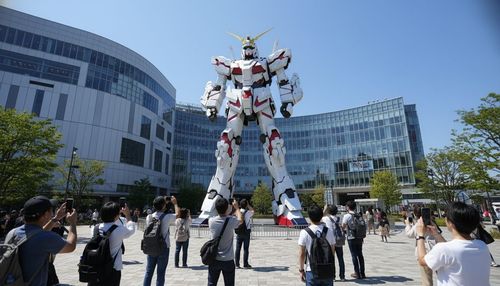
The Gundam Base Osaka at Expo City (near Universal City Station) is the West Japan hub for Bandai's Gunpla (Gundam plastic model) culture. The massive showroom displays completed models across every scale and series—from entry-level High Grade kits to the towering Perfect Grade behemoths that take weeks to build. The retail selection is comprehensive, and staff can help beginners choose a starting kit.
What makes the Osaka location special is the building-scale Gundam installation outside Expo City mall. It's photogenic, free to view, and surrounded by a broader mall complex that includes other figure stores, a VR attraction, and several pop culture-adjacent shops. Budget a couple of hours for the full Expo City experience.
Getting there: Expo City is accessible from Osaka Monorail (Banpaku-Kinen-Koen Station) or a short transfer from JR Ibaraki Station.
Super Nintendo World at USJ: A Quick Note
Universal Studios Japan's Super Nintendo World is the pinnacle of video game theme park design—Mario Kart: Koopa's Challenge alone is worth the park admission. It connects directly to Osaka's identity as a city where entertainment is taken seriously.
Since Super Nintendo World deserves its own full treatment, we've covered it in detail separately. The short version: book in advance, arrive early, and wear comfortable shoes. The area gets crowded fast, and the interactive wristband elements require time to fully explore.
Round1 Stadium: Arcade Culture at Full Volume
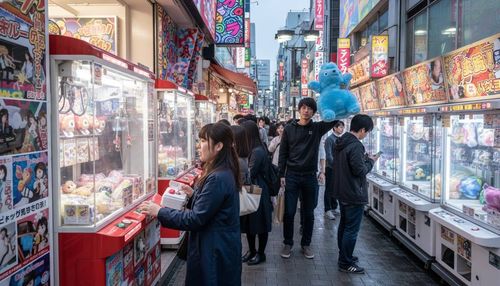
Round1 is Japan's premier entertainment arcade chain, and the Osaka locations—particularly Round1 Stadium Namba—are some of the best in the country. Multiple floors cover crane games (UFO catchers), rhythm games, fighting games, sports simulators, karaoke, bowling, and billiards.
The arcade culture here is participatory and unpretentious. Locals come for serious Taiko no Tatsujin sessions, competitive Tekken matches, and marathon UFO catcher attempts. Staff will help reset machines and offer extra plays when something goes wrong—the customer service ethic is noticeably good.
Round1 is also where you'll find the deepest selection of active rhythm game cabinets: Dance Dance Revolution, maimai, SOUND VOLTEX, and Chunithm all have dedicated areas. It's worth at least an hour even if you're not a dedicated arcade player.
Shinsaibashi/Amerikamura: Vintage and Street Culture
Amerikamura (America Village) in Shinsaibashi is Osaka's streetwear and vintage hub, centered around Triangle Park. The neighborhood has deep roots in youth subculture—it's where Osaka's fashion-forward youth has been shopping since the 1980s.
For pop culture visitors, Amerikamura offers a different kind of collectibles: vintage American pop culture items, retro toys, 90s anime merchandise mixed with Western nostalgia goods, and a strong selection of vintage clothing with an otaku-friendly edge (think: vintage band tees alongside original Sailor Moon print goods).
The area feeds naturally into the broader Shinsaibashi shopping street, where you'll find Animate, several figure shops, and a cluster of cosplay supply stores within easy walking distance of each other.
Yoshimoto Shinkigeki: Comedy as Pop Culture
You can't understand Osaka pop culture without understanding yoshimoto. Yoshimoto Kogyo is Japan's largest entertainment company, founded in Osaka, and it dominates the country's comedy landscape. Yoshimoto Shinkigeki at Namba Grand Kagetsu theatre puts on daily manzai and kokkei (slapstick) performances that pack the house every night.
This isn't niche culture—it's the civic religion of Osaka. The comedians performing here are household names across Japan, and the tradition of tsukkomi and boke (straight man/funny man) comedy runs through everything from late-night variety shows to how Osaka residents talk to each other. Even if you don't speak Japanese, the physical comedy is universal. Go for the experience.
Tickets: Available at the Namba Grand Kagetsu box office or through major ticketing platforms. Evening shows are the most lively.
Tsutenkaku Area: Gaming Under the Tower
The Tsutenkaku tower neighborhood in Shinsekai is famous for kushikatsu (deep-fried skewers) and retro Showa-era atmosphere, but it also hides a modest gaming scene that fits perfectly with the neighborhood's nostalgic DNA. Small arcades and game centers cluster around the tower's base, operating machines that newer venues have retired—classic mahjong game cabinets, vintage pinball machines, and 2D fighting game setups that haven't been touched since the arcades in this neighborhood refuse to change.
The Shinsekai atmosphere itself is a form of pop culture heritage—the neon-lit streets, the billiken (lucky god) statues, the shotengai arcade shopping street—it's all a living document of mid-century Japanese urban entertainment culture. Combine your Tsutenkaku visit with a kushikatsu dinner and you've covered two Osaka essentials in one go.
One-Day Otaku Route
Morning (10:00) Start at Mandarake Grand Chaos in Shinsaibashi when it opens. Browse two hours; set a budget limit before you walk in.
Late Morning (12:00) Walk to Animate Namba (10 minutes). Check the ground floor for current releases, browse upward.
Lunch (13:00) Takoyaki at Doraku or any stand in the covered Namba arcade. Osaka pop culture runs on street food. Our Osaka street food ranking has the best options nearby.
Afternoon (14:00) Pokemon Center Osaka DX at Takashimaya (5 minutes from Namba Station). Allow an hour.
Mid-afternoon (15:30) Head to Den Den Town for a deeper dive—retro shops, doujinshi, and anything you missed in the morning.
Evening (18:00) Round1 Stadium Namba for 90 minutes of arcade time. This naturally transitions into dinner in the Namba entertainment district.
Optional Evening Add-on Book evening tickets at Namba Grand Kagetsu for Yoshimoto Shinkigeki (check schedule in advance).
Getting Around
All of Osaka's main pop culture spots connect efficiently via the Osaka Metro. The Midosuji Line (red) links Shinsaibashi and Namba directly. Nipponbashi Station (Sennichimae and Sakaisuji lines) drops you at the heart of Den Den Town.
For Expo City (Gundam Base), take the Osaka Monorail from Hotarugaike Station (transfer from Midosuji Line at Senri-Chuo, or use the monorail from Osaka Airport connections).
A day pass on the Osaka Metro (¥820 as of 2025) pays for itself quickly if you're moving between Shinsaibashi, Namba, Nipponbashi, and Shinsekai. IC cards (Suica, ICOCA) work everywhere.
FAQ
Is Osaka's otaku scene worth visiting if I've already been to Akihabara? Absolutely. The overlap in merchandise is maybe 30%—the rest is unique to Osaka. Used goods are often cheaper, the shop atmospheres are more relaxed, and spots like Mandarake Grand Chaos have vintage stock that Tokyo's equivalent stores sold off years ago. The comedy culture and the Expo City area are entirely absent from the Tokyo experience.
When's the best time to visit Den Den Town and Namba? Weekday mornings are ideal—shops are uncrowded, staff have time to talk, and the used game stores are freshly stocked from weekend trade-ins. Summer weekends get crowded, but they're also when special events and store collaborations are most likely to be running.
Do the shops accept credit cards? Most major chains (Animate, Mandarake, Pokemon Center, Round1) accept credit cards and IC payment. Smaller independent shops and individual dealers at markets often prefer cash. Carry ¥10,000 in cash as a baseline.
Can I combine this with a day at USJ (Super Nintendo World)? It's ambitious but doable with good planning. USJ works best as a dedicated full day. If you're committed, visit Super Nintendo World when the park opens (9:00–13:00), then travel to Namba by early afternoon (USJ is about 30 minutes from Namba by train). You'll be tired by Round1.
Frequently Asked Questions
How does Osaka's pop culture scene differ from Tokyo's?
Osaka's pop culture scene is described as louder, grittier, and more chaotic, shaped by its merchant history and love of comedy. Unlike Tokyo's curated feel, Osaka's scene is horizontal, community-oriented, and doesn't take itself too seriously, valuing wit alongside spectacle.
Is Den Den Town the only place to experience Osaka's otaku culture?
While Den Den Town is an excellent starting point and Osaka's answer to Akihabara, the article emphasizes that the city's pop culture geography is spread across the entire city, with many other significant spots beyond Nipponbashi. It serves as an anchor, but the rabbit hole goes much deeper.
Where can I find rare or vintage anime figures and merchandise in Osaka?
Mandarake Grand Chaos in Shinsaibashi is highlighted for its extraordinary selection of used figures, vintage manga, retro game cartridges, and doujinshi, often with rare and deep vintage stock. Den Den Town also offers a deep selection of used merchandise and vintage figures.
What are the best spots for retro gaming in Osaka?
The Namba area hosts several dedicated retro game shops, including Super Potato Namba for a solid all-around selection spanning Famicom through PlayStation 2 era. Smaller specialist shops like Friends (ふれんず) are local favorites for Super Famicom software, and independent stores near Daikokucho Station specialize in boxed hardware.
What kind of themed cafes can I find in Osaka?
Osaka's maid cafes have a unique