VTuber Culture in Japan: What Visitors Should Know About Virtual YouTubers
June 26, 2026
Discover Japan's VTuber phenomenon — where to find merch, attend live events, and experience virtual idol culture in the real world.
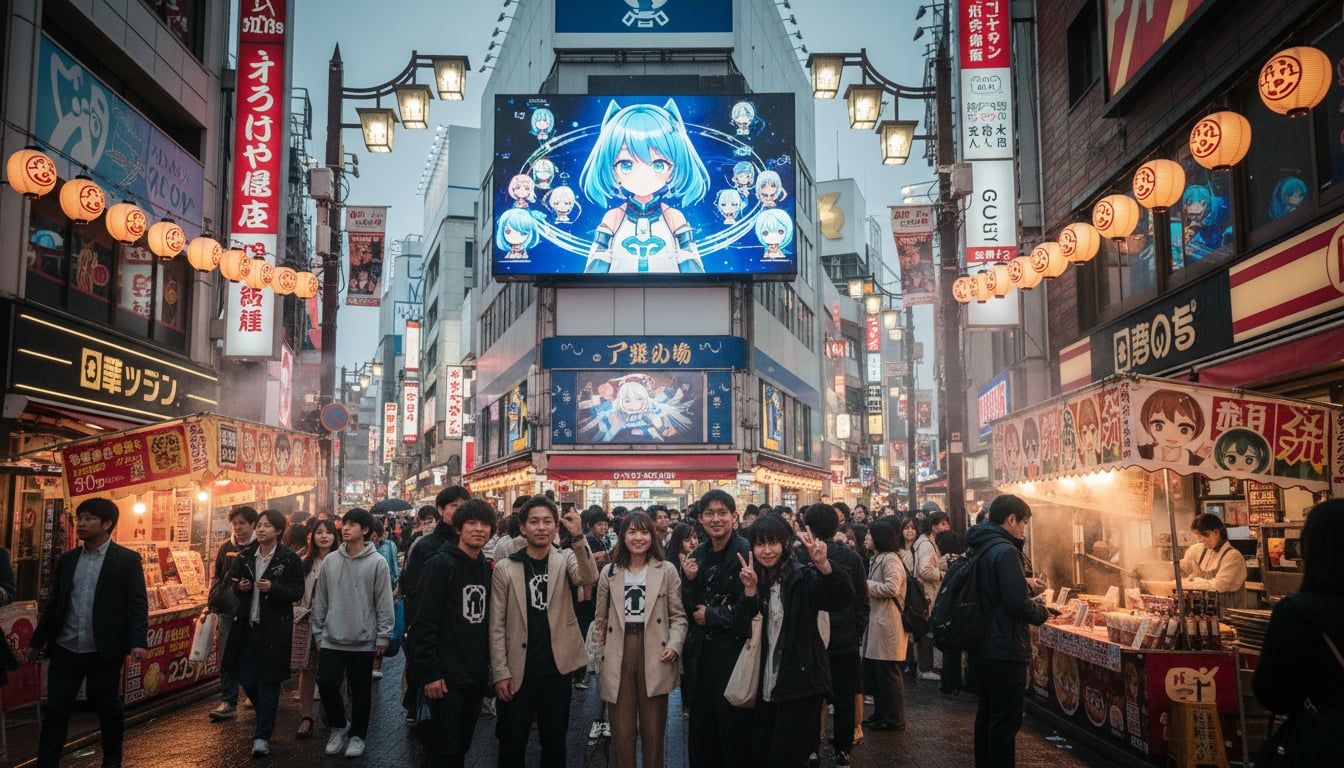
Walk through Akihabara on any given day and you will see them: enormous billboard-sized advertisements featuring animated characters promoting live-streamed events, merchandise storefronts packed floor to ceiling with acrylic stands, and queues of fans lining up for limited-edition goods. This is VTuber culture, and for visitors to Japan it can feel both thrilling and bewildering in equal measure. This guide breaks down what VTubers are, why they have become such a major force in Japanese pop culture, and — most importantly — where you can actually experience this world as a visitor.
What Is a VTuber?
VTuber is short for Virtual YouTuber. The term refers to content creators who use a real-time animated avatar — typically a stylized anime-style character — instead of appearing on camera as themselves. The avatar moves in sync with the creator's voice and physical gestures using motion-capture or face-tracking technology.
The format was pioneered in Japan in 2016 and exploded into mainstream visibility after 2018. Today, VTubers are not a niche internet curiosity. They hold the top positions in Japanese live-streaming viewership charts, sell out concert venues in minutes, and generate merchandise revenue that rivals established music acts.
The appeal is layered. For viewers, there is the parasocial warmth of a personality who streams for hours every day, combined with the creative freedom of interacting with a character who exists outside the normal rules of celebrity. For creators, the avatar provides a degree of privacy while still enabling genuine, unscripted self-expression.
Why VTuber Culture Is So Big in Japan
Japan has long had the cultural infrastructure to support this phenomenon. The country already embraced idol culture, character merchandise, voice acting fandoms, and the concept of the "2.5D" — a space where animated fiction and real human performance overlap. VTubers fit naturally into this existing ecosystem.
Japanese streaming platform culture also played a role. Platforms like NicoNico normalized long-form live-streaming and direct creator-to-fan interaction well before YouTube became dominant. When VTubers combined that intimacy with professional-grade anime aesthetics, the format resonated deeply.
Two agencies dominate the industry and are worth knowing by name as context for what you will encounter:
hololive, operated by Cover Corp, is currently the largest VTuber agency globally by audience. Their talent roster spans multiple branches including Japan, English-speaking, and Indonesian groups.
Nijisanji, operated by ANYCOLOR Inc., is the other major player, with an enormous Japanese-language roster and a significant international branch called NIJISANJI EN.
When you see VTuber-related merchandise or event promotions, odds are high that at least one of these two agencies is involved.
Physical Spaces to Experience VTuber Culture
Animate and Gamers Stores
Animate is Japan's largest anime merchandise retail chain, with flagship locations in Akihabara, Ikebukuro, and Shibuya. VTuber merchandise occupies dedicated sections — often entire floors — in major Animate branches. You will find acrylic stands, rubber keychains, voice packs on disc, official art books, music CDs, and event-limited goods.
Gamers (also in Akihabara) similarly stocks a wide range of VTuber merchandise and often receives exclusive collab items tied to agency campaigns.
Both stores post weekly or bi-weekly updates when new goods arrive, and popular items sell out quickly. Visiting on a weekday morning gives you the best chance of finding full stock.
Akihabara: The Heart of VTuber Tourism
Akihabara (電気街) remains the geographic center of VTuber merchandise culture. Beyond Animate and Gamers, several other stops are worth building into your walk:
- Kotobukiya Akihabara Store: High-end figures and official collab merchandise for major VTuber talents
- Melonbooks and Toranoana: Doujinshi (fan-made comics and art books) alongside official publications — VTubers have generated an enormous doujin culture
- Radio Kaikan building: Multiple specialty shops across multiple floors, several of which carry VTuber goods
- Street-level billboards: The stretch of Chuo-dori near the station frequently features large-format VTuber advertisements for new song releases, merchandise drops, or live event announcements. These are worth photographing even if you are just passing through
A practical walking route: exit Akihabara Station via the Electric Town exit, turn right on Chuo-dori, note the billboard landscape, then work your way into the side streets east of the main avenue where Animate, Gamers, Radio Kaikan, and dozens of smaller specialty shops are clustered within a few minutes of each other.
Ikebukuro as a Secondary Hub
While Akihabara leans toward electronics and gaming alongside anime, Ikebukuro's Sunshine City area and nearby Animate Ikebukuro (the chain's multi-floor flagship) cater heavily to VTuber and idol merchandise. Ikebukuro also hosts more collaboration cafe pop-ups relative to its size than almost anywhere else in Tokyo.
Collaboration Cafes
Collaboration cafes (コラボカフェ, kolabo kafe) are temporary themed restaurant experiences tied to a specific franchise or talent. For VTuber fans, these are a major pilgrimage stop. A collaboration cafe might run for two to four weeks, feature a menu of food and drinks styled around specific characters or themes, exclusive merchandise only available on-site, and decorated interiors.
How to find them:
- Follow the official social media accounts of hololive, Nijisanji, or individual VTuber talents for announcement posts
- Check aggregator websites such as Collabo Cafe (collabo-cafe.com) which lists current and upcoming collaboration cafes in Tokyo and Osaka
- Reservations are almost always required and often open via a lottery system a week or more in advance
Popular venues that regularly host VTuber collabs include Sweets Paradise locations, Maidreamin in Akihabara, and various standalone themed cafes in Shibuya and Harajuku.
VTuber Concerts and Live Events
One of the most immersive ways to experience VTuber culture is attending a live concert. These events use large LED screens, motion-capture performance, and theatrical production to render the animated talent performing in real time before an audience of thousands.
Major events are held at venues including Makuhari Messe, Zepp Tokyo (now Zepp Shinjuku), Ariake Garden Theater, and occasionally Budokan for the biggest acts.
How to attend:
- Monitor official agency websites and talent social media for event announcements, typically three to eight weeks in advance
- Tickets go on sale via lottery through platforms like L-Tike, Lawson Ticket (L-tike), e+, or agency-specific fan club systems
- Standing and arena tickets sell out within minutes of general sale; fan club pre-sales give a meaningful advantage
- Some events offer online viewing tickets as an alternative — purchased through the same platforms — which can be a realistic option if in-person tickets are unavailable
Even attending the merch booth area at a concert venue (sometimes accessible without a ticket on specific goods-sale days) is worth experiencing for the atmosphere.
VTuber Prizes in Arcades
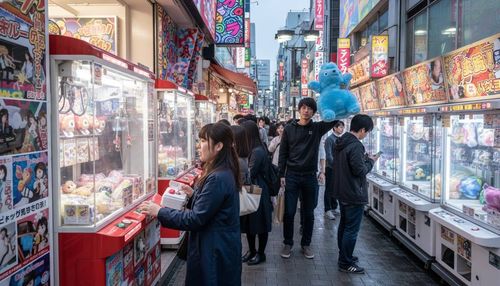
Japanese crane game arcades (UFO catcher centers) are a significant distribution channel for VTuber merchandise. Chains like SEGA Ikebukuro, Taito Station Akihabara, and Round One locations nationwide stock official VTuber goods — plush figures, acrylic stands, cushions, and more — as crane game prizes.
This is an accessible way to interact with VTuber culture without needing advance planning. You will find fresh prize stock rotating approximately monthly, and staff will help you attempt machines (there are also legal regulations requiring staff to award prizes if a customer has spent past a certain threshold). Even watching others play in front of a well-stocked VTuber prize section gives a sense of how deeply embedded this culture is in everyday leisure infrastructure.
How VTuber Culture Connects to the Broader Otaku World
VTubers did not emerge in a vacuum — they are the latest evolution of a creative and commercial ecosystem that has been building in Japan for decades. The merchandise model mirrors idol culture. The live events draw on the production values of anime concert history. The fan communities use the same doujinshi, fan art, and event infrastructure as manga and game fandoms.
For visitors, this means that if you already plan to visit Akihabara for anime goods or arcades, or attend any kind of live entertainment, you are already moving through the same spaces where VTuber culture lives. The difference is simply knowing what to look for — and now you do.
Frequently Asked Questions
Do I need to know Japanese to enjoy VTuber-related activities in Japan? For merchandise shopping and attending live concerts, Japanese ability is not required. Staff at major stores like Animate are accustomed to international customers, and concert performances are primarily audio-visual experiences. For collaboration cafes, menus are often displayed with pictures, and staff may use translation apps. Following English-language VTuber fan accounts on social media before your trip is a practical way to stay informed about events.
When is the best time to visit Akihabara for VTuber goods? Weekday mornings are ideal for stock availability. Large merchandise releases often happen on Fridays or Saturdays, which also means weekend crowds at stores like Animate can be intense. If a major event or concert is happening in Tokyo, the surrounding days will see heavier foot traffic and faster merchandise sell-through.
How do I find out about pop-up events and collaboration cafes during my visit? The most reliable method is following official agency accounts (hololive, Nijisanji) and specific talent accounts on X (formerly Twitter) several weeks before your trip. Japanese fan community accounts often post English-language summaries of upcoming events. The website Collabo Cafe and aggregator accounts dedicated to Tokyo pop-ups are also practical resources.
Are there VTuber experiences outside of Tokyo? Yes, though Tokyo is the primary concentration. Osaka's Den Den Town (Nipponbashi) functions as the Kansai equivalent of Akihabara and carries significant VTuber merchandise stock. Collaboration cafes occasionally run simultaneously in Osaka. Nagoya's Osu Kannon shopping district also has several anime/game stores that stock VTuber goods. For major concerts, events do occasionally take place at venues like Osaka-jo Hall and Makuhari Messe, so checking event listings is worthwhile regardless of your destination.
Explore More
Japan's VTuber scene is deeply intertwined with the broader pop culture landscape. If this world has caught your interest, these guides will help you explore further:
- Akihabara Otaku Guide: How to Navigate Tokyo's Electric Town — The definitive visitor's guide to Akihabara's shops, arcades, and culture
- Japan Idol and J-Pop Culture Guide — Understanding the idol industry that VTuber culture grew alongside
- Japan Gaming Arcades Guide — Where to find VTuber crane game prizes and experience Japan's arcade culture firsthand