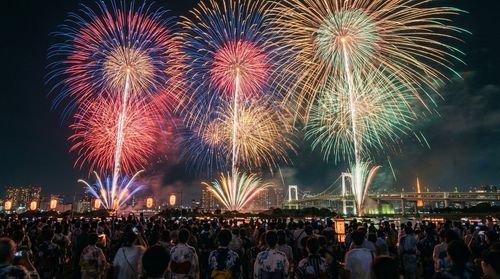
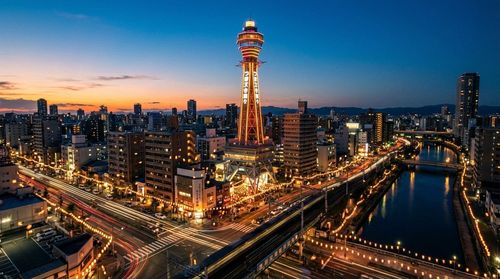
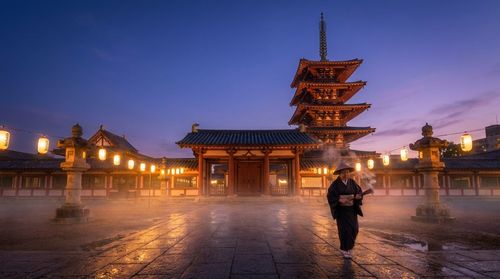
Glowing lanterns, massive floats, river fireworks — the 10 most photogenic Japanese festivals and tips for capturing them.
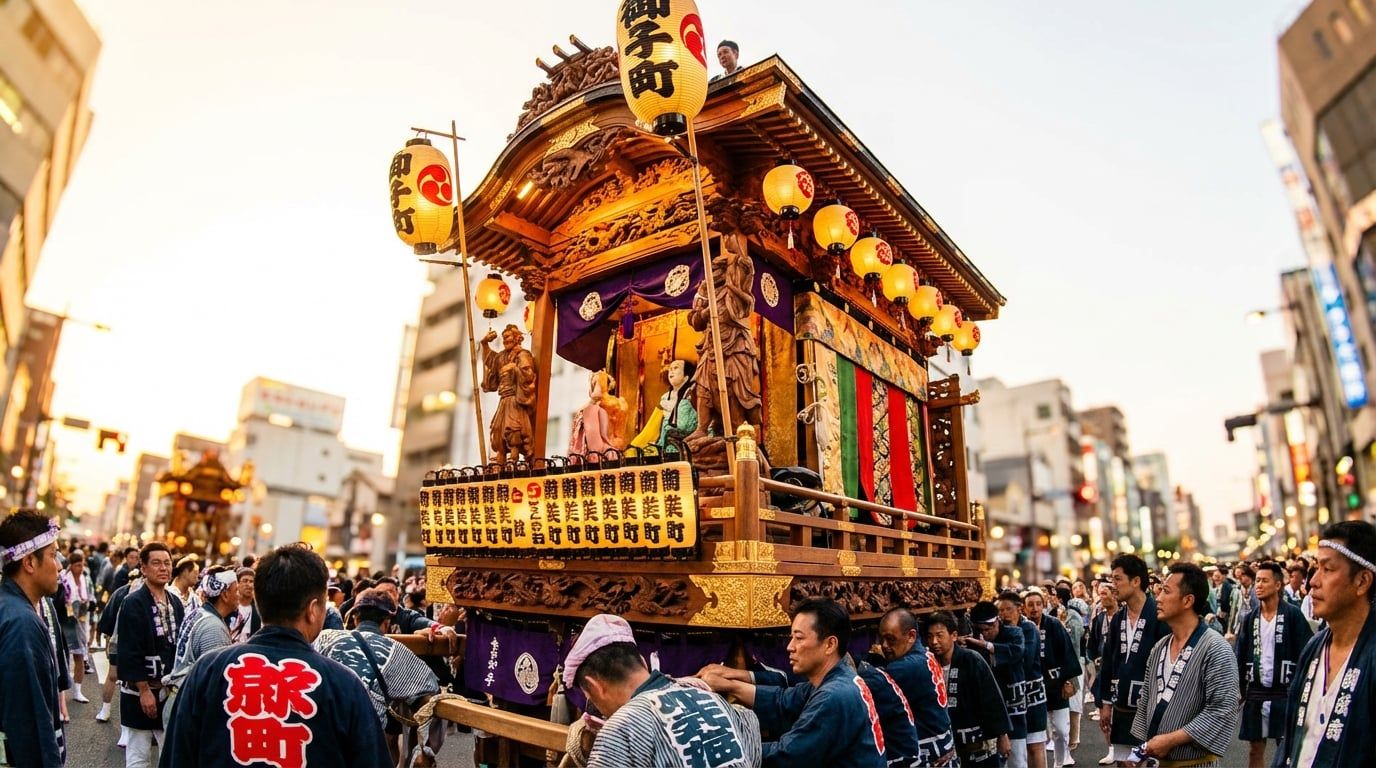 Image for illustrative purposes only.
Japan's festivals are a photographer's dream. Towering illuminated floats, rivers of paper lanterns, fireworks reflected on water — matsuri deliver spectacle that no studio could replicate. Here are the 10 most photogenic festivals and practical tips for getting the shot.
1. Gion Matsuri — Kyoto (July)
The towering yamaboko floats draped in centuries-old tapestries are stunning in daylight, but the real magic happens during Yoiyama (eve nights) when hundreds of paper lanterns light up each float. Photo tip: Shoot from side streets to frame a single float against the lantern glow. A wide-angle lens captures the full height.
2. Nebuta Matsuri — Aomori (August 2-7)
Massive illuminated floats depicting warriors and mythical figures glow from within as they're paraded through the streets. The colors are extraordinary. Photo tip: Position yourself at street corners where floats turn — the tilt and movement create dynamic compositions. Bump your ISO; flash won't reach.
3. Sapporo Snow Festival — Hokkaido (February)
Giant snow and ice sculptures lit with colored projections transform Odori Park into an open-air gallery. At night, the illumination turns ice into crystal. Photo tip: Visit after 6 PM for the best lighting. A tripod is essential for sharp night shots. Shoot the projections mid-cycle for the most vivid colors.
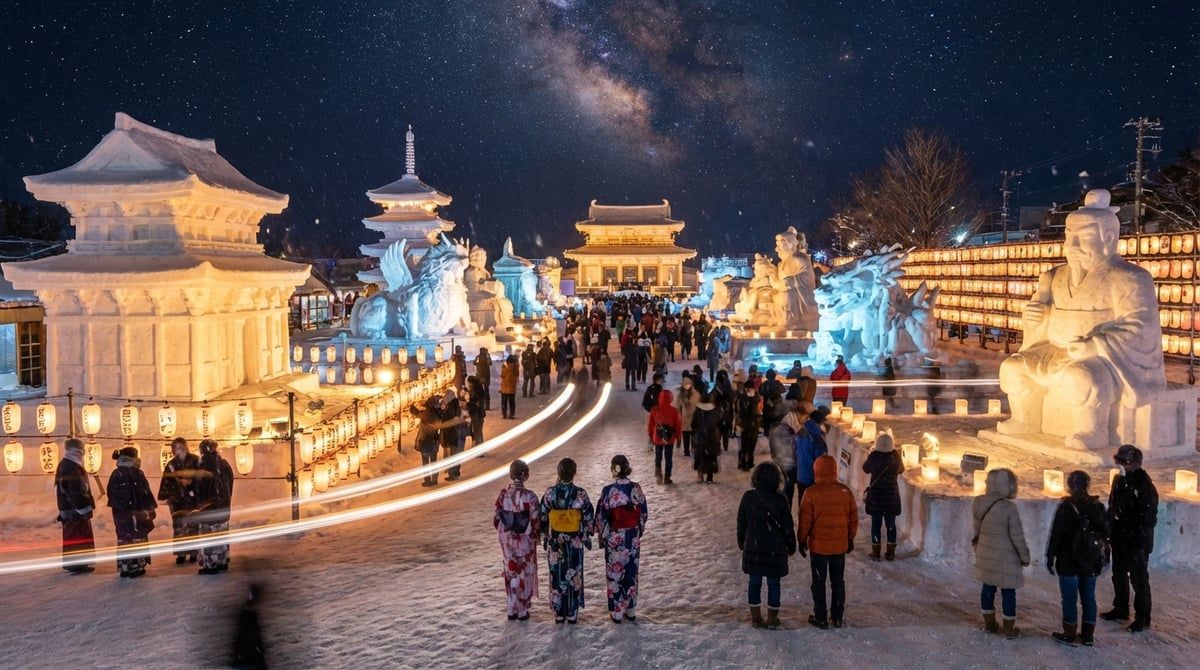 Image for illustrative purposes only.
4. Chichibu Night Festival — Saitama (December 2-3)
One of Japan's three great float festivals pairs elaborately carved floats with a spectacular winter fireworks display. The combination of fire, floats, and pyrotechnics is unmatched. Photo tip: The floats climbing the steep slope at Dango-zaka is the money shot. Arrive early to secure a spot with a clear sightline.
5. Tanabata Matsuri — Sendai (August 6-8)
Thousands of colorful streamers (kusudama) hang from bamboo poles along covered shopping arcades, creating tunnels of cascading color. Photo tip: Look up and shoot through the streamers toward the sky. Morning light filtering through the decorations gives a softer, more layered look than midday.
6. Awa Odori — Tokushima (August 12-15)
Japan's largest dance festival fills the streets with thousands of dancers in traditional costume. The synchronized movements and expressive faces are endlessly photogenic. Photo tip: Use a fast shutter speed (1/500+) to freeze the dancers' movements. The ren (dance groups) in matching outfits make for striking group compositions.
7. Tenjin Matsuri — Osaka (July 24-25)
The boat procession on the Okawa River, lit by bonfires and fireworks, creates reflections that double every light source. It is one of Japan's top three festivals. Photo tip: Stake out a riverside position on the Sakuranomiya side. The boats, fire, and fireworks reflecting on the water give you layers of light in a single frame.
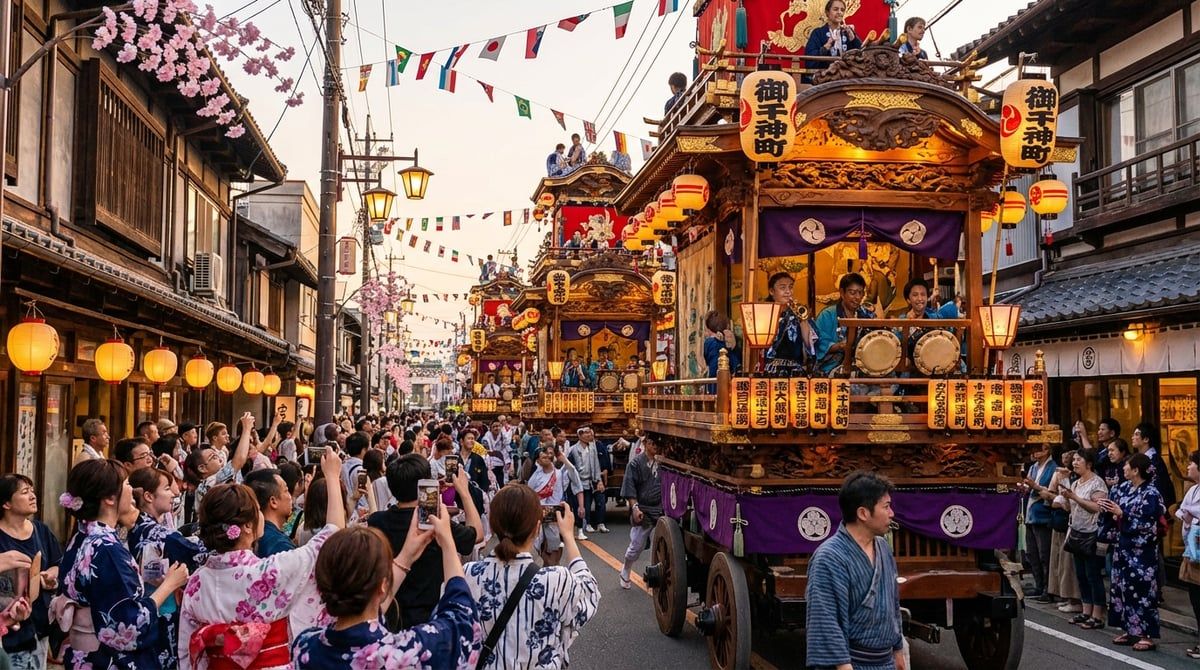 Image for illustrative purposes only.
8. Nara Tokae — Nara (August)
Over 20,000 candles are placed along the paths of Nara Park and around the ancient temples. Deer wander through the candlelight, creating scenes that feel timeless. Photo tip: The deer silhouetted against rows of candles near Kasuga Taisha is the iconic shot. Use a fast prime lens (f/1.8 or wider) for the low-light conditions.
9. Obon Toro Nagashi — Various Locations (August)
During Obon, thousands of paper lanterns are floated on rivers, lakes, and the sea to guide ancestral spirits home. The floating lights on dark water are hauntingly beautiful. Photo tip: Hiroshima's Peace Memorial ceremony and Kyoto's Arashiyama toro nagashi are the most photogenic. Shoot from a bridge for an elevated perspective.
10. Cherry Blossom Festivals — Nationwide (Late March-April)
Hanami season turns parks into pink canopies, and many locations add paper lanterns for yozakura (nighttime viewing). The combination of blossoms, lanterns, and festive crowds is peak Japan. Photo tip: Meguro River in Tokyo and Hirosaki Castle in Aomori are top spots. For yozakura, expose for the lanterns and let the blossoms glow softly.
General Festival Photography Tips
- Arrive early. The best positions fill up fast, especially for fireworks and float processions.
- Carry a fast lens. Most festival magic happens at night. An f/1.8 prime will outperform a zoom in low light.
- Respect boundaries. Some rituals and sacred moments are not meant to be photographed. Follow local guidance.
- Capture the crowd. The people — their excitement, their yukata, their festival food — tell the story as much as the main event.
Japan's festivals are living art. Whether you are chasing lantern light in Nara or fireworks over Osaka's river, these matsuri reward anyone who shows up with a camera and a little patience.
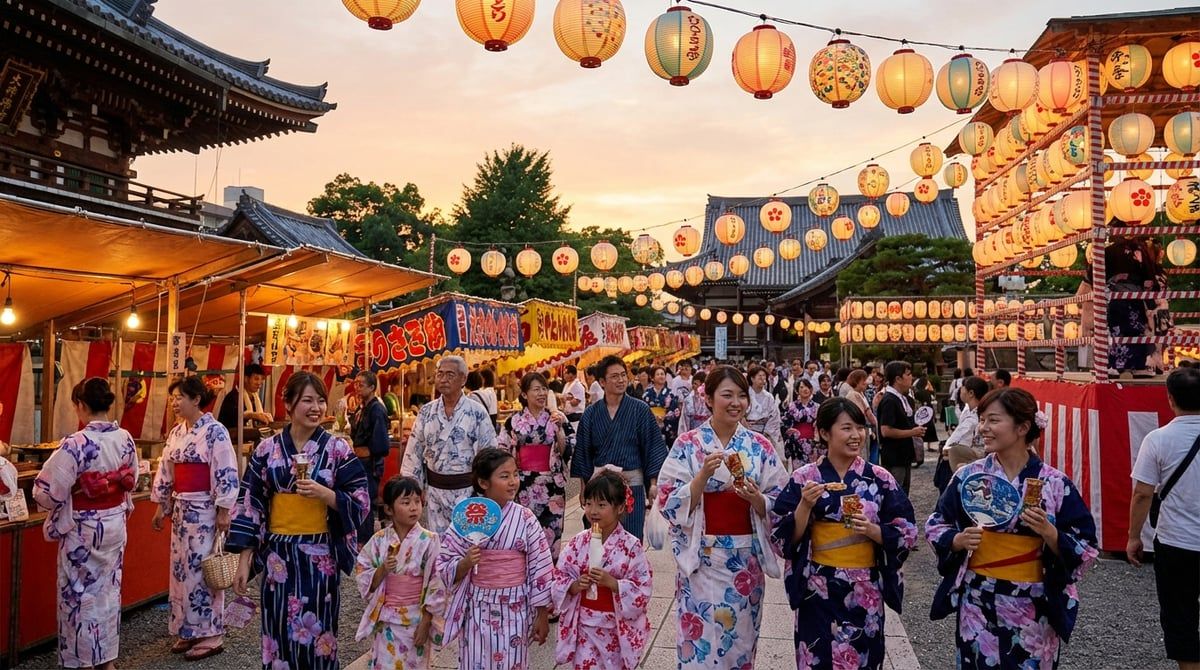 Image for illustrative purposes only.
Plan Your Festival Trip
- Complete Guide to Japanese Festivals
- Japan Festivals Calendar 2026
- Tips for Attending Japanese Festivals
- Monthly Festival Calendar
Frequently Asked Questions
What are some of the best festivals for photography in Japan?
The article highlights Gion Matsuri with its towering floats, Nebuta Matsuri with massive illuminated figures, and the Sapporo Snow Festival featuring giant snow and ice sculptures. Other top photogenic festivals include Chichibu Night Festival, Tenjin Matsuri, and Nara Tokae.
What photography equipment is recommended for capturing Japanese festivals, especially at night?
A fast lens, such as an f/1.8 prime, is highly recommended for low-light conditions. A tripod is essential for sharp night shots of static subjects, and a wide-angle lens can help capture the full height of floats.
When do most of these Instagrammable festivals take place?
The festivals listed span various seasons throughout the year. Many popular events like Gion, Nebuta, Awa Odori, and Tenjin Matsuri occur during the summer months (July-August), while the Sapporo Snow Festival is in February and Chichibu Night Festival in December.
Are there any specific tips for photographing illuminated floats or night scenes?
For illuminated floats, try shooting from side streets to frame them against lantern glow, or position yourself at street corners for dynamic compositions. For general night scenes, bump your ISO, use a tripod for sharpness, and expose for lanterns to capture their soft glow.
Which festivals involve water elements like rivers or lakes?
The Tenjin Matsuri in Osaka features a boat procession on the Okawa River, creating stunning reflections of bonfires and fireworks. Additionally, during Obon, the Toro Nagashi ceremony involves floating thousands of paper lanterns on rivers, lakes, and the sea.
Explore More Festival Guides
Continue your Japan festival journey with these related guides: