From fertility parades to naked festivals and log riding — Japan's most wonderfully weird matsuri traditions.
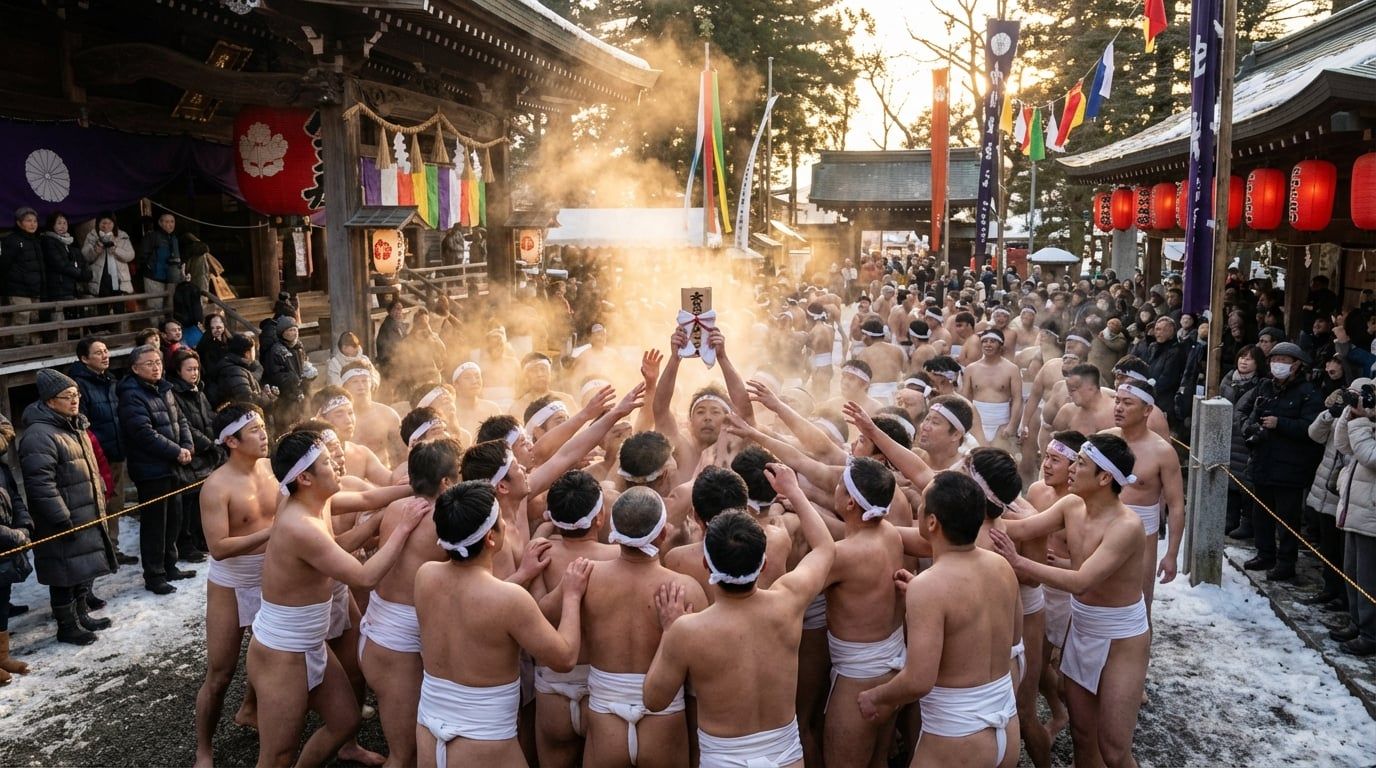 Image for illustrative purposes only.
Japan takes its festivals seriously — and sometimes that means things get wonderfully, gloriously weird. Behind every unusual matsuri is centuries of tradition, community spirit, and a healthy dose of humor. Here are the festivals that prove Japan is never boring.
Kanamara Matsuri — Kawasaki (April)
Yes, it is exactly what you think. The "Festival of the Steel Phallus" in Kawasaki features a parade with, well, giant phallic floats carried through the streets. Originally rooted in prayers for fertility, protection from disease, and good marriages, the festival now also raises funds for HIV research. Visitors come from around the world, and the atmosphere is surprisingly family-friendly and lighthearted. Themed candy and souvenirs are part of the fun.
Hadaka Matsuri — Various Locations (February)
"Naked Festival" is a slight exaggeration — participants wear loincloths — but thousands of men jostling, chanting, and scrambling in near-freezing temperatures is still a remarkable sight. The most famous Hadaka Matsuri takes place at Saidai-ji temple in Okayama, where men compete to grab sacred sticks (shingi) thrown by a priest in the dark. The one who claims it receives a year of good fortune. It is raw, chaotic, and unforgettable.
 Image for illustrative purposes only.
Onbashira — Nagano (Every 6 Years, Next: 2028)
Every six years, the people of Suwa rebuild the four corner pillars of their grand shrine using massive fir trees hauled down from the mountains. The climax? Men ride the logs down steep hillsides at terrifying speed. Injuries happen. Nobody seems to mind. Onbashira has been held for over 1,200 years, and the log-riding tradition (ki-otoshi) is as thrilling to watch as it sounds. If your timing is right, this is a once-in-a-lifetime experience.
Naki Sumo — Various Locations (Spring)
Two sumo wrestlers each hold a baby and try to make them cry. The first baby to cry wins. If both cry at the same time, the louder one takes the prize. The logic? Crying babies grow up healthy, and their wails drive away evil spirits. Sensoji Temple in Tokyo and Ikiko Shrine in Kanuma host well-known events. The combination of massive sumo wrestlers gently holding tiny, bewildered babies is pure joy.
Taimatsu Akashi — Sukagawa, Fukushima (November)
One of Japan's three great fire festivals. Enormous torches — some over 10 meters tall — are set ablaze on a hillside, creating a wall of fire visible for miles. The festival dates back over 400 years to honor fallen warriors. The heat, the roar of the flames, and the silhouettes of the torch bearers against the fire create a scene that feels ancient and powerful.
 Image for illustrative purposes only.
Bota Mochi Matsuri — Katsuura, Chiba (February)
This quirky festival features a ritual where giant bota mochi (sweet rice cakes) weighing several kilograms are offered at Tomisaki Shrine. The oversized sweets are paraded through town, and visitors can sample regular-sized versions. It is a charming, low-key matsuri that revolves entirely around one very large dessert.
Paantu — Miyako Island, Okinawa (October)
In this Okinawan festival, men covered head to toe in mud and vines roam the village as paantu — supernatural beings who smear mud on everyone they encounter. Getting muddy is considered good luck, but that does not stop people from running. Children scream, tourists scramble, and the paantu pursue everyone with calm, terrifying persistence. It is hilarious and slightly unnerving in equal measure.
 Image for illustrative purposes only.
Why These Festivals Matter
It would be easy to dismiss these as quirky spectacles, but every one of them carries deep meaning — prayers for health, fertility, protection, and community renewal. Japan's willingness to preserve traditions that outsiders might find strange is part of what makes its festival culture so rich. The locals do not perform for tourists; they celebrate because they have been celebrating this way for centuries.
If you visit Japan expecting only serene temples and polite bowing, these festivals will happily shatter that image. Embrace the chaos.
Frequently Asked Questions
What is the Kanamara Matsuri and what is its purpose?
The Kanamara Matsuri, or "Festival of the Steel Phallus," is a festival in Kawasaki featuring a parade with giant phallic floats. Originally, it was rooted in prayers