Okinawa Festivals: Eisa Dancing, Giant Tug of War, and Tropical Celebrations
May 4, 2026
Okinawa's festivals are unlike anything on mainland Japan — Eisa drumming, 200-meter tug of war, and cherry blossoms in January.
Image for illustrative purposes only.
Okinawa does not feel like the rest of Japan — and its festivals prove it. The former Ryukyu Kingdom maintained its own cultural traditions for centuries, blending Chinese, Southeast Asian, and indigenous influences into celebrations that are loud, colorful, and deeply communal. From the thundering drums of Eisa dance to a tug of war so massive it holds a Guinness World Record, Okinawa's matsuri are experiences you simply cannot find on the mainland.
Eisa Festival (August — Obon Season)
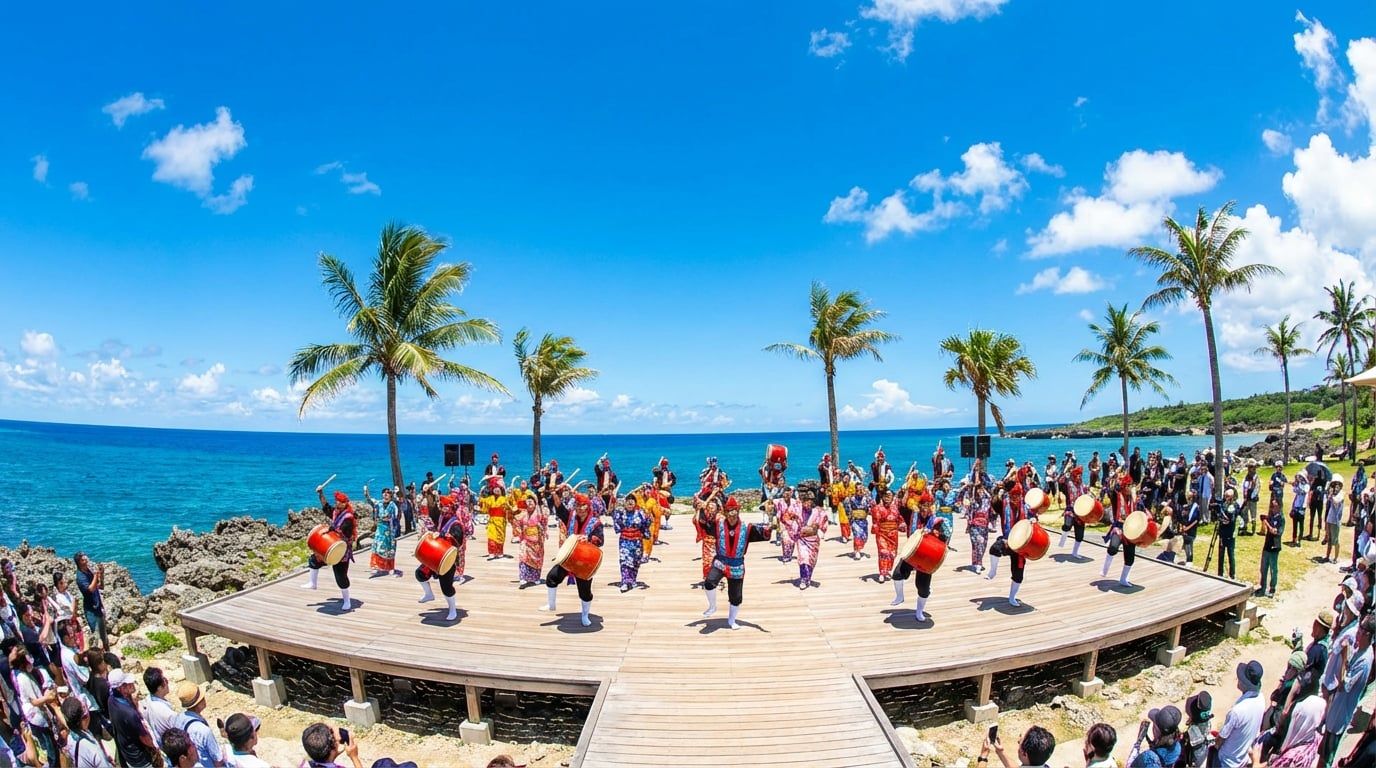
Eisa is Okinawa's most iconic cultural performance and the heart of the island's Obon celebrations. During the three days of Obon (typically mid-August on the lunar calendar), communities across Okinawa take to the streets in a tradition that honors returning ancestral spirits with dance, drums, and song.
Eisa dance troupes — called seinen-kai (youth groups) — march through neighborhoods performing choreographed routines led by thundering taiko and paranku drums. The dances are powerful and athletic, with male dancers leaping and spinning while carrying large drums, and female dancers performing graceful hand movements. A comedic character called chondara weaves through the formation, improvising jokes and keeping the crowd engaged.
The largest organized Eisa event is the Okinawa Zento Eisa Matsuri (All-Okinawa Eisa Festival), held on the weekend after Obon at Koza Athletic Park in Okinawa City. Dozens of top troupes perform on a main stage, and the energy is extraordinary — imagine a dance competition crossed with a rock concert, powered entirely by acoustic drums and human voices.
When: Obon period (mid-August, lunar calendar); All-Okinawa Eisa Festival the following weekend Where: Throughout Okinawa (neighborhood performances); Koza Athletic Park (main festival) Access: Okinawa City is 40 min by car from Naha; no train service — use bus or rental car Tips: Neighborhood Eisa on the actual Obon evenings is more intimate and authentic than the large festival. Ask your hotel for local schedules.
Naha Great Tug of War (October)
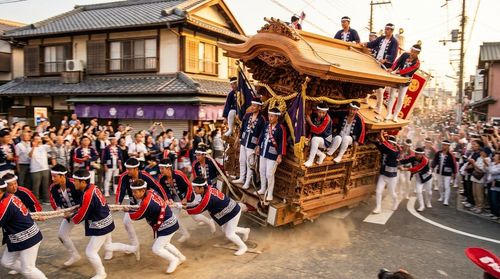
The Naha Otsunahiki is one of the most jaw-dropping festival events in all of Japan. A single rope measuring approximately 200 meters long and weighing around 40 tons is stretched across Kokusai-dori (International Street) in central Naha. Then roughly 15,000 participants — locals and visitors alike — grab on and pull.
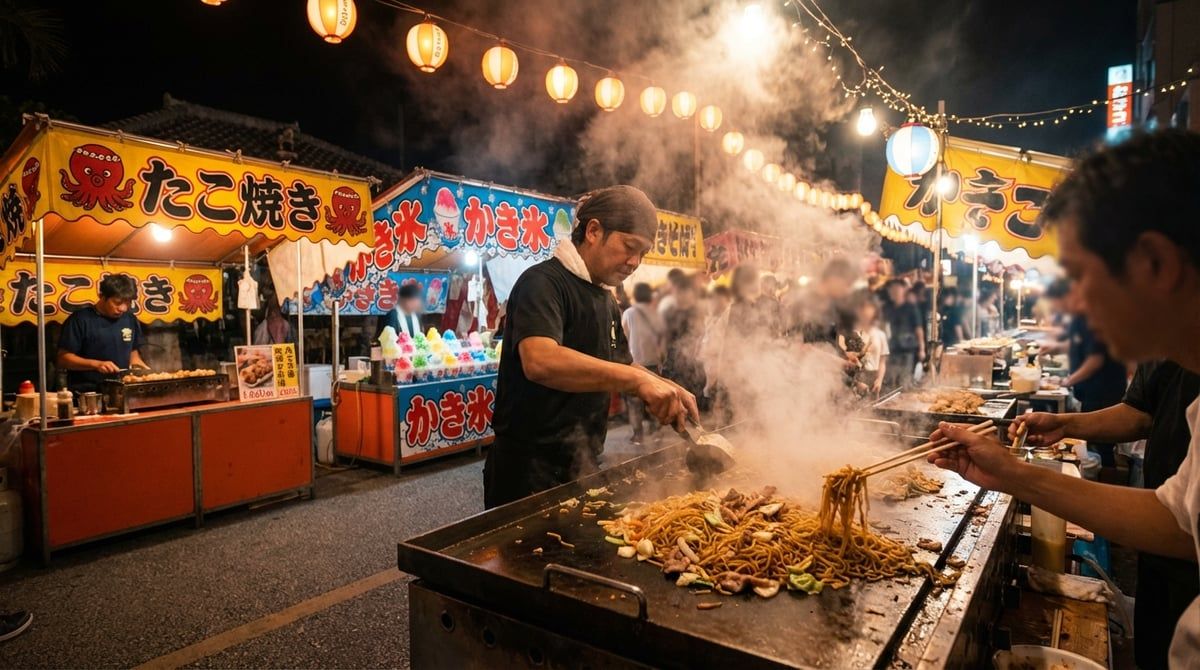 Image for illustrative purposes only.
The event has a 600-year history rooted in prayers for good harvests and prosperity. The rope itself is a marvel of construction, woven from rice straw over weeks of community effort. Before the tug begins, a ritual ceremony and spirited parade of historical figures in Ryukyu-era costumes march along the route. The actual pulling lasts about 30 minutes, with east and west sides competing. After the event, participants cut off pieces of the rope to take home as good luck charms.
The Naha Tug of War holds a Guinness World Record for the world's largest tug of war event. Standing in the middle of a crowd of thousands, gripping a rope as thick as a tree trunk, pulling alongside strangers — it is an experience that is both absurd and unforgettable.
When: Body of Health and Sports Day holiday weekend in October (typically the Sunday before the holiday) Where: Route 58 / Kokusai-dori area, Naha Access: Yui Rail to Kencho-mae or Makishi Station Tips: Arrive early to secure a pulling position. The east side (higashi) has historically won more often. Wear gloves to protect your hands from rope burn.
Cherry Blossom Festivals (January–February)
While mainland Japan waits until late March or April for cherry blossoms, Okinawa's kanhizakura (Taiwan cherry) trees bloom as early as mid-January, making the islands home to Japan's earliest hanami season. The blossoms are a deep pink — more vivid than the pale Somei Yoshino of Tokyo and Kyoto.
The two most popular viewing spots are Nago Cherry Blossom Festival along the road leading to Nago Castle ruins, and Nakijin Castle (a UNESCO World Heritage Site) where the blossoms frame ancient stone walls. The Yaedake Cherry Blossom Festival in Motobu is another favorite, set on a mountainside with ocean views. Okinawan cherry blossom season is wonderfully uncrowded compared to the mainland frenzy — you can walk beneath full-bloom trees in near-solitude.
When: Mid-January to mid-February Where: Nago Castle Park, Nakijin Castle, Yaedake (Motobu) Access: Rental car recommended (60–90 min from Naha) Tips: The blossoms open from the northern end of the island first, then move south. Check local bloom forecasts before planning your route.
Ryukyu Lantern Festival (Winter)
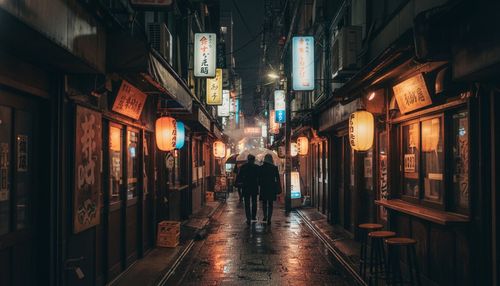
Murasaki Mura in Yomitan village hosts a winter lantern festival that transforms this Ryukyu-era film set village into a glowing wonderland. Thousands of lanterns in the shapes of dragons, shisa lions, and Ryukyuan court figures line the pathways of this recreation of a historical Ryukyu village.
The festival typically runs from December through March, making it a perfect winter evening activity. The Chinese-influenced lantern art reflects Okinawa's deep historical ties to the Asian continent. Unlike the famous lantern festivals of mainland China, the Ryukyu Lantern Festival is small enough to feel intimate, with craft workshops, sanshin music performances, and Okinawan food stalls adding warmth to the experience.
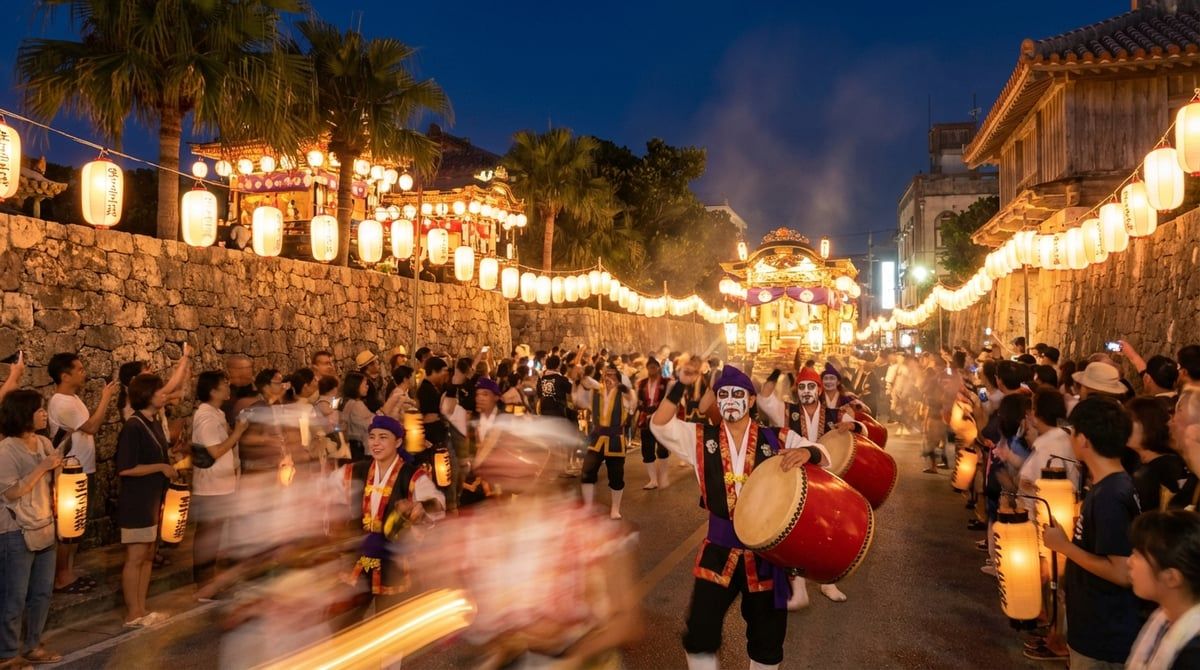 Image for illustrative purposes only.
When: December through March (dates vary annually) Where: Murasaki Mura, Yomitan Village Access: 60 min by car from Naha Tips: Go on a weekday evening for the most peaceful atmosphere. The lanterns look best about an hour after sunset.
Hari Boat Races (May–June)
Hari (also called haarii) are traditional dragon boat races held across Okinawa from May through June. The races date back to the Ryukyu Kingdom era and were originally prayers for safety at sea and bountiful fishing. Teams paddle long ornate boats to the beat of drums, racing across harbors in a display of speed and teamwork.
The largest event is the Naha Hari, held in Naha Port over three days around the national holiday in early May. Community teams, corporate teams, and even visitor teams compete, making it one of the most participatory festivals on the island. The atmosphere is festive and relaxed, with food stalls, live music, and an ocean breeze.
When: May–June (Naha Hari: early May around Golden Week) Where: Naha New Port (Naha Hari); harbors island-wide Access: Bus or taxi from Naha city center Tips: Some events allow visitor team registration — ask at your hotel if you want to paddle.
Shuri Castle Events (Year-Round)
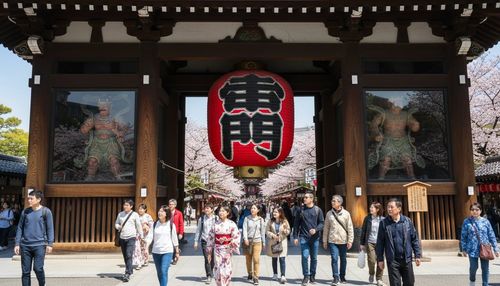
Though partially destroyed by fire in 2019, Shuri Castle continues to host cultural events during its ongoing reconstruction. The Shuri Castle Festival in late October through early November celebrates Ryukyuan court culture with parades of people in royal costumes, traditional performing arts, and reenactments of ceremonies from the kingdom era. The New Year celebration at Shuri is also significant, with traditional rituals and performances marking the start of the year.
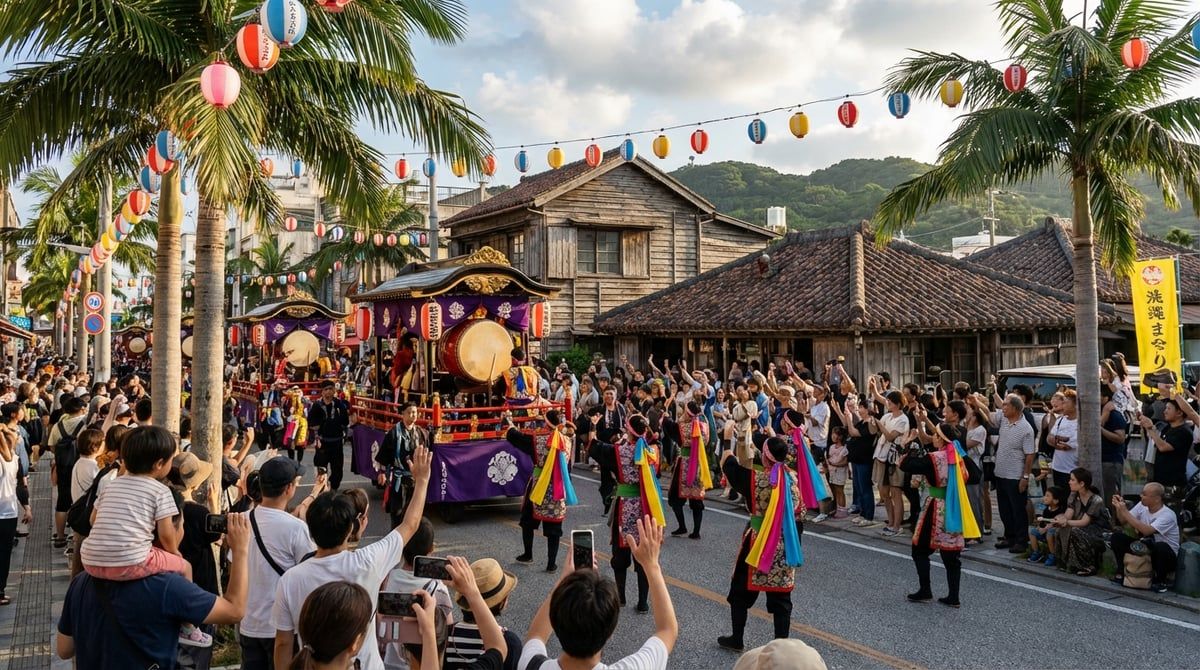 Image for illustrative purposes only.
The reconstruction itself has become a point of cultural pride, with public viewing areas where visitors can watch traditional building techniques being used to restore the castle. Completion is expected in 2026, making any visit in this period historically significant.
When: Shuri Castle Festival: late October–early November; New Year events: January 1–3 Where: Shuri Castle Park, Naha Access: Yui Rail to Shuri Station (15 min walk)
Planning Your Okinawa Festival Trip
Naha is well connected with direct flights from Tokyo (2.5 hrs), Osaka, and international cities across Asia. A rental car is highly recommended for reaching festival venues outside Naha, as Okinawa's public transit is limited. The Yui Rail monorail covers central Naha effectively.
Okinawa's subtropical climate means festivals can be enjoyed comfortably year-round, though summer events come with heat and humidity. The October tug of war and winter cherry blossoms offer the most pleasant weather for visitors.
Want to explore more of Japan's festival culture? Start with our complete guide to Japanese festivals, browse the month-by-month festival calendar, or see what is happening at Japan's best festivals in 2026.
What Real Travelers Say
Unable to generate summary - the provided data does not contain any reviews or forum posts about Eisa Festival. The dataset includes reviews for unrelated attractions such as spas, beaches, and other festivals, but no relevant information about Eisa Festival in Japan.
Crowd Level: No data available to assess crowd levels.
Frequently Asked Questions
When is the Eisa Festival held in Okinawa?
The Eisa Festival takes place during the Obon period, typically mid-August on the lunar calendar, with the large All-Okinawa Eisa Festival held the following weekend. Neighborhood performances occur throughout Okinawa
Explore More Festival Guides
Continue your Japan festival journey with these related guides: