Skip the overcrowded tourist spots. From Tennoji Park to Shitennoji's 1,400-year-old temple grounds, here's how Osaka locals really do cherry blossom season.
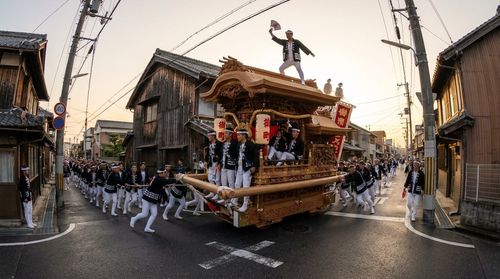
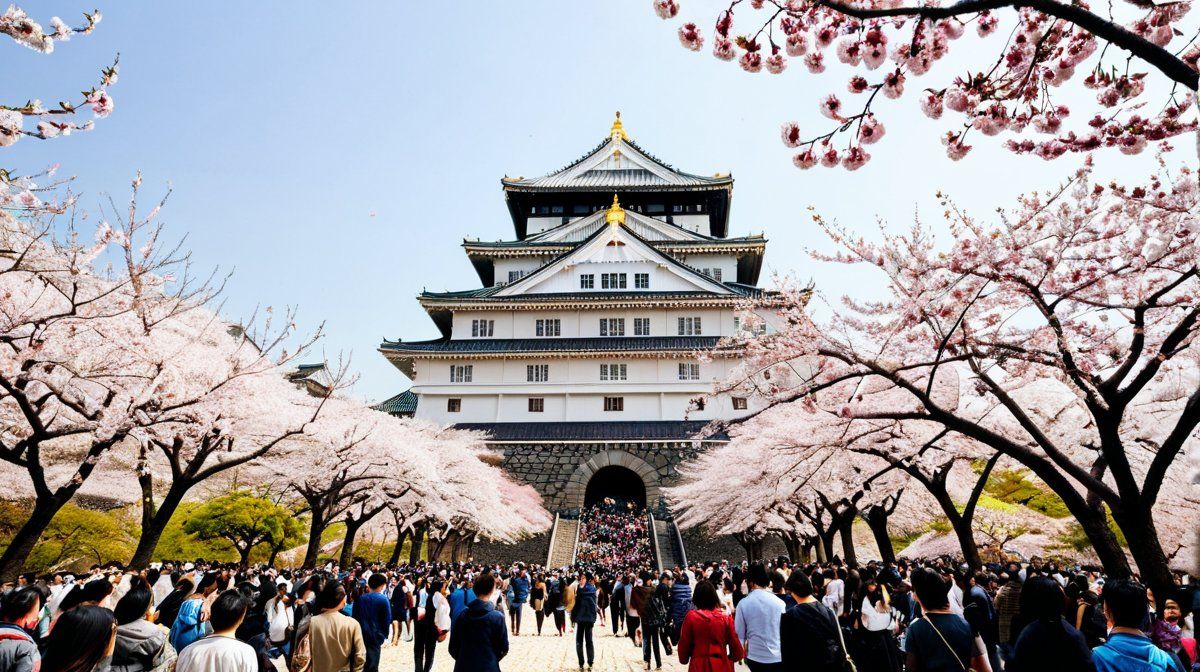 Image for illustrative purposes only.
The air smells different in Osaka at the end of March. Step off the train at Tennoji Station and you'll catch it immediately -- the faint, sweet scent of cherry blossoms mixing with warm steam rising from a nearby takoyaki stand. Petals drift across the sidewalk like pink confetti, and somewhere in the distance, someone has already cracked open a can of beer at 10 AM. Nobody judges. It's hanami season.
Hanami -- literally "flower viewing" -- is Japan's unofficial national holiday. For a few electric weeks each spring, the entire country pauses to sit beneath cherry trees, eat too much, drink a little more, and contemplate the beauty of something that won't last. In Osaka, they do it louder, later, and with considerably more food than anywhere else in Japan.
But here's what most visitors miss: the best hanami in Osaka isn't at the famous spots plastered across travel blogs. It's in the Tennoji area, where ancient temples, sprawling parks, and real neighborhood life create a sakura experience you simply can't get in the tourist corridors.
When Do Cherry Blossoms Bloom in Osaka?
Osaka's cherry blossom season typically unfolds between late March and mid-April. The timing shifts each year depending on winter temperatures, but the pattern is remarkably consistent:
| Stage | Typical Timing | What to Expect |
|---|---|---|
| First Bloom (kaika) | March 25-30 | Scattered blossoms, building excitement |
| Full Bloom (mankai) | April 1-7 | Peak color, the city turns pink -- this is when you want to be here |
| Petal Fall (sakura fubuki) | April 8-15 | Blossoms raining down, still beautiful |
Pro tip: The Japan Meteorological Corporation releases detailed forecasts starting in January. Full bloom typically lasts only 3-5 days before petals start falling -- though many locals will tell you that sakura fubuki (cherry blossom blizzard) is the most beautiful stage of all. There's something about walking through a swirl of falling petals that photographs can never quite capture.
Tennoji Park & Chausuyama: The Local Hanami Headquarters
If you want to understand how Osaka locals actually do hanami, skip Osaka Castle Park and head to Tennoji Park.
The park's Chausuyama mound -- a small hill with panoramic views -- becomes a sea of blue tarps and laughter every late March. Families show up at dawn to claim their spot. By noon, the aroma of grilled meat and yakisoba fills the air. Children chase each other between the trees while grandparents pour sake from ceramic cups. It's messy, joyful, and completely unpretentious.
What sets Tennoji Park apart from the city's more famous hanami spots is the sense of genuine community. This isn't performative flower viewing for social media. The people here are neighbors, coworkers, extended families -- people who come back to the same spot, under the same tree, year after year. When you're ready for a break from the blossoms, the surrounding streets offer a fantastic local food walk through one of Osaka's most authentic dining neighborhoods.
The park's Keitakuen Garden offers a more contemplative experience. This traditional Japanese landscape garden, originally built for the Sumitomo family, frames its cherry trees against a backdrop of ponds, stone bridges, and sculpted hills. The contrast between the lively picnic crowds outside and the quiet refinement inside the garden is quintessential Osaka -- a city that moves effortlessly between rowdy and refined.
| Detail | Information |
|---|---|
| Address | Chausuyama-cho, Tennoji-ku, Osaka |
| Access | 3 min walk from Tennoji Station (JR / Midosuji Line) |
| Hours | Park: 24 hours; Keitakuen: 9:30-17:00 |
| Entry | Park free; Keitakuen 150 yen |
Shitennoji Temple: Sakura with 1,400 Years of History
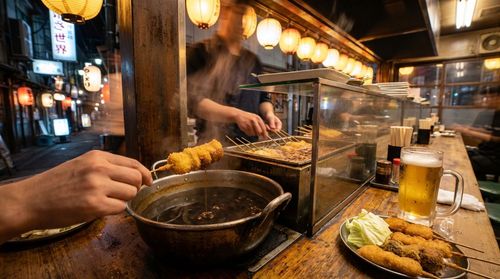
 Image for illustrative purposes only.
A 10-minute walk north from Tennoji Park, Shitennoji Temple offers something no other hanami spot in Osaka can match: 1,400 years of continuous spiritual history beneath the blossoms.
Founded in 593 AD, Shitennoji is Japan's oldest officially administered Buddhist temple. Its roughly 100 cherry trees are fewer in number than the thousands at Osaka Castle -- but that's precisely the point. Here, each tree feels intentional. The pale pink blossoms frame the iconic five-story pagoda so perfectly that you'd swear the original architects planted the trees with this exact view in mind.
Visit early morning and you'll have the grounds nearly to yourself. The cool stone beneath your feet, the hollow echo of a wooden bell being struck somewhere inside the main hall, petals drifting into the reflection pool -- it's a meditative experience that's the polar opposite of the raucous hanami parties happening in parks across the city.
If you have time for a deeper exploration, our Shitennoji morning walk guide maps out a lovely route that pairs the temple with the surrounding neighborhood's hidden cafes and shrine paths.
| Detail | Information |
|---|---|
| Address | 1-11-18 Shitennoji, Tennoji-ku, Osaka |
| Access | 5 min walk from Shitennoji-mae Yuhigaoka Station |
| Hours | 8:30-16:30 (outer grounds accessible earlier) |
| Entry | Outer grounds free; inner temple 300 yen |
Beyond Tennoji: Osaka's Other Top Cherry Blossom Spots
The Tennoji area is our top recommendation for a local-feeling hanami, but Osaka is a city overflowing with cherry trees. Here are the spots worth the trip:
Osaka Castle Park -- The Iconic Postcard
Over 3,000 cherry trees surround the magnificent castle grounds. The Nishinomaru Garden (entry 350 yen) is the photographer's sweet spot -- 300 somei-yoshino trees with the castle tower rising behind them. Evening illuminations (yozakura) make this one of the best nighttime hanami experiences in all of Japan. Be warned: it gets extraordinarily crowded during peak bloom.
Kema Sakuranomiya Park -- The Riverside Stroll
Some 4,500 cherry trees line a 4.2-kilometer stretch along the Okawa River. Rent a small boat near Temmabashi and row beneath the blossoms -- surprisingly affordable and genuinely romantic. This is also where the Japan Mint's famous annual "Sakura no Torinuke" passage opens each April, showcasing 134 rare cherry varieties along a 560-meter one-way path.
Expo '70 Commemorative Park -- The Family Pick
With 5,500 trees spread across 264 hectares, this massive park never feels cramped. The surreal Tower of the Sun sculpture gives your hanami photos a uniquely Osaka flavor. Great play areas make it ideal for families.
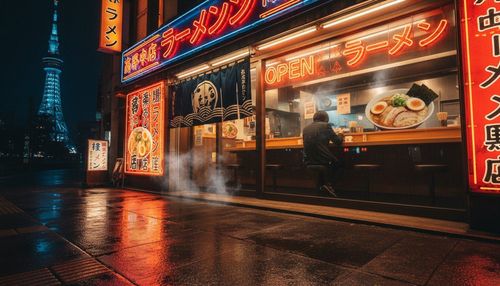
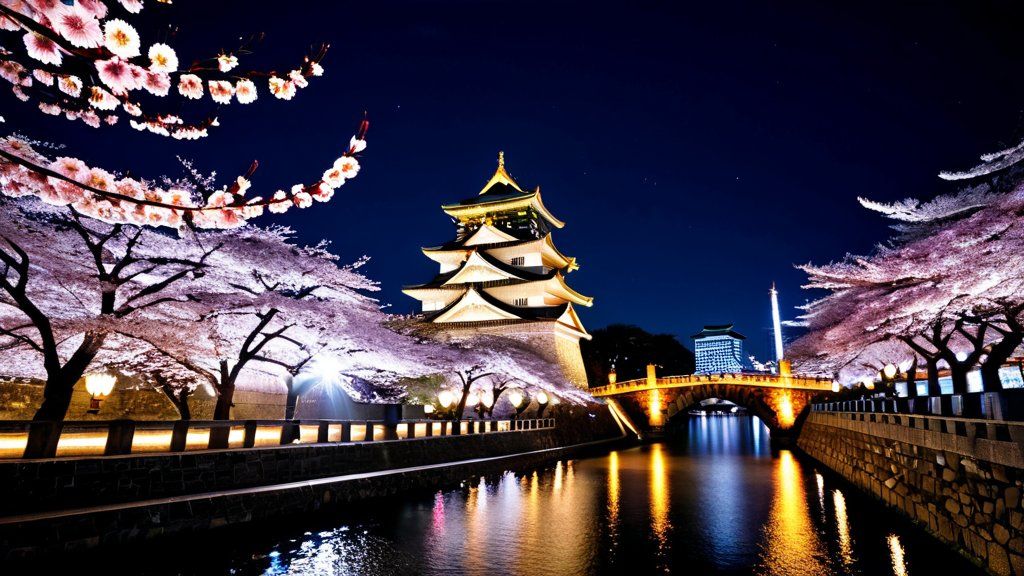 Image for illustrative purposes only.
What Most Tourists Don't Know
The best hanami happens on weekday lunchtimes. Weekend crowds at Osaka Castle Park can reach 100,000 people per day during peak bloom. But visit Tennoji Park or Shitennoji on a Tuesday afternoon and you'll share the trees with a handful of retirees and truant salarymen. The difference is staggering.
"Full bloom" doesn't mean "best viewing." Many experienced hanami-goers prefer the 2-3 days just after full bloom, when petals begin falling. The trees are still mostly pink, but now every breeze sends a cascade of petals swirling through the air. Locals call it sakura fubuki (cherry blossom blizzard), and it's genuinely magical.
The blue tarp hierarchy is real. At popular spots, groups send a designated person to claim territory at 6 or 7 AM -- sometimes earlier. If you're arriving at noon hoping to snag a prime spot beneath the biggest tree, you're hours too late. Head to less contested spots like Tennoji Park's Chausuyama or bring a small tarp and look for gaps between established camps.
Japan has a cherry blossom after-party. If you arrive in late April and think you've missed sakura season, don't despair. Late-blooming varieties like yaezakura (double-layered blossoms) continue into mid-to-late April. And if you're visiting Osaka earlier in the year, plum blossoms (ume) peak in February and March -- a quieter, more fragrant alternative that many visitors overlook entirely.
Essential Hanami Gear & Etiquette
What to Bring
- Blue tarp -- 100 yen at any 100-yen shop (Daiso, Seria, Can Do)
- Cushion or zabuton -- sitting on hard ground gets old fast
- Layers -- spring days reach 18 degrees C but evenings can drop to 5 degrees C
- Convenience store bento and drinks -- or splurge on a depachika hanami box from the basement of Abeno Harukas
- Trash bags -- there are no public bins; carry everything out
Hanami is as much about eating as it is about viewing. If you want to explore Osaka's broader street food scene, the city's vendors go into overdrive during sakura season.
Osaka Hanami Etiquette
- Claim your spot early but don't spread your tarp over half the park
- Keep noise friendly-loud, not obnoxious-loud -- even Osaka has limits
- Never shake branches for a petal shower effect (this damages trees)
- Clean up everything -- leave no trace is sacred here
- No open flames or BBQ in most parks (Tsurumi Ryokuchi is a rare exception)
Getting Around During Sakura Season
| Tip | Detail |
|---|---|
| Osaka Amazing Pass | 2,800 yen for unlimited metro + free entry to 40+ attractions |
| Avoid Rush Hour | Trains from 7-9 AM and 5-7 PM are at crush capacity |
| Rent a Bicycle | Osaka is flat -- cycling between spots is efficient and fun |
| Book Dinner Early | Sakura-view restaurant seats disappear weeks in advance |
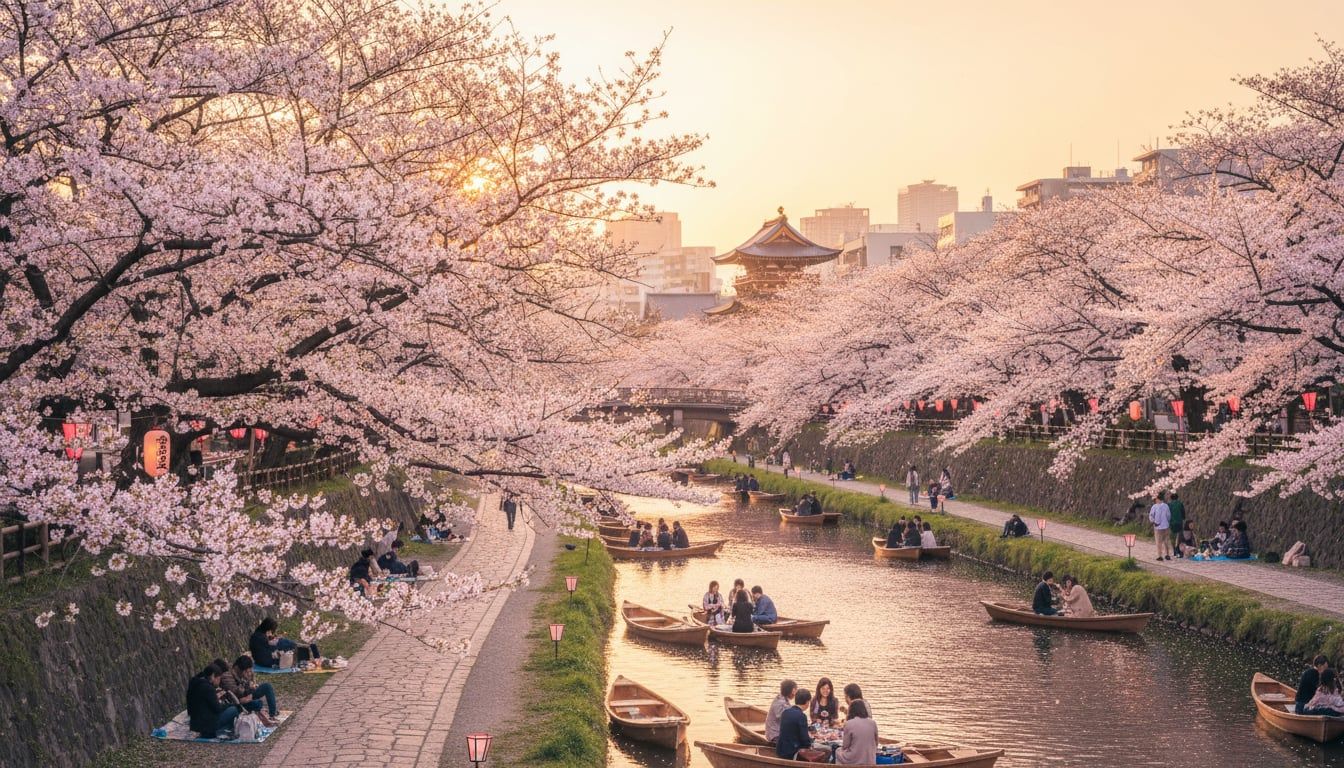
 Image for illustrative purposes only.
Frequently Asked Questions
When is the best time to see cherry blossoms in Osaka? Full bloom (mankai) typically falls between April 1-7, but the exact dates shift each year. Check the Japan Meteorological Corporation's forecast starting in January for the most accurate predictions.
How much does a hanami picnic cost? A basic hanami setup costs around 1,000-2,000 yen per person: blue tarp (100 yen), convenience store bento (500-800 yen), drinks (250-500 yen). Splurging on depachika bento and sake can push it to 3,000-5,000 yen.
What is the best cherry blossom spot in Osaka for avoiding crowds? Tennoji Park's Chausuyama mound and Shitennoji Temple are both significantly less crowded than Osaka Castle Park, especially on weekdays. Visit on a Tuesday or Wednesday afternoon for the most peaceful experience.
Can I have a picnic under the cherry trees? Yes -- hanami picnics are a beloved tradition. Bring a blue tarp, food, and drinks. Just remember to carry out all your trash, keep noise levels reasonable, and never shake or climb the trees.
Wrapping Up
Cherry blossom season in Osaka is about more than pink trees and Instagram photos. It's about that particular Japanese ability to find beauty in impermanence -- the blossoms bloom gloriously, then fall within days. Next year, they'll return. But this exact moment, beneath this particular tree, with these particular people? It will never come again. That's what makes hanami feel so alive.
The Tennoji area brings something extra to this experience. Between the ancient grounds of Shitennoji Temple, the lively community picnics at Tennoji Park, and the quieter neighborhood paths that connect them, you get a version of sakura season that feels genuinely rooted in place -- not staged for tourists. Tennoji's walkable layout and central train connections also make it a smart base for exploring the rest of Osaka's sakura spots, from the castle in the north to the riverside parks along the Okawa.
So grab a blue tarp, pick up some takoyaki, and find your tree. Osaka's cherry blossoms are waiting.
Staying in Tennoji?
If you're planning to explore Tennoji, these neighborhood stays let you experience the area like a local.
Explore the Tennoji Area Guide
Discover more things to do, local food spots, and insider tips for Tennoji.
Spots in This Article
MAZE CAFE SHINSEKAI
5.0Maze Cafe Shinsekai stands out as a destination-worthy breakfast spot in Tennoji that consistently impresses with thoughtfully prepared coffee and elevated cafe cuisine—think perfectly executed avocado toast and latte art that photographs beautifully. The space cultivates a genuinely welcoming atmosphere with staff who are knowledgeable about their craft and attentive without being intrusive, making it equally appealing for solo travelers seeking a calm refuge or families wanting quality time. This is the rare cafe that justifies visiting multiple times during a Osaka trip rather than being a one-off stop.
ラーメン 醤すけ心斎橋店 Ramen SHOSUKE Shinsaibashi
5.0This Shinsaibashi ramen shop delivers authentic, handcrafted bowls that consistently exceed expectations—many visitors report it rivals or surpasses Osaka's more hyped establishments. The standout draw is the silky, meticulously prepared broth paired with fresh noodles, with both shoyu and shio variations earning praise. Staff hospitality is genuinely warm and accommodating to non-Japanese speakers, making it an accessible introduction to serious ramen culture for first-time visitors.
Osaka Halal Ramen Wagyutei
4.9This newly opened halal ramen specialist in Tennoji stands out as one of Osaka's rare dedicated halal ramen destinations, offering authentic broth-based ramen without compromise on quality. The owner and staff actively engage with international visitors and speak English, making it exceptionally accessible for foreign tourists unfamiliar with Japanese dining customs. Generous portions at reasonable prices, combined with an genuinely welcoming atmosphere where staff adapt the dining experience (like adjusting air conditioning), create an experience that feels personal rather than transactional.