Exactly what Japan costs in 2026 — flights, hotels, food, and shopping with real USD comparisons at today's favorable exchange rate.
The yen has been weak against the dollar for several years, and 2026 is still a favorable time to visit Japan. But translating yen prices into actual trip costs takes some work. How much is a Tokyo hotel, really? What does a week of eating ramen and izakaya dinners cost? Does the JR Pass actually save money?
This guide runs the numbers using April 2026 exchange rates (1 USD = approximately 150 JPY) across every major spending category. Read this before building your Japan budget.
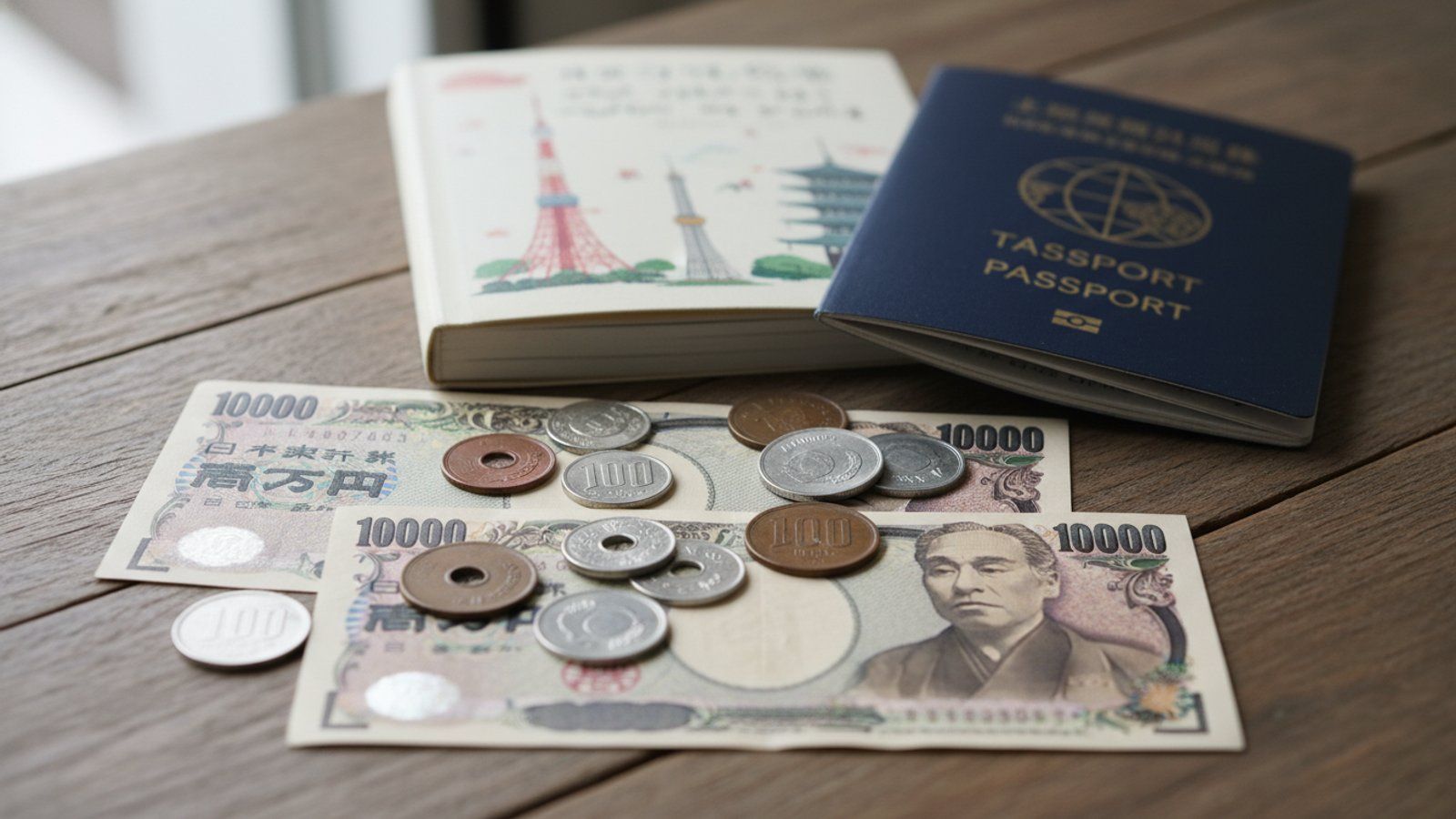
Understanding the Exchange Rate: What 150 Yen to the Dollar Feels Like
At 1 USD = 150 JPY, the math is simple: divide any yen price by 150 to get dollars.
- ¥1,000 = ~$6.70
- ¥5,000 = ~$33
- ¥10,000 = ~$67
- ¥50,000 = ~$333
Quick mental conversion: divide yen price by 150, or roughly divide by 100 and take two-thirds of that number. Most travelers find rounding to ÷150 more accurate than the old ÷100 shorthand.
April 2026 price comparisons, yen vs. USD:
| Item | Yen Price | USD | US Comparison |
|---|---|---|---|
| Ramen (one bowl) | ¥700–¥1,000 | $4.70–$6.70 | Cheaper than US ramen restaurants |
| Convenience store bento | ¥600 | $4 | Similar to US convenience store food |
| McDonald's combo | ¥900 | $6 | Significantly cheaper than US |
| Subway ride | ¥200–¥280 | $1.35–$1.85 | Cheaper than NYC/SF, similar to Chicago |
| Green tea drink | ¥160 | $1.05 | Much cheaper than US |
Food and transportation run noticeably cheaper than US equivalents in most categories. Accommodation has risen with tourism demand but still undercuts comparable US cities.
Flights: International Airports and Pricing
Flight prices vary significantly by departure city, booking timing, and season. These ranges reflect typical 2026 prices for US passengers.
US to Tokyo (Narita or Haneda)
Budget carriers and economy: $600–$900 round trip from West Coast hub cities (Los Angeles, San Francisco, Seattle) outside peak season. East Coast departures typically add $100–$200.
Major carriers (United, Delta, American, Japan Airlines, ANA): $900–$1,500 round trip economy from West Coast, $1,100–$1,800 from East Coast. Includes checked baggage and better schedule options.
Peak season (July–August, Golden Week, December holidays): Prices often run 40–80% higher than off-peak equivalents. Spring cherry blossom season (late March–early April) also commands a premium.
Booking tips:
- Book 2–3 months in advance for best pricing
- Tuesdays and Wednesdays typically show lower fares than weekend departures
- Google Flights date grid view helps find the cheapest week to travel
- Consider positioning flights: flying into Tokyo (Narita/Haneda) and out of Osaka (Kansai) avoids backtracking on multi-city itineraries
Narita vs. Haneda: Which Airport?
Haneda (HND) is significantly closer to central Tokyo — 30–40 minutes by monorail to Hamamatsucho, versus 60–90 minutes from Narita by Narita Express. If your Tokyo hotel is in Shinjuku, Shibuya, or central areas, Haneda saves meaningful time and transit cost (Narita Express ≈ ¥3,000/$20 each way; Haneda monorail ≈ ¥500/$3.30).
Narita (NRT) often has cheaper ticket prices and more budget carrier options. The airport fee difference is minor. If your fare at Narita is $150+ cheaper and you're staying near an east-side Tokyo station, the math can favor Narita.
Accommodation: Hotels vs. Ryokan vs. Guesthouses
Tokyo Accommodation Prices (per room per night, 2 guests)
| Type | Yen Price | USD | Notes |
|---|---|---|---|
| Guesthouse dormitory | ¥3,000–¥5,000 | $20–$33 | Per person, shared bathroom |
| Budget business hotel | ¥8,000–¥15,000 | $53–$100 | Toyoko Inn, Smile Hotel level |
| Mid-range hotel | ¥18,000–¥35,000 | $120–$233 | APA Hotel, Tokyu Hotel chains |
| Upscale hotel | ¥40,000+ | $267+ | Marriott, Hilton, Park Hyatt |
| Capsule hotel | ¥4,000–¥8,000 | $27–$53 | Solo travelers only; private pod |
| Ryokan (Tokyo outskirts) | ¥15,000–¥40,000 | $100–$267 | Includes dinner and breakfast |
Practical recommendation: For two travelers in Tokyo for 3 nights, a mid-range business hotel at ¥18,000–¥25,000/night ($120–$167) puts you in a comfortable, private room near major transit. Per person, that's $60–$83/night — substantially cheaper than comparable US business hotels.
Osaka Accommodation
Osaka runs 10–20% cheaper than Tokyo across most categories.
- Budget business hotel: ¥7,000–¥13,000 ($47–$87)
- Mid-range: ¥15,000–¥28,000 ($100–$187)
Ryokan: The Price of a Real Japanese Experience
A ryokan is not just accommodation — it is an experience: multi-course kaiseki dinner, traditional breakfast, yukata robes, and onsen bathing included as a package. Ryokan near major destinations (Nikko, Hakone, Kyoto Arashiyama) run ¥30,000–¥80,000 per room per night for two people with meals included ($200–$533). That sounds steep, but when you factor in two high-quality restaurant meals, the cost is often comparable to a hotel plus two separate restaurant dinners.
Food Costs: Daily Eating Budget
Food is where the yen exchange rate has the most visible effect on a US traveler's experience.
Price Reference Table
| Meal Type | Yen Price | USD | Notes |
|---|---|---|---|
| Convenience store breakfast (bread + drink) | ¥400–¥600 | $2.70–$4 | Good quality; Seven-Eleven level is surprisingly high |
| Ramen | ¥700–¥1,200 | $4.70–$8 | Regional variation; Tokyo shoyu to Sapporo miso |
| Gyudon (beef rice bowl) | ¥500–¥700 | $3.33–$4.70 | Yoshinoya, Matsuya — very filling |
| Kaiten sushi (per plate) | ¥120–¥180 | $0.80–$1.20 | Conveyor belt; 2–3 plates per person as a light meal |
| Ramen + gyoza set | ¥1,100–¥1,500 | $7.33–$10 | Standard lunch at a sit-down ramen shop |
| Izakaya dinner (per person) | ¥2,500–¥4,000 | $16.70–$26.70 | Food + several drinks |
| Convenience store lunch bento | ¥500–¥700 | $3.33–$4.70 | Genuinely good; microwave available in-store |
| Starbucks latte | ¥600–¥750 | $4–$5 | Slightly cheaper than US Starbucks |
Realistic daily food budgets:
- Economy: ¥6,000–¥10,000/day ($40–$67) — convenience store breakfast + cheap ramen/donburi + one izakaya dinner
- Standard: ¥12,000–¥20,000/day ($80–$133) — ramen, kaiten sushi, decent izakaya dinner, snacks
- Food-focused: ¥25,000+/day ($167+) — sushi omakase, wagyu yakiniku, kaiseki experiences
Practical tip: Japanese convenience stores (7-Eleven, Lawson, FamilyMart) run significantly better food than their US counterparts. Hot foods, prepared bento, onigiri, and fresh sandwiches are all genuinely good. Eating convenience store breakfasts and lunches while reserving budget for one proper dinner per day is a legitimate strategy, not a sacrifice.
Transportation: Does the JR Pass Make Sense?
This is the most debated topic in Japan trip planning. The answer depends entirely on your itinerary.
JR Pass Prices (2026)
| Pass | Yen Price | USD |
|---|---|---|
| 7-day Ordinary | ¥50,000 | $333 |
| 7-day Green Class | ¥70,000 | $467 |
| 14-day Ordinary | ¥80,000 | $533 |
| 21-day Ordinary | ¥100,000 | $667 |
JR Pass makes sense when:
- Your itinerary includes Tokyo → Kyoto → Osaka Shinkansen (round trip Shinkansen Tokyo–Osaka alone costs ~¥30,000/$200)
- You're visiting Hiroshima, Kyoto, and Tokyo across 2 weeks
- You plan to ride multiple regional JR lines between cities
JR Pass loses value when:
- You're staying in Tokyo only — city subway is more efficient for intra-city travel
- Your trip is 3–4 days — hard to recover the pass cost
- You plan to use highway buses (cheaper for some intercity routes)
Practical guidance: Tokyo-only visit → buy individual tickets or a Tokyo Metro day pass (¥600/$4 for 24 hours, ¥1,200/$8 for 48 hours). Tokyo + Kyoto + Osaka round trip → calculate whether your specific shinkansen routes exceed the 7-day pass cost before purchasing.
Shopping: Drugstores and Don Quijote
Drugstores (Matsumoto Kiyoshi, Sundrug, Kokumin)
Japanese drugstores carry skincare, cosmetics, and over-the-counter medications at prices that are genuinely lower than US equivalents for specific items.
| Item | Japan Price | USD | US Comparison |
|---|---|---|---|
| Hada Labo Gokujyun Lotion 400ml | ¥1,200 | $8 | US retail $15–$20 |
| Mentholatum lip cream | ¥600 | $4 | US: $8–$10 |
| Ebisu toothbrush set | ¥500 | $3.33 | US: $6–$9 |
| Sapporo beer 350ml | ¥250 | $1.67 | US import: $2.50–$3.50 |
| Kabejin (stomach medicine) | ¥1,800 | $12 | Not widely sold in US |
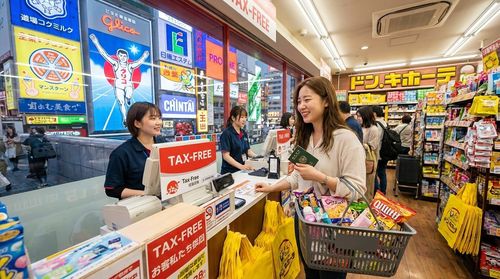
Tax-free shopping: Non-residents qualify for consumption tax refund (10%) on purchases over ¥5,500 at the same store on the same day. Bring your passport. Drugstores often have separate counters for cosmetics/food versus pharmaceuticals — ask where to process each.
Don Quijote
The discount chain running late nights (some 24 hours) carries electronics, food, clothing, cosmetics, and souvenirs. Don Quijote is notably chaotic and fun; prices are competitive but not always the lowest (drugstores often beat it on skincare). Its advantages are selection, late hours, and tax-free processing at a single counter.
Payment Methods: Cash vs. Card in 2026
Japan is more cashless than it was five years ago, but not entirely.
Where cards work reliably: Major hotels, department stores, convenience stores (7-Eleven, Lawson, FamilyMart), chain restaurants, tourist attractions.
Where cash is still expected: Small ramen shops, local izakaya, temple entry fees, street food stalls, some traditional markets.
Best approach for US travelers:
- Notify your US bank before travel to avoid card freezes on international transactions
- Use a no-foreign-transaction-fee card (Charles Schwab debit, Capital One Venture, Chase Sapphire) for card purchases
- Withdraw yen from 7-Eleven ATMs in Japan — they reliably accept international cards, use mid-market exchange rates, and charge minimal fees
- Carry ¥20,000–¥50,000 ($133–$333) in cash at all times for cash-only establishments
IC card (Suica/Pasmo): Load a Suica or Pasmo card at any train station. Use it to pay for subway and train rides across the country, plus convenience store purchases. Eliminates fumbling with coins on every transit ride.
Real Budget Scenarios
Scenario A: Tokyo 7 Days — Budget Traveler (per person)
| Item | Cost |
|---|---|
| Round-trip flights (budget carrier, off-peak) | $700 |
| Accommodation (7 nights, guesthouse/budget hotel) | $280 |
| Food (convenience store + ramen/donburi focus) | $350 |
| Transportation (subway pass + local trips) | $55 |
| Shopping + entrance fees | $115 |
| Total | ~$1,500 |
Scenario B: Tokyo + Osaka 7 Days — Mid-Range (per person)
| Item | Cost |
|---|---|
| Round-trip flights (major carrier) | $1,000 |
| Accommodation (7 nights, business hotel) | $560 |
| Food (varied: ramen, sushi, one or two izakaya nights) | $560 |
| Transportation (7-day JR Pass) | $333 |
| Shopping + entrance fees + experiences | $300 |
| Total | ~$2,753 |
Scenario C: Osaka 5 Days — Food and Culture Focus (per person)
| Item | Cost |
|---|---|
| Round-trip flights to Osaka (Kansai) | $750 |
| Accommodation (4 nights near Dotonbori) | $360 |
| Food (takoyaki, okonomiyaki, yakiniku) | $380 |
| Transportation (Osaka 1-day pass × 5) | $27 |
| Shopping (drugstore + Don Quijote) | $200 |
| Total | ~$1,717 |
Hidden Costs to Budget For
Travel insurance: Medical costs in Japan are high for visitors without coverage. One emergency room visit can cost $500–$2,000 without insurance. A week of travel insurance typically runs $30–$80 depending on coverage level. Check whether your credit card includes travel medical coverage — some premium cards do.
SIM card or pocket WiFi: A Japan SIM card for 7 days runs approximately ¥2,000–¥5,000 ($13–$33) purchased at the airport or online before departure. Pocket WiFi rental is available at major airports for similar pricing. US carriers with Japan day passes exist but tend to be more expensive.
LCC baggage fees: Budget carriers charge for checked baggage — typically ¥3,000–¥6,000 per bag per direction. A round-trip bag can add $40–$80 to your base fare. Factor this in when comparing "cheap" and "full-service" ticket prices.
Tipping: Japan has no tipping culture. Do not tip at restaurants, hotels, or taxis. Attempting to tip can cause awkwardness. Good service is the standard expectation.
Final Assessment: Is 2026 a Good Time to Visit?
The favorable exchange rate won't last forever — currency conditions change unpredictably. At 150 yen to the dollar, a 7-day Tokyo budget trip costs around $1,500 per person including flights — that is significantly more affordable than comparable European city trips. A mid-range Tokyo + Osaka itinerary with comfortable hotels and good food runs $2,500–$3,000 per person.
Japan's appeal extends well beyond the exchange rate, but the current pricing environment makes it one of the more accessible international destinations for US travelers. Book flights 2–3 months out, use a no-fee international card, and withdraw cash at 7-Eleven ATMs.
Frequently Asked Questions
What is the yen to dollar exchange rate in 2026?
As of April 2026, approximately 1 USD = 150 JPY. Exchange rates fluctuate daily; check Google Finance or your bank's rate before converting money.
Where should I exchange money for Japan?
Avoid airport currency exchange desks — their rates are poor. The best options: use a no-foreign-transaction-fee debit card at 7-Eleven ATMs in Japan (reliable, competitive rates), or load a travel card like Wise before departure. Keep enough USD to exchange a small amount on arrival if needed.
How much does it cost to travel Tokyo by subway for a week?
A Tokyo Metro 24-hour pass costs ¥600 ($4), 48-hour ¥1,200 ($8), 72-hour ¥1,500 ($10). For a 7-day Tokyo trip, total subway costs of ¥4,000–¥8,000 ($27–$53) covers most itineraries without any special pass.
How much is a Tokyo hotel per night in USD?
A business hotel (Toyoko Inn, APA Hotel level) for two runs ¥13,000–¥20,000/night ($87–$133). Location affects pricing — Shinjuku and Shibuya run higher than Ueno or Asakusa.
How does tax-free shopping work in Japan?
Non-residents can claim a 10% consumption tax refund at participating stores when spending ¥5,500 or more at the same retailer on the same day. Bring your passport. You'll be given a receipt stapled inside your passport showing the refund; customs checks this on departure.
Is Osaka or Tokyo cheaper?
Osaka generally runs 10–20% cheaper for accommodation and food. Street food is abundant and good in Osaka — takoyaki, okonomiyaki, and kushikatsu are filling and inexpensive. Shopping price differences are minor.