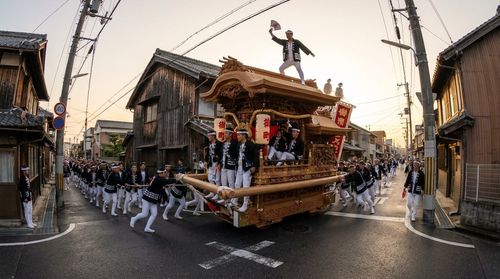
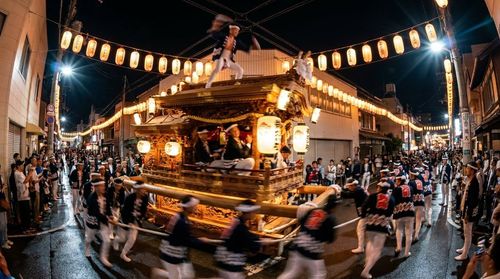
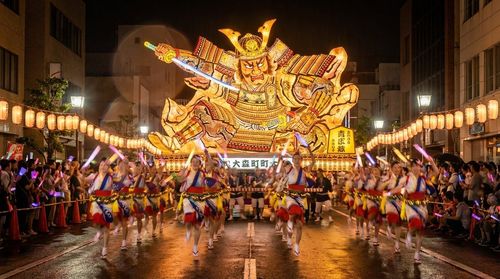
200 mikoshi through the streets of Akihabara — Kanda Matsuri is where Tokyo's ancient shrine traditions collide with modern pop culture.
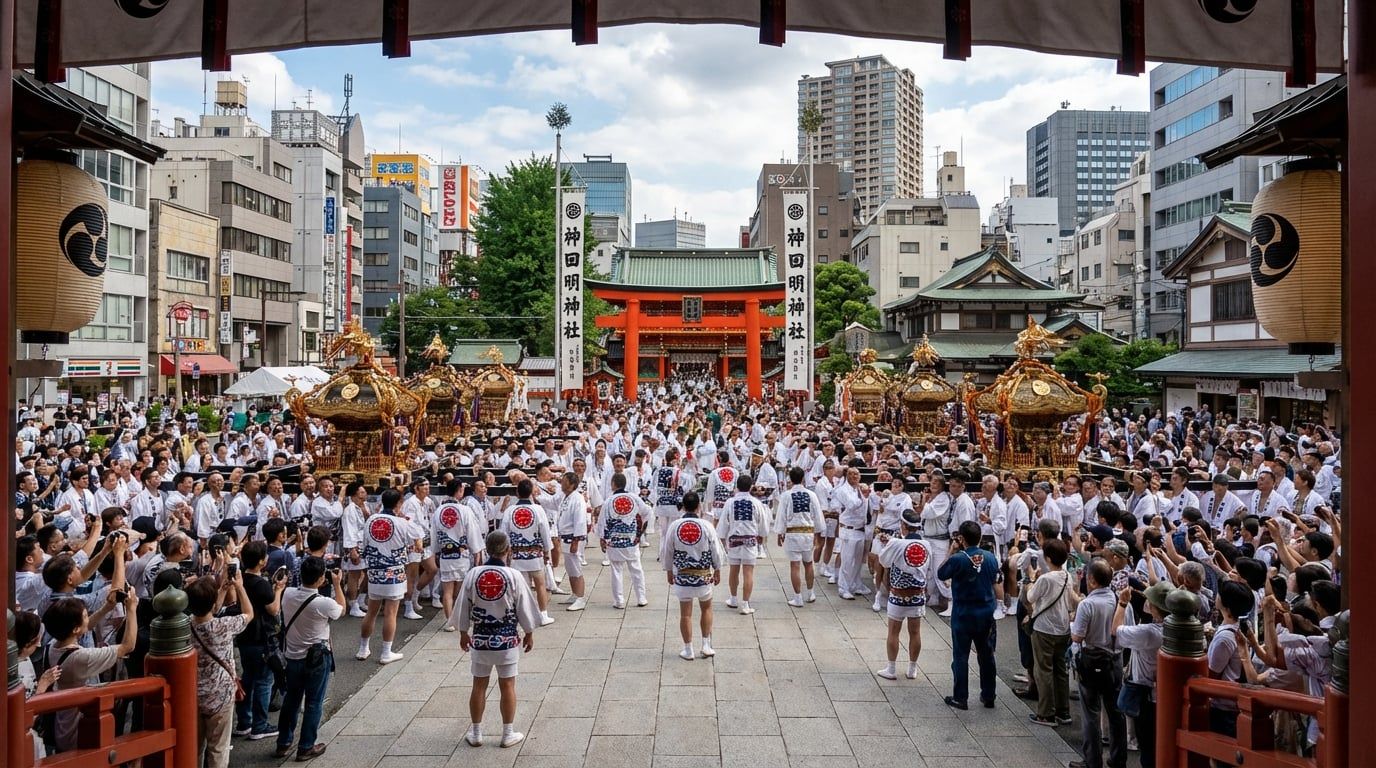 Image for illustrative purposes only.
Picture this: a golden portable shrine carried by dozens of chanting worshippers turns a corner and suddenly you see it framed against the glowing storefronts of Akihabara's electronics district. Ancient drumbeats compete with arcade soundtracks. Festival happi coats brush past anime billboards. This is Kanda Matsuri, one of Tokyo's three greatest festivals, where nearly 1,300 years of tradition crashes headlong into the capital's most futuristic neighborhood.
A Festival Born in the Nara Period
Kanda Matsuri traces its origins all the way back to 730 AD at Kanda Myojin Shrine, making it one of the oldest continuously celebrated festivals in Tokyo. The shrine itself has moved locations over the centuries, but the spirit of the festival has never wavered.
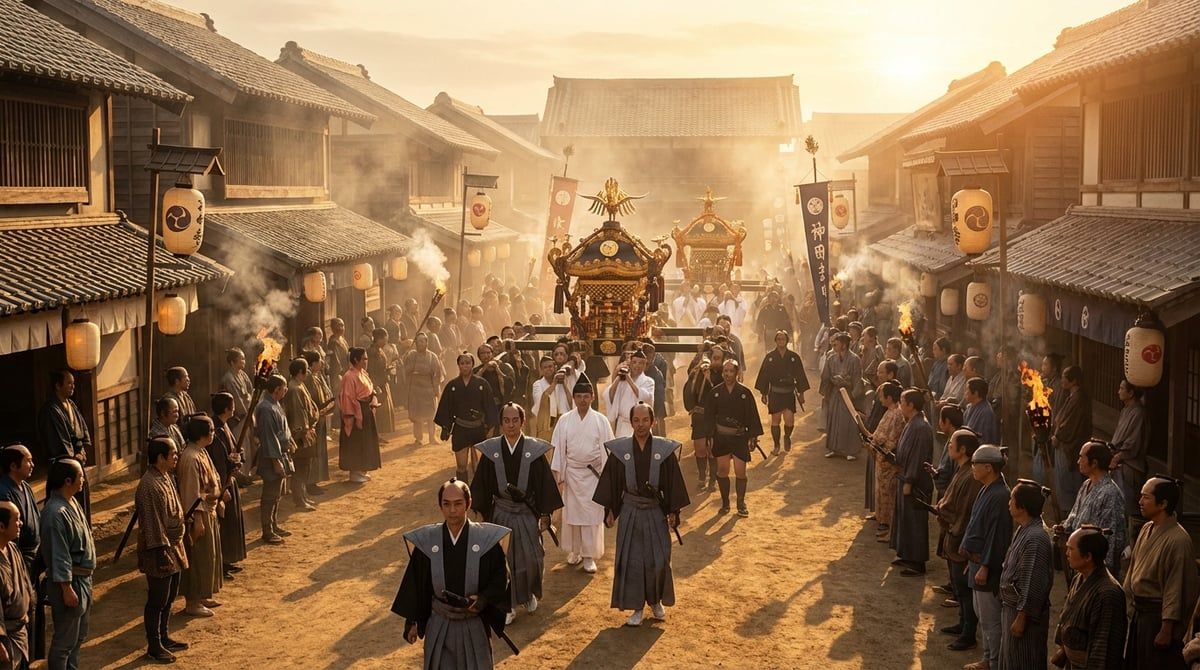 Image for illustrative purposes only.
The celebration gained enormous prestige during the Edo period when Tokugawa Ieyasu prayed at Kanda Myojin before his decisive victory at the Battle of Sekigahara in 1600. After that, the shrine became a guardian of Edo (old Tokyo), and Kanda Matsuri was elevated to a government-sponsored event. Festival processions were even permitted to pass through the grounds of Edo Castle — a privilege shared only with Sanno Matsuri, held at Hie Shrine.
To prevent the two rival festivals from competing for attention (and causing too much chaos in the streets), the Tokugawa shogunate decreed that they would alternate years. That tradition continues today: Kanda Matsuri holds its grand festival in odd-numbered years, while Sanno Matsuri takes the spotlight in even years.
The Grand Festival: Odd Years Only
If you are planning around Kanda Matsuri, timing matters. The full-scale grand festival — called the honmatsuri — only happens in odd years (2025, 2027, 2029, and so on). It takes place over several days in mid-May, typically around the weekend closest to May 15.
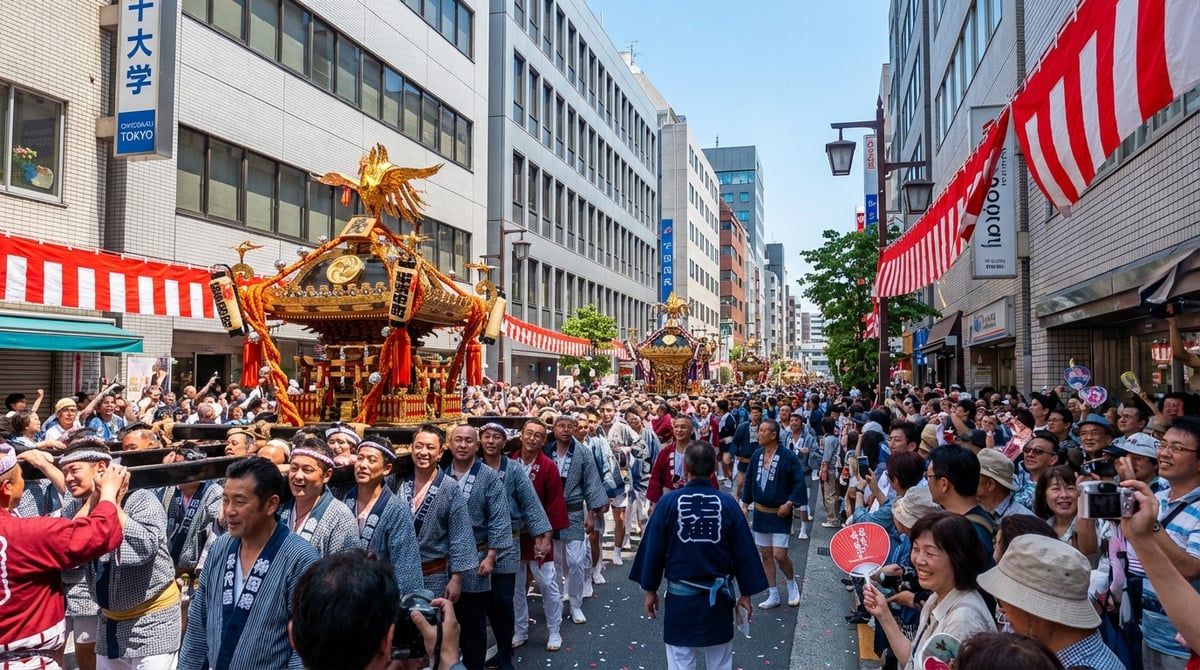 Image for illustrative purposes only.
The centerpiece is the Shinkosai, a massive procession that winds through the streets of Chiyoda-ku. Over 200 mikoshi (portable shrines) are carried by thousands of participants through neighborhoods including Kanda, Nihonbashi, Otemachi, and the highlight — Akihabara. The contrast of traditional festival energy against Akihabara's neon-lit tech paradise is something you truly have to see in person.
During grand festival years, expect the following highlights:
- Shinkosai Procession — The main parade featuring elaborately decorated floats, samurai-era costumes, and musicians playing traditional instruments
- Mikoshi Miyairi — The dramatic return of mikoshi to Kanda Myojin Shrine, with teams competing to carry their shrine with the most energy and style
- Shrine Ceremonies — Sacred Shinto rituals performed by priests at Kanda Myojin throughout the festival period
The atmosphere is electric. Neighborhoods set up their own mikoshi teams months in advance, and local pride runs deep. Street food stalls line the route, and the sound of taiko drums echoes off office buildings.
What About Even Years? Visiting in 2026
If you are visiting Tokyo in 2026, you will not see the grand procession — but Kanda Myojin still holds smaller ceremonies and events during the mid-May festival period. These are quieter, more intimate affairs that let you experience shrine rituals without the massive crowds.
Even better, 2026 is an even year, which means Sanno Matsuri takes center stage instead. Held in mid-June at Hie Shrine near Akasaka, Sanno Matsuri is equally spectacular and features its own grand procession through central Tokyo. If you want a major Tokyo festival experience in 2026, Sanno Matsuri is the one to plan around.
Kanda Myojin Shrine: Worth a Visit Year-Round
Even outside festival season, Kanda Myojin Shrine is one of Tokyo's most interesting shrines to visit. Located just a short walk from both Ochanomizu and Akihabara stations, it occupies a fascinating middle ground between old and new Tokyo.
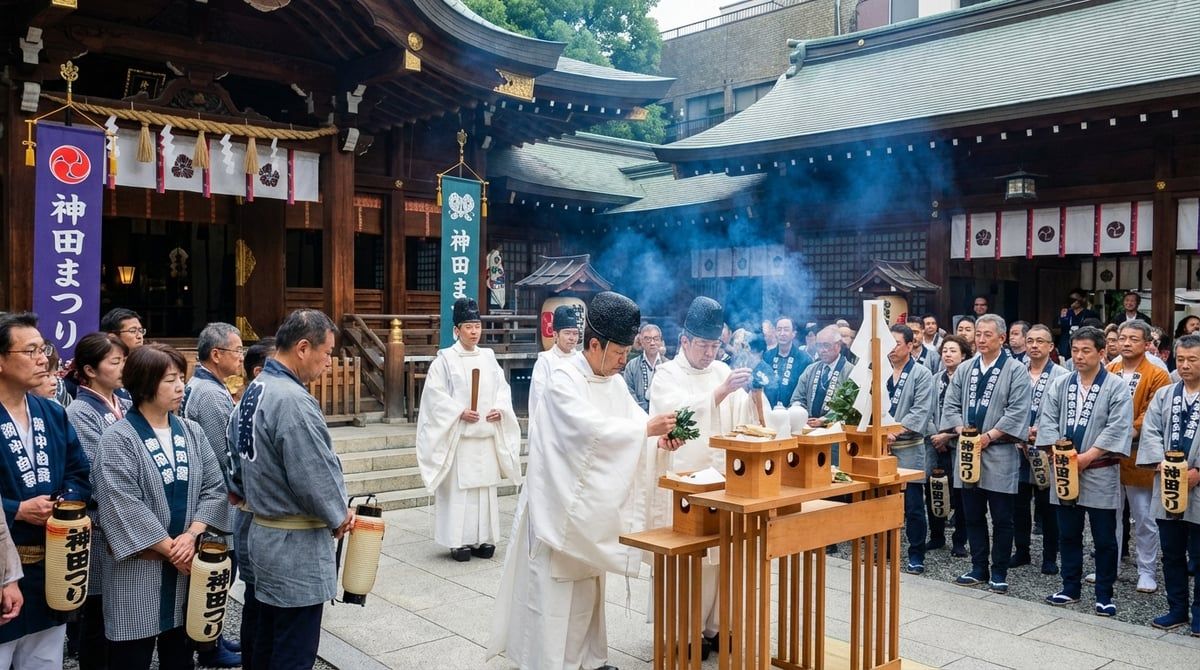 Image for illustrative purposes only.
The shrine is famously popular with IT professionals and anime fans. You will find charms (omamori) specifically designed for computer and business success — fitting for a shrine that watches over the Akihabara district. During New Year visits, you will spot tech workers and cosplayers lining up alongside more traditional worshippers.
The shrine grounds are compact but beautifully maintained, with a striking vermillion gate and an impressive main hall rebuilt in reinforced concrete after the 1923 Great Kanto Earthquake. There is also a small museum and a shop selling unique souvenirs that blend shrine tradition with pop culture sensibility.
Practical Information
When: Mid-May (grand festival in odd years; smaller events in even years)
Where: Kanda Myojin Shrine and surrounding neighborhoods, Chiyoda-ku, Tokyo. The procession route passes through Akihabara.
Getting There:
- JR Chuo/Sobu Line to Ochanomizu Station (5-minute walk)
- JR Yamanote Line or Tokyo Metro Hibiya Line to Akihabara Station (7-minute walk)
- Tokyo Metro Marunouchi Line to Ochanomizu Station (5-minute walk)
Cost: Free to watch. The shrine grounds are free to enter.
Crowds: Extremely high during grand festival years. Arrive early for the best viewing spots along the procession route, especially near Akihabara. Even-year events are much calmer.
Tips for Visitors:
- Wear comfortable shoes — you will be standing and walking on pavement for hours
- Bring cash for street food stalls (many do not accept cards)
- The Akihabara section of the procession route offers the most photogenic contrast of old and new
- Check the official Kanda Myojin website for exact dates, as the schedule shifts slightly each year
Kanda Matsuri is a powerful reminder that Tokyo's traditions are not museum pieces — they are living, breathing celebrations that adapt and thrive alongside the modern city. Whether you catch the grand procession in an odd year or explore the quieter side during an even year, this is one of the most authentic ways to experience Japan's festival culture.
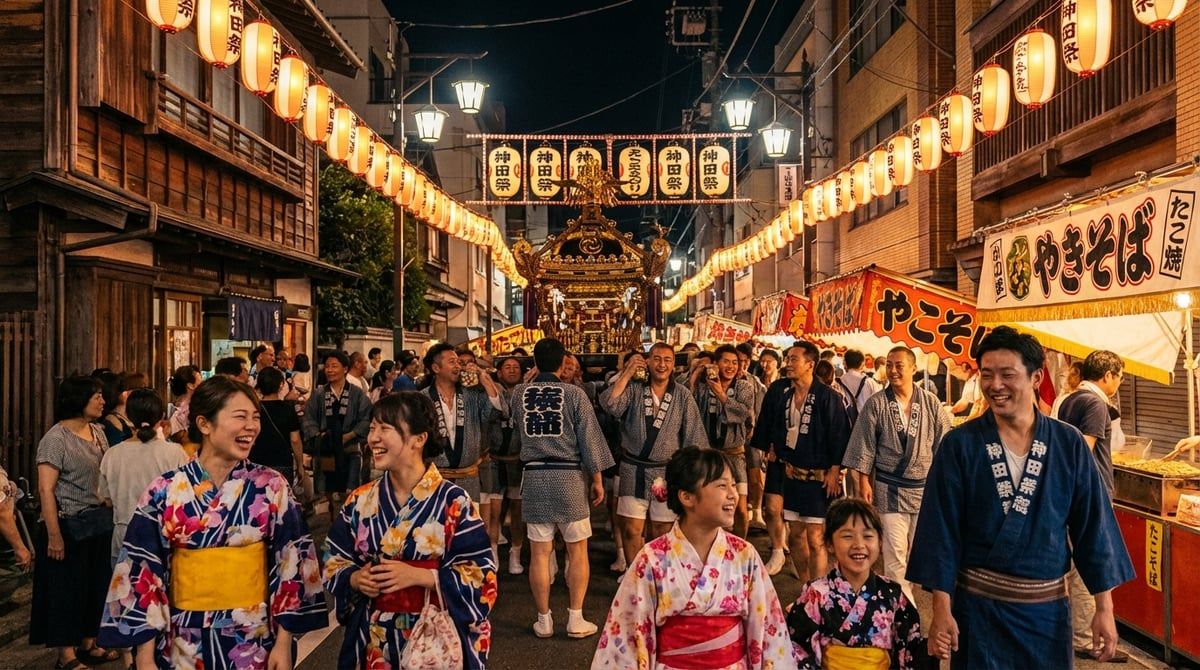 Image for illustrative purposes only.
For more on seasonal celebrations, check out our spring festivals guide, the full Japan festival calendar, and our roundup of Japan's top festivals in 2026.
What Real Travelers Say
Kanda Matsuri is one of Tokyo's most prestigious festivals with nearly 1,300 years of history, recognized as one of Japan's big three festivals. Visitors appreciate its cultural significance and impressive scale, though the limited review count suggests it may be less reviewed on TripAdvisor compared to other attractions.
Visitor Tips:
- Arrive early to secure good viewing spots for the main procession
- Visit during the official festival dates (held in May, alternating between even and odd years)
- Wear comfortable walking shoes as you'll be standing and moving through crowds
- Bring cash as some smaller food stalls may not accept cards
Best Moments According to Visitors:
- The grand procession featuring elaborate floats and traditional costumes
- Witnessing the portable shrines (mikoshi) being carried through the streets
Crowd Level: As one of Tokyo's major festivals, Kanda Matsuri attracts significant crowds, especially during peak viewing times.
Frequently Asked Questions
When is Kanda Matsuri held?
The grand festival (honmatsuri) of Kanda Matsuri takes place in mid-May during odd-numbered years, typically around the weekend closest to May 15. In even years, Kanda Myojin Shrine holds smaller ceremonies and events.
What happens during the Kanda Matsuri grand festival?
The grand festival features the Shinkosai procession, where over 200 mikoshi are carried by thousands of participants through neighborhoods including Akihabara. Other highlights include the Mikoshi Miyairi, the dramatic return of mikoshi to Kanda Myojin Shrine, and various sacred Shinto rituals.
What if I visit Tokyo during an even year, like 2026?
If you visit in an even year, Kanda Myojin Shrine will hold smaller, more intimate ceremonies, but not the full grand procession. Instead, the equally spectacular Sanno Matsuri, held at Hie Shrine in mid-June, takes center stage as Tokyo's major festival for that year.
Where does Kanda Matsuri take place and how do I get there?
Kanda Matsuri is centered around Kanda Myojin Shrine and its surrounding neighborhoods in Chiyoda-ku, Tokyo, with the main procession route passing through Akihabara. You can reach Kanda Myojin Shrine by walking from Ochanomizu Station (JR Chuo/Sobu Line or Tokyo Metro Mar
Explore More Festival Guides
Continue your Japan festival journey with these related guides: