From maid cafes in Akihabara to owl bars in Harajuku — your complete guide to Japan's wildly creative themed cafe scene.
Japan has turned the humble cafe into an art form. Forget plain coffee and a corner seat — here, you might be greeted by a maid in a frilly apron, share a table with a sleepy owl, or sip a latte while surrounded by neon monster murals. Themed cafes are one of the most distinctly Japanese experiences you can have, and whether you're a pop culture fan or simply curious, there's something here that will surprise you.
This guide walks you through the main types, what to expect inside each one, how much to budget, and where to find them.
Maid Cafes: The Original Themed Experience
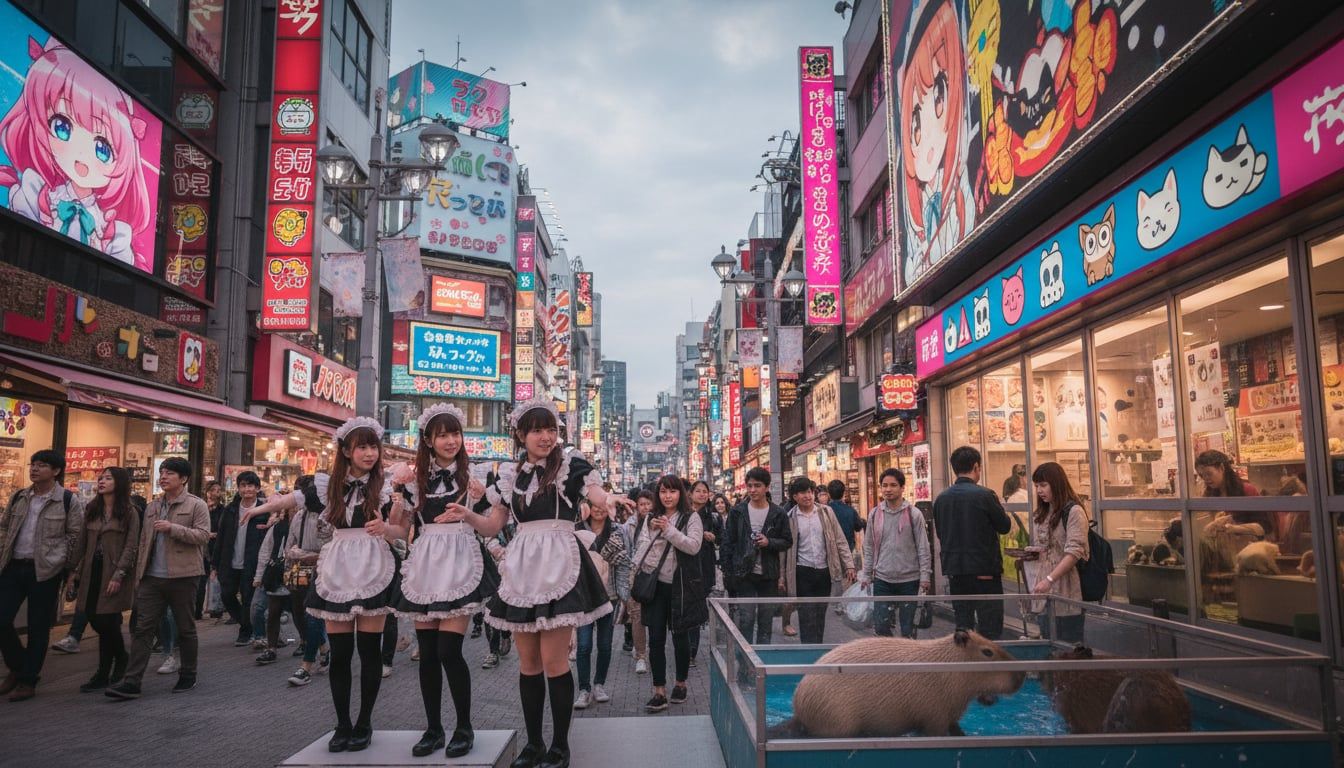
Maid cafes are the cafe type most visitors have heard of — and they deliver exactly the kind of warm, theatrical welcome you'd hope for. Staff dress in classic maid or butler costumes and interact with guests in character, treating everyone as "master" or "mistress" of the house.
What actually happens inside
You'll be greeted at the door with enthusiasm and escorted to your seat. From there, the experience varies by venue, but expect plenty of cheerful conversation, call-and-response rituals before you drink or eat ("moe moe kyun!" being a classic), and often the option to have a photo taken with your server or watch a live performance — idol-style singing and dancing at some venues.
The food and drinks are almost always decorated. Your coffee might arrive with latte art of a cat face, your omelette rice decorated with ketchup drawings. It's charming in a way that's hard to describe until you're sitting there grinning despite yourself.
Etiquette to know
- Photography of staff usually requires purchasing a photo ticket — don't just snap away without asking
- Many venues operate a "no touching staff" rule; treat it like theatre, not a meet-and-greet
- Tipping is not standard in Japan, but buying a photo session or extra item is the normal way to show appreciation
- Most cafes have a time limit per visit (typically 60–90 minutes)
Typical costs
Expect a cover charge of ¥500–¥700 per person, plus drinks starting at around ¥600–¥800 each. A full visit including a decorated food item and one photo ticket will usually run ¥2,000–¥3,500 per person. Some venues have a minimum order requirement.
Best area: Akihabara, Tokyo. You'll find cafes on multiple floors along the main street and in nearby side alleys.
Animal Cafes: Coffee With Creature Company
Japan's animal cafe scene grew out of the reality that most city apartments ban pets. The solution? Rent time with one. What started with cat cafes has expanded into a full ecosystem of animal encounters.
Cat Cafes
The most established type, cat cafes are calm, clean spaces where resident cats roam freely and guests order drinks while (hopefully) attracting feline attention. Cats are typically well-socialised and the cafes maintain hygiene standards carefully. Expect rules around not waking sleeping cats, not picking them up forcibly, and hand-washing on entry.
Cost: Usually ¥200–¥400 per 10 minutes, or a flat rate of ¥1,000–¥1,500 per hour, often including one free drink.
Owl Cafes
Owls perched on wooden posts, some trained to sit on your arm for a photo — owl cafes have a dramatic, slightly surreal atmosphere. The birds are typically nocturnal species housed in low-light environments.
Animal welfare note: Quality varies significantly between venues. Look for cafes that limit visitor numbers, have visible vet certifications posted, give owls regular rest periods, and keep enclosures clean. Avoid anywhere the birds look distressed or are on display continuously in bright light.
Cost: Around ¥1,500–¥2,000 for a set time including drinks.
Hedgehog and Bunny Cafes
Hedgehog cafes (particularly common in Tokyo) let you hold the small, spiky animals under guidance from staff. They're surprisingly charming to interact with, though they take a moment to uncurl and warm up to you. Bunny cafes follow a similar model — calm spaces with free-roaming rabbits and a gentle atmosphere.
Cost: Similar to cat cafe pricing, roughly ¥1,000–¥1,500 per hour.
A note on animal welfare
Japan's animal cafe standards are uneven. The best venues genuinely prioritise animal wellbeing — regular vet checks, enrichment activities, limited daily hours, and rest areas off limits to visitors. A few places cut corners. As a visitor, trust your instincts: if animals look stressed, lethargic, or the space feels overcrowded and poorly maintained, it's fine to leave. Voting with your feet matters.
Best areas for animal cafes: Harajuku and Shinjuku (Tokyo), Osaka's Amerikamura district.
Robot Restaurant: Spectacle Over Substance
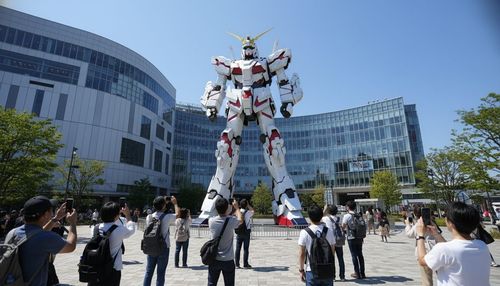
Technically more show than cafe, the Robot Restaurant experience in Shinjuku became globally famous for its sheer sensory overload — giant robots, dancers, LED everything, and a soundtrack turned up to maximum. It's not a quiet dinner. It's a floor show.
If you're after the most uniquely Tokyo experience that makes zero sense and perfect sense at the same time, this fits. Food is secondary; you're here for the performance.
Cost: Tickets around ¥8,000–¥9,000, often purchased in advance online.
Reservation: Book ahead, especially on weekends. Shows sell out regularly.
Themed Food and Monster Cafes
Beyond animal encounters, Japan's cafe creativity extends into visual storytelling through food design.
Monster and horror cafes lean into dramatic decor — dark interiors, gothic presentation, drinks served in skull glasses or syringes. Tokyo's Shibuya and Harajuku neighbourhoods have a cluster of these, appealing to visitors who enjoy the theatrical side of Japanese subculture.
Retro game and pixel art cafes offer drinks and desserts styled after classic game aesthetics. These come and go as pop-up collaborations fairly often, so it's worth checking event listings for whatever's running during your visit.
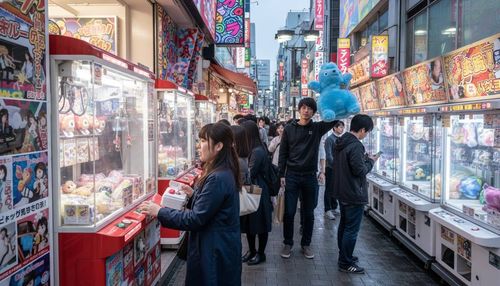
Character collaboration cafes are a major feature of the Tokyo scene. Anime series, manga franchises, and video games regularly partner with cafes for limited-time menus where food is styled to match the source material. These typically require advance reservations and sell out quickly.
Art Cafes
A quieter entry in the themed cafe world, art cafes combine gallery-style decor with coffee service. Some are connected to working artists' studios. Others display rotating exhibitions from local illustrators and designers.
The experience is slower-paced than the more theatrical venues — you'll spend time actually looking at work on the walls, not just photographing your drink. A good option if the louder themed experiences feel overwhelming.
Best areas: Shimokitazawa and Nakameguro in Tokyo; Namba and Nakazakicho in Osaka.
Where to Find Them: Key Areas
Akihabara (Tokyo)
The spiritual home of maid cafes, Akihabara remains the densest concentration of themed venues in Japan. The main street (Chuo-dori) and surrounding blocks are lined with cafes from ground floor to the sixth or seventh storey of certain buildings. Maid cafes are the primary draw, but butler cafes and fandom-themed venues also cluster here.
Harajuku (Tokyo)
More fashion-forward and visually chaotic, Harajuku's Takeshita Street area hosts animal cafes, pastel-toned dessert cafes, and crepe shops that could qualify as themed experiences on their own. The atmosphere is younger and more colourful than Akihabara.
Osaka (Amerikamura and Nipponbashi)
Osaka has its own otaku district (Nipponbashi, nicknamed Den Den Town) with maid cafes and themed venues similar to Akihabara. Amerikamura, the youth culture hub near Shinsaibashi, has animal cafes and art cafes tucked into its maze of side streets.
Practical Tips
- Reservations: For popular animal cafes and collaboration cafes, book online in advance. Maid cafes in Akihabara are often walk-in but may have queues on weekends.
- Photography rules: Always check the rules at the entrance. Staff photos usually require purchasing a dedicated photo ticket. Most animal cafes allow photos of the animals freely.
- Time limits: Most venues operate on timed sessions. Budget your time accordingly, especially if you want to visit multiple places in one day.
- Language: Many themed cafes in tourist areas have English menus or English-speaking staff. Maid cafes often perform their rituals in Japanese, but the gestures are universal enough to follow along.
- Peak hours: Weekends and afternoons get busy. Arriving right when a venue opens is the best strategy for a relaxed experience.
FAQ
Do I have to participate in the maid cafe rituals? No. Most staff will guide you through the call-and-response or chants, and it's genuinely fun to join in — but if you'd rather watch, that's fine too. Nobody will pressure you.
Are animal cafes safe for people with allergies? If you have pet allergies, animal cafes are not ideal. Even cat cafes with good ventilation will have dander present throughout the space. Hedgehog and rabbit cafes may be slightly less problematic for some people, but it varies.
How long should I plan for a themed cafe visit? A maid cafe visit typically runs 60–90 minutes including performance time. Animal cafes work well at around an hour. Themed food cafes without time limits can be as short or long as you like — 30–45 minutes is typical for a drink and a look around.
Are themed cafes suitable for children? Most are, yes. Cat cafes, bunny cafes, and general themed cafes are family-friendly. Robot Restaurant is loud and intense — fine for older children, overwhelming for young ones. Check the age policy of any venue before booking.
Frequently Asked Questions
How much do themed cafes in Japan typically cost?
The cost varies by type, but expect to pay around ¥2,000–¥3,500 for a full visit to a maid cafe, ¥1,000–¥1,