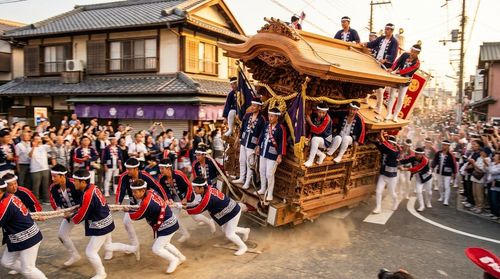
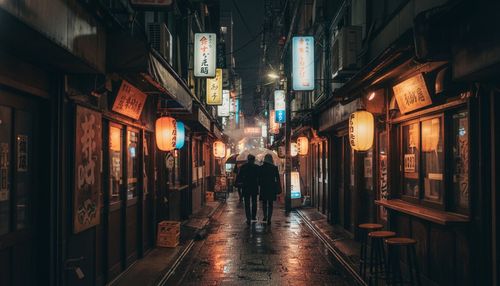
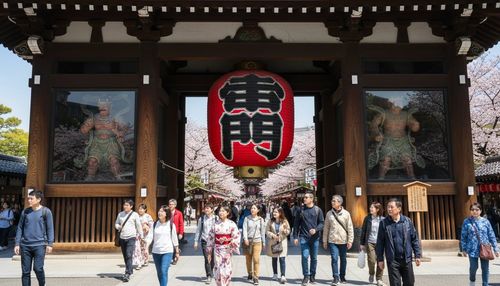
Aomori's Nebuta leads a spectacular lineup of Tohoku summer festivals — giant lanterns, paper floats, and raw northern energy.
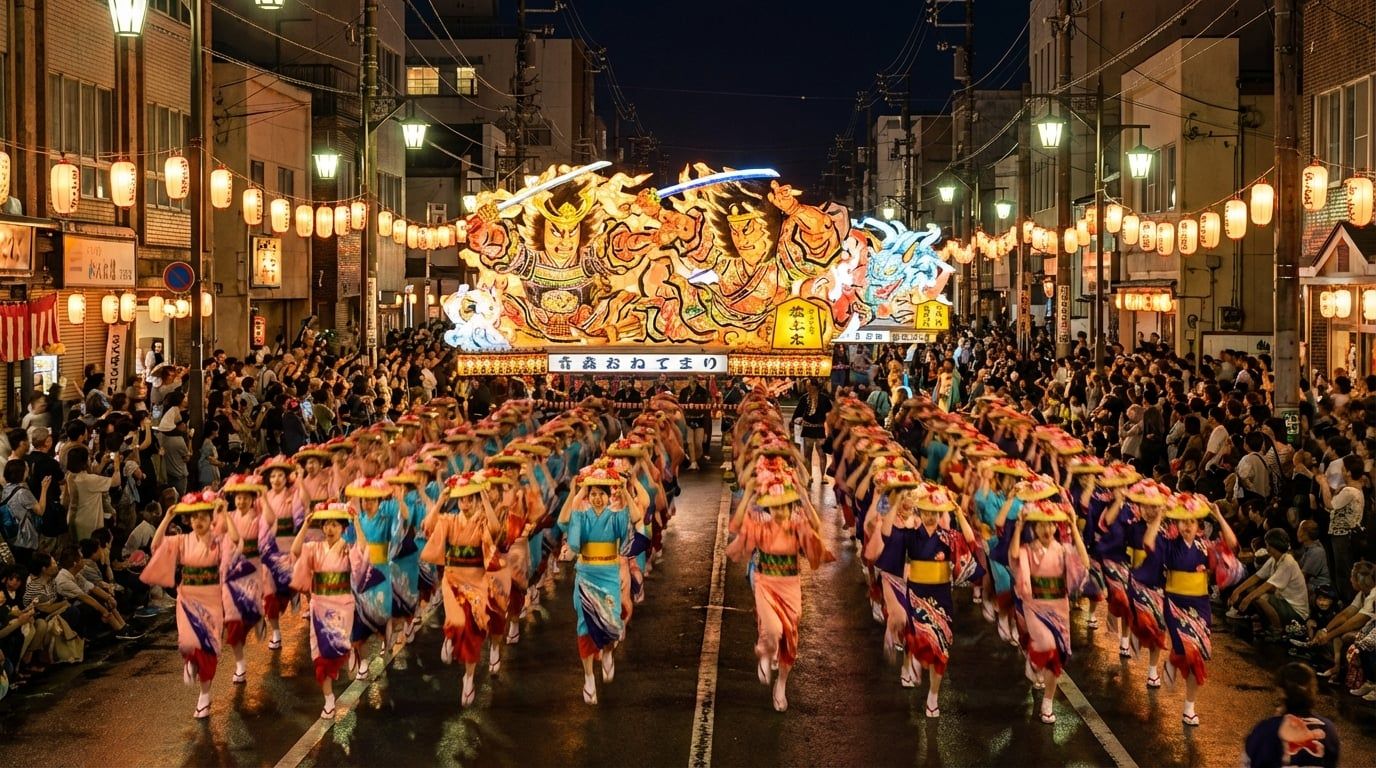 Image for illustrative purposes only.
Every August, northern Japan erupts. The short Tohoku summer concentrates an astonishing density of festivals into a single week, and Aomori Prefecture sits at the very heart of it. Giant illuminated floats roll through darkened streets, drums shake the ground, and entire cities move as one. If you have ever wondered where Japan keeps its wildest, most visceral festival energy, the answer is up north.
Aomori Nebuta Matsuri (August 2-7)
The flagship. Aomori Nebuta Matsuri draws over two million visitors each year and ranks among the most visually overwhelming festivals anywhere in Japan. Enormous wire-and-paper floats — some over five meters tall and nine meters wide — depict warriors, gods, and mythological creatures, all lit from within by hundreds of lightbulbs. The effect after dark is extraordinary: these glowing giants seem to breathe as they tilt, spin, and surge through the streets on wheeled platforms.
What sets Nebuta apart from polite, orderly processions is the crowd. Dancers called haneto wear a distinctive costume of flower hats and colorful sashes, and anyone — truly anyone — who puts on the outfit can join the parade. Thousands of haneto leap and shout "rassera, rassera!" around the floats, creating a wall of sound and movement that pulls spectators right into the action. Rental costume shops near the route make participation effortless even for first-time visitors.
The festival climaxes on August 7 with a daytime parade followed by a fireworks display over Aomori Bay, where the winning floats are loaded onto boats and set adrift, glowing on the water.
For a deeper look at this single festival, see our complete Nebuta festival guide.
Hirosaki Neputa Matsuri (August 1-7)
Just 40 minutes south by train, Hirosaki holds its own festival — and locals will firmly correct you if you mix them up. Hirosaki's version is Neputa, not Nebuta. The difference is more than a vowel. Where Aomori's floats are three-dimensional sculptural giants, Hirosaki's signature floats are enormous fan-shaped screens painted with dramatic warrior scenes on the front and haunting, beautiful bijin-ga (portraits of women) on the back.
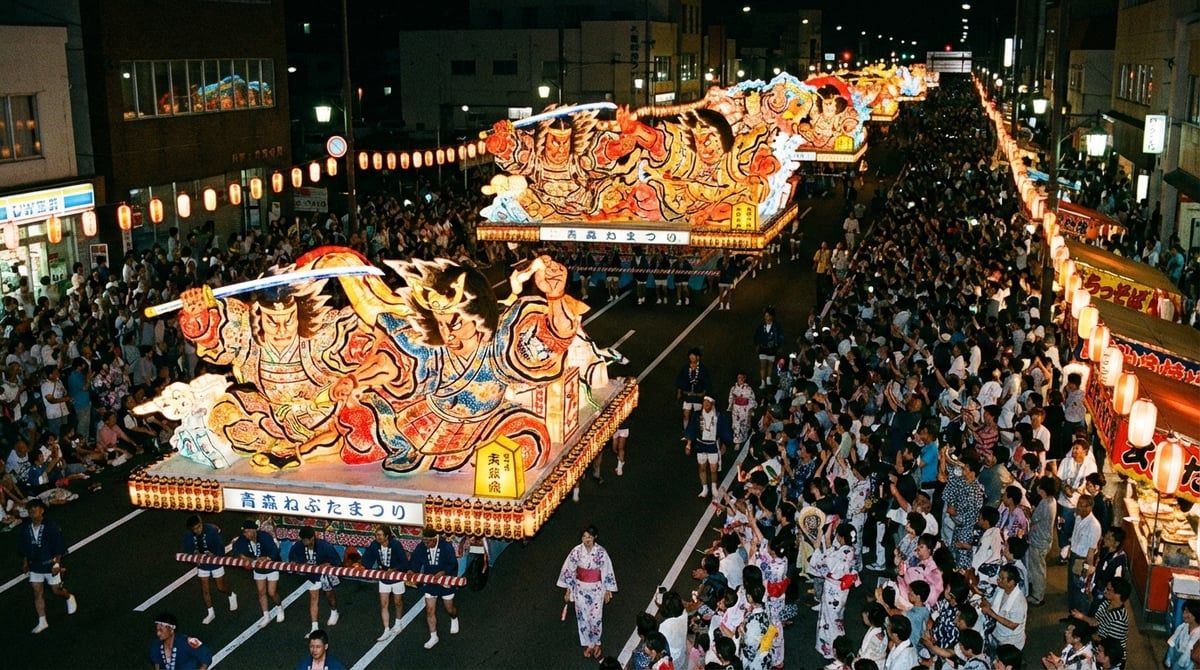 Image for illustrative purposes only.
The atmosphere differs too. Hirosaki Neputa has a more solemn, almost hypnotic rhythm. The call here is "ya-ya-do!" rather than Aomori's energetic "rassera." Watching the painted fans glide silently through Hirosaki's castle town streets, backlit from within, feels closer to witnessing a moving art exhibition than a raucous parade. Both festivals trace their origins to the same tradition of floating lanterns to drive away summer drowsiness, but centuries of local identity have split them into distinctly different experiences.
Hachinohe Sansha Taisai (Late July - August 4)
On Aomori's Pacific coast, Hachinohe hosts the Sansha Taisai, a 300-year-old procession of 27 ornate festival floats through the city center. The floats here are elaborate dioramas depicting historical and mythological scenes, carried with fierce pride by neighborhood teams. This festival is less internationally known than Nebuta, which means smaller crowds and an authentic local atmosphere — a strong choice for travelers who prefer immersion over spectacle.
Beyond Summer: Towada Winter Story (February)
Aomori's festival calendar does not end with summer. In February, the shores of Lake Towada host the Towada Winter Story, a light-and-snow festival where illuminated sculptures, fireworks over the frozen lake, and snow corridors transform one of Tohoku's most scenic spots into a winter wonderland. It is smaller and quieter — more contemplative than carnival — but the combination of fresh snow, silence, and colored light is striking.
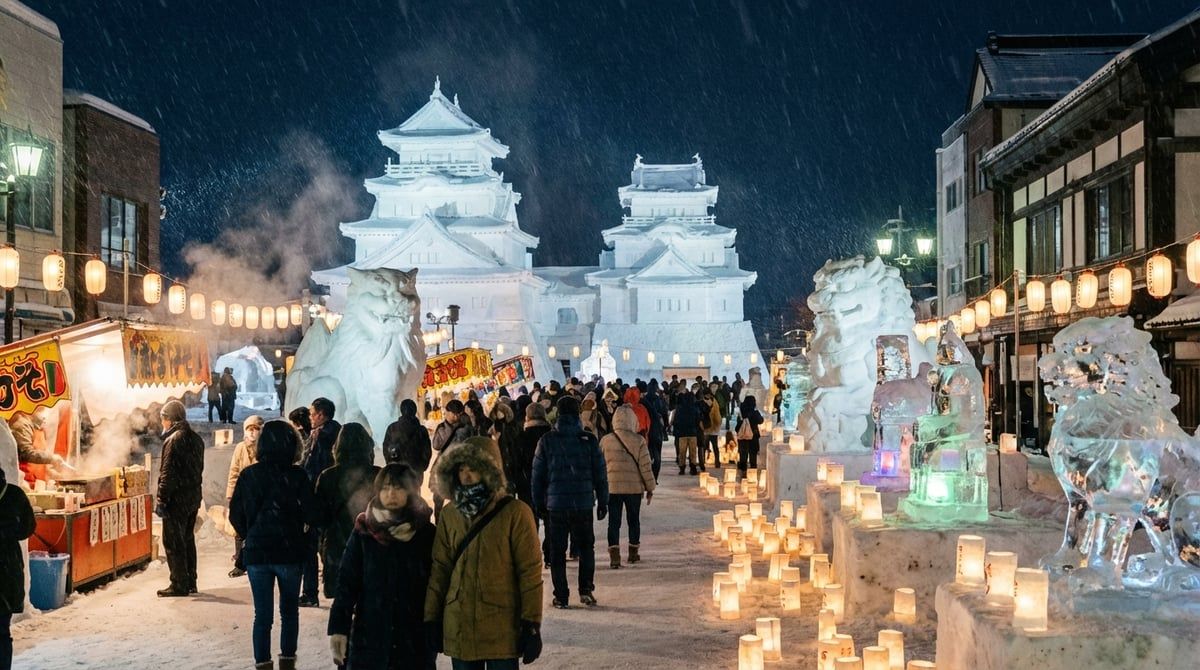 Image for illustrative purposes only.
Apple Festivals (Autumn)
Aomori produces roughly 60% of Japan's apples, and autumn brings harvest festivals across the prefecture. These are modest, community-driven affairs: apple-picking, cider tasting, pie contests, and local craft markets. They will not make international headlines, but they offer a genuine window into rural Aomori life outside the summer rush.
The Tohoku Festival Belt
Aomori's festivals are best understood as part of a larger phenomenon. During the first week of August, the entire Tohoku region ignites simultaneously, and festival-hopping by Shinkansen is a legitimate travel strategy:
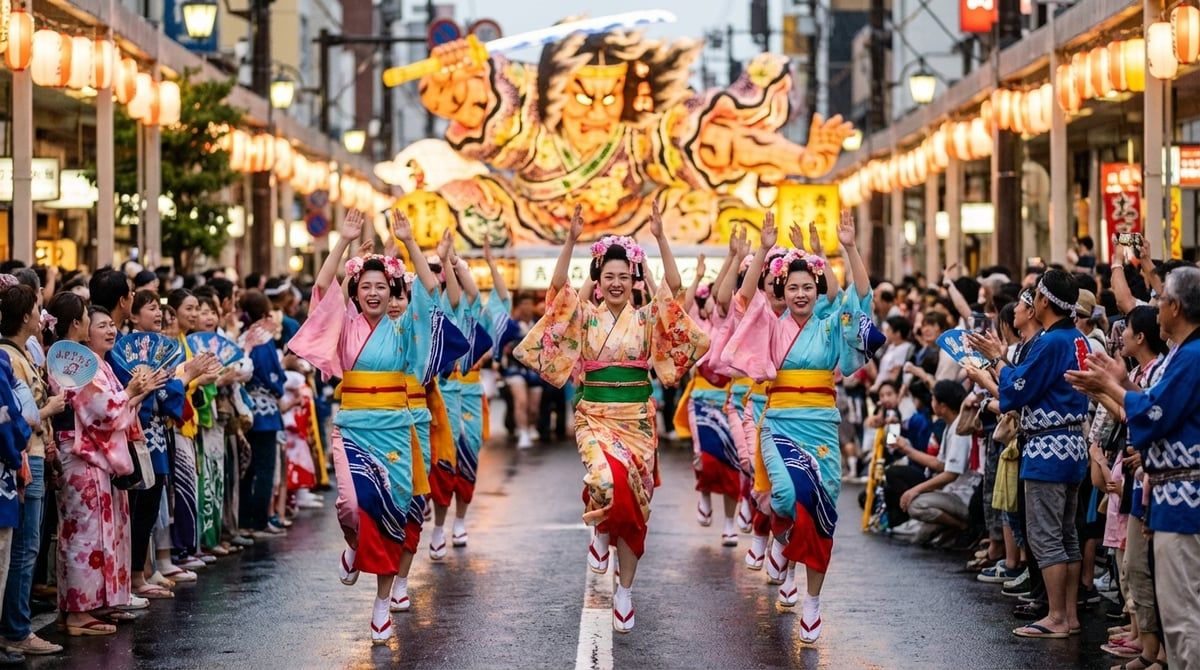 Image for illustrative purposes only.
- Sendai Tanabata Matsuri (August 6-8) — Millions of elaborate paper streamers transform downtown Sendai into a cascading canopy of color. The most elegant of the Tohoku festivals.
- Akita Kanto Matsuri (August 3-6) — Performers balance towering poles hung with dozens of lit paper lanterns on their palms, foreheads, and hips. Pure physical spectacle.
- Yamagata Hanagasa Matsuri (August 5-7) — Thousands of dancers wave flower-decorated straw hats in synchronized choreography through the city streets.
Together with Aomori Nebuta, these four form the unofficial "Big Four" of Tohoku summer festivals. A well-planned itinerary can hit all of them in under a week. Our summer festivals guide and August festivals calendar cover the logistics of combining multiple events.
Planning Your Visit
Getting there: The Tohoku Shinkansen connects Tokyo to Aomori in about three hours and twenty minutes. A JR East Pass or JR Tohoku Pass covers unlimited travel in the region and pays for itself quickly during festival week.
Accommodation: Book months ahead. Aomori City hotels sell out for Nebuta, and prices spike across the region in early August. Consider staying in Hirosaki or Hachinohe and day-tripping — the distances are short.
Timing: Early August is peak season. If crowds concern you, Hirosaki Neputa starts a day earlier than Aomori Nebuta (August 1), and weekday evenings are noticeably less packed than weekends.
2026 planning: Check our 2026 Japan festivals calendar for confirmed dates, and browse the full Japan festivals guide for context on what makes Tohoku's festival culture unique within the country.
Aomori is not the Japan of serene temples and manicured gardens. It is loud, raw, and unapologetically northern. That is exactly the point.
Frequently Asked Questions
What are the main summer festivals in Aomori Prefecture?
The main summer festivals in Aomori are the Aomori Nebuta Matsuri, the Hirosaki Neputa Matsuri, and the Hachinohe Sansha Taisai. These vibrant events feature giant illuminated floats, traditional music, and energetic dancers.
When do the Aomori Nebuta and Hirosaki Neputa festivals take place?
The Aomori Nebuta Matsuri runs from August 2-7, while the Hirosaki Neputa Matsuri takes place from August 1-7. Both are central to the intense festival week in early August across northern Japan.
What is the difference between Aomori Nebuta and Hirosaki Neputa?
Aomori Nebuta features enormous three-dimensional sculptural floats depicting warriors and gods, with energetic haneto dancers shouting "rassera, rassera!" In contrast, Hirosaki Neputa uses large fan-shaped screens painted with dramatic scenes, creating a more solemn, hypnotic atmosphere with the call "ya-ya-do!"
Can visitors participate in the Aomori Nebuta Matsuri?
Yes, anyone can join the Aomori Nebuta parade by wearing the distinctive haneto costume of flower hats and colorful sashes. Rental costume shops are conveniently located near the parade route for easy participation.
How should I plan my travel and accommodation for the Tohoku festivals?
Book accommodation months in advance, as hotels in Aomori City sell out and prices spike in early August. The Tohoku Shinkansen connects Tokyo to Aomori in about three hours, and a JR East Pass or JR Tohoku Pass is recommended for regional travel.
Are there any festivals in Aomori outside of the summer season?
Yes, Aomori hosts the Towada Winter Story in February, featuring illuminated snow sculptures and fireworks over Lake Towada. Autumn also brings community-driven apple harvest festivals across the prefecture.
Explore More Festival Guides
Continue your Japan festival journey with these related guides: