Nagoya & Chubu Festivals: From Castle Parades to Mountain Float Festivals
May 4, 2026
Nagoya Festival, Inuyama's UNESCO floats, and 30 nights of Gujo Odori dancing — the best matsuri in Japan's heartland.
Image for illustrative purposes only.
Central Japan — known as the Chubu region — sits between Tokyo and Osaka, and its festival culture is just as powerful as either megacity. Nagoya anchors the region with samurai parades and castle celebrations, while the surrounding mountains and rivers host some of Japan's most spectacular float festivals and folk dances. If you want to see matsuri at their most dramatic, Chubu delivers.
Nagoya Festival (October)
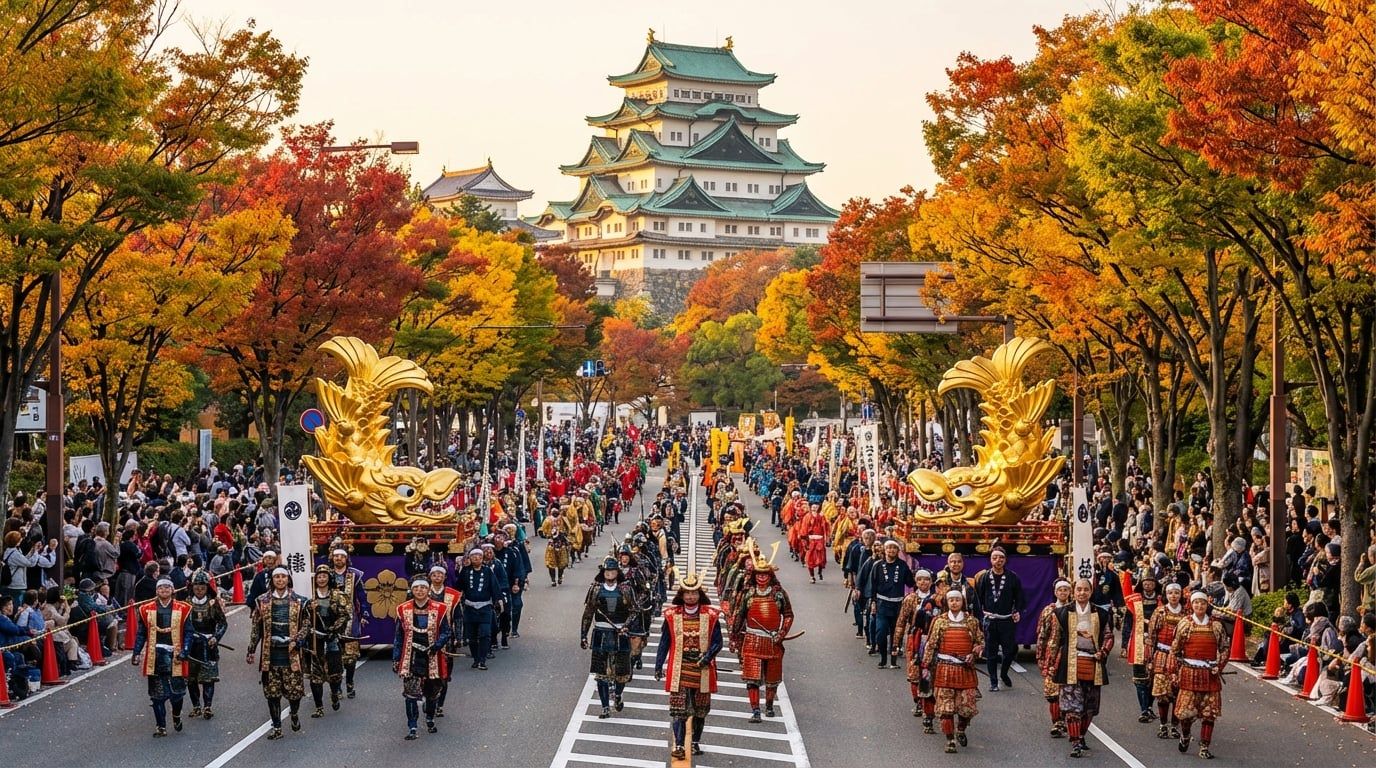
Nagoya's biggest annual celebration takes over the city for a full weekend in mid-October. The highlight is the Heroic Parade, where hundreds of performers march through downtown dressed as the three great samurai lords connected to Nagoya: Oda Nobunaga, Toyotomi Hideyoshi, and Tokugawa Ieyasu. All three were born in or near modern-day Nagoya, making the city uniquely tied to Japan's unification story.
The parade route runs from the city center to Nagoya Castle, with floats, marching bands, and costumed retainers filling the streets. Alongside the main procession, stages around Hisaya Odori Park host traditional dance, taiko drumming, and food stalls serving Nagoya specialties like miso katsu and tebasaki chicken wings. The festival draws over two million visitors, but the atmosphere stays surprisingly relaxed — locals treat it as a neighborhood celebration that happens to be enormous.
When: Mid-October (Saturday and Sunday) Where: Hisaya Odori Park to Nagoya Castle Access: Subway Sakae Station or Shiyakusho Station
Inuyama Festival (April) — UNESCO Intangible Cultural Heritage
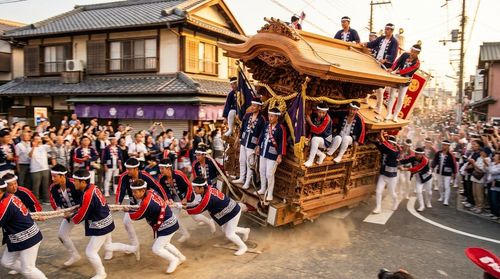
About 30 minutes north of Nagoya by train, the town of Inuyama hosts one of Japan's most beautiful float festivals. Recognized by UNESCO in 2016 as part of Japan's mountain float tradition, the Inuyama Matsuri features 13 towering three-story floats called yama that are paraded through narrow streets below Inuyama Castle — Japan's oldest original castle.
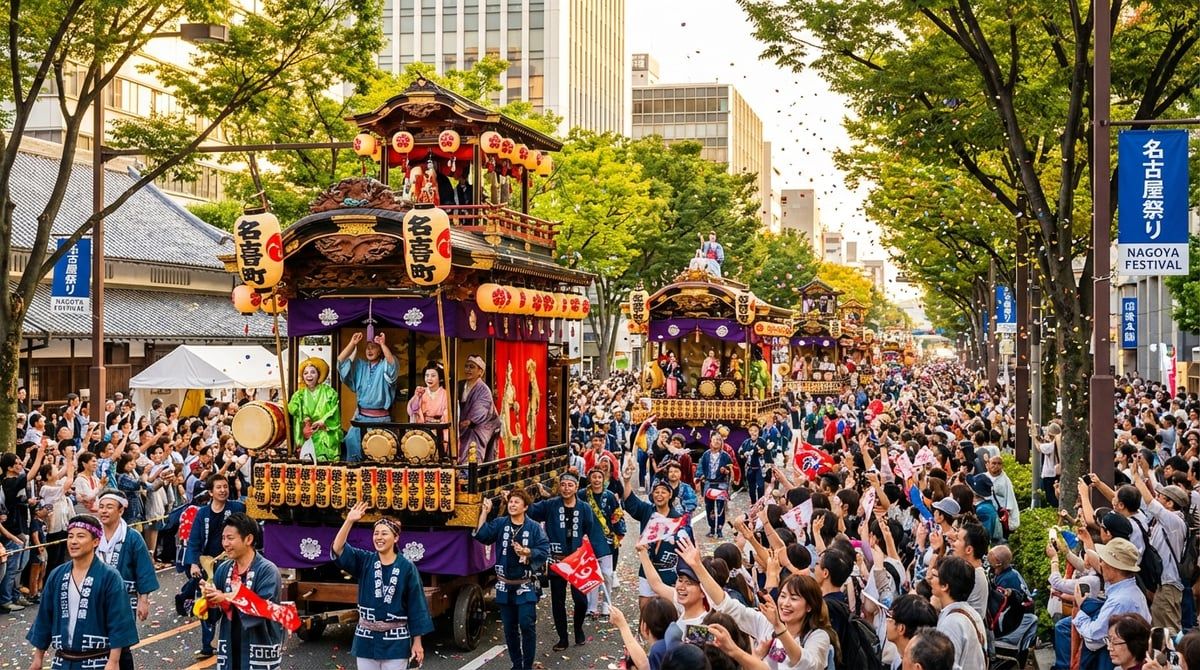 Image for illustrative purposes only.
Each float carries mechanical puppet performers called karakuri ningyo that dance, flip, and transform through an ingenious system of strings and levers. The craftsmanship dates back over 380 years. On the first evening, 365 paper lanterns are hung on each float, and the procession through darkened streets becomes genuinely magical — glowing towers of light reflected in the Kiso River.
When: First weekend of April Where: Inuyama Castle town, Inuyama City Access: Meitetsu Line to Inuyama-yuen Station (30 min from Nagoya)
Atsuta Shrine Festivals (June & Year-Round)
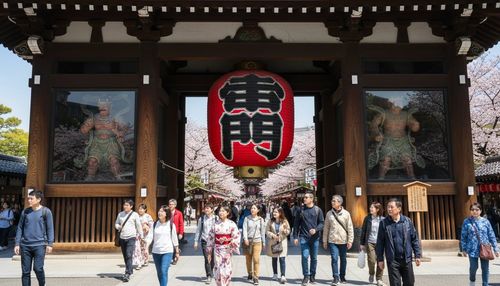
Atsuta Jingu is one of Japan's most sacred Shinto shrines, home to the legendary sword Kusanagi no Tsurugi. The shrine's main festival, Atsuta Matsuri, takes place on June 5th and features traditional martial arts demonstrations, mikoshi processions, and fireworks over the shrine grounds in the evening. Over 250,000 visitors attend in a single day.
Throughout the year, Atsuta hosts smaller seasonal ceremonies that are far less crowded and wonderfully atmospheric — New Year hatsumode, the spring rice-planting ritual, and autumn harvest thanksgiving. The shrine grounds are beautiful in any season, surrounded by ancient camphor trees.
When: June 5 (main festival); ceremonies year-round Where: Atsuta Jingu, Nagoya Access: Meijo Line to Jingu-nishi Station
Owari Tsushima Tenno Festival (July)
One of the most visually stunning summer festivals in all of Japan takes place in Tsushima, just west of Nagoya. The Owari Tsushima Tenno Matsuri is a river festival with a 500-year history, designated as a UNESCO Intangible Cultural Heritage.
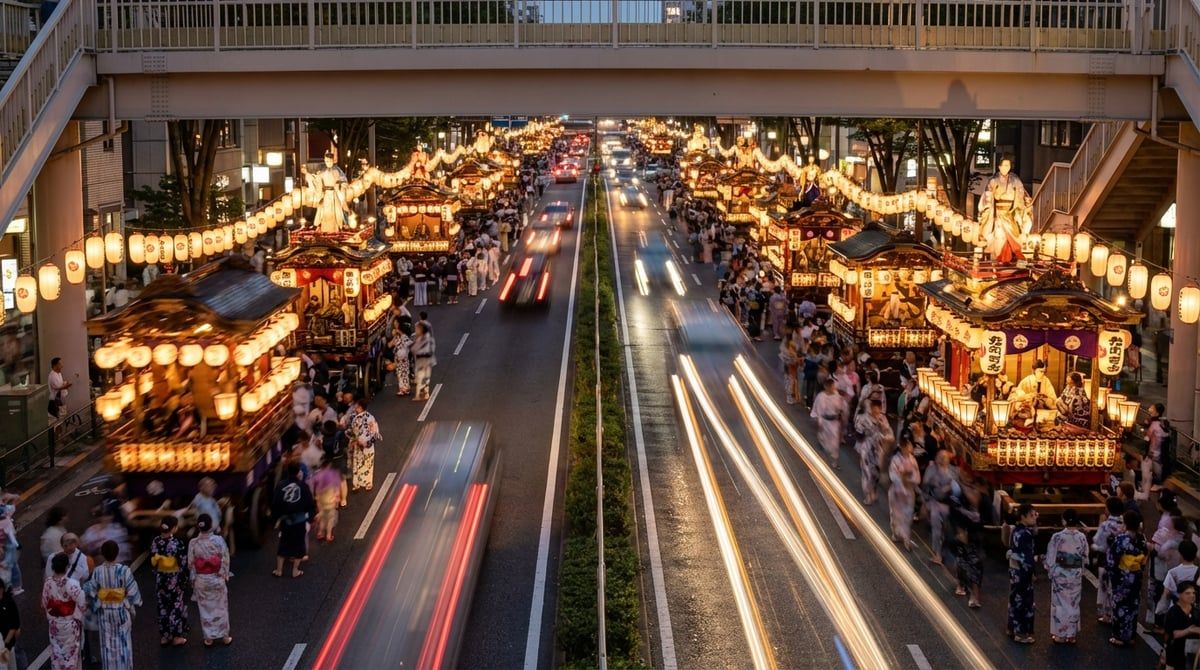 Image for illustrative purposes only.
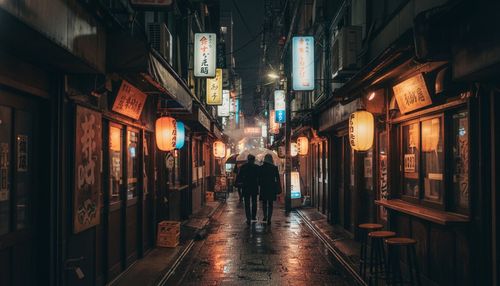
On the evening of the first day, five ornate boats draped with hundreds of lanterns float down the Tennogawa River, creating a scene that looks like it belongs in a painting. The morning of the second day brings a completely different energy — the same boats are redecorated with elaborate figures and musicians, and rowers in traditional costume race them through the water. The contrast between the serene evening procession and the lively morning races makes this a two-day event worth planning around.
When: Fourth weekend of July Where: Tennogawa Park, Tsushima City Access: Meitetsu Tsushima Line to Tsushima Station (30 min from Nagoya)
Gujo Odori (July–September) — 30 Nights of Dancing
High in the mountains of Gifu Prefecture, the small town of Gujo Hachiman hosts Japan's most extraordinary Bon dance. While most cities hold Obon dancing for a single evening, Gujo Odori spans over 30 nights from mid-July to early September. During the four-night peak in mid-August (called Tetsuya Odori), the dancing continues all night long — from 8 PM until 5 AM.
What makes Gujo Odori special is participation. There is no audience. Everyone dances. Visitors are taught the steps on the spot, and the ten different dances range from simple to challenging. The music is performed live on a central tower, and the streets of this beautifully preserved Edo-era town become one giant dance floor. Gujo Hachiman is also famous for its crystal-clear waterways and food-replica workshops, so there is plenty to explore between evening dance sessions.
When: Mid-July to early September (30+ nights); Tetsuya Odori around August 13–16 Where: Gujo Hachiman town center, Gifu Prefecture Access: Highway bus from Nagoya (90 min) or JR Takayama Line + Nagaragawa Railway
Takayama Festival (April & October)
Though technically in Gifu Prefecture, Takayama Matsuri is easily accessible from Nagoya and ranks among Japan's three most beautiful festivals. Held twice yearly at different shrines, the spring edition (April 14–15) and autumn edition (October 9–10) both feature elaborately decorated floats with intricate wood carvings, metalwork, and karakuri puppet performances.
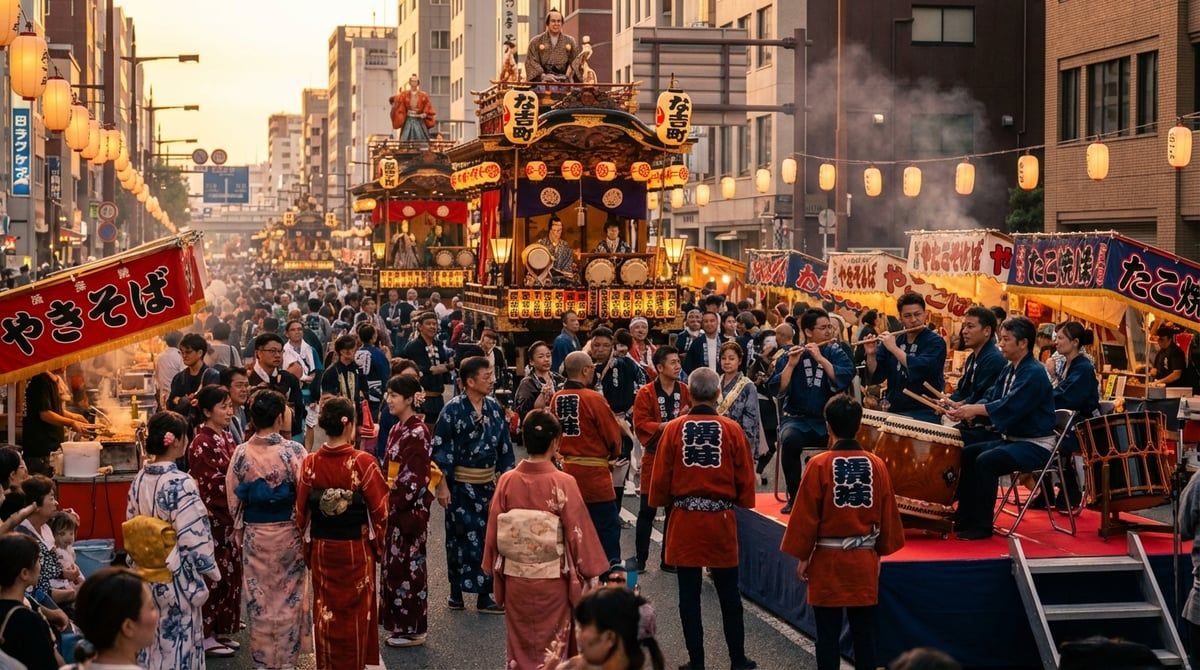 Image for illustrative purposes only.
Takayama's old town of dark wooden merchant houses provides the perfect backdrop. The floats are designated Important Cultural Properties, and the evening processions lit by hundreds of lanterns through the narrow streets create an atmosphere that transports you centuries back in time.
When: April 14–15 (spring); October 9–10 (autumn) Where: Takayama old town, Gifu Prefecture Access: JR Wide View Hida from Nagoya (2.5 hours)
Planning Your Chubu Festival Trip
Nagoya's central location makes it an ideal base. The city's Chubu Centrair International Airport has direct flights from across Asia, and the shinkansen connects to Tokyo (1 hr 40 min) and Osaka (50 min). Most surrounding festival towns are reachable as day trips from Nagoya.
For festival-heavy months, book accommodation early — especially for Takayama in April and Gujo Hachiman in mid-August, where small-town capacity fills up fast.
Exploring Japan's festival traditions? Read our complete guide to Japanese festivals for cultural context, or check Japan's top festivals for 2026 and our month-by-month festival calendar to plan your trip.
What Real Travelers Say
The Nagoya Festival is a well-regarded October event held near Nagoya Station that showcases the city's rich history and culture. While visitor reviews are limited, those who attended appreciate the festival's accessibility and cultural significance as part of the broader Nagoya tourism experience.
Visitor Tips:
- Start your visit near Nagoya Station where the festival begins for easy access
- Plan your visit for October 20th when the main festival takes place
- Combine the festival with guided tours of nearby attractions like Nagoya Castle and local temples
- Visit the Nagoya Agricultural Center's spring blossom events if traveling in April for similar cultural experiences
Best Moments According to Visitors:
- Exploring Nagoya's vibrant culture and rich history showcased throughout the festival
- Visiting during the festival period to experience special events and open-air markets
- Walking through the festival area near Nagoya Station while learning about the city's heritage
Crowd Level: Specific crowd information is limited in available reviews, though the festival appears to be a popular October attraction in Nagoya.
Frequently Asked Questions
What are the biggest festivals in Nagoya city itself?
Nagoya's largest annual celebration is the Nagoya Festival in mid-October, featuring a Heroic Parade of samurai lords and food stalls. The city also hosts the Atsuta Matsuri on June
Explore More Festival Guides
Continue your Japan festival journey with these related guides: