The best manga museums and exhibitions in Japan — Kyoto Manga Museum, Tezuka Osamu, Tokiwa-so, Jump shops, and where to experience your favorite series in real life.
Japan is the birthplace of manga, and the country treats that legacy with genuine reverence. These aren't dusty archive rooms behind velvet ropes — manga museums here are living, breathing spaces where you can read thousands of volumes on a sunlit lawn, touch the original desk where Astro Boy was drawn, or stand inside a full-scale replica of the apartment building where an entire generation of legendary creators grew up together. If you love manga in any form, Japan has experiences that go far beyond anything a bookshop can offer.
This guide covers the museums, shops, and cultural spots that make for an unforgettable manga-focused trip — from Kyoto to Kawasaki to the far north of Miyagi.
What You'll Find in This Guide
- Kyoto International Manga Museum — 300,000 volumes and the famous "manga walls"
- Tezuka Osamu Manga Museum (Takarazuka) — The God of Manga's creative world
- Tokiwa-so Manga Museum (Tokyo) — The apartment that shaped manga history
- Ishinomori Manga Museum (Ishinomaki) — Kamen Rider, Cyborg 009, and a remarkable building
- Fujiko F. Fujio Museum (Kawasaki) — Inside Doraemon's creator's world
- Jump Shop and Shonen Jump Experiences — One Piece, Naruto, Dragon Ball and more
- Manga Shopping: Akihabara, Nakano Broadway, Book-Off
- What Most Tourists Don't Know
Quick Facts
| Topic | Details |
|---|---|
| Best city base | Tokyo (covers 4+ museums within day-trip range) |
| Kyoto Museum hours | 10:30–17:30, closed Wed |
| Tezuka Museum hours | 9:30–17:00, closed Tue |
| Tokiwa-so hours | 10:00–18:00, closed Mon |
| Ishinomori Museum hours | 9:00–18:00 (summer), 9:00–17:00 (winter) |
| Fujiko Museum hours | 10:00–18:00, closed Tue (reservation required) |
| Cheapest option | Book-Off used manga (from ¥110/volume) |
| Best for kids | Fujiko F. Fujio Museum (Doraemon themes throughout) |
| Language support | Kyoto Museum has English audio guides; others vary |
| Budget per museum | ¥700–¥1,000 average adult admission |
Kyoto International Manga Museum
If you only visit one manga museum in Japan, make it this one.
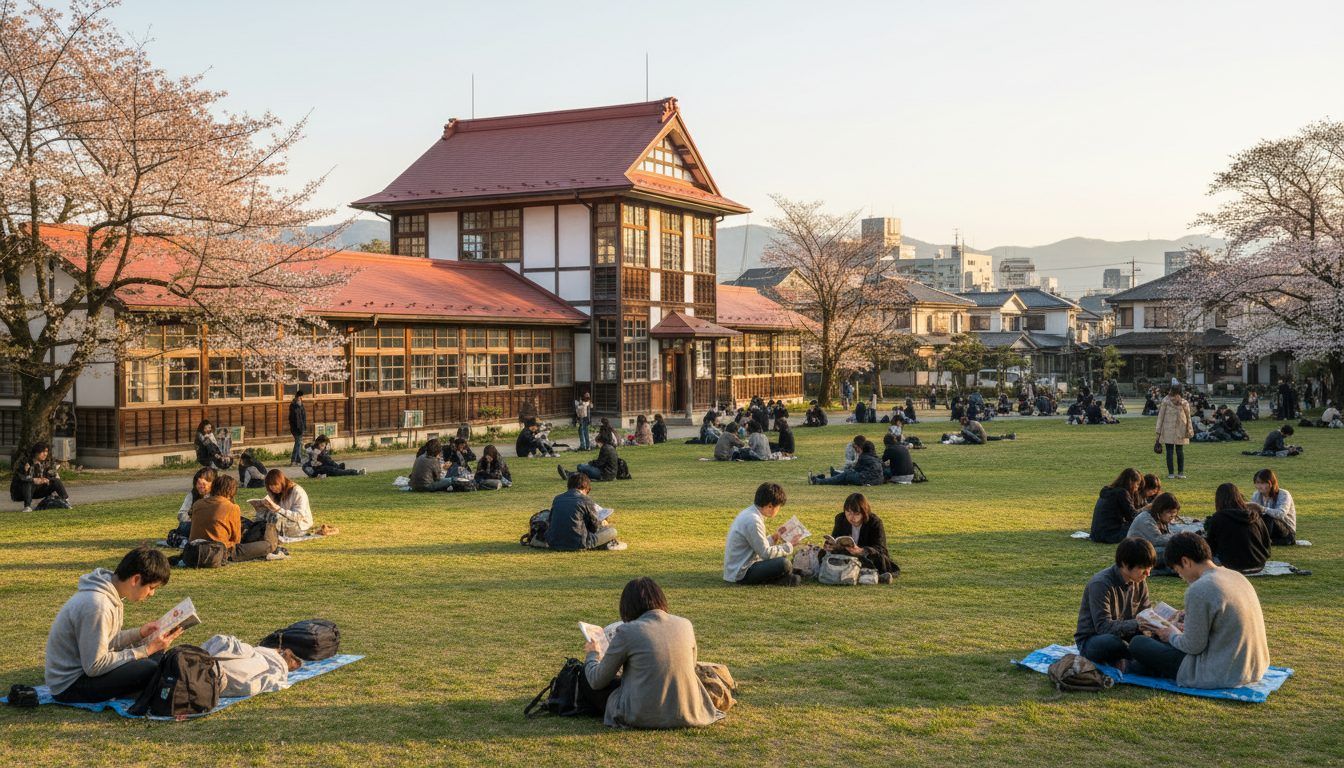
The Kyoto International Manga Museum (京都国際マンガミュージアム) is housed inside a beautifully converted former elementary school in central Kyoto, and the contrast works perfectly — the worn wooden floors and old-fashioned classroom architecture set against floor-to-ceiling shelves packed with over 300,000 manga volumes. The shelves lining the hallways are what visitors photograph most: they stretch from floor to ceiling and wrap around corners, the spines of tens of thousands of volumes creating a tapestry of color and storytelling.
What makes this museum genuinely special is that almost everything is available to read. Grab a volume off the shelf, take it outside to the museum's grass courtyard, and spend as long as you like reading in the sun. There is no pressure to rush through exhibits — many visitors arrive when doors open and stay until closing time, working through series they have never had a chance to read.
The museum's collection spans manga history from the postwar era to contemporary titles, and international manga (translated works from around the world) takes up a significant section. Rotating exhibitions explore specific themes, artists, or historical periods, and weekend workshops let visitors try creating manga themselves under the guidance of professional artists.
Access: 5-minute walk from Karasuma-Oike Station (Karasuma Line or Tozai Line, Kyoto Municipal Subway).
Hours: 10:30–17:30 (last entry 17:00). Closed Wednesdays (and Thursday if Wednesday is a national holiday).
Admission: Adults ¥900, junior high/high school ¥400, elementary school ¥200. English audio guide available.
Time needed: 2–4 hours minimum; serious readers often stay all day.
Tezuka Osamu Manga Museum
Osamu Tezuka is called the "God of Manga" — a title that sounds like hyperbole until you understand his actual influence. Tezuka created Astro Boy, Black Jack, Kimba the White Lion, Princess Knight, and Phoenix, among dozens of other series. He developed the visual language of manga that everyone working in the medium still uses today: the large expressive eyes, the cinematic panel composition, the technique of using silence and negative space for emotional effect.
The Tezuka Osamu Manga Museum (手塚治虫記念館) in Takarazuka, Hyogo Prefecture, is the definitive place to understand his world. Takarazuka was where Tezuka grew up and where much of his creative imagination took root — the city's famous all-female Takarazuka Revue, which he watched obsessively as a child, is visibly embedded in his character designs.
The museum holds original manuscripts, early sketches, production cels from anime adaptations, and interactive digital installations that let you explore how specific scenes and stories were constructed. The Astro Boy animatronics are particularly memorable — slightly uncanny in the best possible way, the small white robot figure greeting visitors feels like something out of the series itself. A short animated theater screens Tezuka films on rotation throughout the day.
Access: 5-minute walk from Takarazuka Station (Hankyu Takarazuka Line from Osaka-Umeda, approximately 40 minutes; or JR Takarazuka Line from Osaka).
Hours: 9:30–17:00 (last entry 16:30). Closed Tuesdays (and following day if Tuesday is a national holiday).
Admission: Adults ¥700, university/high school ¥300, middle/elementary school ¥100.
Time needed: 1.5–2.5 hours. Combine with a short walk to see Takarazuka's charming streetscape.
Tokiwa-so Manga Museum
There is one building in the history of manga that functions almost as a creation myth. In the 1950s and early 1960s, a modest wooden apartment complex in the Toshima ward of Tokyo called Tokiwa-so was home to a remarkable concentration of young manga artists. Osamu Tezuka lived there first, followed by a wave of creators who would go on to define the medium: Fujiko F. Fujio (Doraemon), Fujio Akatsuka (Osomatsu-kun), Shotaro Ishinomori (Kamen Rider, Cyborg 009), and several others.
They were all young, all broke, all obsessed with comics, and all in the same building at the same time. They shared meals, traded pages, critiqued each other's work, and pushed one another forward. The creative density of that one apartment building during that one decade is almost impossible to believe.
The original Tokiwa-so was demolished in 1982, but in 2020, a faithful full-scale replica opened on the same site. The museum reconstructs the building's interior with extraordinary care — the narrow corridors, the shared bathroom, the tiny rooms where these artists worked. You can walk through recreations of the individual rooms, complete with period furniture, drawing tools, and manuscript pages (reproduced) on the desks. The building smells faintly of old wood, and the soft creak of the floorboards underfoot makes the visit feel more like time travel than tourism.
Access: 7-minute walk from Mejiro Station (JR Yamanote Line) or 10 minutes from Zoshigaya Station (Tokyo Metro Fukutoshin Line).
Hours: 10:00–18:00 (last entry 17:30). Closed Mondays (and following day if Monday is a national holiday).
Admission: Adults ¥500, seniors (65+) ¥400, under 18 free.
Time needed: 1.5–2 hours.
Ishinomori Manga Museum
Shotaro Ishinomori's name appears twice in this guide — once as a Tokiwa-so resident, and here as the subject of his own dedicated museum. That double appearance is deserved. Ishinomori holds the Guinness World Record for the most comic volumes published by a single author, with over 700 series to his name. Kamen Rider alone has run for more than 50 years.
The Ishinomori Manga Museum (石ノ森萬画館) in Ishinomaki, Miyagi Prefecture, sits on a small island in the middle of a river on the edge of the city center. The building was designed by architect Kijo Rokkaku to resemble a futuristic spacecraft — a cylindrical silver structure that rises above the water with a visual confidence that makes it clear this museum is not an afterthought. Walking across the small bridge toward it, especially on a clear day with reflections in the water below, is a genuinely memorable arrival.
Inside, the exhibits cover Ishinomori's full creative output, with strong coverage of Kamen Rider's origins: original character design sketches, early costume prototypes, and the creative decisions that shaped the franchise into what it became. The museum also carries the emotional weight of the 2011 Great East Japan Earthquake — Ishinomaki was severely affected, and the museum integrates the story of community recovery into its broader narrative with honesty and dignity.
This is one of the few manga museums that can move adult visitors in ways they don't necessarily anticipate when they walk through the door.
Access: 10-minute walk from Ishinomaki Station (Senseki Line from Sendai, approximately 1 hour).
Hours: 9:00–18:00 (July–August), 9:00–17:00 (September–June). Closed Tuesdays (and following day if Tuesday is a national holiday), and late December through early January.
Admission: Adults ¥900, junior/senior high ¥600, elementary ¥350.
Time needed: 2–3 hours.
Fujiko F. Fujio Museum
Doraemon is Japan's most beloved manga character. The blue robotic cat who travels back from the future to help a clumsy boy named Nobita has been running continuously since 1969, has been translated into 45 languages, and occupies a place in Japanese childhood that is genuinely difficult to overstate. The creator behind Doraemon — the artist known as Fujiko F. Fujio (the "F" in the pen name) — worked prolifically until his death in 1996, and the museum dedicated to his work in Kawasaki does full justice to that legacy.
The Fujiko F. Fujio Museum (藤子・F・不二雄ミュージアム) in Kawasaki, Kanagawa Prefecture, is an immersive, playful space that feels designed for adults who grew up reading these stories. The collection includes thousands of original manuscript pages — you can see Fujiko F. Fujio's actual brushstrokes and corrections on the pages that became finished manga. Special exhibits highlight the full range of his work beyond Doraemon, including Doraemon the Movie original cels, and the museum's cafe serves food and drinks themed around the characters.
The gift shop is exceptional. Items here — Doraemon merchandise produced specifically for the museum — are not available elsewhere, and the quality tends to be significantly higher than what you find in general retail.
Important: Tickets must be purchased in advance online. Walk-in admission is not available. The museum is frequently sold out weeks ahead on weekends and during school holidays.
Access: Take the Odakyu Line from Shinjuku to Noborito Station, then board the dedicated Fujiko F. Fujio Museum Liner shuttle bus (¥210, included with museum entry). About 40 minutes total from Shinjuku.
Hours: 10:00–18:00. Closed Tuesdays (and following day if Tuesday is a national holiday), and late December through early January.
Admission: Adults ¥1,000, teenagers (13–17) ¥700, children (4–12) ¥500. Must be purchased in advance at Lawson convenience stores or the official website.
Time needed: 2–3 hours. Budget extra time at the gift shop.
Jump Shop and Shonen Jump Experiences
Weekly Shonen Jump is the most successful manga magazine in history, and the franchises born from its pages — One Piece, Naruto, Dragon Ball, Demon Slayer, My Hero Academia, Bleach — are known by manga readers on every continent. Tokyo has several dedicated spaces for fans of the Jump universe.
Jump Shop (Tokyo)
The official Jump Shop in Tokyo is the primary retail destination for Shonen Jump merchandise. The flagship location sits inside the Tokyo Solamachi shopping complex at Tokyo Skytree, with a second location at Shibuya Scramble Square. Both carry official merchandise from across all active and classic Jump titles — figures, apparel, stationary, limited-edition collaborations, and items that arrive and sell out within days.
The Skytree location tends to have wider stock; the Shibuya location is more convenient if you're already in the city center.
Hours: 10:00–21:00 (Skytree). Free entry.
J-World and Jump Exhibition Legacy
The dedicated J-World indoor theme park closed in 2019, but Shonen Jump continues to run Jump Victory Carnival and rotating thematic exhibitions at Tokyo Big Sight and similar large venues. These events — typically running for several weeks — combine interactive experiences, exclusive merchandise, and themed installations around specific series or anniversary milestones.
Checking the official Jump website or fan aggregators before your trip is strongly recommended. A Dragon Ball or One Piece anniversary exhibition timed with your visit would be a genuine highlight.
One Piece in Tokyo
The original One Piece Tower at Tokyo Tower closed in 2022, but the spirit of large-scale One Piece experiences continues through pop-up events and dedicated sections at major entertainment venues. The Mugiwara Store (Straw Hat Store) has permanent and pop-up locations in Shibuya and Ikebukuro with extensive One Piece merchandise. Shibuya's Parco building often hosts limited-time Shonen Jump exhibition spaces on its upper floors.
For Dragon Ball and Naruto fans, Animate (Japan's largest anime retail chain, with flagships in Ikebukuro and Akihabara) stocks deep catalogs of merchandise and frequently runs themed floor sections during anniversary periods.
Manga Shopping in Tokyo
No manga trip is complete without time dedicated purely to buying things. Tokyo's three best destinations for manga shopping each serve a different purpose.
Akihabara
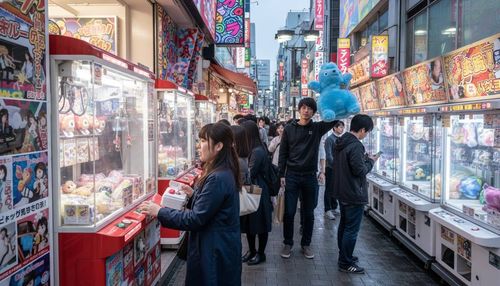
Akihabara's manga and anime retail density is unmatched. Yodobashi Akiba and the Akihabara Book Center carry enormous selections of new releases across all genres. For figures and collectibles tied to specific series, the specialist shops along Chuo-dori stock items from rare figures to affordable keychain sets. The district is also where you'll find the highest concentration of Jump and Shonen Magazine merchandise outside dedicated franchise stores.
Our Akihabara Otaku Guide covers the district in full detail.
Nakano Broadway
For vintage, out-of-print, and limited-edition manga, Nakano Broadway is where Tokyo's most dedicated collectors shop. The building houses dozens of individual stores across four floors, many of them specializing in specific eras, genres, or franchises. First-edition volumes, signed merchandise, and discontinued character goods that disappeared from regular retail years ago surface here regularly.
The atmosphere is different from Akihabara — quieter, more focused, and with a higher proportion of serious collectors rather than casual browsers. Expect to spend time.
Our Nakano Broadway Guide walks through the building floor by floor.
Book-Off
Book-Off is Japan's largest used bookstore chain, and it deserves a place in any manga itinerary. A full set of a 20-volume manga series that would cost ¥8,000–¥10,000 new often runs ¥1,500–¥3,000 at Book-Off, with individual volumes starting from ¥110. The selection is genuinely enormous — most major series are represented — and the stores are clean, well-organized, and easy to navigate. Large branches in Shinjuku, Shibuya, and Akihabara are the best bets.
What Most Tourists Don't Know
The Kyoto Manga Museum's grass courtyard is free to access without admission. You cannot take books outside into the courtyard without paying, but you can sit in the courtyard itself and watch the scene. If you want to test the atmosphere before committing to a ticket, this is a way to do it.
The Fujiko F. Fujio Museum sells out weeks in advance. This is not an exaggeration. Many visitors arrive at Noborito Station expecting to buy a ticket and find that every slot for the day and the next several days is fully booked. Book online through Lawson Ticket (L-code system, accessible in English via the museum's official website) at least two weeks ahead for weekends, and a few days ahead for weekdays.
The Ishinomori Museum is a significant travel commitment from Tokyo. Ishinomaki requires roughly 3 hours of travel from Tokyo via Shinkansen and local train. The museum is absolutely worth it for dedicated Ishinomori or Kamen Rider fans, but casual visitors may find that the Tokiwa-so Museum in Tokyo offers similar thematic ground with far less travel. Build the trip around a broader Tohoku itinerary to make the journey worthwhile.
Most manga museums are closed on Tuesdays. Kyoto Manga Museum closes on Wednesdays; Tezuka, Fujiko, and Ishinomori all close on Tuesdays. Plan accordingly — a Tuesday visit to a manga museum region could result in finding every destination shut.
Book-Off has a dedicated manga floor in most large branches. The manga section is usually not on the ground floor — look for floor guides near the entrance. In Shinjuku, the manga floor is several levels up. Without the floor guide, first-time visitors often miss it entirely.
Original manuscript exhibitions have strict no-photography policies. When Kyoto Manga Museum or Tezuka Museum displays original manuscript pages, these are protected from flash and extended photo exposure. Photography of original manuscripts is prohibited — but photos of most permanent exhibits and the physical museum spaces are allowed. Always check the signage at each exhibit section.
Practical Tips
Combining locations: Tokyo makes the most logical base. Tokiwa-so, Jump Shop, Nakano Broadway, and Akihabara are all within an hour of central Tokyo. Kawasaki (Fujiko Museum) is 40 minutes from Shinjuku. Kyoto and Takarazuka work as a two-day add-on. Ishinomaki requires a dedicated Tohoku excursion.
Language: Kyoto International Manga Museum has the strongest English support, including audio guides. Tokiwa-so has English signage for most exhibits. The Ishinomori Museum has limited English content — Google Translate's camera function covers most signage effectively.
Buying in advance: The Fujiko Museum is the only location that strictly requires advance booking. Jump exhibitions and pop-up events often sell out specific time slots — check availability and book early.
Carrying cash: Most museums and specialty shops accept credit cards, but some smaller shops in Nakano Broadway and independent Book-Off-style stores are cash-only. Keep ¥5,000–¥10,000 in cash for shopping flexibility.
Frequently Asked Questions
Which manga museum is best for kids in Japan?
The Fujiko F. Fujio Museum in Kawasaki is considered the best for kids, featuring themes throughout from the creator of Doraemon. It requires a reservation for entry.
What is the best
Related Guides
If manga brought you to Japan, there is a broader pop culture world worth exploring on the same trip.
- Tokusatsu in Japan: Where to Visit Ultraman, Kamen Rider & Super Sentai Spots — Shotaro Ishinomori's work bridges manga and live-action TV; this guide covers the hero-show side of his legacy.
- Japan's Best Anime Museums and Studios — Many manga series became iconic anime; this guide covers the animation studios and museums behind them.
- The Akihabara Otaku Guide — The complete guide to Tokyo's most famous fandom district, including the best shops for manga merchandise.
- Nakano Broadway Guide — Tokyo's definitive destination for vintage manga, rare figures, and collector-grade merchandise.