Everything you need to know about visiting Asakusa — Senso-ji Temple, Nakamise shopping street, street food, Tokyo Skytree views, and the best times to go.
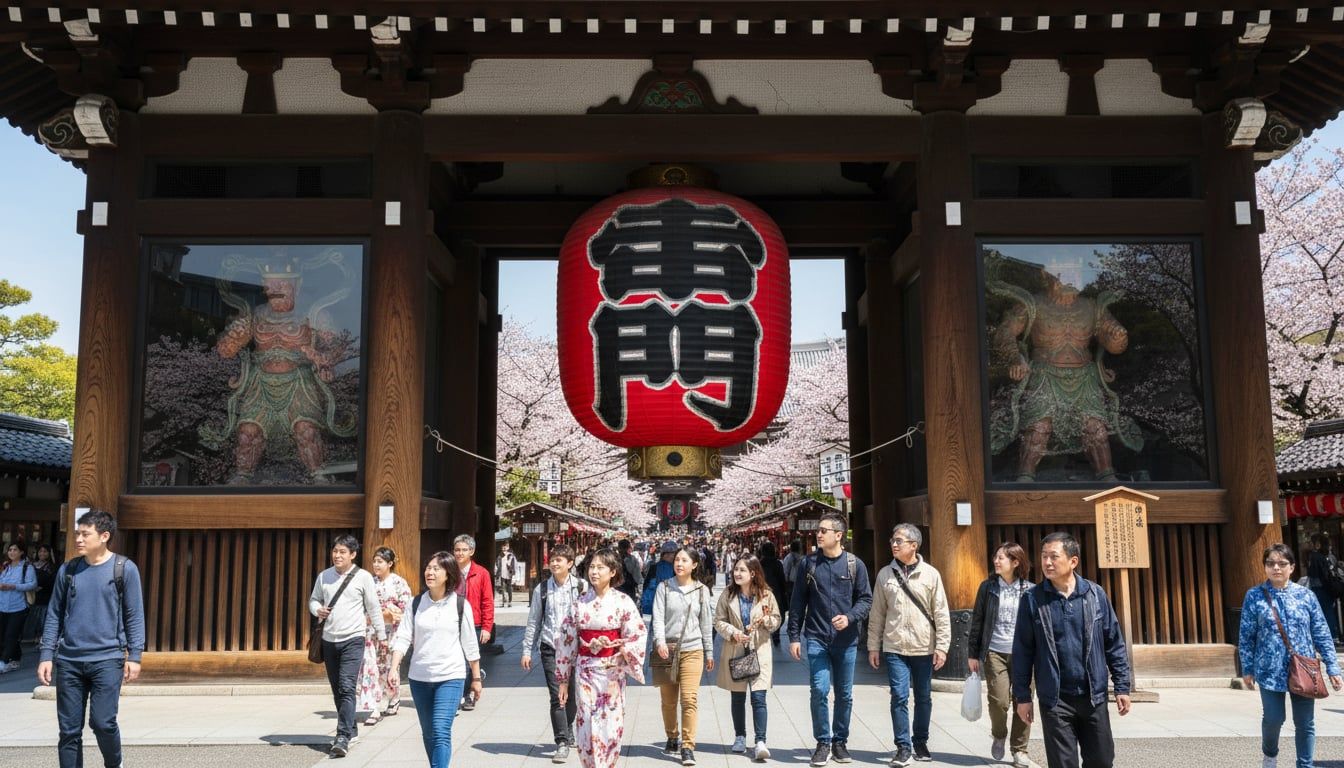
Step under the enormous red lantern at Kaminarimon and you're immediately somewhere different. The air carries the faint drift of incense smoke, vendors call out from wooden stalls on either side of a stone-paved lane, and somewhere ahead, half-hidden by the crowd and the morning haze, the golden roof of Tokyo's oldest temple glints in the light. This is Asakusa — and it has been drawing visitors exactly like this for over 1,400 years.
In a city that moves at relentless speed, Asakusa is the pause button. The neighbourhood around Senso-ji Temple feels genuinely historic in a way that few corners of modern Tokyo do. There are rickshaws, handmade crafts, matcha soft-serve, and centuries of ritual all packed into a few walkable blocks. Whether you have two hours or a full day, Asakusa rewards the time you give it.
This guide covers everything you need for a great visit: the temple itself, what to buy on Nakamise-dori, where to eat, how to extend your day with Tokyo Skytree or the Sumida River, and the seasonal highlights that make certain visits truly special.
What You'll Find in This Guide
- The Senso-ji Temple complex (Kaminarimon → Nakamise-dori → Hozomon → Main Hall → Five-Story Pagoda)
- Nakamise-dori shopping: what's worth buying and what to skip
- Street food highlights you shouldn't miss
- Nearby: Tokyo Skytree, Sumida River walk, Hoppy Street izakayas
- Seasonal tips: Sanja Matsuri, New Year hatsumode, cherry blossoms
- Practical info: access, hours, budget, and what most tourists don't know
Quick Facts
| Nearest Stations | Asakusa (Tokyo Metro Ginza Line / Toei Asakusa Line / Tobu Skytree Line) |
| Temple Hours | Main Hall: 6:00 AM–5:00 PM (Oct–Mar: 6:30 AM) · Grounds: open 24 hours |
| Admission | Free (temple grounds and main hall) |
| Recommended Time | 2–3 hours for Senso-ji alone · 4–6 hours for the full Asakusa area |
| Budget | ¥0 for sightseeing · ¥500–¥2,000 for street food and small souvenirs |
| Best Time to Visit | Early morning (7:00–9:00 AM) for crowds · Evening (5:00–8:00 PM) for atmosphere |
Getting to Asakusa
Asakusa is well connected and easy to reach from anywhere in Tokyo.
By Tokyo Metro (Ginza Line): The most popular route. From Shibuya, it's a direct 30-minute ride; from Omotesando, about 20 minutes. Exit A4 is the closest to Kaminarimon.
By Toei Asakusa Line: Direct service from Shinagawa and Haneda Airport area, making this a convenient option if you're staying in south Tokyo.
By Tobu Skytree Line: If you're coming from Nikko or the northern suburbs, this line terminates at Asakusa Station, right next to the Tobu Hotel.
By Taxi or Ride-share: Easily accessible from central Tokyo. Expect ¥1,500–¥2,500 from Shinjuku or Shibuya depending on traffic.
The station exits deposit you within a two-minute walk of Kaminarimon. When you see the enormous red gate ahead, you're exactly where you need to be.
Senso-ji Temple: A Walk Through the Complex
Kaminarimon (Thunder Gate)
The giant red lantern hanging at the entrance is one of Tokyo's most photographed images — and it earns its fame in person. Kaminarimon (雷門) translates to "Thunder Gate," named for the statues of Fujin (wind god) and Raijin (thunder god) flanking the entrance. The lantern itself weighs roughly 700 kilograms and is replaced every decade or so. Look up at it, then look down: the underside features an intricately carved dragon that most visitors walk right past.
The gate was originally built in 941 AD and has been destroyed and rebuilt multiple times over the centuries. The current version dates to 1960, donated by Panasonic founder Konosuke Matsushita after he recovered from illness.
Nakamise-dori (The Shopping Approach)
The 250-metre lane between Kaminarimon and the next gate is Nakamise-dori, one of Japan's oldest shopping streets. Roughly 89 stalls line both sides, most of them family-run operations that have occupied the same spots for generations. The current market structure dates to the Edo period, when the city designated these lanes as permanent vendor spaces for merchants who maintained the temple precincts.
Walking it, you'll smell sweet bean paste from freshly baked ningyo-yaki (character-shaped cakes), hear the rhythmic sound of rice crackers being pulled from tins, and notice the visual texture of goods — fabric-dyed tenugui cloths hung like flags, rows of lacquered chopsticks, stacked paper fans in dozens of patterns.
What's worth buying: handmade ningyo-yaki eaten warm, quality wagashi (traditional sweets) for gifts, tenugui cloths (practical and lightweight), and handcrafted hair accessories. What to walk past: cheap mass-produced "Japan" goods identical to those sold at every tourist market in the country — these exist here too and are easy to spot.
Hozomon (The Treasure Gate)
The second gate — taller and more imposing than Kaminarimon — marks the entrance to the inner precinct. Hozomon (宝蔵門) translates as "Treasure House Gate" and houses important sutras and cultural artifacts in its upper stories. Hanging from the back of this gate is another massive lantern, this one donated by the Taito City neighborhood association. On the gate's eastern pillar hang a pair of enormous sandals (waraji), representing the sandals worn by temple guardians and symbolising protection for worshippers.
The Main Hall (Kannondo)
Beyond Hozomon, the main hall opens up before you. The Kannondo (観音堂) enshrines a golden image of Kannon, the goddess of mercy — though this statue is considered so sacred it is never put on public display. The worship hall is open for prayer and visitors are welcome to observe or participate.
Before entering, most visitors stop at the large incense burner (jokoro) in the courtyard. The ritual is to waft the smoke toward yourself — particularly toward any part of the body that needs healing. The smoke is thick and pungent and settles into your clothes in a way that somehow feels right for the occasion.
Inside the hall, the ceiling panels painted with dragons and celestial maidens are worth looking up for. Prayer offerings, fortune slips (omikuji), and votive plaques (ema) are available throughout the precinct.
Five-Story Pagoda
To the left of the main hall stands the five-story pagoda, reconstructed in 1973 following wartime destruction. At 53 metres, it's one of the tallest pagodas in Japan. Each story represents a different element — earth, water, fire, wind, and sky — and the tip contains Buddhist relics. It's most striking in early morning mist or lit up against the dark sky in the evening.
Street Food You Should Actually Try
Asakusa's street food scene has survived centuries and remains genuinely good. Here are the highlights worth stopping for:
Ningyo-yaki: Small cakes baked in cast-iron moulds shaped like the Thunder Gate lantern, pagoda, or pigeons. Filled with sweet red bean paste (anko) and eaten warm from the bag. Multiple stalls on Nakamise sell them; buy from a vendor actively baking rather than pre-packaged ones.
Melonpan (melon bread): Several shops near Kaminarimon sell this fluffy, crisp-crusted bread hot from the oven. The version stuffed with soft-serve ice cream is worth the queue if you see one.
Agemanju: Deep-fried sweet buns, a regional specialty of Asakusa. The outside is crispy, the inside soft and filled with red bean paste. Kimuraya and Kaminarimon Kintoki are reliable spots.
Kaminari-okoshi: "Thunder crisps" — a puffed rice snack flavoured with sesame, sugar, and various additions. Light, crunchy, and genuinely snackable. They're also sold in gift-packaged tins on Nakamise, making them good souvenirs that travel well.
Matcha soft-serve: Available from multiple vendors near the temple. The colour is vivid, the bitterness is real, and it photographs well.
Exploring Beyond the Temple
Tokyo Skytree (10-minute walk)
Tokyo Skytree stands just across the Sumida River and is visible from most of Asakusa. At 634 metres it's the tallest structure in Japan and the second tallest in the world. The observation decks at 350 m and 450 m offer panoramic views across the Kanto plain — on clear days you can see Mt. Fuji to the southwest.
Combining Asakusa with Tokyo Skytree in a single day is very natural. Head to Skytree first (open from 10:00 AM, observation decks ¥2,100–¥3,100), then walk back to Asakusa for the afternoon and evening. The Solamachi shopping complex at the base of the tower has food, souvenirs, and a reasonable food court if you want a sit-down meal.
Sumida River Walk
Between Asakusa and Skytree, the Sumida River offers a pleasant riverside walk with views of both landmarks. In spring (late March to early April), the riverbanks along here are lined with cherry trees, and during hanami season this stretch becomes one of Tokyo's best blossom-viewing spots. A water taxi service also runs between Asakusa Pier and Odaiba if you want to extend your day along the water.
Hoppy Street (Hoppy-dori)
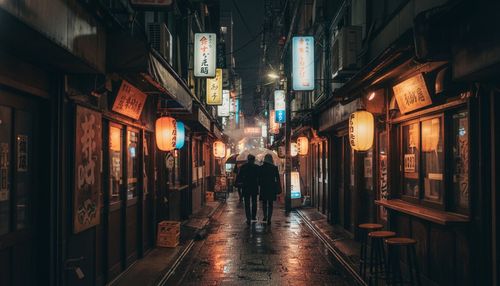
A few minutes' walk west of Senso-ji, Hoppy Street is a short alley of traditional izakayas (Japanese gastropubs) that specialises in a retro Tokyo drinking culture. The street is named after Hoppy, a low-alcohol malt beverage that became popular during the postwar period when beer was a luxury. Yakitori skewers, motsuyaki (grilled offal), and cheap chuhai cocktails are the typical order. It gets lively from early evening and has genuine old-Tokyo character that the more polished tourist strips nearby lack.
Seasonal Highlights
Sanja Matsuri (May)
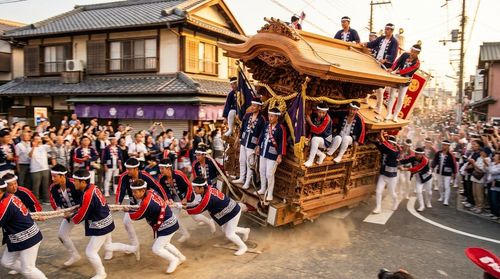
Held on the third weekend of May, Sanja Matsuri is one of Tokyo's three great Shinto festivals and arguably its most energetic. The festival celebrates the three founders of Senso-ji and involves 108 mikoshi (portable shrines) being carried through the streets by hundreds of participants in traditional dress. The atmosphere is loud, physical, and thrilling — the crowd becomes part of the ritual. An estimated 1.8 million visitors attend over the three days.
If you're planning a trip around Japanese festivals, this is one of the country's best. For more on Tokyo's festival calendar, see our Tokyo Festivals 2026 Guide.
New Year Hatsumode
Between January 1st and 3rd, Senso-ji becomes one of the busiest places in Japan. Hatsumode — the first shrine or temple visit of the new year — draws around 3 million people to Asakusa over the New Year holiday. The queue to pray can stretch back to Kaminarimon and beyond. If you're in Tokyo over New Year, the experience is unforgettable; if you're sensitive to very large crowds, visiting January 4th onward gives you the atmosphere with slightly more breathing room.
Cherry Blossoms Along the Sumida River
Late March to early April transforms the riverbanks north and south of Asakusa into a pink corridor. The Sumida Park cherry blossom festival is a classic Tokyo hanami spot — vendors set up food stalls, locals spread tarps under the trees, and the contrast of blossoms against the Skytree or the old bridge architecture is genuinely beautiful. Check the Japan Meteorological Corporation's blossom forecast (updated annually) for the best viewing window in any given year.
For a broader overview of Japan's major seasonal celebrations, our Japan Festivals Guide covers events across the country.
What Most Tourists Don't Know
The temple grounds are open 24 hours. The main hall closes in the evening, but the outer precinct — including the gate area and the pagoda — is accessible all night. Visiting at 11:00 PM on a weeknight, with the lanterns lit and almost no other visitors present, is a completely different experience from the daytime crowds. Early morning (6:00–7:00 AM) is similarly peaceful and allows you to see the daily opening rituals.
Omikuji fortune slips can be bad — and that's fine. Asakusa's omikuji (fortune slips) are famous for a high proportion of unlucky outcomes. If you draw a "kyo" (worst luck) slip, you tie it to the rack provided at the temple rather than keeping it. This is the intended practice — you're leaving the bad fortune behind. Don't worry about it; the ritual is the point, not the result.
The side streets west of the main approach have better shopping. The lanes parallel to Nakamise-dori — particularly Shin-Nakamise and the streets behind it — have a mix of local shops, smaller craft vendors, and restaurants that cater to neighbourhood regulars rather than tourist traffic. Prices tend to be lower and the atmosphere less performative.
You can rent a kimono. Multiple rental services operate within walking distance of Kaminarimon (around ¥3,000–¥5,000 for a full-day rental including dressing assistance). Wearing a kimono through the temple precinct is a genuinely enjoyable way to spend a morning, and the staff at rental shops are experienced at helping first-timers. Book ahead on weekends and during cherry blossom season.
Rickshaws are legitimate transportation, not just a photo prop. Human-pulled rickshaws (jinrikisha) operate throughout Asakusa and offer 30-minute to two-hour guided tours. The drivers typically speak some English and know the history of the neighbourhood in detail. Rates are around ¥3,000–¥10,000 depending on duration.
Practical Tips
- Cash is still king in many of Asakusa's smaller shops. Bring yen; while large retailers accept cards, traditional stalls on Nakamise and smaller food vendors often don't.
- Luggage storage is available at Asakusa Station and at several coin-locker facilities nearby. Don't carry a big bag through the temple crowds.
- Dress codes are relaxed at Senso-ji compared to some other religious sites. Shoulders and knees covered is polite but not enforced. Remove hats when praying.
- Photography is generally permitted throughout the temple grounds. Inside the main hall, follow posted guidance.
- The area around Kaminarimon fills up fast on weekends. If you're visiting Saturday or Sunday, arrive before 9:00 AM or after 5:00 PM to avoid peak congestion.
A Perfect Day in Asakusa
Morning (7:00–9:00 AM): Arrive early and walk to Kaminarimon with almost no one around. Watch the temple staff open the main hall, light the incense, and begin the morning rituals. Browse Nakamise as vendors set up.
Mid-morning (9:00–11:00 AM): Explore the temple complex thoroughly. Draw an omikuji, walk the side streets behind Nakamise, and try a warm agemanju from a bakery just opening for the day.
Late morning to afternoon (11:00 AM–3:00 PM): Walk the 10 minutes to Tokyo Skytree and go up to the observation deck before lunch crowds pack the elevator queues. Eat in Solamachi, then walk back along the Sumida River.
Late afternoon (3:00–6:00 PM): Explore the streets west of the temple — Shin-Nakamise, the backstreets toward Kappabashi (kitchen tools district, another 10-minute walk), or the craft shops around Denpoin-dori.
Evening (6:00–9:00 PM): Head to Hoppy Street for yakitori and drinks as the lanterns come on and the temple precinct takes on a quieter, golden quality.
Frequently Asked Questions
What is Senso-ji Temple and where is it located?
Senso-ji is Tokyo's oldest temple, located in the historic Asakusa district. It has been drawing visitors for over 1,400 years and is a central part of the neighborhood's charm.
How much does it cost to visit Senso-ji Temple?
Admission to the Senso-ji temple grounds and main hall is free. You should budget ¥500–¥2,000 for street food and small souvenirs if you plan to shop or eat.
What are the best times to visit Senso-ji Temple in Asakusa?
For fewer crowds, visit early morning between 7:00–9:00 AM. For a special atmosphere, consider an evening visit between 5:00–8:00 PM when the temple is lit up.
How do I get to Asakusa and Senso-ji Temple?
Asakusa is well-connected by the Tokyo Metro Ginza Line, Toei Asakusa Line, and Tobu Skytree Line, all terminating at Asakusa Station. From the station, Kaminarimon is just a two-minute walk away.
What kind of street food can I try in Asakusa?
Popular street foods include ningyo-yaki (sweet bean paste
Related Guides
Asakusa is one piece of a larger Tokyo story. These guides go deeper into what you can do nearby and across Japan:
- Tokyo Festivals 2026: Dates, Highlights & What Not to Miss — including Sanja Matsuri and the full summer festival calendar
- Japan Festivals Guide: The Definitive Overview — how Japan's major festivals work, what to expect, and how to join in
- Japan Karaoke Guide: Everything First-Timers Need to Know — a great evening activity after a day in Asakusa
- Nakano Broadway Guide: Tokyo's Other Pop Culture District — if Asakusa's traditional crafts sparked your interest in Tokyo's collector culture