From Kobe's urban shores to Wakayama's white-sand paradise, discover the best beach day trips you can do from Osaka.
Osaka is many things — a food capital, a nightlife hub, a city of bridges and canals — but a beach town it is not. What it is, however, is a gateway. Sitting at the heart of the Kansai region, Osaka puts you within striking distance of some genuinely good beaches, from a sandy strip in Kobe that takes just 30 minutes to reach, to a postcard-perfect white-sand bay in Wakayama that rewards the longer journey. Whether you want a quick afternoon dip or a full beach day with BBQ and sunset views, there is an option for you.
This guide covers four solid choices, all reachable without a car, with honest notes on what each one is actually like in summer.
Nishikinohama Beach — The Closest Option (Osaka Prefecture)
If you want to touch the ocean without spending half the day on a train, Nishikinohama is your answer. Located in Tadaoka, southern Osaka Prefecture, it is the nearest proper swimming beach to the city center.
Getting there: Take the JR Hanwa Line from Tennoji Station to Higashi-Kishiwada Station (about 25 minutes), then walk about 10 minutes to the beach. Total travel time from central Osaka is roughly 45 minutes. Trains run frequently throughout the day.
What to expect: This is a community beach rather than a destination beach. The sand is not the finest, and the water is typical of the Osaka Bay area — functional for swimming during the summer season, but not the clearest you will find in Japan. That said, it serves its purpose well. Beach houses (known as umi no ie, literally "houses of the sea") line the shore from mid-July through August, renting out deck chairs, parasols, shower facilities, and beach gear by the hour or day. You can also rent floats and buy food and cold drinks without hauling anything from home. The crowd here tends to be local families and younger groups from the surrounding suburbs, which gives it a relaxed, unpretentious atmosphere.
Best time to visit: The official swimming season runs from late July through mid-August. Outside that window, the beach houses close and lifeguards are not on duty.
Suma Beach — Urban Coast Near Kobe (Hyogo Prefecture)
Suma is the easiest genuine beach day from Osaka, and it punches above its weight for a spot so close to a major city. The beach sits inside Suma Rikyu Park in western Kobe, backed by pine trees and hills.
Getting there: From Osaka (Namba or Umeda), take the Hanshin or Hankyu line toward Kobe, then transfer to the JR Kobe Line to Suma Station. Total journey is about 30 to 40 minutes depending on your starting point. The beach is a five-minute walk from the station.
What to expect: Suma has a long history as a leisure beach and is referenced in classical Japanese literature going back to The Tale of Genji, which adds an unexpected layer of cultural depth to your day out. The shoreline is maintained well, the sand is reasonably clean, and the water quality is better than Osaka Bay proper. Summer brings beach houses with all the expected rentals and food stalls, and the pine tree backdrop makes it feel more scenic than most urban beaches. It does get crowded on weekends in peak summer, especially close to the train station end of the beach. Walk further along the shore to find more breathing room.
Facilities: Showers, changing rooms, rental beach gear, seafood restaurants nearby. The surrounding park area has shaded walking paths if you need a break from direct sun.
Best time to visit: July and August for swimming. Weekday mornings are notably quieter than weekend afternoons.
Awaji Island Beaches — A Step Up in Scenery (Hyogo Prefecture)
Awaji Island sits in the middle of the Seto Inland Sea, connected to Kobe by the Akashi Kaikyo Bridge — the longest suspension bridge in the world. The island has several beaches along its western coast that offer cleaner water and more open space than the urban options closer to Osaka.
Getting there: From Osaka (Namba or Shin-Osaka), take the bus rather than the train. Highway buses run directly from Osaka and Kobe to various stops on Awaji Island. Journey time from central Osaka is around 60 to 80 minutes. The bus route passes directly over the Akashi Kaikyo Bridge, which is a spectacle in itself. Without a car, focus on beaches near bus stops — Keino Matsubara and Ohama Beach are both reasonably accessible by public transport.
What to expect: Awaji's western coast faces the open Seto Inland Sea rather than Osaka Bay, and it shows. The water is cleaner and the views extend out toward distant islands and the faint outline of the Chugoku coast on clear days. Keino Matsubara has a long, curving stretch of pine-backed beach with a quieter atmosphere than the Kobe options. Ohama Beach near Sumoto City is the island's most developed beach, with full beach house facilities, rental gear, and food options.
Awaji Island has seen significant tourism investment in recent years — the northern part of the island near the bridge has become a design and food destination with several notable restaurants and attraction facilities. You can combine a beach morning with lunch at one of the island's farm-to-table spots before catching the bus back in the afternoon.
Best time to visit: Late July through August. Awaji is worth the extra travel time if you want noticeably better water quality without going all the way to Wakayama.
Shirahama Beach — The Best in the Region (Wakayama Prefecture)
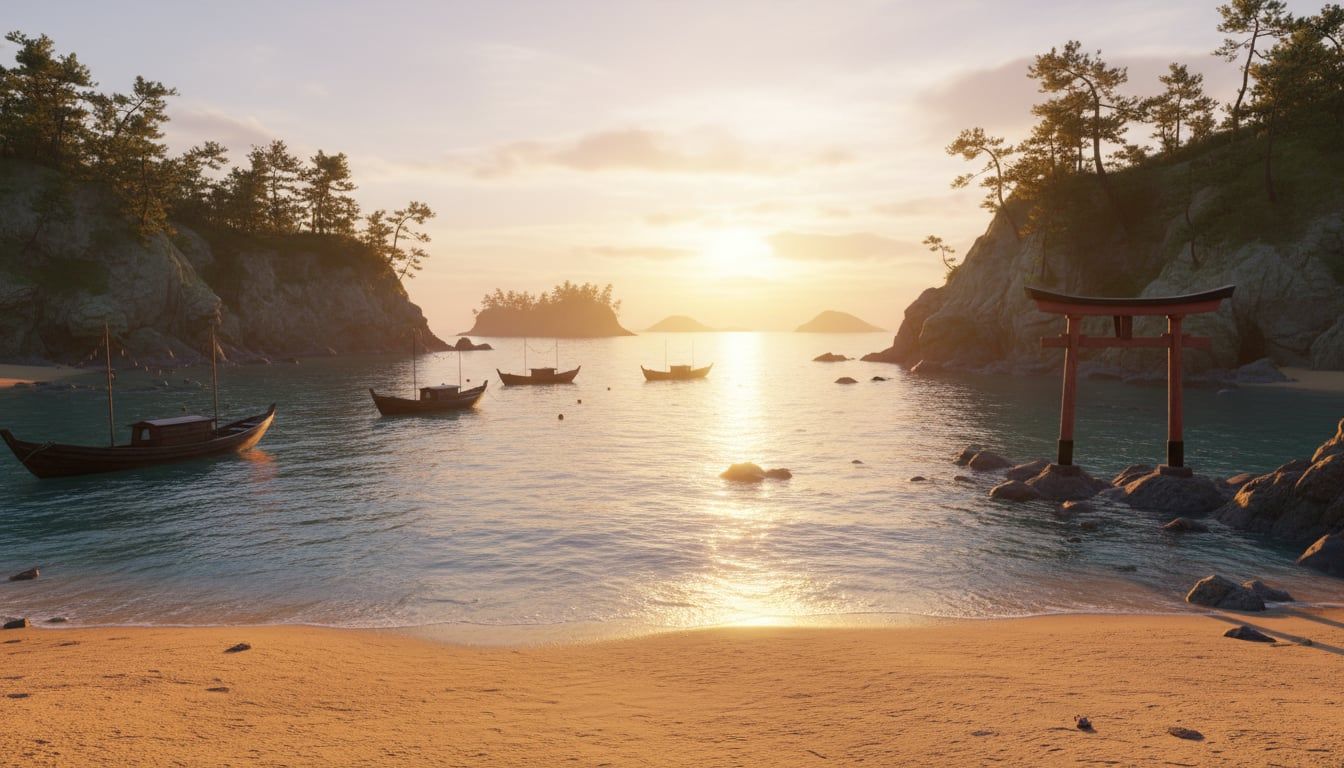
If you are making only one beach trip from Osaka, make it Shirahama. This is the standout option in Kansai — a genuine white-sand beach (the name literally means "white beach") with some of the cleanest, most inviting water in the region, backed by a historic onsen town.
Getting there: From Tennoji Station in Osaka, take the JR Kuroshio limited express train direct to Shirahama Station. The journey takes approximately 2 hours and 20 minutes. This is one of those train rides that earns its ticket price — the route passes through the mountains of Wakayama before arriving at the coast. Trains run several times a day and the express service is comfortable. From Shirahama Station, take a local bus (about 15 minutes) or taxi to Shirahama Beach itself. Budget the better part of a day for this one.
What to expect: The main swimming beach, Shirasuna, is a broad arc of fine white sand flanked by dramatic rock formations and fronted by remarkably clear, blue-green water. The contrast is startling if you arrive directly from the grey-toned shores of Osaka Bay. Beach houses operate throughout the summer season with all standard facilities, and the area has been a leisure destination for over 1,300 years, which means the tourist infrastructure is well-developed without feeling sterile.
The surrounding town of Shirahama is a traditional onsen resort. After a day on the beach, you can walk to one of several public outdoor baths (rotenburo) that sit directly on the rocky coastline — Sakino-yu and Tsutsui-onsen are famous examples where you bathe in natural hot spring water a few meters from the ocean. This combination of beach and onsen is unusual and genuinely memorable.
Facilities: Full beach house facilities, showers, restaurants, cafes, convenience stores, and multiple onsen bathing options nearby.
Best time to visit: July and August for swimming. The beach gets busy but Shirahama handles crowds better than urban beaches due to its scale. Arriving by the first morning train and heading back on a late afternoon service is the best strategy.
Practical Tips for Beach Day Trips from Osaka
Using Tennoji as your base: If you are staying in or around the Tennoji area of Osaka, you are in a particularly convenient position. Tennoji Station is a major JR hub on the Hanwa Line heading south toward Wakayama, meaning the express trains to Shirahama depart from here. It also connects easily to the Hanshin and Hankyu lines heading west toward Kobe and Suma. Most beach trips start more smoothly from Tennoji than from Umeda or Namba.
Train versus car: For Shirahama and the Kobe beaches, the train is the better option — you avoid expressway tolls and parking fees, and you can drink freely after your beach day. Awaji Island is the exception where having a car unlocks significantly more flexibility, since bus service to the smaller western coast beaches is limited. If you are renting a car specifically for Awaji, the drive from Osaka via the Akashi Kaikyo Bridge is about 90 minutes.
Weekdays over weekends: Japanese beaches in summer are genuinely packed on weekends and public holidays. If your schedule allows any flexibility, a Tuesday or Wednesday visit will give you significantly more space and shorter queues for showers and beach house rentals.
Beach houses (umi no ie): These seasonal rental shacks are a core part of Japanese beach culture and are worth using rather than hauling everything yourself. A standard set of umbrella, two deck chairs, and a mat runs around 2,000 to 3,000 yen. Showers typically cost 200 to 300 yen separately. Most beach houses also serve food and cold drinks, so you can travel light.
What to bring: Reef-safe sunscreen is good practice on any Japanese beach, and you will need it — the summer sun in Kansai is intense. A UV-protection rash guard is standard swimwear here and provides better protection than sunscreen alone. Most Japanese beach-goers cover up between swims rather than baking in direct sun. Bring cash, as many beach house facilities do not accept cards. A dry bag for your phone is a small investment worth making.
Beach rules and etiquette: Japanese beaches have specific rules that differ from beaches in other countries. Many beaches prohibit glass bottles. Trash rules are strict — most beaches have no public bins, so you are expected to take your rubbish home or to a designated collection point. Beach BBQs are popular at certain designated areas, particularly on Awaji Island, but you cannot simply set up a grill anywhere on the sand. Check in advance whether BBQ is permitted at your chosen beach and whether equipment rental is available. Finally, some beaches have rules about removing sand or collecting shells — look for posted signs at the entrance.
Sun protection in Japan: Japanese pharmacies and convenience stores stock a wide range of high-SPF sunscreen products, often at better prices than imported alternatives. The popular Anessa and Allie brands are widely available and highly rated. Stock up before heading out; prices at beach-side stalls are higher.
The beaches around Osaka are not a secret, and summer weekends will remind you of that. But with a little planning — an early start, a weekday if possible, and the right beach for the distance you want to travel — a genuinely good beach day is very much on the table from one of Japan's most landlocked-feeling great cities.
Frequently Asked Questions
Which is the best beach day trip from Osaka?
Shirahama Beach in Wakayama Prefecture is highlighted as the standout option in Kansai, offering genuine white sand and some of the cleanest water in the region. It is backed by a historic onsen town, providing a unique combination of beach and hot spring experiences.
How far are the closest beaches from Osaka?
Nishikinohama Beach in Osaka Prefecture is the nearest proper swimming beach, taking about 45 minutes total travel time from central Osaka. Suma Beach near Kobe is also very accessible, about 30-40 minutes from Osaka.
Can I visit these beaches from Osaka without a car?
Yes, all the beaches mentioned in this guide—Nishikinohama, Suma, Awaji Island beaches, and Shirahama—are reachable without a car using public transport like trains and buses.
What facilities can I expect at beaches near Osaka?
During the official swimming season (typically July-August), most beaches feature "umi no ie" (beach houses) that rent out deck chairs, parasols, shower facilities, and beach gear. They also sell food and cold drinks.
When is the best time to visit beaches from Osaka for swimming?
The official swimming season for most beaches in the region runs from late July through mid-August. Visiting during this window ensures lifeguards are on duty and beach facilities are open.
Which beach near Osaka has the cleanest water?
Shirahama Beach in Wakayama boasts some of the cleanest, most inviting water in the region, with a clear, blue-green hue. Awaji Island beaches also offer noticeably cleaner water than the urban options closer to Osaka Bay.