From budget backpacker to luxury traveler — real daily costs for food, transport, accommodation, and activities in Japan.
How Much Does Japan Actually Cost?
Japan has a reputation for being expensive, but the reality is more nuanced than you might expect. With the yen hovering at historically favorable exchange rates for most Western currencies, 2026 is actually one of the most affordable times to visit in recent memory. Whether you are stretching every yen or treating yourself to premium experiences, this guide breaks down what you will really spend.
All prices below are in Japanese yen. As a rough reference, 1 USD is approximately 150 yen (check current rates before your trip).
Daily Budget Tiers
Budget Traveler: 8,000-12,000 yen/day
This tier is absolutely doable if you are comfortable with hostels, enjoy convenience store food (which is genuinely good in Japan), and stick to local trains. You will still have an incredible trip — many of Japan's best experiences, like walking through shrine grounds, exploring neighborhoods, and soaking in the atmosphere, are completely free.
Mid-Range Traveler: 15,000-25,000 yen/day
The sweet spot for most visitors. You get a private room in a clean business hotel, eat at proper sit-down restaurants, and can visit several paid attractions each day without worrying about the cost. This is where Japan's value really shines.
Comfort Traveler: 30,000-50,000 yen/day
At this level, you are staying in ryokan with kaiseki dinners, taking taxis when your feet get tired, and enjoying premium experiences like private tea ceremonies or high-end sushi counters. Japan does luxury exceptionally well, and it often costs less than equivalent experiences in other countries.
Accommodation
Accommodation is typically your biggest daily expense, but Japan offers excellent options at every price point.
- Capsule hotels: 3,000-4,000 yen. Surprisingly comfortable, clean, and a uniquely Japanese experience. Many now cater specifically to tourists with larger pods and luggage storage.
- Hostels: 3,000-5,000 yen for a dorm bed. Quality is generally high, and many have excellent common areas for meeting fellow travelers.
- Airbnb / vacation rentals: 4,000-8,000 yen per person. Great value for groups or families. You also get a kitchen, which can save money on meals.
- Business hotels: 6,000-12,000 yen. The backbone of mid-range travel in Japan. Rooms are small but impeccably clean, and breakfast is often included.
- Ryokan (traditional inn): 15,000-40,000 yen. Often includes dinner and breakfast, which changes the value calculation significantly. A one or two night ryokan stay is worth budgeting for.
Prices vary by city and season. Tokyo and Kyoto during cherry blossom season (late March to mid-April) can see rates double.
Food
This is where Japan delivers extraordinary value. You can eat remarkably well without spending much at all.
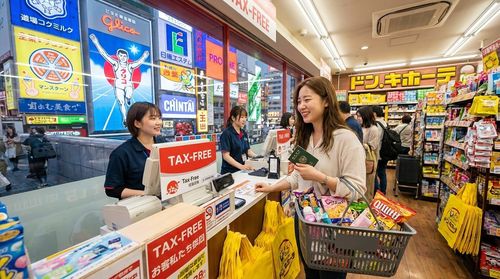
- Convenience store meals: 500-800 yen. Onigiri, sandwiches, bento boxes, and hot snacks from 7-Eleven, Lawson, or FamilyMart are fresh and tasty. No shame in eating konbini meals daily — many locals do.
- Ramen, udon, curry shops: 800-1,200 yen. A full, satisfying bowl of ramen rarely costs more than 1,000 yen, even at popular shops.
- Set meals (teishoku): 800-1,200 yen. Lunch sets at local restaurants are a fantastic deal, often including rice, miso soup, pickles, and a main dish.
- Sushi restaurants: 2,000-5,000 yen. Conveyor belt sushi (kaiten-zushi) starts around 2,000 yen for a filling meal. Mid-range omakase runs 4,000-5,000 yen.
- High-end dining: 10,000 yen and up. Michelin-starred restaurants in Japan are famously affordable compared to their counterparts in New York or Paris.
Pro tip: Osaka is noticeably cheaper than Tokyo for food, especially street food and casual dining. The saying "kuidaore" (eat until you drop) exists for a reason — Osaka's food scene is both incredible and affordable.
Transport
Getting around Japan is efficient but can add up quickly if you are not strategic.
- IC card (Suica/ICOCA) single rides: 200-400 yen. Tap-and-go on trains, buses, and even vending machines.
- City day passes: 800-1,000 yen. Available in Tokyo, Osaka, Kyoto, and other cities. Worth it if you plan three or more rides in a day.
- Shinkansen (bullet train): Tokyo to Osaka is roughly 14,000 yen one way. Fast and comfortable, but expensive for short trips.
- JR Pass: The nationwide pass was repriced in 2023 and is no longer the automatic choice it once was. A 7-day pass costs 50,000 yen. Do the math for your specific itinerary — it only pays off if you are taking multiple long-distance shinkansen rides. Regional passes (like the JR Kansai Pass) often offer better value.
- Highway buses: 2,000-5,000 yen for intercity routes. Overnight buses from Tokyo to Osaka start around 3,500 yen and save you a night of accommodation.
Activities and Attractions
Japan is generous with free and low-cost experiences.
- Shrines and temples: Many are free to enter. Those that charge typically ask 300-600 yen.
- Museums: 500-1,500 yen. National museums occasionally offer free admission days.
- Onsen (hot springs): 600-1,500 yen for public baths. One of the best-value experiences in the country.
- Day trips and experiences: Tea ceremonies (1,500-3,000 yen), cooking classes (4,000-8,000 yen), kimono rental (3,000-5,000 yen).
Money-Saving Tips
- Eat at convenience stores and supermarkets for at least one meal a day. Evening supermarket visits offer discounted bento boxes and sushi.
- Explore free attractions: Meiji Shrine, Senso-ji grounds, Fushimi Inari, most parks and gardens, and simply walking through neighborhoods like Yanaka, Shimokitazawa, or Nakazakicho.
- Use city day passes instead of paying per ride.
- Travel in shoulder season: Late May, June (before heavy rain starts), November, and early December offer lower prices and thinner crowds. Avoid Golden Week (late April to early May), Obon (mid-August), and New Year.
- Book accommodation early for cherry blossom and autumn foliage seasons.
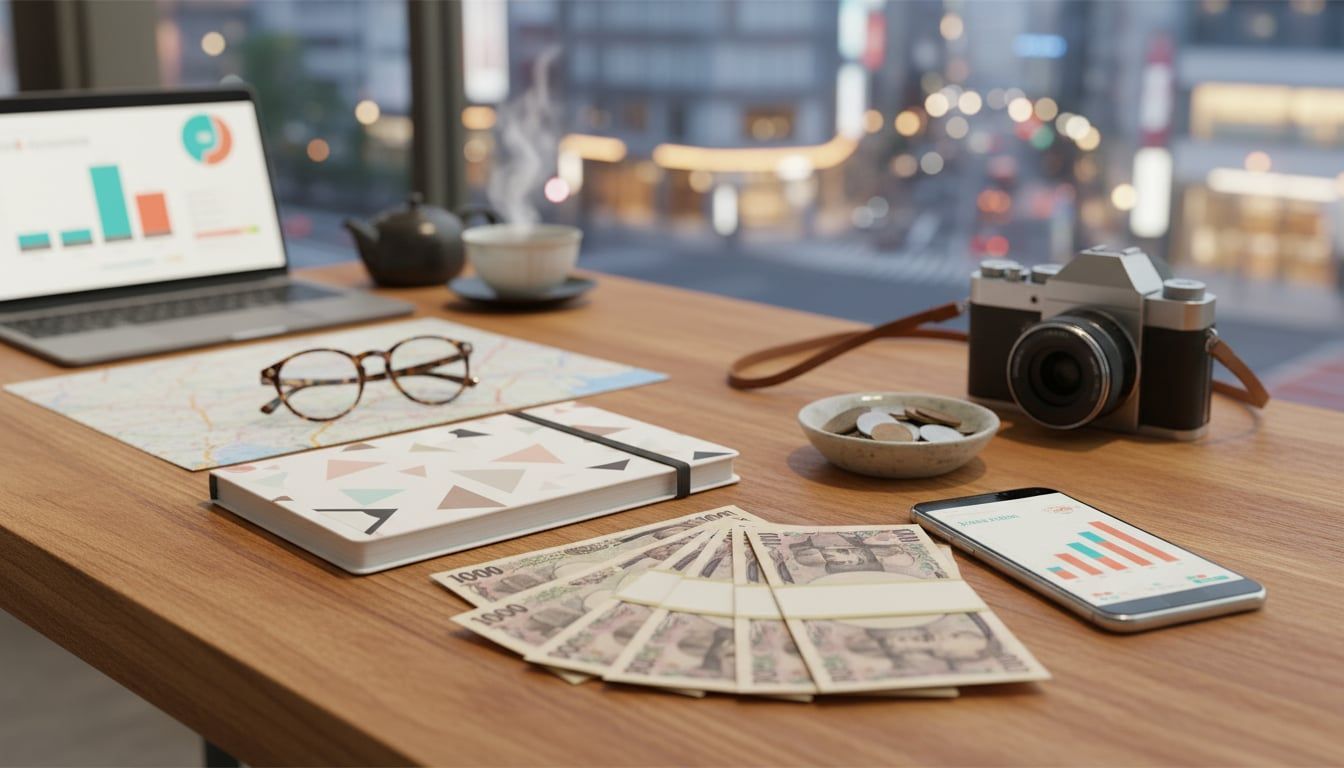
- Carry cash: Many small restaurants and attractions still do not accept cards, and you will avoid ATM fees by withdrawing larger amounts less frequently. 7-Eleven ATMs accept most international cards.
Sample Daily Budgets
Budget (solo traveler): Hostel 3,500 + konbini breakfast 400 + ramen lunch 900 + supermarket dinner 600 + train rides 800 + one temple 500 = roughly 6,700 yen on a light day, 10,000-12,000 yen on a busier one.
Mid-range (couple, per person): Business hotel 4,500 + cafe breakfast 600 + restaurant lunch 1,200 + dinner out 2,500 + day pass 1,000 + two attractions 1,000 = roughly 10,800 yen minimum, realistically 18,000-22,000 yen with extras.
Comfort: Ryokan with meals 30,000 + taxi rides 3,000 + premium experience 5,000 + snacks and drinks 2,000 = 40,000 yen on a splurge day.
The Bottom Line
A two-week trip to Japan can cost anywhere from 150,000 yen (about 1,000 USD) on a strict budget to well over 700,000 yen (about 4,700 USD) in comfort mode. Most travelers land somewhere in the mid-range at around 20,000 yen per day, which gets you a genuinely excellent experience.
The best advice? Do not overthink the budget. Japan rewards curiosity — some of the most memorable moments cost nothing at all.
Frequently Asked Questions
Is Japan expensive to visit in 2026?
The article states that with the yen hovering at historically favorable exchange rates for most Western currencies, 2026 is actually one of the most affordable times to visit Japan in recent memory. Japan's reputation for being expensive is more nuanced than expected.
What is a realistic daily budget for a trip to Japan?
A budget traveler can expect to spend 8,000-12,000 yen per day, while a mid-range traveler typically budgets 15,000-25,000 yen per day. For comfort travel, daily expenses range from 30,000-50,000 yen.
What are the typical accommodation costs in Japan?
Accommodation ranges from 3,000-5,000 yen for hostels and capsule hotels, 4,000-8,000 yen per person for Airbnb, and 6,000-12,000 yen for business hotels. Traditional ryokan can cost 15,000-40,000 yen, often including dinner and breakfast.
How much does food cost in Japan?
You can eat remarkably well for 500-800 yen at convenience stores, 800-1,200 yen for ramen or set meals (teishoku), and 2,000-5,000 yen for sushi. High-end dining starts from 10,000 yen.
Is the JR Pass still worth buying for Japan travel?
The JR Pass was repriced in 2023 and is no longer an automatic choice; it only pays off if your itinerary includes multiple long-distance shinkansen rides. Regional passes often offer better value for specific areas.
What are some good money-saving tips for Japan?
To save money, eat at convenience stores and supermarkets, explore free attractions like shrines and parks, and use city day passes for transport. Traveling in shoulder season and booking accommodation early can also reduce costs.