You don't need to speak Japanese to travel Japan — but these 50 phrases will transform your experience. With pronunciation guide.
You Don't Need to Be Fluent
Here is the truth: millions of tourists visit Japan every year without speaking a word of Japanese, and they have an incredible time. Signs in major cities are bilingual, train stations have English announcements, and restaurant menus often include photos.
But learning even a handful of Japanese phrases changes everything. Staff light up when you try. Doors open — sometimes literally. A simple "arigatou gozaimasu" at a convenience store can turn a transaction into a genuine human moment.
Japanese people deeply appreciate any effort to speak their language. You will never be laughed at for trying. You will only be encouraged.
Quick Pronunciation Guide
Japanese pronunciation is refreshingly consistent. Once you learn the five vowel sounds, you can read any romaji (romanized Japanese) out loud:
- a = "ah" (as in "father")
- i = "ee" (as in "meet")
- u = "oo" (as in "food")
- e = "eh" (as in "pet")
- o = "oh" (as in "go")
Every syllable gets roughly equal stress. "A-ri-ga-tou" has four even beats. Do not rush through syllables the way English tends to — give each one its moment.
Greetings and Basics
These five phrases will carry you through 80% of daily interactions.
- Konnichiwa (kohn-nee-chee-wah) — "Hello." The universal daytime greeting. Works anywhere, anytime between late morning and evening.
- Sumimasen (soo-mee-mah-sen) — "Excuse me / I'm sorry." This is arguably the single most useful word in Japan. Use it to get attention, apologize for bumping someone, or flag down a waiter.
- Arigatou gozaimasu (ah-ree-gah-toh go-zah-ee-mahs) — "Thank you very much." The full version shows respect. For casual situations, "arigatou" alone works fine.
- Onegaishimasu (oh-neh-guy-shee-mahs) — "Please." Attach it to any request. Pointing at a menu item and saying "onegaishimasu" is a complete, polite order.
- Ohayou gozaimasu (oh-hah-yoh go-zah-ee-mahs) — "Good morning." Use it at your hotel, at breakfast spots, or when entering a shop before noon.
At Restaurants
Dining is one of the greatest joys of traveling Japan. These phrases make it even better.
- Itadakimasu (ee-tah-dah-kee-mahs) — Said before eating. It means "I humbly receive." Say it with hands together and you will see smiles from staff and fellow diners.
- Gochisousama deshita (go-chee-soh-sah-mah deh-shee-tah) — Said after eating. It means "That was a feast." Say it when leaving — the chef will beam.
- Kore kudasai (koh-reh koo-dah-sigh) — "This one, please." Point at a menu item or a dish in a display case and say this. Problem solved.
- Okanjo kudasai (oh-kahn-joh koo-dah-sigh) — "The check, please." In many restaurants you take a slip to the register, but this phrase works when you need to ask.
- Oishii (oy-shee) — "Delicious!" Say it with genuine feeling and you will make a chef's day. One of the most rewarding words to use.
- Osusume wa nan desu ka (oh-soo-soo-meh wah nahn des kah) — "What do you recommend?" Perfect for izakayas and local restaurants where you want to try the specialty.
- Biiru kudasai (bee-roo koo-dah-sigh) — "Beer, please." Straightforward and effective.
- Omizu kudasai (oh-mee-zoo koo-dah-sigh) — "Water, please." Most restaurants serve it free, but this helps if it does not arrive automatically.
Shopping
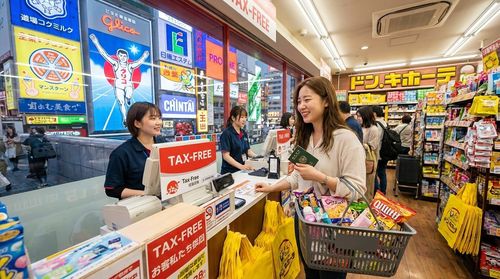
- Ikura desu ka (ee-koo-rah des kah) — "How much is this?" Essential at markets, souvenir shops, and street food stalls.
- Kore wa nan desu ka (koh-reh wah nahn des kah) — "What is this?" Useful at food markets when you spot something intriguing but unidentifiable.
- Kado de onegaishimasu (kah-doh deh oh-neh-guy-shee-mahs) — "By card, please." Japan is increasingly cashless, especially in cities.
- Genkin de onegaishimasu (gehn-keen deh oh-neh-guy-shee-mahs) — "Cash, please." Some small shops and rural spots still prefer cash.
- Fukuro wa irimasen (foo-koo-roh wah ee-ree-mah-sehn) — "I don't need a bag." Plastic bags now cost extra in Japan. Staff will appreciate hearing this.
Directions and Transit
- Eki wa doko desu ka (eh-kee wah doh-koh des kah) — "Where is the station?" Replace "eki" with any destination: "toire" (toilet), "hoteru" (hotel), "konbini" (convenience store).
- Hidari (hee-dah-ree) — "Left."
- Migi (mee-gee) — "Right."
- Massugu (mahs-soo-goo) — "Straight ahead."
- Koko (koh-koh) — "Here." Useful when pointing at a map or telling a taxi driver your destination.
- Kippu (keep-poo) — "Ticket." Helpful at smaller stations without English ticket machines.
- Sumimasen, kono densha wa [place] ni ikimasu ka? — "Excuse me, does this train go to [place]?" Replace [place] with your destination name.
Emergency and Help
Hopefully you will never need these, but knowing them provides peace of mind.
- Tasukete (tah-soo-keh-teh) — "Help!" For urgent situations.
- Byouin (byoh-een) — "Hospital."
- Keisatsu (kay-saht-soo) — "Police."
- Kusuri (koo-soo-ree) — "Medicine." Useful at pharmacies (look for the green cross sign).
- Eigo o hanasemasu ka (ay-go oh hah-nah-seh-mahs kah) — "Do you speak English?" Polite way to ask before launching into English.
- Emergency number: 110 for police, 119 for fire and ambulance. Operators can connect English interpreters.
At Hotels and Accommodation
- Chekku-in onegaishimasu (check-oo-een oh-neh-guy-shee-mahs) — "Check-in, please."
- Chekku-auto onegaishimasu (check-oo-ah-oo-toh oh-neh-guy-shee-mahs) — "Check-out, please."
- WiFi no pasuwaado wa nan desu ka (why-fy noh pah-soo-wah-doh wah nahn des kah) — "What is the WiFi password?"
- Kagi (kah-gee) — "Key." Point to your room and say "kagi" if you have been locked out.
- Ofuro (oh-foo-roh) — "Bath." Useful at ryokans and onsen hotels.
- Kuukou made onegaishimasu (koo-koh mah-deh oh-neh-guy-shee-mahs) — "To the airport, please." Say this to a taxi driver on your last day.
Polite Phrases That Impress Locals
These go beyond survival. Using them signals cultural awareness and genuine respect.
- Ojama shimasu (oh-jah-mah shee-mahs) — "I'm intruding." Say it when entering someone's home, a small shop, or a ryokan room. It shows humility.
- Otsukaresama desu (oh-tsoo-kah-reh-sah-mah des) — "You've worked hard." A phrase of appreciation you can use when staff have gone out of their way for you.
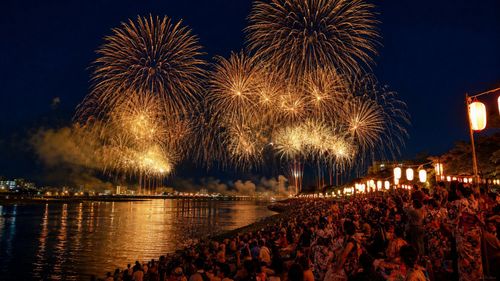
- Sugoi (soo-goy) — "Amazing!" A natural exclamation when you see something impressive. Works everywhere from temples to fireworks.
- Kawaii (kah-wah-ee) — "Cute!" Japan has an entire culture built around cuteness. Using this word correctly earns instant cultural points.
- Daijoubu desu (dye-joh-boo des) — "I'm fine / It's okay." Useful when someone asks if you need help and you are managing on your own.
- Mata kimasu (mah-tah kee-mahs) — "I'll come again." Say this when leaving a restaurant or shop you loved. It is one of the kindest things a customer can say.
Tech Tools as Backup
You do not need to memorize everything. Modern tools fill the gaps beautifully.
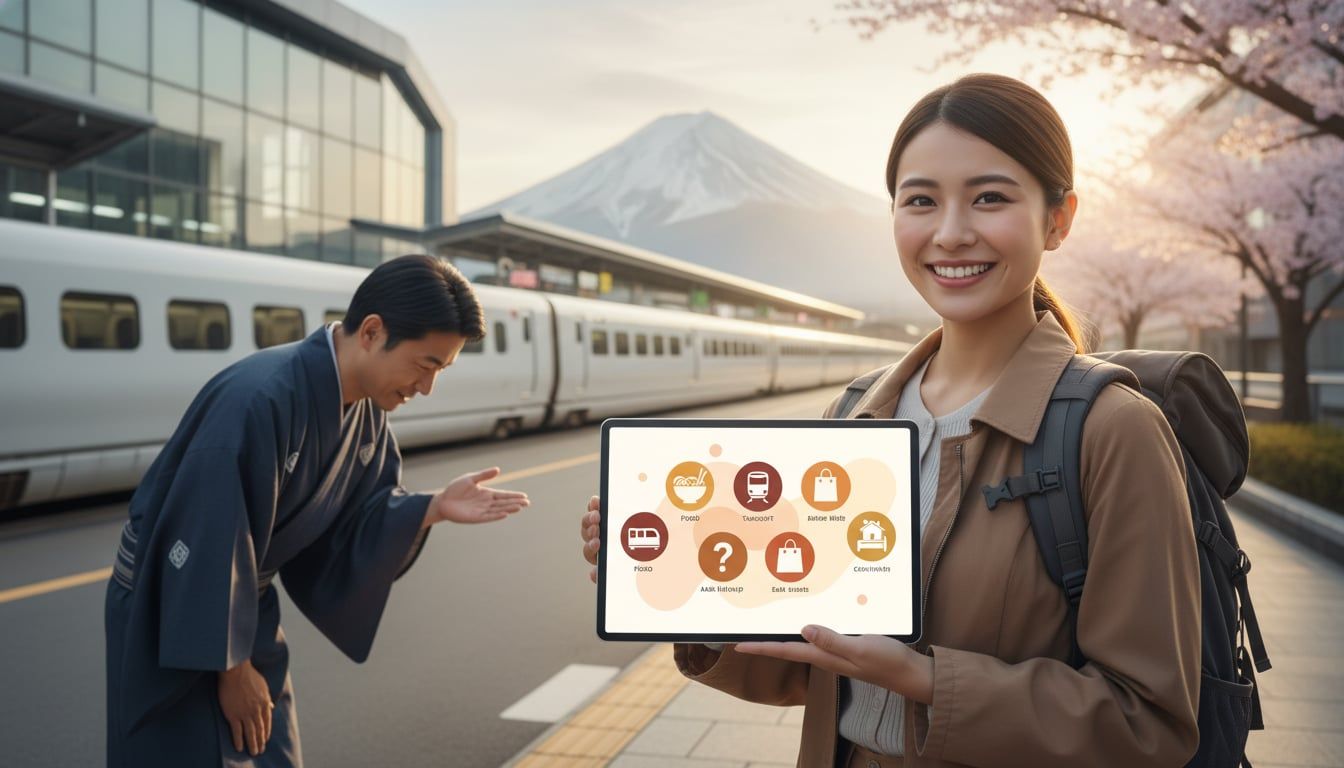
Google Translate has a camera mode that translates Japanese text in real time — just point your phone at a menu, sign, or label. It is not perfect, but it handles about 70% of situations well enough. Download the Japanese language pack offline before your trip.
Papago by Naver is particularly strong for Korean-to-Japanese translation and is popular among Korean tourists visiting Japan.
Google Maps in Japan is exceptionally accurate for transit directions, including real-time delays and platform numbers. Set it to English and trust it completely.
The Golden Rule
You will make mistakes. You will mispronounce things. You might accidentally use a casual phrase in a formal setting. None of that matters.
What matters is this: you tried. In Japan, the effort itself is the message. A stumbling "arigatou gozaimasu" with a genuine smile communicates more warmth than perfect silence ever could.
So take these phrases, practice a few on the plane, and watch what happens when you use them. Japan will welcome you even more warmly than it already does — and that is saying something.
Frequently Asked Questions
Do I need to be fluent in Japanese to travel there?
No, millions of tourists visit Japan every year without speaking a word of Japanese and have an incredible time. Signs in major cities are bilingual, train stations have English announcements, and restaurant menus often include photos. However, learning even a handful of Japanese phrases can significantly enhance your experience and is deeply appreciated by locals.
What are the most important basic Japanese phrases for tourists?
The five most essential phrases are Konnichiwa (Hello), Sumimasen (Excuse me / I'm sorry), Arigatou gozaimasu (Thank you very much), Onegaishimasu (Please), and Ohayou gozaimasu (Good morning). These phrases can carry you through 80% of daily interactions.
How do I pronounce Japanese words correctly?
Japanese pronunciation is very consistent. Once you learn the five vowel sounds (a=ah, i=ee, u=oo, e=eh, o=oh), you can read any romaji word. Remember that every syllable gets roughly equal stress, so give each one its moment rather than rushing.
What Japanese phrases are helpful when dining out?
Key phrases for dining include Itadakimasu (before eating), Gochisousama deshita (after eating), Kore kudasai (This one, please), Okanjo kudasai (The check, please), and Oishii (Delicious!). You can also ask "Osusume wa nan desu ka?" to inquire about recommendations.
What digital tools can help with language in Japan?
Google Translate offers a camera mode to translate Japanese text in real-time, and it's recommended to download the Japanese language pack offline before your trip. Google Maps is also exceptionally accurate for transit directions, including real-time delays and platform numbers.