Japan's Rooftop Beer Gardens: Your Complete Guide to Nomihoudai Under the Stars
May 8, 2026
All-you-can-drink on a rooftop — Japan's summer beer gardens are a tradition you need to experience. Prices, tips, best spots.
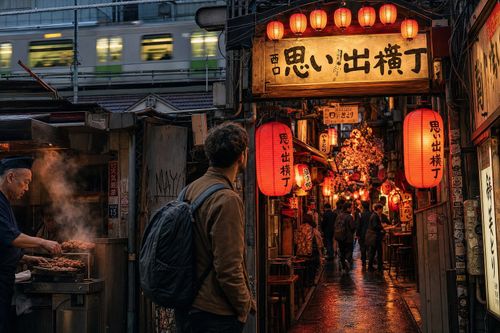
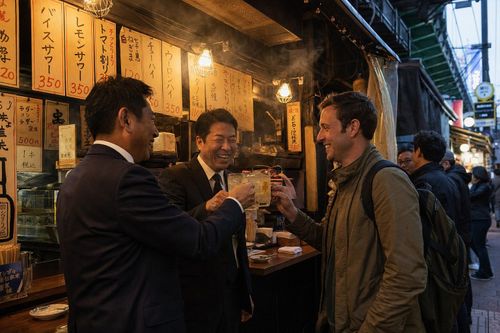
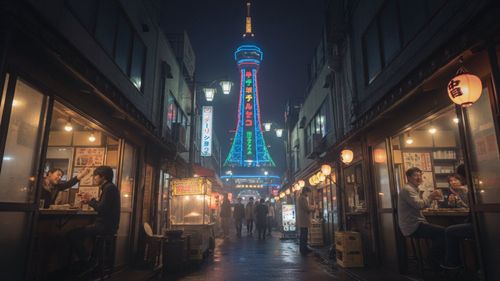
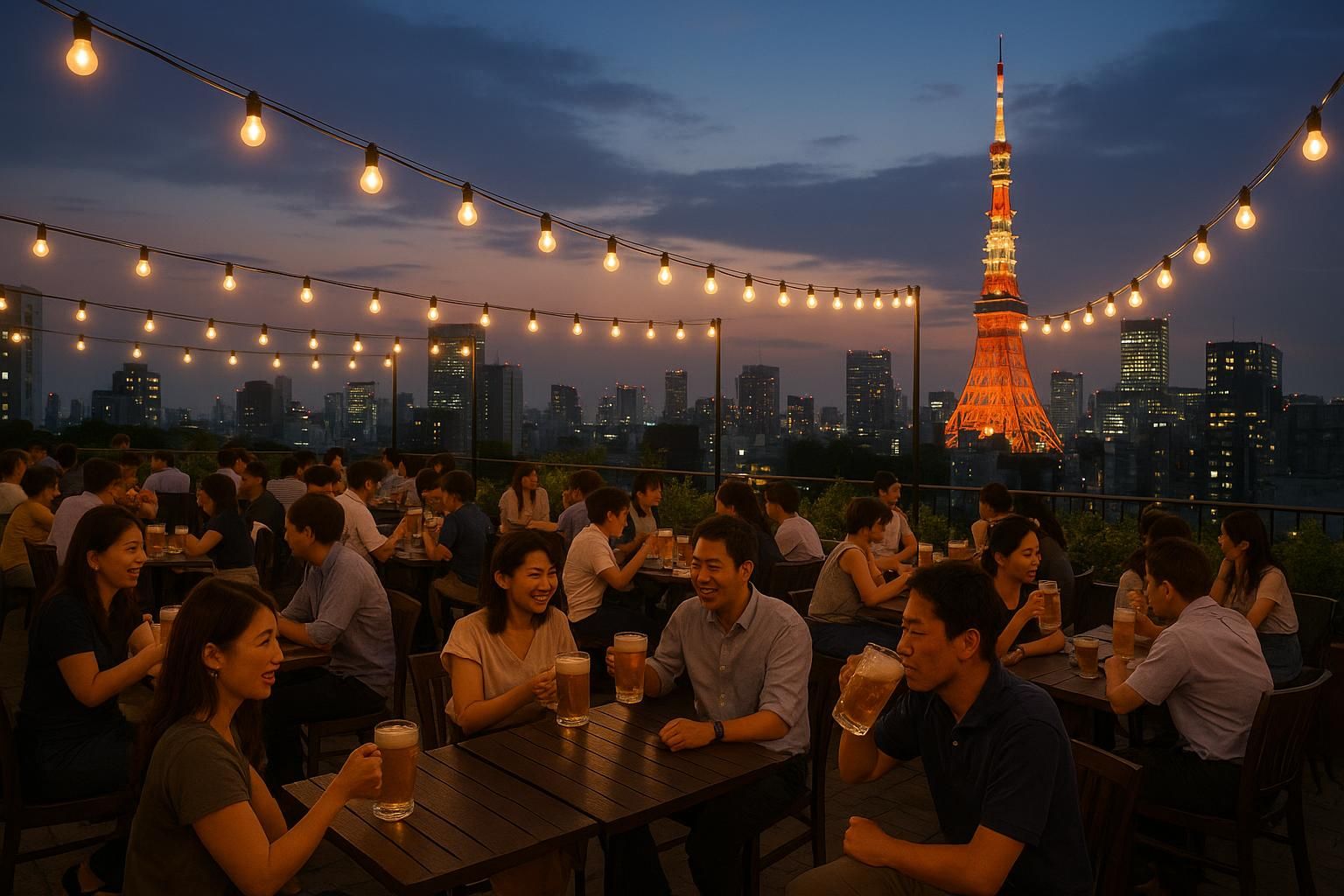
 Image for illustrative purposes only.
Summer in Japan is humid, relentless, and genuinely spectacular if you know where to spend it. Once the rainy season clears around late June, a particular kind of venue opens up across the country: the rooftop beer garden. Department stores roll out the tables. Hotels unlock their terraces. Even standalone restaurants push through the fire door and claim the roof.
From May through September, the skies above Japan's cities fill with the sound of glasses clinking and the word "kanpai" — the Japanese toast — ringing out over and over into the warm night. This is one of the great underrated summer experiences in Japan, and most short-term visitors never discover it.
This guide covers everything you need to know: how the system works, what to expect, what things cost, and where to find the best rooftop beer gardens in Osaka and Tokyo.
What Is a Beer Garden in Japan?
The Japanese beer garden (ビアガーデン, biagaaden) bears almost no resemblance to the European concept of the same name. There are no chestnut trees. There is no gravel. What you get instead is a rooftop or open-air terrace — typically on top of a department store, hotel, or restaurant building — transformed for the season into an outdoor drinking and eating venue.
The setup is usually simple: long communal tables, plastic chairs or benches, strings of lights overhead, and the open sky. The view depends on the building. Rooftops in central Osaka or Tokyo can offer genuinely impressive cityscape panoramas. A department store in a smaller city might overlook a train station car park. The quality of the view is not really the point.
What matters is the feeling: the heat finally becoming bearable at 6 PM, a cold draft beer in your hand, your colleagues or friends packed around the same table, and the unspoken agreement that the night belongs to nobody's calendar.
Beer gardens are fundamentally a social institution. They exist for after-work gatherings, end-of-project parties, summer reunions, and casual Friday evenings that stretch further than planned. The Japanese office culture that powers so much of city life finds one of its most relaxed expressions here.
How Nomihoudai and Tabehoudai Work
The system that makes beer gardens so appealing to visitors is nomihoudai (飲み放題), which means "all you can drink." Many venues also offer tabehoudai (食べ放題), the all-you-can-eat equivalent, and often sell these together as a combined package.
Here is how it typically works. When you arrive, you choose a course: usually a two-hour nomihoudai plan priced somewhere between 3,000 and 5,000 yen per person, depending on the venue and what is included. Some higher-end hotel rooftops charge up to 6,000 or 7,000 yen but compensate with better food and a wider drink menu.
Within your time window, you order as much as you like. At most beer gardens, ordering is done by flagging down a staff member or filling out a paper slip at the table. You are expected to keep ordering and drinking at a reasonable pace — the venue wants the table to feel festive, not like a library.
The clock starts when your first drink arrives. When the time is up, a staff member will let you know politely. There is no pressure to leave immediately, but ordering stops.
What to know before you sit down:
- Confirm the time limit when you book or arrive. Two hours is standard; some venues offer 90-minute or three-hour options.
- All-you-can-drink plans almost always require the entire table to participate. You cannot mix one person on the plan with another ordering a la carte.
- Nomihoudai plans sometimes exclude premium items like whisky highballs or craft beer. Check what the plan covers.
- Some venues add a small table charge (席料, sekiryou) of 500-1,000 yen per person, separate from the main plan.
What Is Served
Draft beer is the centerpiece. The major Japanese lager brands — Sapporo, Asahi, Kirin, and Suntory — all produce their own beer garden seasons and often host sponsored events. Cold, reliably poured draft beer is essentially guaranteed.
Beyond beer, nomihoudai menus typically include:
Drinks:
- Chu-hai (チューハイ) — shochu mixed with soda and fruit flavors like lemon, grapefruit, or lime. Light, refreshing, and very drinkable. A Japanese summer staple.
- Highballs — whisky and soda, usually Suntory Kakubin or similar.
- Soft drinks and non-alcoholic options for designated drivers or those who simply want something cold.
- Umeshu (plum wine) sodas, occasionally wine.
Food: Beer garden menus lean heavily toward snacking and sharing. You will typically find edamame, karaage (fried chicken), french fries, yakitori skewers, pizza, and various fried appetizers. The more premium the venue, the better the food: hotel rooftops often serve proper grilled meats, seafood, and salads.
Many beer gardens specifically offer BBQ (バーベキュー, baabekyuu) as a feature. Tabletop grills arrive at your table and you cook your own meat and vegetables as you drink. This is a genuinely fun experience if you have a group and want the evening to be an event rather than just drinks.
Food quality at budget beer gardens is honest rather than ambitious — think convenience-store level snacks with a markup. The draw is the atmosphere, not the kitchen. If food matters to you, research the specific venue in advance.
The Atmosphere and the Kanpai Culture
Japan has an elaborate culture of communal toasting. Every round of drinks at a beer garden begins with a kanpai (乾杯), and the ritual is taken seriously even in the most casual setting. You wait until everyone at the table has a drink in hand, make eye contact as the glasses meet (not doing this is considered slightly rude), and say "kanpai" together.
At a beer garden, this happens repeatedly throughout the evening. New rounds, new arrivals, the conclusion of a speech — anything can trigger a kanpai. Joining in is easy and always welcome, even if you are at a table of strangers.
The atmosphere at beer gardens is reliably warm and uninhibited by Japanese social standards. The combination of open air, a time limit, and the permission structure of the nomihoudai format tends to relax the usual office-culture formality. Groups get louder as the evening progresses. This is exactly what the venue is designed for.
Beer gardens are also an excellent place to observe one of Japan's most visible social dynamics: the transformation of the after-work group. The same people who were perfectly formal at their desks at 5 PM will be laughing, refilling each other's glasses, and calling each other by first name two hours later. As a visitor, you are watching something genuinely Japanese.
How to Find Beer Gardens
The most reliable location for a rooftop beer garden is the top floor of a major department store. In Osaka and Tokyo, almost every large depato (デパート) runs a seasonal beer garden on its roof from late May through September, weather permitting. Look for rooftop signs as you exit an elevator on the top floor.
Hotels are the other main source, particularly city hotels with open terraces or unused rooftop space. These tend to be slightly more upscale, with better food and quieter ambience.
Standalone beer garden venues and park-adjacent gardens also operate in larger cities. Some parks host corporate-sponsored beer garden events that run for the entire summer season.
Practical tips for finding one:
- Search Google Maps for "ビアガーデン" plus your city name, or "beer garden [city]."
- Check the website of any major department store you walk past in summer — the beer garden will be listed under summer seasonal events.
- Ask your hotel front desk. They will almost certainly know the closest option.
- Opening hours vary but most beer gardens run from approximately 5 PM to 10 PM. Some open for lunch in high summer.
Best Beer Gardens in Osaka
Osaka is arguably the best city in Japan for beer gardens, because it combines the density of a major city with the Osakans' famous enthusiasm for eating, drinking, and having a good time. The concept fits the city perfectly.
Kintetsu Department Store, Abeno Harukas (Tennoji/Abeno area) The rooftop of the Kintetsu Department Store in Abeno, directly below Japan's tallest skyscraper Abeno Harukas, is one of the most memorable beer garden locations in the country. You are drinking under the tower, with the entire Tennoji and Osaka skyline spread around you. The Tennoji and Abeno area is also one of the most interesting neighborhoods in Osaka for exploring before your reservation — Shitennoji Temple, Shinsekai's retro streets, and the observation deck at Harukas 300 are all within walking distance.
Hilton Osaka Beer Garden The Hilton Osaka, near Osaka Station, runs a polished rooftop beer garden with better-than-average food and a sophisticated atmosphere. Prices are higher than a department store option but the surroundings justify it for a special evening.
Osaka Station City / Lucua Rooftop The area around JR Osaka Station has multiple department stores with summer rooftop venues. The Lucua rooftop and surrounding buildings compete for summer crowds and frequently offer promotional pricing. Convenient if you are staying near Umeda.
Best Beer Gardens in Tokyo
Tokyo's density means beer gardens are everywhere, but a few locations stand out consistently.
Shinjuku Takashimaya Times Square Rooftop One of the most famous beer garden locations in Tokyo. The Shinjuku Takashimaya rooftop packs in enormous crowds in peak summer, which is either part of the appeal or a reason to arrive when they open at 5 PM to claim a spot. The view over Shinjuku is excellent.
Hotel Chinzanso Tokyo Garden Beer Terrace If you want a beer garden that does not feel like a company party, the garden terraces at Hotel Chinzanso in the Mejiro area offer a quieter, more scenic outdoor drinking experience set in a historic garden. Higher price point, but genuinely beautiful.
Roppongi Hills Rooftop Beer Garden Roppongi Hills runs a seasonal outdoor beer garden that attracts an international crowd alongside Tokyo office workers. The location is convenient for visitors staying in central Tokyo, and the surrounding area gives you dining and evening options if you want to extend the night.
Dress Code and Practical Logistics
Beer gardens are casual. There is no dress code beyond the reasonable expectation that you are not in beachwear. Business casual is perfectly fine straight from the office — which is precisely how most Japanese attendees arrive.
Given the open-air setting and Japanese summer heat, breathable clothing is the practical choice. Women often dress in summer dresses or light blouses; men in shirts with the collar open or polo shirts. The rooftop can be slightly breezy even when the street below is still, so a light layer for later in the evening is worth having.
On reservations: Many beer gardens accept walk-ins, especially early in the evening on weekdays. On Friday and Saturday evenings from late June through August, popular venues fill up quickly. Making a reservation by phone or online at least a few days ahead is advisable for weekend visits or group bookings. Most department store beer gardens have an online reservation link on their seasonal event page.
On timing: Beer gardens are fundamentally an evening activity, but some venues open for a limited lunchtime service. The main energy starts around 6 PM when the work day ends and groups arrive together. If you want a quieter experience, going at opening time on a weekday gives you the setting without the noise.
Beating the Summer Heat, One Round at a Time
Part of what makes the rooftop beer garden such a distinct experience is where it sits in the Japanese summer calendar. July and August in Osaka and Tokyo are genuinely difficult — temperature and humidity combine into something that makes sightseeing feel like effort. The beer garden offers a specific answer to this: stop moving, go somewhere with a breeze, order something cold, and let the city happen around you at a comfortable altitude.
There is something satisfying about watching a Japanese city from a rooftop at 7 PM in August. The streets below are still hot. The neon is starting to come up. Your glass is full and getting cold again. The person across the table is raising it and saying kanpai.
That, more than any specific list of dishes or views, is what a Japanese beer garden is actually for.
Quick Reference
- Season: Late May to mid-September (peak: July and August)
- Typical price: 3,000–5,000 yen per person for 2-hour nomihoudai
- Time limit: 90 minutes to 2 hours (all-you-can-drink period)
- Dress code: Casual; business casual is standard
- Reservations: Recommended for weekends and groups; walk-ins usually fine on weekdays
- Key vocabulary: Nomihoudai (all-you-can-drink), tabehoudai (all-you-can-eat), kanpai (cheers)
Frequently Asked Questions
What is a Japanese beer garden?
Unlike European beer gardens, Japanese biagaaden are typically rooftop or open-air terraces on department stores, hotels, or restaurants, transformed into outdoor drinking and eating venues for the summer season. They feature long communal tables, lights, and offer a social atmosphere for after-work gatherings.
When are rooftop beer gardens open in Japan?
Japanese rooftop beer gardens generally operate from May through September, opening after the rainy season clears around late June. This makes them a popular summer experience under the stars.
How do nomihoudai and tabehoudai plans work at beer gardens?
Nomihoudai means "all you can drink" and tabehoudai means "all you can eat." These plans typically offer a two-hour window where you can order as much as you like, with the entire table usually required to participate.
What kind of food and drinks can I expect at a Japanese beer garden?
Draft beer from major Japanese brands is central, complemented by drinks like chu-hai, highballs, and soft drinks. Food menus often include shareable snacks such as edamame, karaage, french fries, yakitori, and sometimes tabletop BBQ.
Where are the best places to find rooftop beer gardens in Japan?
The most reliable locations are the top floors of major department stores and city hotels with open terraces, particularly in cities like Osaka and Tokyo. You can also search online for "ビアガーデン" plus your city name.