Crispy outside, molten inside — discover why Osaka's takoyaki is Japan's most beloved street food. History, how it's made, and where to eat the best.
There is a saying in Osaka: if you do not have a takoyaki maker at home, are you really from Osaka? That is not a joke. Walk into almost any household in this city and you will find a cast-iron takoyaki pan sitting right next to the rice cooker. These crispy, golden balls of battered octopus are not just street food here — they are a way of life.
Osaka is known as Japan's kitchen, and takoyaki might be its single greatest invention. Crispy on the outside, molten and creamy on the inside, loaded with chunks of tender octopus — once you try the real thing on the streets of Dotonbori or Shinsekai, the frozen supermarket versions back home will never satisfy you again.
Let's explore everything you need to know, from the surprising history to the best shops where locals actually eat.
The Origin Story: Born in 1935
Takoyaki was invented in 1935 by a street vendor named Endo Tomekichi in Osaka's Nishinari ward. He was inspired by an earlier snack called rajioyaki (radio balls), which used beef and konnyaku as filling. Endo had the idea to swap in octopus (tako) instead, and takoyaki was born.
The dish exploded in popularity across Osaka almost immediately. By the postwar era, takoyaki stalls had become fixtures at festivals, train stations, and shopping streets throughout the Kansai region. Today, Osaka alone is estimated to have over 5,000 takoyaki vendors — and the competition keeps the quality remarkably high.
How Takoyaki Is Made
Watching a skilled takoyaki chef work is mesmerizing. The process looks simple, but the timing and technique take years to master.
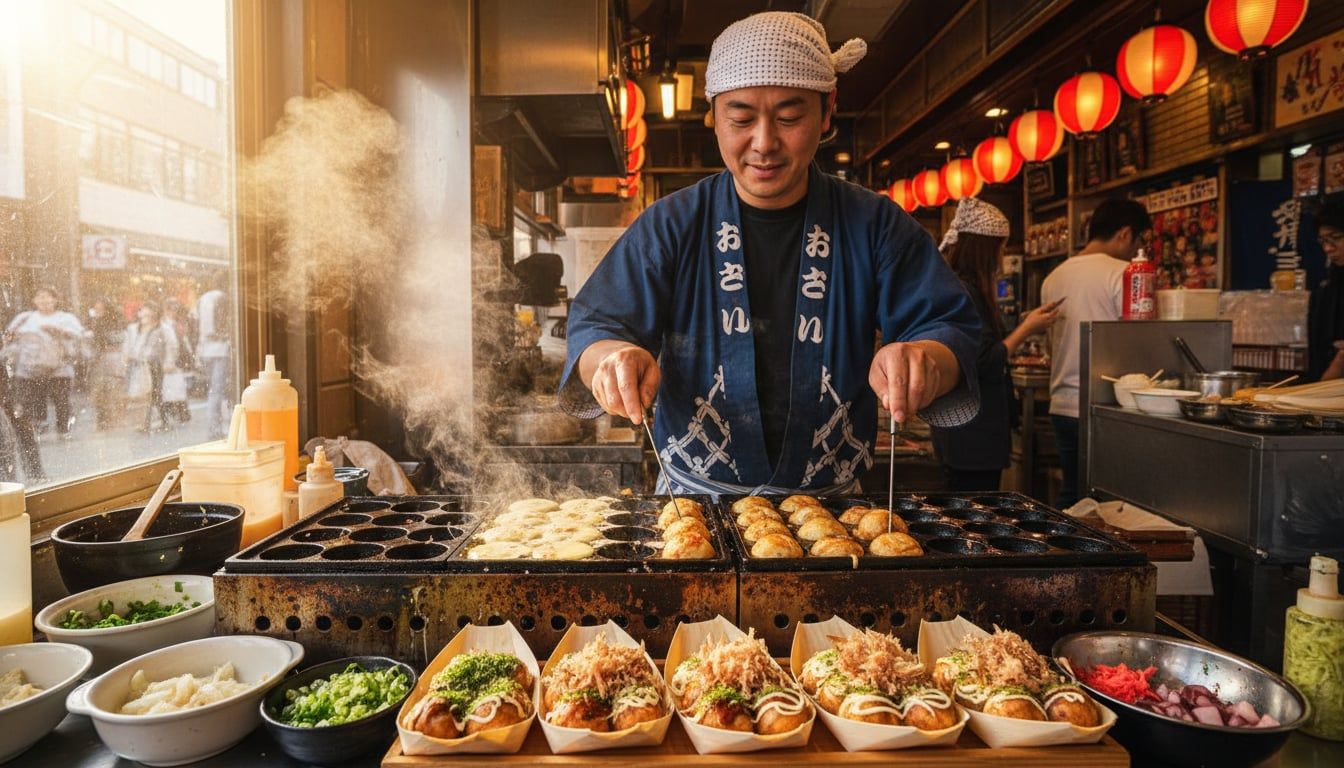
It starts with a thin wheat-flour batter enriched with dashi stock and eggs, poured into a specially designed cast-iron mold with dozens of hemispherical wells. Into each well goes a chunk of boiled octopus, a pinch of tenkasu (crunchy tempura scraps), pickled red ginger, and chopped green onion.
Here is where the magic happens. As the batter sets around the edges, the chef uses slender picks to rotate each ball a quarter turn, folding the liquid batter inward. This rotation happens multiple times until each piece forms a perfect sphere with a crispy shell and a creamy, almost custard-like interior. A great takoyaki chef can manage over a hundred balls simultaneously, turning them in rapid succession without missing a beat.
Toppings and Variations
Classic Osaka Style
The standard topping combination is iconic: a generous brush of thick, sweet-savory takoyaki sauce (similar to Worcestershire but fruitier), a zigzag of Japanese mayonnaise, a snowfall of katsuobushi (dried bonito flakes that dance in the rising heat), and a dusting of aonori (green seaweed powder). This is what most first-timers order, and for good reason — it is perfection.
Ponzu Style
For those who prefer something lighter, many shops offer takoyaki dressed with ponzu, a citrus-soy sauce. No mayo, no heavy sauce — just clean, tangy flavor that lets the dashi-rich batter and octopus shine. This is actually how many Osaka locals prefer their takoyaki.
Mentai Mayo
Spicy cod roe (mentaiko) mixed with mayonnaise, drizzled generously over the top. Rich, slightly spicy, and dangerously addictive. A modern favorite.
Cheese
Melted cheese stuffed inside or draped over the top. Not traditional, but wildly popular with younger crowds and visitors alike.
Where to Eat: The Best Takoyaki Shops
Aizuya — The Origin Shop
If you want to taste takoyaki at its source, Aizuya in Tamade (Nishinari ward) claims to be the oldest takoyaki shop in Osaka, carrying on the tradition from the neighborhood where Endo Tomekichi first created the dish. Their takoyaki is old-school: simple seasoning, firm octopus, and batter with real depth of flavor. It is a no-frills, counter-only experience that feels like stepping back in time. Worth the detour from the main tourist areas.
- Area: Tamade, Nishinari-ku
- Price: Around 400-500 yen for 6 pieces
Wanaka — Namba's Crowd Pleaser
Wanaka is a Namba institution. Their takoyaki uses a dashi-heavy batter that delivers serious umami, and the octopus pieces are generous. The shop sits right in the thick of the Namba action, making it an easy stop while exploring the area. They offer several topping styles so you can compare classic sauce with ponzu or other variations side by side.
- Area: Namba (multiple branches)
- Price: 500-650 yen for 6-8 pieces
Takoyaki Juhachiban — Dotonbori Icon
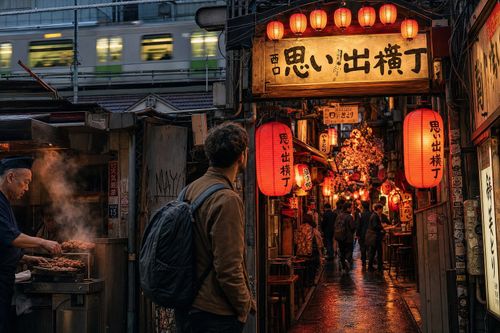
Located along the Dotonbori strip, Juhachiban is impossible to miss — look for the giant takoyaki signage. Despite the tourist-heavy location, the quality holds up. Their balls are consistently well-made with a proper crispy exterior, and the shop moves fast even during peak hours. A solid choice when you want great takoyaki without wandering far from Dotonbori's neon-lit chaos.
- Area: Dotonbori
- Price: 500-700 yen for 6-8 pieces
Kukuru — The Chain That Delivers
Kukuru has multiple locations across Osaka, including a popular spot near Dotonbori. They are known for using notably large pieces of octopus — some shops in this chain stuff whole tentacle sections into each ball. Their batter leans creamy, and the quality is reliable across branches. A safe bet when you spot one.
- Area: Multiple locations (Dotonbori, Umeda, Tennoji area)
- Price: 500-650 yen for 6-8 pieces
How to Eat Takoyaki (A Serious Warning)
This might be the most important section of this guide. Takoyaki are served fresh off the iron plate, and the inside is essentially molten lava. The batter traps heat like nothing else. Every single tourist makes the same mistake: popping an entire ball into their mouth right away.
Do not do this. You will burn the roof of your mouth badly enough to ruin the rest of your food trip.
Instead, pick one up with a toothpick, blow on it, and bite it in half. Let the steam escape. Wait a few seconds. Then enjoy the contrast of crispy shell and creamy, piping-hot interior at a temperature your mouth can actually handle.
Locals sometimes poke a small hole with the toothpick first to release steam. Follow their lead.
Takoyaki Culture: More Than Street Food
In Osaka, takoyaki is not just something you buy from a stall. It is genuinely a home-cooking staple. Families gather around an electric takoyaki maker on weekends the way other cultures might do a barbecue or pizza night. Kids learn to flip the balls with picks from a young age. Supermarkets sell takoyaki batter mix, octopus, and toppings in dedicated sections.
This is part of what makes Osaka food culture so distinct. The city takes its street food seriously enough to bring it into the kitchen, and the line between restaurant food and home food barely exists.
Exploring Beyond Dotonbori
While the Namba and Dotonbori area offers the densest concentration of takoyaki shops, do not overlook the Shinsekai and Tennoji neighborhoods to the south. Shinsekai's retro shotengai streets are packed with food stalls, and the atmosphere is grittier and more local. The area around Tennoji Station and Abeno is excellent for combining a takoyaki crawl with visits to Shitennoji Temple or the views from Abeno Harukas.
If you are staying in the Tennoji area, you are perfectly positioned to explore both the polished Namba scene and the old-school Shinsekai food streets, all within a short train ride or even a long walk.
Practical Tips
- Budget: Expect to pay 400-700 yen for a standard serving of 6-8 pieces. Takoyaki is one of the best food bargains in Japan.
- Best time: Late afternoon through evening is peak takoyaki time, but popular shops sell all day.
- Ordering: Most stalls have picture menus or numbered sets. Just point and indicate how many servings you want.
- Take-out or eat-in: Most takoyaki is served in a boat-shaped paper tray for eating on the spot. Some shops have counter seating.
- Allergies: Takoyaki contains wheat, egg, and octopus. Some shops add dairy in the batter.
Takoyaki is one of those foods that perfectly captures what Osaka is about: unpretentious, generous, and engineered to make you happy. Grab a tray, burn your tongue just a little (you will, despite the warning), and join the locals in one of Japan's greatest street food traditions.
Frequently Asked Questions
What is Takoyaki?
Takoyaki are crispy, golden balls of battered octopus, considered Osaka's iconic street food and a way of life. They are crispy on the outside, molten and creamy on the inside, and loaded with chunks of tender octopus.
Where did Takoyaki originate?
Takoyaki was invented in 1935 by a street vendor named Endo Tomekichi in Osaka's Nishinari ward. He was inspired by an earlier snack called rajioyaki and had the idea to swap in octopus as the filling.
What are the classic toppings for Takoyaki?
The classic Osaka style features a generous brush of thick, sweet-savory takoyaki sauce, a zigzag of Japanese mayonnaise, a snowfall of katsuobushi (dried bonito flakes), and a dusting of aonori (green seaweed powder). Other popular variations include ponzu, mentai mayo, and cheese.
How should I eat Takoyaki to avoid burning my mouth?
Takoyaki are served fresh off the iron plate and are essentially molten lava inside, so do not pop an entire ball into your mouth immediately. Instead, pick one up with a toothpick, blow on it, bite it in half to let the steam escape, and wait a few seconds before enjoying.
What are some recommended Takoyaki shops in Osaka?
For authentic tak