Discover Kyoto's best-kept secrets: serene shrines tucked away from the crowds where ancient spirituality meets timeless beauty.
Kyoto is home to over 1,600 shrines, yet most visitors only see a handful of the famous ones. While Fushimi Inari and Kinkaku-ji deserve their fame, the city's true magic often lies in quieter corners—moss-covered stone paths leading to weathered torii gates, the soft rustle of sacred shimenawa ropes in the breeze, and the profound stillness that settles over a shrine where you might be the only visitor all morning.
These hidden shrines aren't just "lesser-known alternatives." They're living pieces of Kyoto's spiritual heritage, places where locals come to pray, where centuries-old rituals continue unchanged, and where you can experience the meditative essence of Shinto without jostling for photo spots.
Let me take you on a journey through seven of my favorite hidden shrines—places that transformed my understanding of what makes Kyoto truly special.
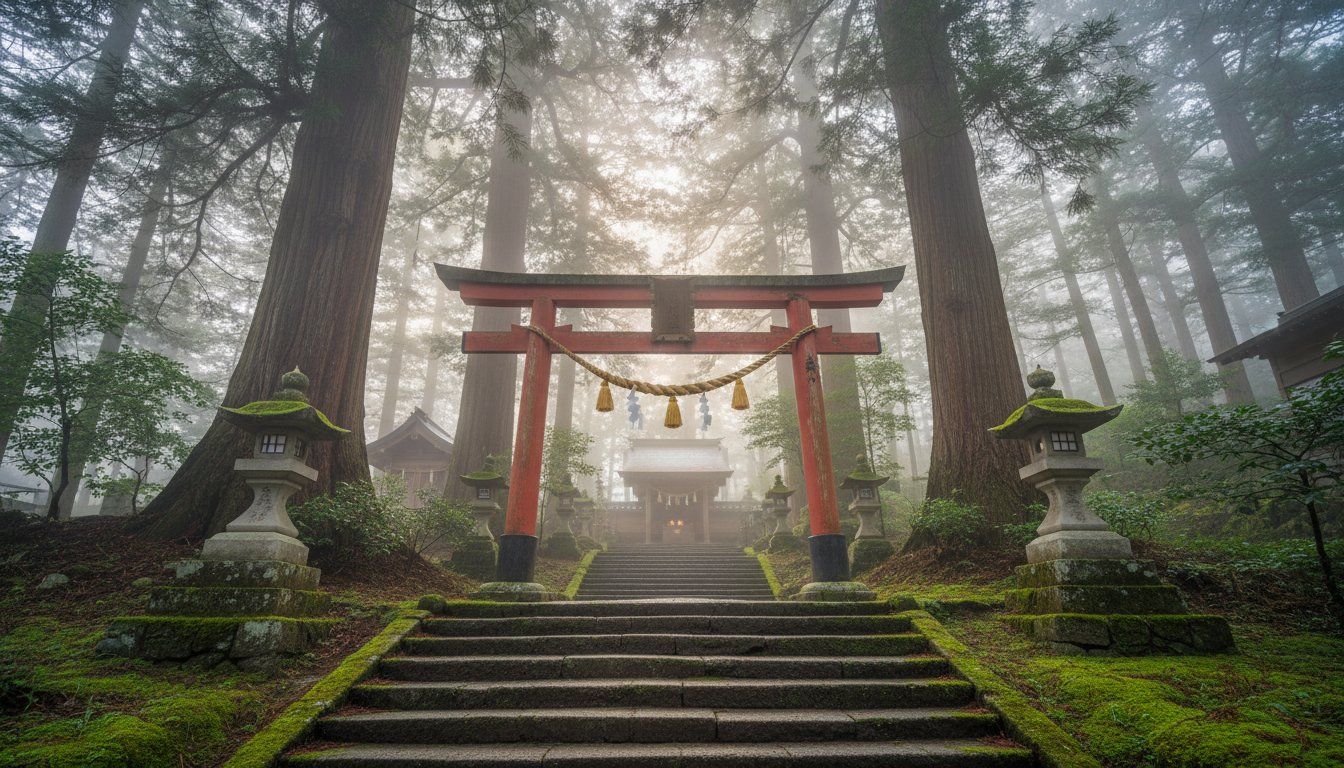 Image for illustrative purposes only.
1. Otoyo Shrine (大豊神社) - The Shrine of the Guardian Mice
Tucked along the Philosopher's Path but mysteriously overlooked by most walkers, Otoyo Shrine holds one of Kyoto's most delightful secrets: guardian statues of mice.
The Legend
While most shrines feature komainu (lion-dogs) as their guardians, Otoyo Shrine honors mice as sacred protectors. According to local legend, when the deity Okuninushi was trapped in a burning field by a jealous rival, a mouse appeared and guided him to a hole where he could escape the flames. In gratitude, Okuninushi blessed all mice, and they became associated with good fortune and perseverance.
What Makes It Special
The shrine's atmosphere shifts dramatically with the seasons. In spring, weeping cherry blossoms cascade over the moss-covered grounds. In autumn, fiery maples frame the tiny mouse statues, which visitors often dress in miniature red bibs and leave offerings of cheese-shaped ema (prayer tablets).
Beyond the mice, Otoyo Shrine also houses guardian statues of a monkey, a kite (bird), and a snake—a rare collection that makes this small shrine feel like a treasury of mythological creatures.
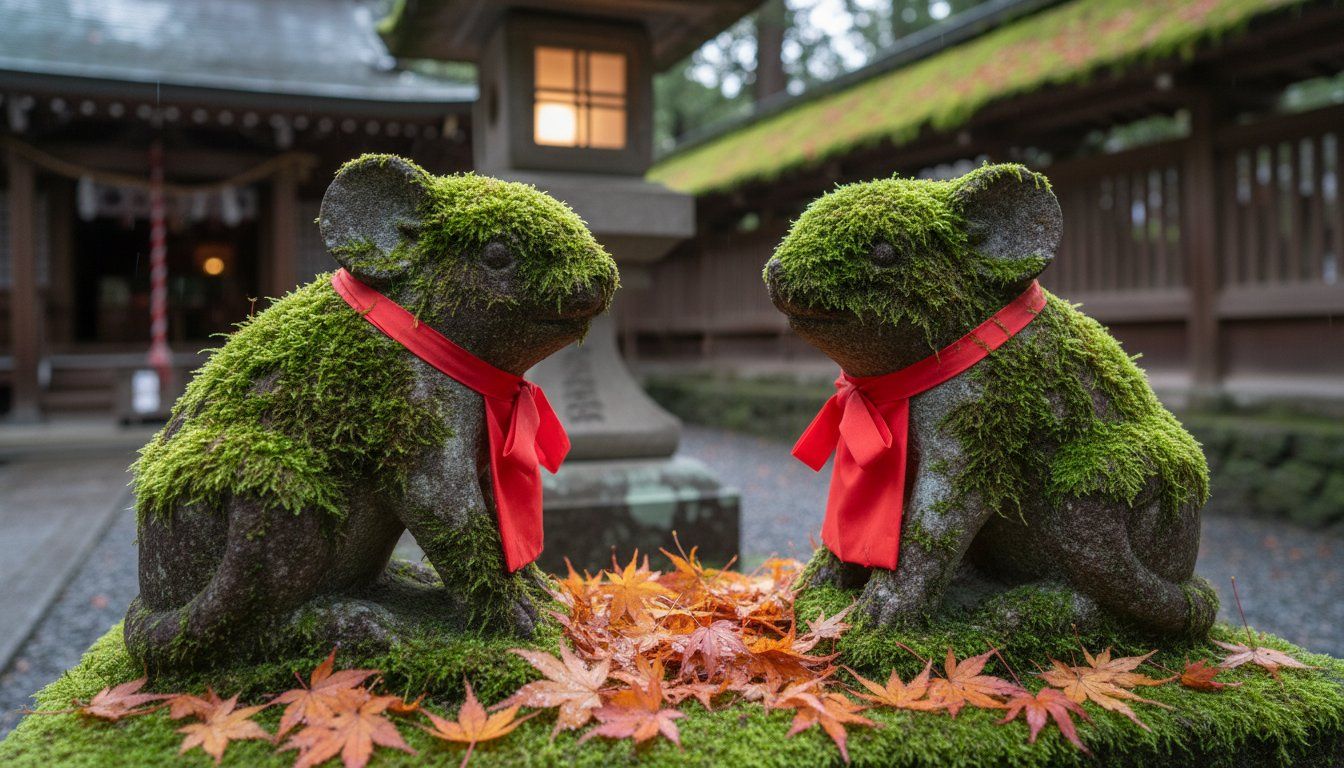 Image for illustrative purposes only.
Practical Information
- Address: 1 Shikagayaotoyo-cho, Sakyo-ku, Kyoto
- Access: 15-minute walk from Ginkaku-ji Temple, along the northern section of the Philosopher's Path
- Hours: Always open (shrine grounds); Office hours 9:00-17:00
- Admission: Free
- Best Time to Visit: Early morning before 9:00 AM, or late afternoon
- Pro Tip: Look for the small stone mice hidden throughout the grounds—I found seven on my last visit, but locals say there are more
2. Sekizan Zen-in (赤山禅院) - Kyoto's Demon Gate Guardian
Perched on the northeastern slopes of Mount Hiei, Sekizan Zen-in serves as Kyoto's spiritual protector against evil spirits entering from the unlucky "demon gate" direction (kimon). Despite its crucial role in the city's cosmological defense system, few tourists venture here.
Understanding the Demon Gate
In traditional Japanese and Chinese geomancy, the northeast direction is considered the gateway for malevolent spirits. When Emperor Kanmu established Kyoto in 794 CE, he ensured the city was protected from this direction by positioning temples and shrines along the northeastern corridor. Sekizan Zen-in has guarded this spiritual frontier for over 1,100 years.
The Monkey on the Roof
Look up at the main hall's roof, and you'll spot a unique guardian: a monkey enclosed in a wire cage. This isn't cruelty—it's spiritual practicality. The monkey, associated with the northeast direction in the Chinese zodiac, helps ward off evil. The cage? According to temple lore, previous monkey statues kept escaping to cause mischief in the neighborhood!
The shrine is particularly significant for those seeking protection during unlucky "yakudoshi" years (ages considered prone to misfortune in Japanese culture), making it a vital spiritual destination for many Kyoto residents.
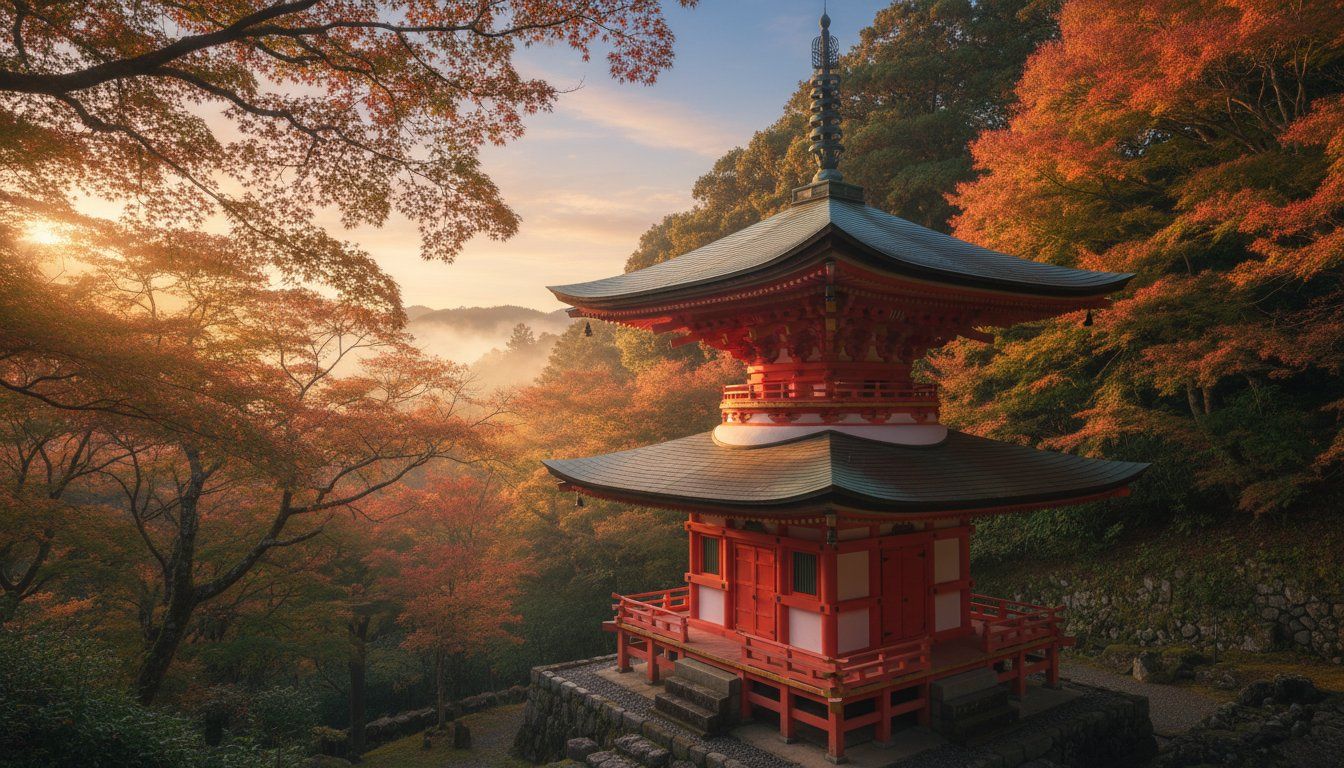 Image for illustrative purposes only.
Practical Information
- Address: 18 Shugakuin Kaibatacho, Sakyo-ku, Kyoto
- Access: 20-minute walk from Shugakuin Station (Eizan Railway), or bus #5 to Shugakuin Rikyumichi stop
- Hours: 9:00-16:30
- Admission: Free
- Best Time to Visit: November for autumn colors; January for protection prayers
- Pro Tip: Combine with a visit to nearby Shugakuin Imperial Villa (advance reservation required) for a full day in this peaceful northeastern area
3. Kawai Shrine (河合神社) - The Beauty Shrine Hidden in Shimogamo
While throngs of visitors pack into Shimogamo Shrine's main buildings, a secret sanctuary dedicated to feminine beauty sits quietly in a corner of the same forest. Kawai Shrine, dedicated to Tamayori-hime (a goddess associated with beauty), draws women seeking blessings for outer and inner radiance.
The Mirror Ema
What makes Kawai Shrine truly unique is its "kagami ema" (mirror votive tablets). These oval wooden plaques are shaped like hand mirrors and feature a blank face. Visitors use their own cosmetics to draw their ideal face onto the ema, then write a wish for beauty on the back before offering it to the goddess.
Walking through the shrine, you'll see hundreds of these faces hanging in rows—some artistic, some whimsical, some touchingly sincere. It's a fascinating glimpse into personal hopes and the Japanese concept of beauty.
The Ancient Forest
The shrine sits within Tadasu no Mori, a primeval forest that has remained unchanged for thousands of years. Unlike manicured temple gardens, this is wild, ancient woodland where dappled light filters through towering trees. The Japanese word "tadasu" can mean "to correct" or "to determine truth"—traditionally, disputes were settled here because lying in this sacred grove was believed impossible.
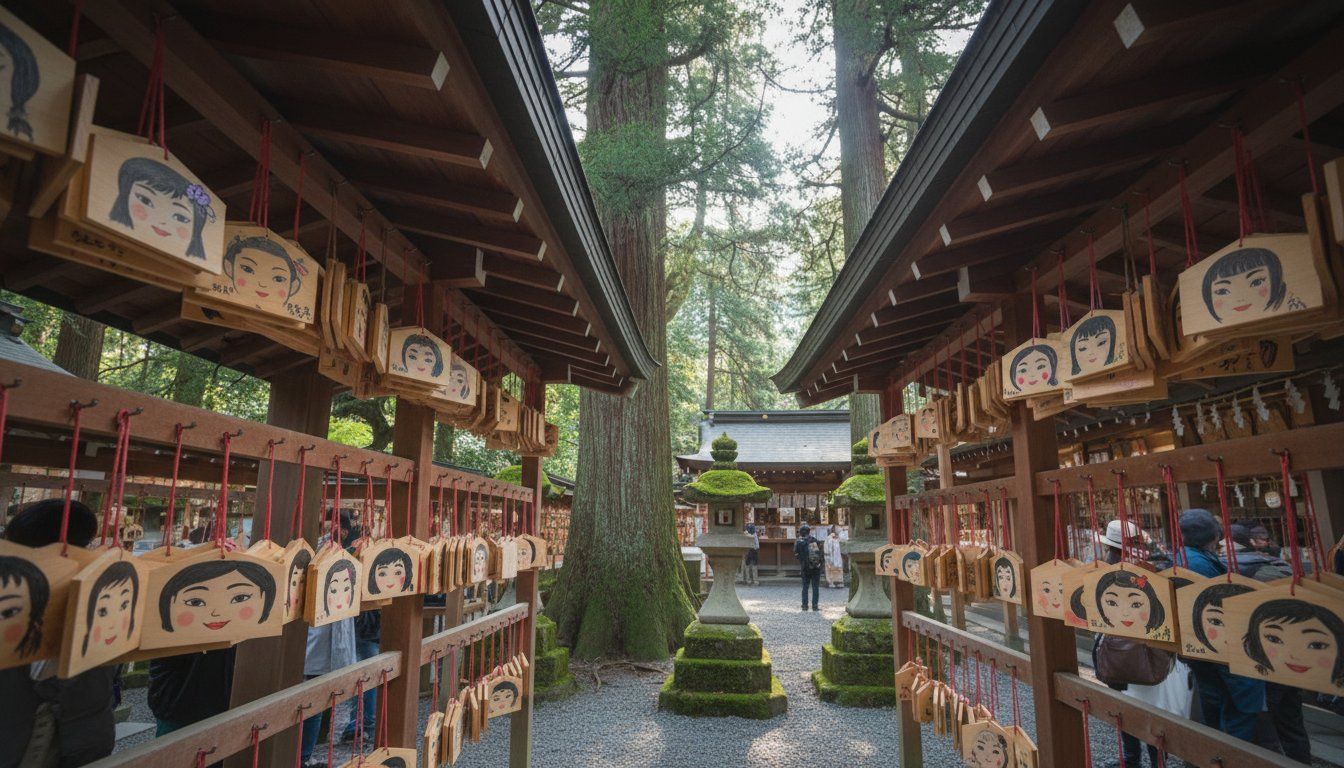 Image for illustrative purposes only.
Practical Information
- Address: Within Shimogamo Shrine complex, 59 Shimogamo Izumigawacho, Sakyo-ku, Kyoto
- Access: 10-minute walk from Demachiyanagi Station (Keihan/Eizan lines); located in the southwest corner of Shimogamo Shrine
- Hours: 6:30-17:00
- Admission: Free (kagami ema cost ¥800)
- Best Time to Visit: Weekday mornings for peaceful contemplation
- Pro Tip: Purchase the special "beauty water" (bijin-sui) for ¥350—it's actually quite refreshing and makes a unique Kyoto souvenir
4. Kurumazaki Shrine (車折神社) - The Shrine of Celebrities and Artists
What connects famous Japanese actors, traditional geisha, aspiring musicians, and everyday people seeking career success? This colorful shrine in Arashiyama, where entertainment industry luminaries come to pray for success and give thanks for fame.
Tamagaki: Walls of Famous Names
The shrine grounds are lined with vermillion "tamagaki" (sacred fences) donated by celebrities. Stroll through and you'll spot names of famous actors, television personalities, musicians, and traditional performers. For Japanese pop culture enthusiasts, it's like walking through a hall of fame—though recognizing the names requires some knowledge of the Japanese entertainment industry.
Two Shrines in One
Kurumazaki actually houses two distinct shrines. The main shrine honors Kiyohara no Yorinari, a Heian-period scholar, and is popular for academic and business success. But the rear shrine, Geinou Jinja (literally "Entertainment Shrine"), is where the star power concentrates.
Performers of all types—from kabuki actors to rock musicians—come here to pray before debuts, auditions, and important performances. The atmosphere crackles with creative ambition.
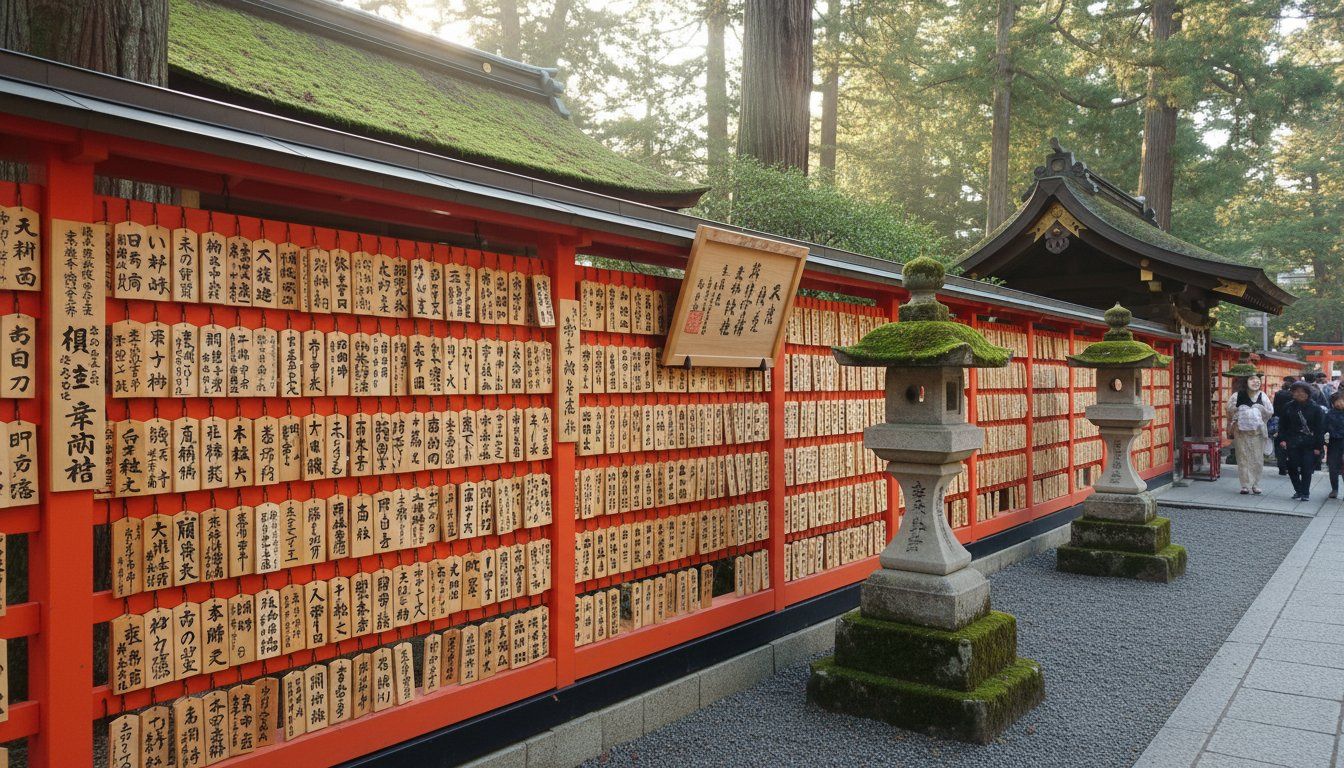 Image for illustrative purposes only.
The Wishing Stone Ritual
The shrine is famous for its unique wishing ritual. First, receive a small stone wrapped in paper from the shrine office. Carry this "negaiishi" (wishing stone) with you daily while concentrating on your wish. Once your wish is fulfilled, return the stone along with another stone you've found yourself, inscribed with your thanks.
Practical Information
- Address: 11 Sagaasahicho, Ukyo-ku, Kyoto
- Access: Directly adjacent to Kurumazaki Shrine Station on the Keifuku (Randen) tram line; 10 minutes from Arashiyama
- Hours: 9:00-17:00
- Admission: Free (wishing stone ritual ¥700)
- Best Time to Visit: Any time; particularly interesting during New Year when celebrities make formal visits
- Pro Tip: Take the charming Randen tram from Arashiyama—the journey itself is a nostalgic experience
5. Okitsu Shrine (興津神社) - The Fisherman's Shrine of Arashiyama
Hidden in plain sight along the Oi River in Arashiyama, this tiny shrine honors the spirits of water and the fishermen who once made their living here. While thousands of tourists photograph the famous Togetsukyo Bridge daily, almost none notice this quiet sanctuary just upstream.
River Spirits and Cormorant Fishing
Okitsu Shrine has watched over Arashiyama's cormorant fishermen ("ukai") for centuries. This ancient fishing technique, where trained cormorants catch sweetfish (ayu) at night by torchlight, continues each summer on these very waters. The shrine ensures safety and abundant catches.
Visit in July or August and you can witness ukai from tourist boats—a surreal experience of watching fires dance on black water while birds dive for silver fish. The fishermen still stop to pay respects at Okitsu Shrine before each night's work.
The Overlooked Overlook
The shrine's location offers something precious: a view of Togetsukyo Bridge from an angle most tourists never see. Stand at the small shrine and look downstream at dusk, when the mountains turn purple and lanterns begin to glow. You'll understand why poets have praised this view for a thousand years—and you might have it entirely to yourself.
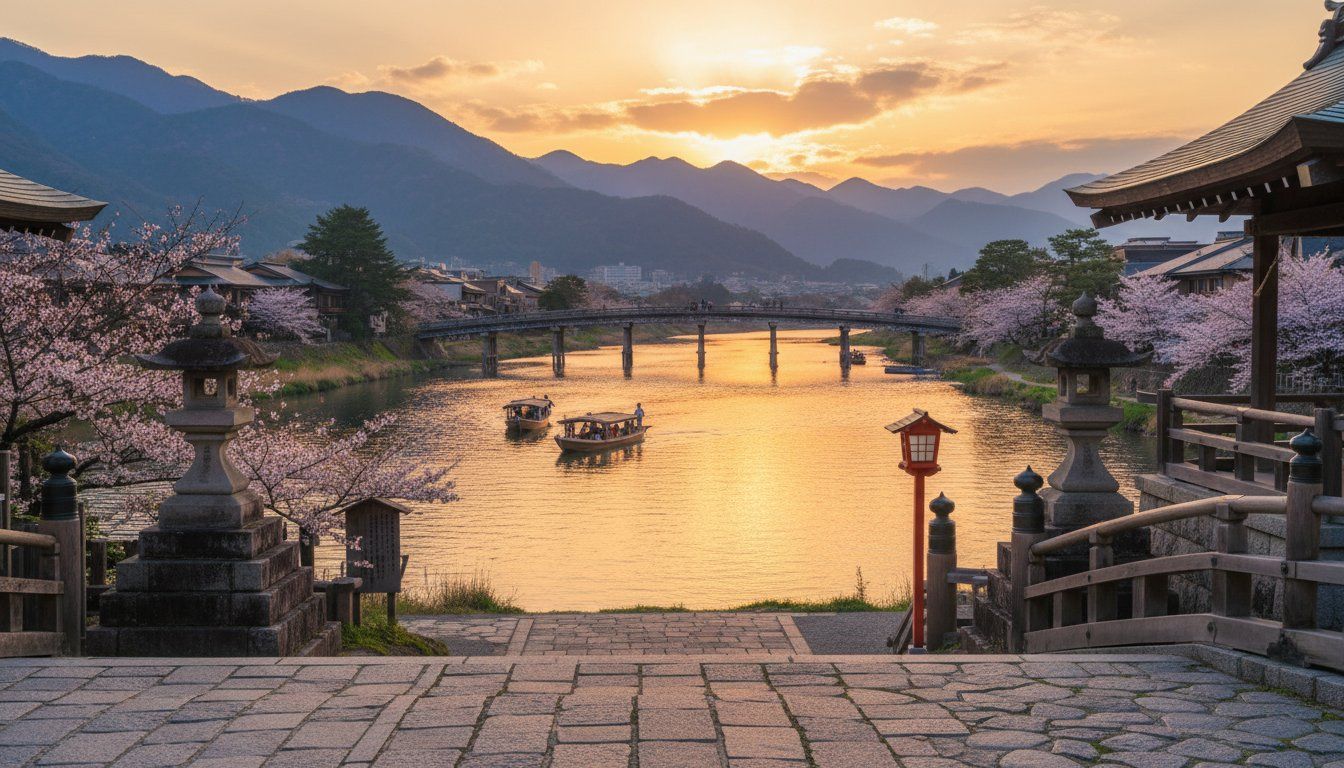 Image for illustrative purposes only.
Practical Information
- Address: Saganakanoshimacho, Ukyo-ku, Kyoto (along the north bank of the Oi River)
- Access: 10-minute walk upstream (west) from Togetsukyo Bridge along the river path
- Hours: Always open
- Admission: Free
- Best Time to Visit: Late afternoon for golden light on the river; summer evenings during cormorant fishing season (July-August)
- Pro Tip: Bring a small offering—the shrine is unmanned, and leaving a few coins shows respect for these local guardian spirits
6. Ujigami Shrine (宇治上神社) - Japan's Oldest Shrine Building
Across the river from Byodo-in Temple in Uji lies a UNESCO World Heritage Site that somehow remains blissfully uncrowded. Ujigami Shrine contains the oldest existing shrine architecture in Japan—structures that have stood for nearly 1,000 years.
Ancient Beyond Comprehension
The main hall (honden) dates to the late Heian period, around 1060 CE. Let that sink in: this wooden building was already 400 years old when Columbus sailed to America. The worship hall (haiden) is only slightly younger, built in the Kamakura period (1215 CE).
Yet unlike Kyoto's more famous ancient structures, which have been rebuilt multiple times over centuries, Ujigami's core buildings are originals. You're standing before the same walls, the same roof lines, that Heian-period aristocrats saw.
The Spring of Youth
Behind the main hall, a small spring called "Kirihara-sui" bubbles up from the earth. This is one of Uji's "Seven Famous Waters," prized for centuries for tea preparation. Local legend holds that drinking this water confers longevity. A small dipper is available—taste water from the same source that refreshed visitors in the days of samurai.
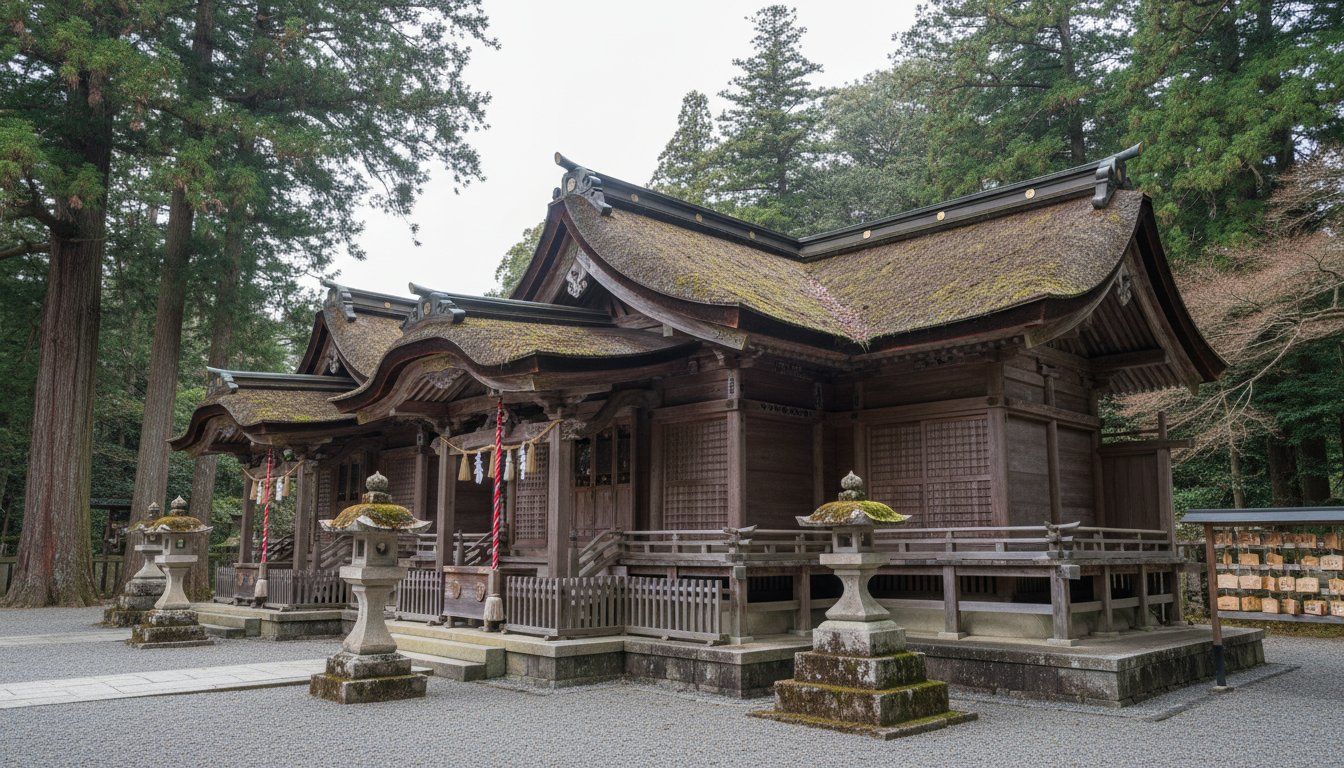 Image for illustrative purposes only.
Seasonal Worship
Each month, Ujigami Shrine issues limited-edition goshuin (shrine stamps) featuring seasonal motifs. Collectors travel from across Japan to obtain these artistic stamps, but arrive early—they often sell out. The shrine also sells adorable rabbit-themed omamori (amulets), as rabbits are sacred messengers of the enshrined deities.
Practical Information
- Address: 1 Uji Yamada, Uji, Kyoto
- Access: 10-minute walk from JR Uji Station or Keihan Uji Station; cross the river and turn left
- Hours: 9:00-16:30
- Admission: Free
- Best Time to Visit: Early morning, especially during autumn colors; avoid weekends when Japanese tour groups visit
- Pro Tip: Combine with Byodo-in Temple (the famous Phoenix Hall) and sample Uji's legendary matcha—the world's finest green tea country
7. Shiramine Jingu (白峯神宮) - The Sports Shrine
This elegant shrine in central Kyoto harbors an unexpected claim to fame: it's Japan's premier destination for athletes seeking victory and anyone working to overcome challenges in competitive fields.
From Tragedy to Triumph
Shiramine Jingu was established in 1868 to enshrine Emperor Sutoku, a tragic figure exiled from Kyoto after a failed attempt to seize power in 1156. According to legend, he died cursing the imperial line and became one of Japan's most feared vengeful spirits.
The shrine was built specifically to pacify his spirit and transform his energy from destructive curse to protective blessing. This transformation—from defeat to spiritual victory—resonates powerfully with athletes facing their own battles.
The Kemari Connection
The shrine grounds were historically used for "kemari," an ancient football-like game played by Heian-period aristocrats. Players wore elaborate robes and kicked a deerskin ball, trying to keep it airborne with elegant moves. This connection to Japan's original "beautiful game" led to Shiramine Jingu's adoption as the spiritual home of sports.
Today, professional athletes from Japan's soccer, baseball, and volleyball leagues make pilgrimages here. The shrine displays balls, shoes, and equipment donated by famous athletes—a fascinating sports museum embedded in a Shinto sanctuary.
 Image for illustrative purposes only.
Practical Information
- Address: 261 Imaizumibomon-cho, Kamigyo-ku, Kyoto
- Access: 5-minute walk from Imadegawa Station (Karasuma Subway Line); or bus to Horikawa-Imadegawa stop
- Hours: 8:00-17:00
- Admission: Free
- Best Time to Visit: Before important competitions or exams; January for New Year's sports prayers
- Pro Tip: Purchase the "victory" omamori—popular with students facing entrance exams as well as athletes
Planning Your Hidden Shrine Journey
Best Times to Visit
Spring (Late March - Early April): Cherry blossoms at Otoyo Shrine are magical, and Kawai Shrine's forest awakens with new growth.
Autumn (Mid-November): Sekizan Zen-in and Ujigami Shrine offer spectacular fall colors without Kiyomizu-dera's crushing crowds.
Summer (July - August): Visit Okitsu Shrine during cormorant fishing season for an unforgettable evening experience.
Winter (January): Shrines are nearly empty, and New Year's rituals at Sekizan Zen-in offer protection for the coming year.
Combining Shrines
Northern Kyoto Day: Otoyo Shrine → Sekizan Zen-in → Kawai Shrine (within Shimogamo)
Arashiyama Day: Okitsu Shrine → Kurumazaki Shrine → (Randen tram to other destinations)
Central + Uji Day: Shiramine Jingu (morning) → Train to Uji → Ujigami Shrine + Byodo-in
Etiquette Reminders
- Bow once before passing through the torii gate
- Purify hands and mouth at the temizu basin (if available)
- Bow twice, clap twice, bow once when praying at the main altar
- Keep voices low and remove hats in sacred areas
- Photography: Generally permitted outdoors, but ask before photographing inside buildings
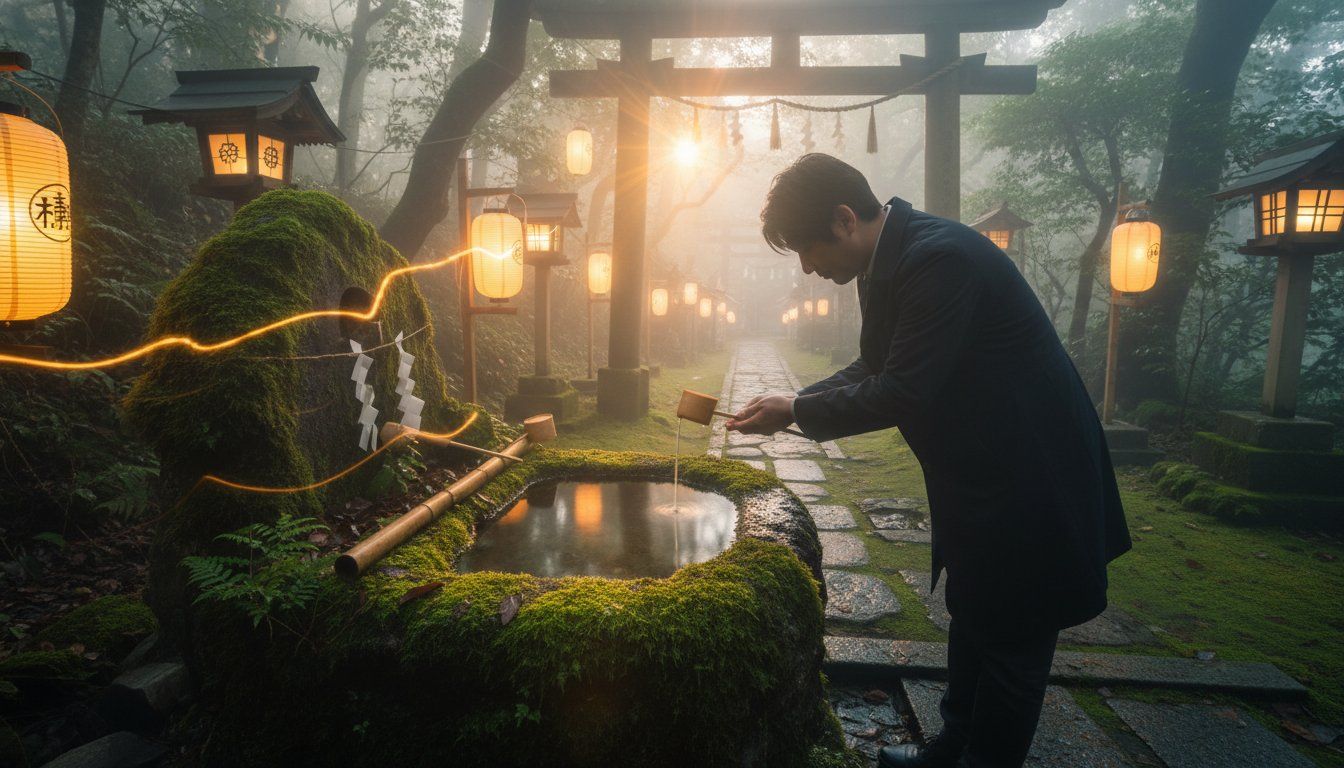 Image for illustrative purposes only.
The Soul of Hidden Kyoto
There's a particular quality of silence you find at these hidden shrines—not the absence of sound, but a presence of stillness. The rustle of leaves, the creak of ancient wood, the distant chime of a bell. These sounds have marked the passing hours here for centuries.
In a city that can sometimes feel overwhelmed by tourism, these sanctuaries remind us why Kyoto became sacred ground in the first place. Not for photo opportunities or Instagram moments, but for those instants when the boundary between the ordinary world and something greater grows thin.
The shrines in this guide aren't "alternatives" to famous spots. They're invitations to experience Kyoto the way residents do—as a living city where the spiritual and mundane interweave, where a morning walk might lead you to a thousand-year-old tree or a statue of guardian mice, where ancient rituals continue simply because they've always continued.
Seek these hidden places. Bow at their gates. Offer your prayers or simply your presence. And in the silence that follows, listen for what Kyoto has been trying to tell visitors for over a thousand years.
Ready to explore beyond the guidebook? Each of these shrines welcomes respectful visitors seeking authentic Kyoto. Start with one, and let it lead you to the next. The city's hidden sacred spaces are waiting.
Frequently Asked Questions
What makes Otoyo Shrine unique among Kyoto's shrines?
Otoyo Shrine is distinctive for its guardian statues of mice, which are believed to bring good fortune and perseverance, a rare sight compared to the typical komainu. It also features other unique animal guardians like a monkey, a kite, and a snake.
Why is Sekizan Zen-in considered Kyoto's "Demon Gate Guardian"?
Sekizan Zen-in is positioned on the northeastern slopes of Mount Hiei to spiritually protect Kyoto from evil spirits, as the northeast direction is traditionally considered the "demon gate" in Japanese geomancy. A caged monkey statue on its roof further aids in warding off malevolent forces.
What are "kagami ema" at Kawai Shrine?
Kagami ema are unique mirror-shaped votive tablets found at Kawai Shrine, where visitors use their own cosmetics to draw their ideal face and write a wish for beauty on the back before offering it to the goddess Tamayori-hime. This shrine is dedicated to feminine beauty.
Which Kyoto shrine is known for attracting celebrities and artists?
Kurumazaki Shrine in Arashiyama is known as the shrine of celebrities and artists, where entertainment industry luminaries pray for success and give thanks for fame. Its grounds are lined with "tamagaki" (sacred fences) donated by famous actors, musicians, and performers.
Is there an admission fee to visit these hidden shrines?
No, admission to the grounds of Otoyo Shrine, Sekizan Zen-in, and Kawai Shrine (located within the Shimogamo Shrine complex) is free. However, specific offerings like kagami ema or special prayers may incur a small cost.
What is the best time to visit these hidden shrines for a peaceful experience?
For Otoyo Shrine, early morning before 9:00 AM or late afternoon is recommended. Kawai Shrine is best visited on weekday mornings for peaceful contemplation, while Sekizan Zen-in offers beautiful autumn colors in November.