Everything you need to know about Abeno Harukas — Osaka's 300m landmark with sky-high views, Japan's largest department store, and world-class dining.
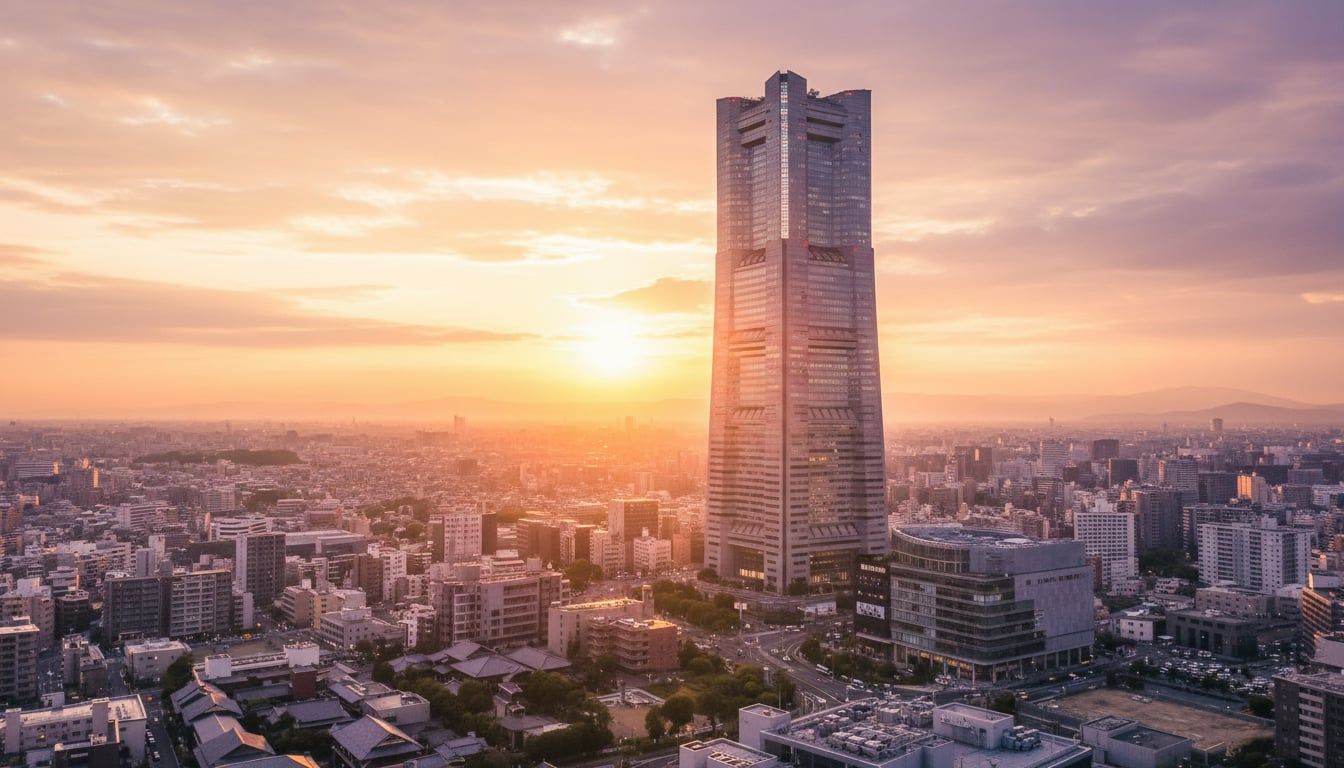
Standing 300 meters above the streets of Tennoji, Abeno Harukas is hard to miss. It is the tallest building in Japan, and since it opened in 2014, it has become the defining landmark of Osaka's southern side. But unlike many big-name towers that are purely for sightseeing, Abeno Harukas is genuinely useful: inside you will find a world-class observation deck, Japan's largest department store, an art museum, a luxury hotel, and some seriously good food. Whether you have an hour or a full day, there is more here than most visitors expect.
What Is Abeno Harukas?
The name "Harukas" comes from an old Japanese word meaning "to clear" or "to brighten" — an appropriate choice for a building that literally rises above the clouds on foggy days. The tower sits directly above Tennoji Station and Osaka Abenobashi Station, making it one of the most accessible major attractions in the city.
The structure divides into clear zones by floor:
- Basement 2 to Floor 14 — Kintetsu Department Store
- Floor 16 — Abeno Harukas Art Museum
- Floors 17 to 19 — office space
- Floors 38 to 55 — Marriott Hotel
- Floors 58 to 60 — Harukas 300 observation deck
This vertical stacking of uses means you can make a full day of it without ever leaving the building, or simply pass through on your way to Shinsekai or Shitennoji.
Harukas 300: The Observation Deck
The headline attraction is Harukas 300, the three-floor observation deck that occupies the very top of the tower. Admission costs 2,000 yen for adults (1,200 yen for junior high school students, 700 yen for children aged 4 to elementary school age). You reach the deck via a high-speed elevator from the dedicated ticket counter on the 16th floor.
Floor 58 is the main observation level, with floor-to-ceiling glass wrapping all four sides. On a clear day — and Osaka gets plenty of them in winter — the panorama stretches far beyond the city itself. To the west you can pick out Kobe's port and the Akashi Kaikyo Bridge. To the east, the Ikoma and Kongo mountain ranges rise beyond Nara. On exceptional days, you can see all the way to Awaji Island and, very occasionally, the faint outline of Shikoku. This is not a "see Osaka" experience so much as a "see western Japan" experience.
Floor 59 is a partially open-air floor where the breeze reminds you exactly how high up you are. The sensation of standing on a glass-edged walkway with the city spread out below is something photos do not fully capture.
Floor 60 is the rooftop itself — the highest point accessible to the public in Japan. On clear days this is where you want to spend your time, watching the light shift over the city.
For those who want an extra thrill, there is a helipad experience available at additional cost on select dates, where you stand on the actual rooftop landing pad with nothing between you and the view but open sky. Check the official website for availability, as dates are limited.
Practical tips for the observation deck:
- Morning visits are less crowded and the air is typically clearer.
- Winter (December through February) consistently offers the best visibility.
- Sunset is the most popular time — the city transitions from golden afternoon light to a sea of electric lights over about 45 minutes, and it is worth planning your visit around this window.
- Allow at least 60 to 90 minutes to make the most of all three floors.
Kintetsu Department Store: Japan's Largest
Floors B2 through 14 are occupied by Kintetsu Department Store, which holds the record as the largest department store in Japan by floor area. Even if department stores are not usually your thing, two sections are worth a detour.
The depachika — the basement food hall on floors B1 and B2 — is a genuine highlight. You will find counters selling everything from wagyu beef croquettes and fresh sashimi to handmade chocolates, premium matcha sweets, and an extraordinary selection of bento boxes. It is one of the better spots in Tennoji to put together a high-quality picnic for Tennoji Park, which is a short walk away.
The upper floors carry the full range you would expect from a top-tier Japanese department store: fashion, cosmetics, homeware, and a dedicated area for traditional crafts and Osaka-made goods that makes for better souvenir shopping than most airport options.
Abeno Harukas Art Museum
Floor 16 houses the Abeno Harukas Art Museum, which runs four to five major exhibitions per year. The programming tends toward accessible blockbusters — retrospectives of beloved Japanese painters, collaborations with major international museums, and occasional themed exhibitions around popular culture and design. Admission varies by exhibition, typically ranging from 1,200 to 1,800 yen.
The museum is not enormous, but the curation is consistently strong and the crowds are manageable compared to larger Osaka venues. If you are already visiting the observation deck, it is worth checking what is showing during your trip.
The Marriott Hotel
Floors 38 through 55 are home to the Osaka Marriott Miyako Hotel, which occupies a genuinely dramatic position in the building. Guest rooms start at floor 38, meaning the lowest room in the hotel is already higher than most observation decks in Japan. The hotel's bar and lounge areas offer views that rival Harukas 300 itself, and afternoon tea here has become a popular experience for visitors who want the view without the observation deck ticket.
Even if you are not staying at the hotel, the lobby level lounge is open to the public during certain hours — worth keeping in mind for a coffee stop with an unusual backdrop.
Dining at Abeno Harukas
The building has a dedicated restaurant floor at floor 14 where you will find a solid selection of mid-range to upscale options: teppanyaki, Osaka-style kaiseki, French bistro cooking, and casual Japanese set-lunch spots that offer good value during the midday hours. Queues can build up at peak lunch and dinner times, particularly on weekends.
For a more budget-conscious meal, the basement food hall provides ready-to-eat options from many of the same vendors whose sit-down restaurants would cost considerably more.
Getting There
Abeno Harukas sits directly above Tennoji Station, which is served by the JR Osaka Loop Line, the Osaka Metro Midosuji Line, and the Osaka Metro Tanimachi Line. Kintetsu Osaka Abenobashi Station connects directly to the building's lower floors. From Namba it is two stops on the Midosuji Line, and from Shin-Osaka it is around 20 minutes. The building is also within walking distance of Tennoji Bus Terminal if you are arriving from further afield.
There is paid parking underneath the building for those arriving by car, but given how well connected the station is, driving is rarely the practical choice.
Combining Abeno Harukas with Nearby Attractions
Tennoji is one of Osaka's most rewarding areas for a full day of exploring, and Abeno Harukas makes an excellent anchor point for the neighborhood.
Shitennoji Temple is a 15-minute walk to the north — one of Japan's oldest Buddhist temples, founded in 593 AD. The inner precinct charges a small admission fee but the outer gardens are free. The contrast between the ancient temple grounds and the glass tower visible beyond its walls is one of those only-in-Japan images.
Tennoji Park and Tennoji Zoo are immediately adjacent to the east of the station. The park was renovated a few years ago and now includes good open lawn areas, a pond, and a pleasant garden. The zoo is family-friendly and very reasonably priced.
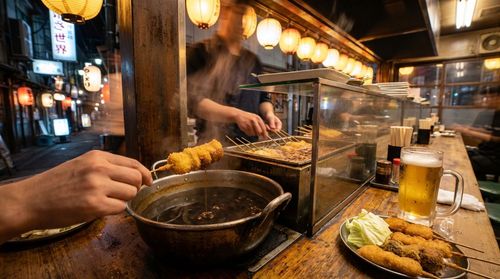
Shinsekai is a ten-minute walk to the northwest and feels like stepping into a different era of Osaka. This retro entertainment district is the home of kushikatsu — deep-fried skewers of meat, vegetables, and seafood served with a communal dipping sauce. The rule, observed with some seriousness by locals, is no double-dipping. Shinsekai also sits at the base of Tsutenkaku Tower, Osaka's older and more low-key answer to its 300-meter neighbor.
Best Time to Visit
If visibility is your priority, come in winter. December and January offer the clearest skies on average, and the observation deck is comfortable in the daytime hours even when it is cold. A hat and an extra layer are recommended for the outdoor sections.
Sunset visits are popular year-round because the transition from day to night is genuinely spectacular at this height. Arrive around 30 to 45 minutes before the official sunset time to claim a position on the outdoor level and watch the city change color.
Weekday mornings are the least crowded time for the observation deck and the department store. Weekends and Japanese public holidays see longer queues at the elevator and fewer available tables in the restaurants.
A Few Things Worth Knowing
The building is entirely non-smoking except in designated areas. Photography is freely permitted throughout the observation deck, including the outdoor sections. The ticket for Harukas 300 includes re-entry on the same day if you want to experience both daytime and evening views — something that not all observation decks in Japan allow, and well worth taking advantage of if you have the time.
Abeno Harukas is one of those places that rewards visitors who do not rush. Give yourself a full half-day and you will leave with a much clearer mental map of western Japan than you arrived with.
Harukas 300 Observation Deck
- Hours: 9:00 AM to 10:00 PM (last entry 9:30 PM)
- Admission: 2,000 yen (adults), 1,200 yen (junior high), 700 yen (elementary and younger)
- Access: Direct connection to Tennoji Station (JR / Osaka Metro) and Kintetsu Osaka Abenobashi Station
- Website: www.abenoharukas-300.jp
Frequently Asked Questions
What is Abeno Harukas?
Abeno Harukas is Japan's tallest building, standing 300 meters above Osaka's Tennoji district. It houses an observation deck, Japan's largest department store, an art museum, a luxury hotel, and various dining options.
How much does it cost to visit the Harukas 300 observation deck?
Admission to the Harukas 300 observation deck costs 2,000 yen for adults. Discounts are available for junior high school students (1,200 yen) and children aged 4 to elementary school age (700 yen).
What are the best times to visit the Harukas 300 observation deck?
Morning visits are recommended for fewer crowds and clearer air, with winter (December through February) offering the best visibility. Sunset is a popular choice to experience the city transitioning from daylight to a sea of lights.
What can I find at the Kintetsu Department Store in Abeno Harukas?
The Kintetsu Department Store, Japan's largest, spans floors B2 through 14. It features a renowned depachika (basement food hall) offering gourmet foods and bento boxes, alongside fashion, cosmetics, homeware, and traditional crafts on its upper floors.
How do I get to Abeno Harukas?
Abeno Harukas is directly above Tennoji Station, accessible by the JR Osaka Loop Line, Osaka Metro Midosuji Line, and Osaka Metro Tanimachi Line. Kintetsu Osaka Abenobashi Station also connects directly to the building's lower floors.
What other attractions are near Abeno Harukas?
Nearby attractions include Shitennoji Temple, one of Japan's oldest Buddhist temples, Tennoji Park and Tennoji Zoo, and the retro entertainment district of Shinsekai, all within walking distance.
Staying in Tennoji?
If you're planning to explore Tennoji, these neighborhood stays let you experience the area like a local.
Explore the Tennoji Area Guide
Discover more things to do, local food spots, and insider tips for Tennoji.